

I frequently experience nosebleeds, especially during the dry season. Is this dangerous? What foods should I consume to prevent them? (Van Anh, Dong Nai )
Reply:
Nosebleeds (epistaxis) are bleeding that occurs from one or both nostrils. The blood usually originates from one nostril, but if it's heavy and spreads quickly, it can reach the other nostril. In some cases, blood may flow out from the front nostril or down the back of the throat.
Nosebleeds occur at all ages, but are most common in children aged 2-10 and adults aged 50-80. The causes are often related to hot, dry climates, lack of humidity, and cold seasons. During these times, patients are more susceptible to upper respiratory infections that can cause blood vessels to rupture, leading to nosebleeds. Other possible causes include nasal trauma, sinusitis, allergic rhinitis, nasal and sinus tumors, and structural abnormalities of the nasal and sinuses.
More serious cases of nosebleeds may be symptoms of several systemic diseases such as blood clotting disorders, nasal and sinus cancer, leukemia, etc.
When nosebleeds are caused by damage to small blood vessels, you should supplement your diet with foods rich in vitamin C, which is essential for the growth and regeneration of body tissues.
Cherries improve immunity, help prevent infections, and promote better sleep. Parents and children can enjoy fresh cherries or make them into smoothies or mix them with ice cream.
Cucumbers contain 95% water, are rich in vitamin C and potassium, and are good for the digestive system. Drinking cucumber smoothies or eating cucumbers helps replenish fluids and maintain essential hydration in the body.
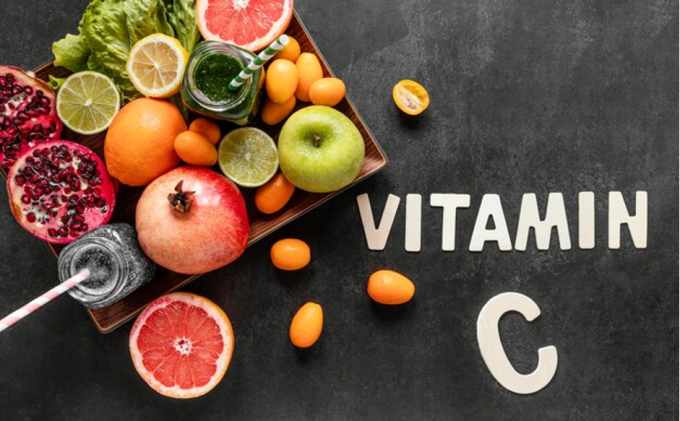
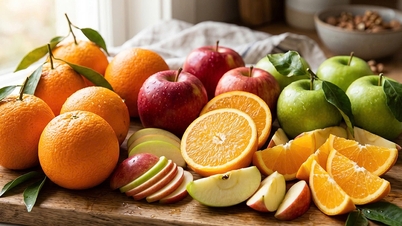
Vitamin C, found in tangerines and oranges, helps boost the immune system. (Image: Freepik)
Red bell peppers are low in sugar and have a naturally sweet taste that's good for your health. One red bell pepper can provide your daily vitamin C requirement. They can be eaten raw, stir-fried with beef, or used in salads. A significant amount of vitamin C is lost during cooking, so they should be consumed immediately after cooking or, ideally, eaten raw.
Oranges are rich in vitamin C, fiber, folate, and antioxidants. One orange contains 60% of the daily recommended intake of vitamin C. Oranges have a naturally sweet taste and are loved by many children and adults. You should eat oranges instead of drinking juice to get enough vitamins and fiber.
Carrots are rich in beta-carotene, fiber, magnesium, and vitamin C. They help boost the immune system, promote healthy eyesight, and support blood sugar control.
Doctor Tran Thi Tra Phuong
Nutrition Department, Nutrihome Nutrition Clinic System
| Readers can ask questions about ear, nose, and throat diseases here for doctors to answer. |
Source link

![[Photo] General Secretary and President To Lam presides over a meeting on preparations for the review of one year of operation of the three-tiered government system.](https://vphoto.vietnam.vn/thumb/1200x675/vietnam/resource/IMAGE/2026/06/02/1780391821195_a1-bnd-4595-9717-jpg.webp)

























![[Image] Affirming the aspirations and new standards of the Vietnamese real estate market in the new era.](https://vphoto.vietnam.vn/thumb/1200x675/vietnam/resource/IMAGE/2026/06/03/1780441948766_giai-thuong-bat-dong-san-2026-minh-duy-6-7364-jpg.webp)



































































Comment (0)