

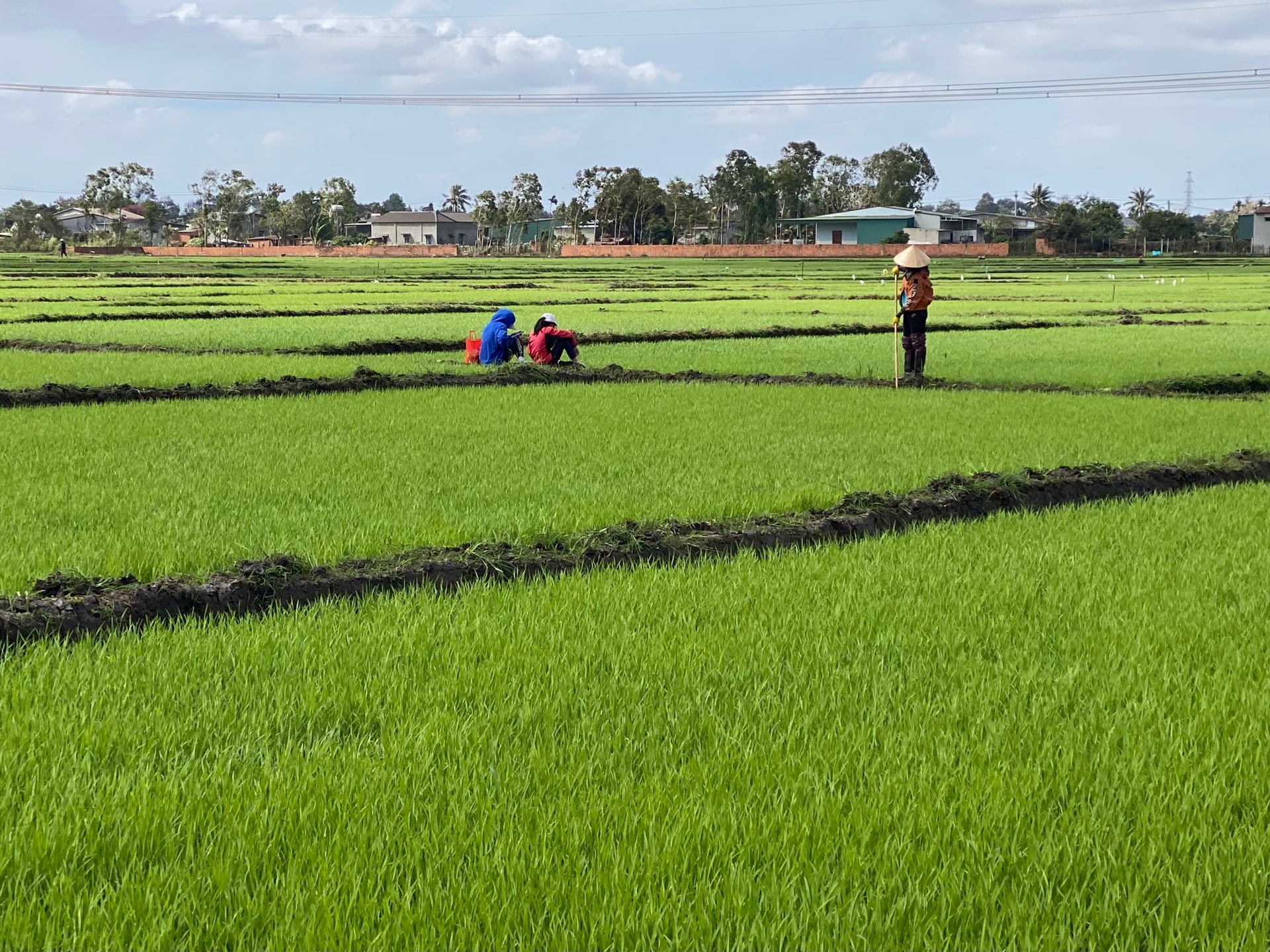
A promising start to the season.
Immediately after the 2026 Lunar New Year holiday, farmers in localities throughout the province were busy in the fields tending to their crops, planting new seeds, and harvesting pepper and fruit trees. The atmosphere was one of urgency and enthusiasm as the people believed in a prosperous year of production.
Like many families, Mr. Kống Diến Huấn in Lạc Thiện 1 village, D'ran commune, chose the 4th day of the Lunar New Year to go out for good luck. Visiting the fields on the first day of the year is a way to pray for a smooth year ahead, good fortune, and many blessings. Mr. Huấn said: “This year, we divided the planting season into several phases. For chrysanthemums, I planted them in three phases to sell during Tet, the full moon, and after the full moon of the first lunar month.”
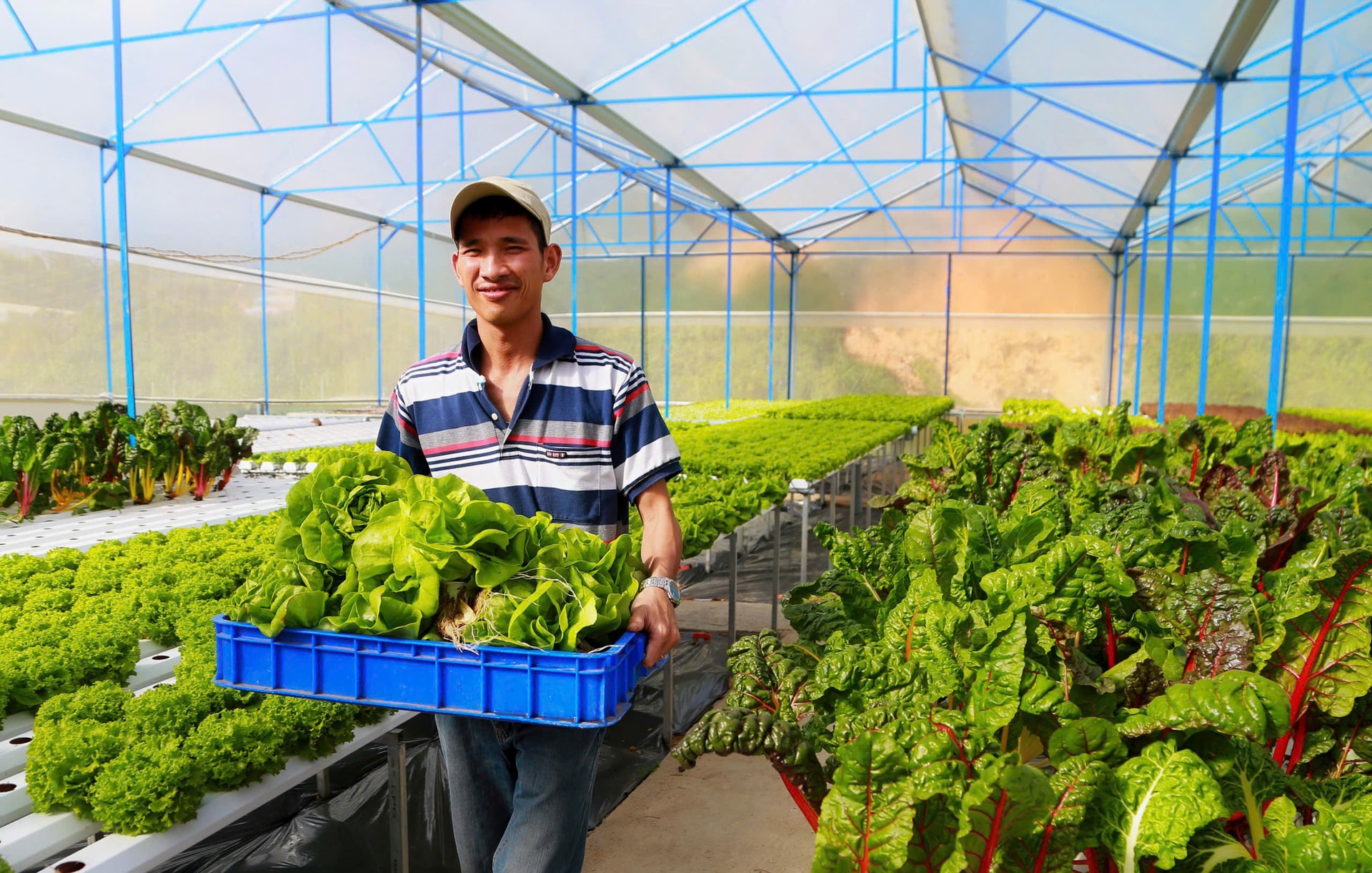
After the three days of Tet (Lunar New Year), in the vegetable and flower gardens of D'ran commune, people are simultaneously heading to the fields. Besides the small plots that sell to local markets, in large farms and gardens, workers are busily harvesting vegetables and flowers for export throughout the country.
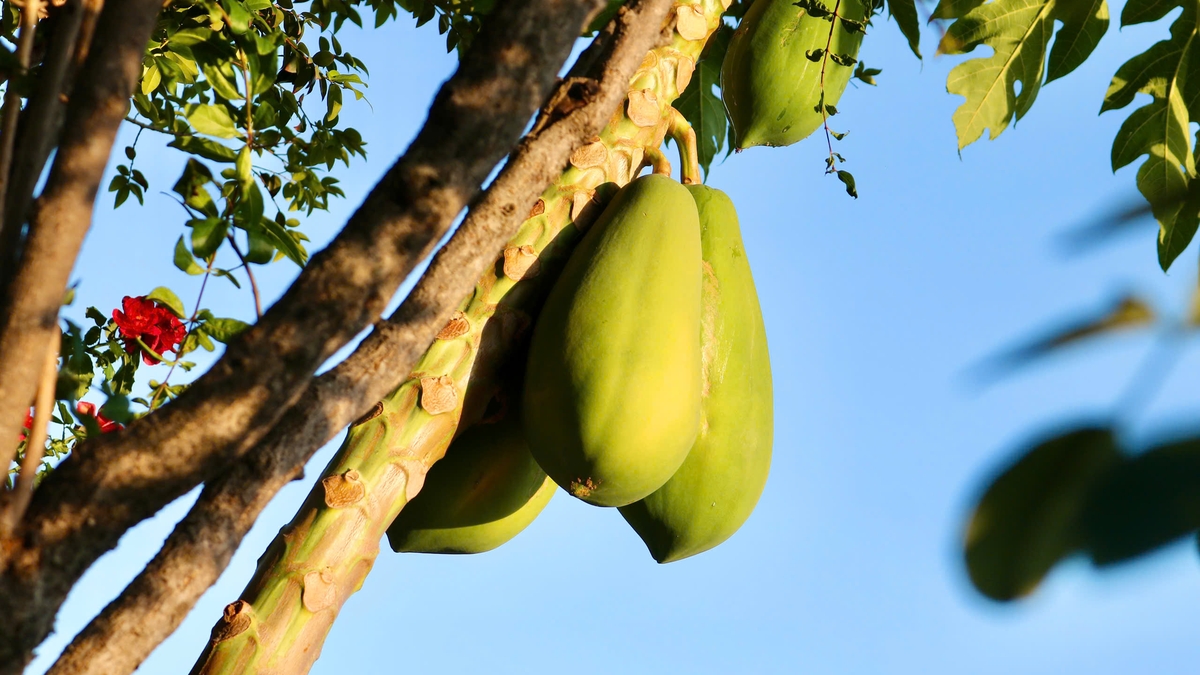
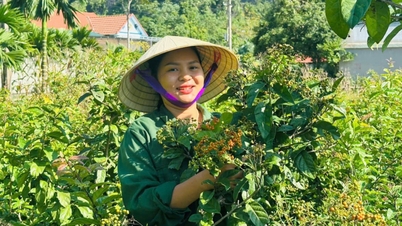
In Nam Da commune, the family of Mr. Tran Van An in Dak Thanh village has been busy harvesting pepper after the Lunar New Year. Mr. An shared: “Every year on the 4th day of the Lunar New Year, I go to check on the fields. This is the first thing a farmer does on the first day of the year. It's simply to mark the beginning of the year and to check how the crops are growing after the holiday.” According to Mr. An, after the 4th day of the Lunar New Year, his family quickly went to the fields because after the cold spell, the warm weather returned, causing the peppers to ripen very quickly. Harvesting must be done promptly to avoid the peppers falling and causing losses. “This year, the weather is favorable, and the pepper yield is high. Moreover, at the beginning of the season, the price of pepper is quite high, so we are very happy because the income from the pepper garden is not inferior to previous years,” Mr. An said.
Ms. Le Thi Thanh's family in Ninh Giang village, Nam Da commune, also chose a day to start working in the fields at the beginning of the year. This winter-spring season, her family sowed over 4 hectares of rice using the ST25 variety and produced it according to VietGAP standards. Currently, the rice fields are in the tillering stage. Therefore, after inspecting the rice fields, Ms. Thanh began planning for fertilization, disease prevention, and hiring laborers for weeding. Most of the work had to be done urgently right after the holidays. "At this stage, the rice is tillering, so I pay close attention to care, pest and disease control, and ensuring the timing is right for each growth stage to achieve the highest possible yield," Ms. Thanh shared.
According to the 2026 plan, the total cultivated area in Nam Da commune is expected to reach 10,641 hectares. To date, the locality has implemented over 5,610 hectares, achieving over 52% of the plan. Of this, perennial crops continue to play a leading role with 4,561 hectares, reaching 100% of the plan, mainly focusing on coffee, cashew nuts, pepper, and fruit trees. These are crops that provide stable economic value and contribute to increasing the income of the people.
According to Mr. Ngo Xuan Dong, Chairman of the People's Committee of Nam Da commune, the planted area for annual crops reached over 1,049 hectares. The winter-spring rice crop alone has been completed on the entire planned area, ensuring food security and stable production. Other crops such as beans, vegetables, and medicinal plants are also being maintained, contributing to diversifying the production structure and effectively utilizing agricultural land.
Towards a year of sustainable agricultural growth.
Along with the bustling atmosphere of the start of the year, many high-tech agricultural production areas are also strongly kicking off. Greenhouses and net houses for growing vegetables and flowers are operating busily, with farmers focusing on caring for their crops according to modern technical procedures.
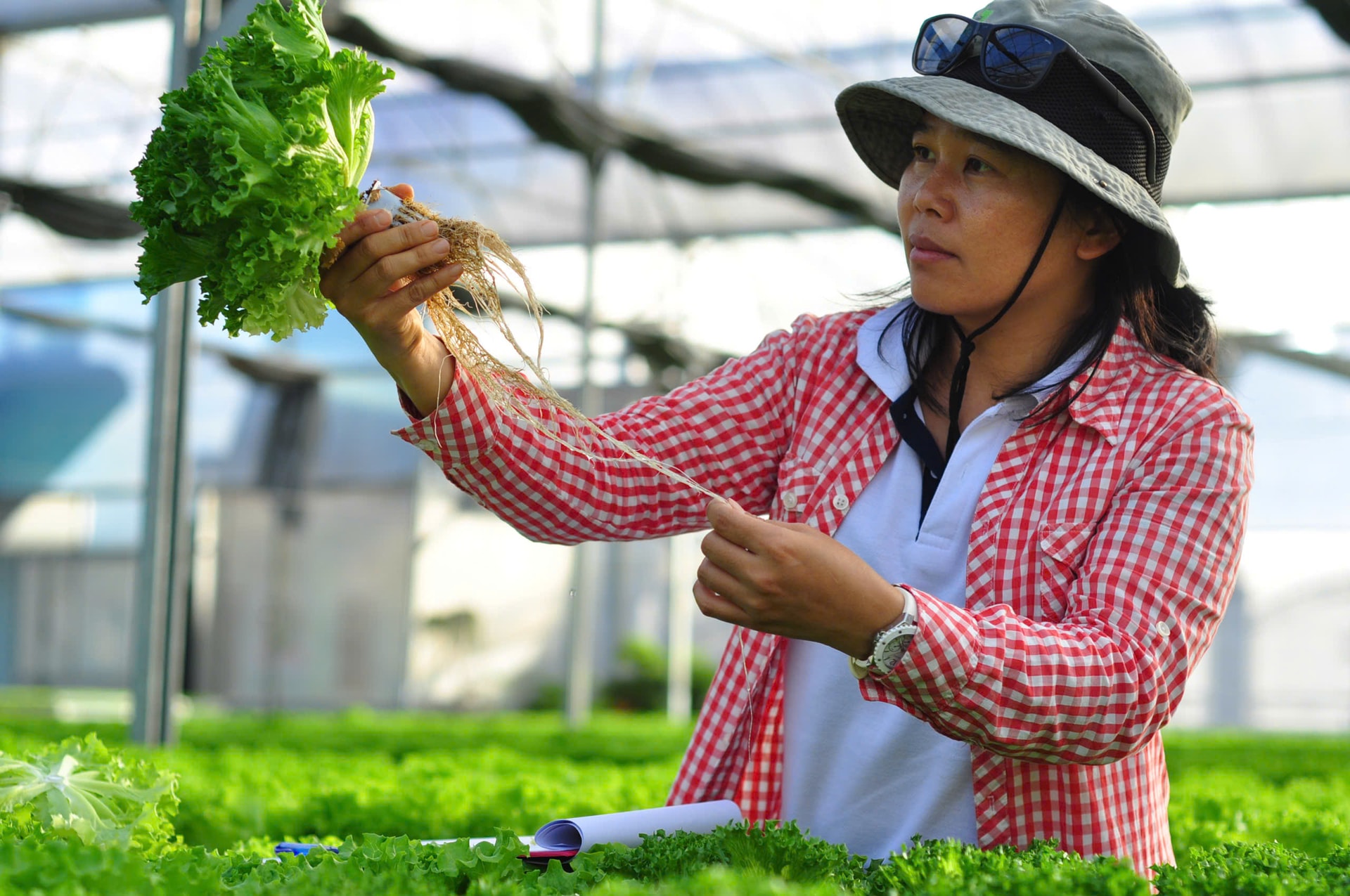
Entering 2026, Lam Dong province will continue to restructure its agricultural sector, linking it with innovation in growth models and developing highly efficient agriculture based on science and technology, innovation, and digital transformation. The province will focus on developing key products such as vegetables, flowers, coffee, pepper, and fruit trees in large-scale specialized farming areas, adapting to climate change, and increasing mechanization and automation in production.
The goal is to maintain an agricultural growth rate of approximately 5.68% per year, increasing the average production value to over 250 million VND/hectare/year. Simultaneously, the province is promoting green agriculture, reducing carbon emissions, and efficiently utilizing resources, aiming to become a center for organic and high-tech agricultural production for the whole country and the Southeast Asian region.
Besides developing production, building agricultural product brands continues to be emphasized, especially the brand "Da Lat - A miraculous essence from fertile land," associated with the development of OCOP products and the application of digital technology in product traceability and consumption.
According to Mr. Phan Nguyen Hoang Tan, Director of the Department of Agriculture and Environment, the province focuses on investing in infrastructure systems serving agricultural production such as irrigation, water reservoirs, and agricultural product logistics, striving to have over 75% of agricultural land under active irrigation, creating a solid foundation for sustainable growth in the coming period.
The bustling atmosphere in the fields at the beginning of the year not only marks the start of a new planting season but also reflects the determination of the people to work together with the local authorities towards the goal of efficient agricultural development and sustainable growth.
The total cultivated area in the province is estimated at over 1 million hectares, of which annual crops account for approximately 408,000 hectares and perennial crops nearly 639,000 hectares. Local authorities are proactively transforming the crop structure towards efficiency and market suitability.
Source: https://baolamdong.vn/nong-dan-ron-rang-ra-dong-dau-nam-426663.html














































































Comment (0)