

Conduct thorough factual research before issuing a resolution.
According to the plan, this May, the Minh Hop Commune Party Committee will issue two resolutions on "Building models for planting fruit trees and long-term industrial crops in Minh Hop commune in the period 2026-2030" and "Improving the productivity and quality of sugarcane in Minh Hop commune in the period 2025-2030".
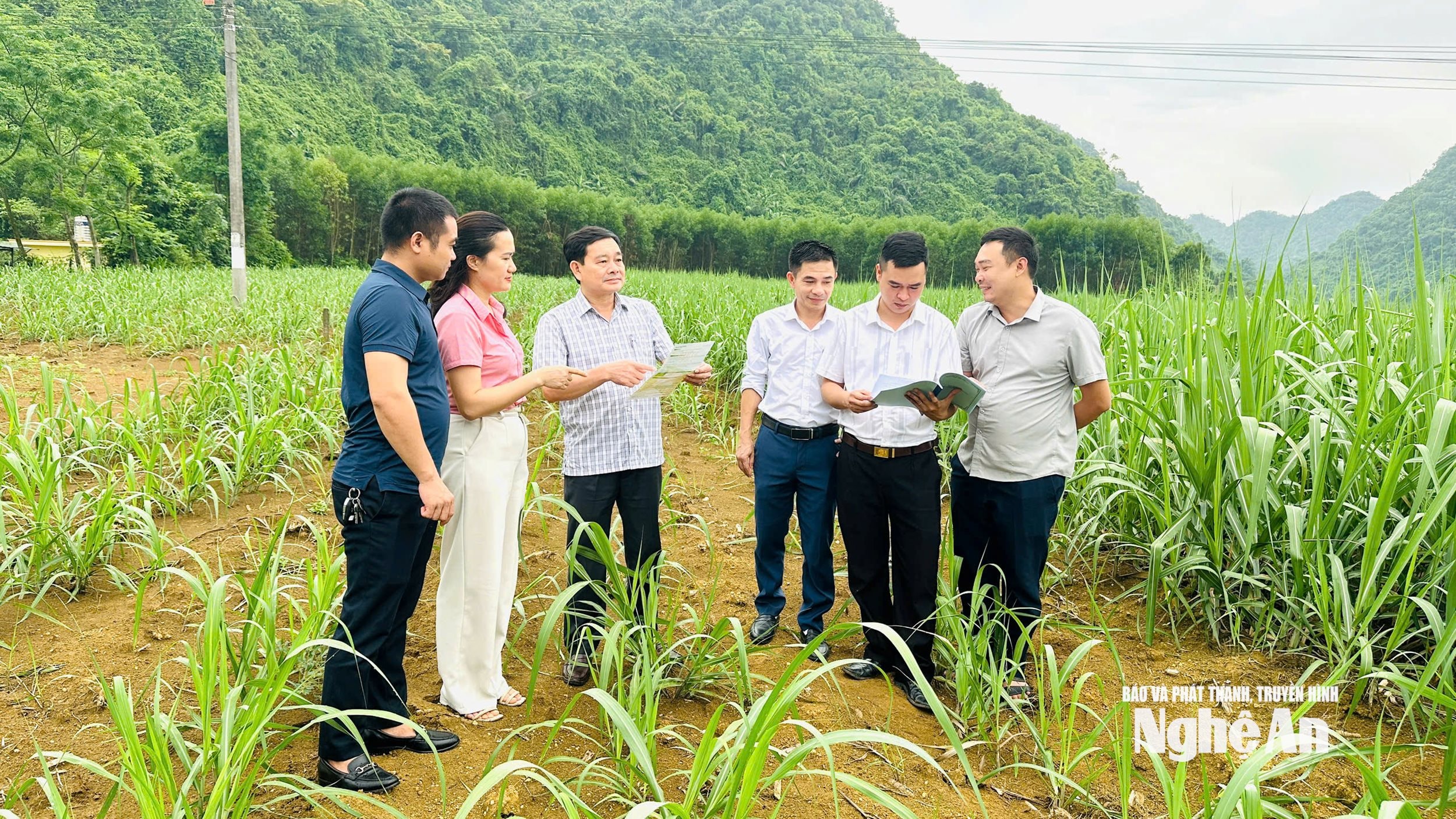
Comrade Truong Thiet Hung, Secretary of the Commune Party Committee, stated that these two resolutions are very important in unlocking comprehensive resources, increasing the efficiency of economic development, and raising the income of people in the commune. Given their importance, before issuing the two resolutions, the Commune Party Committee, People's Committee, and relevant departments organized working groups to conduct thorough surveys of each area, accurately assessing the potential, advantages, and bottlenecks that need to be addressed in each specific area (Minh Hop commune was formed by merging three communes: Minh Hop, Van Loi, and Ha Son of the former Quy Hop district).
Based on that, the draft resolution proposes specific solutions for rapid implementation in practice with roadmaps set for each year. Along with finalizing the draft resolution, the Party Committee of the commune also requested the People's Committee of the commune to develop a draft implementation plan, so that immediately after the resolution is issued, the government can issue the plan and begin organizing its implementation.
With the draft Resolution on "Building models for growing fruit trees and long-term industrial crops in Minh Hop commune in the period 2026-2030," after reviewing agricultural land resources and microclimates, the commune Party Committee proposed 7 groups of solutions for implementation, including: Planning and organizing production space; propaganda, mobilization and changing production mindset; application of science and technology; capital sources; human resources and support policies; processing and enhancing product value; and linking production and product consumption.
Following this direction, more than 4,000 hectares of land used for annual crops and some low-yield rubber plantations will be converted to higher-value crops. Minh Hop commune aims to restore and develop traditional fruit-growing areas, especially oranges, and to develop additional key crops such as guava, apple, sapodilla, custard apple, pineapple, and coffee, while building local agricultural product brands.
One of the requirements is to reorganize production towards value chain linkages, develop cooperatives, attract businesses to invest and consume products. Effectively exploit the potential of land and climate, form concentrated fruit-growing areas and high-quality agricultural models. All of this aims to increase income, improve people's lives, and promote sustainable agricultural economic development in the area.
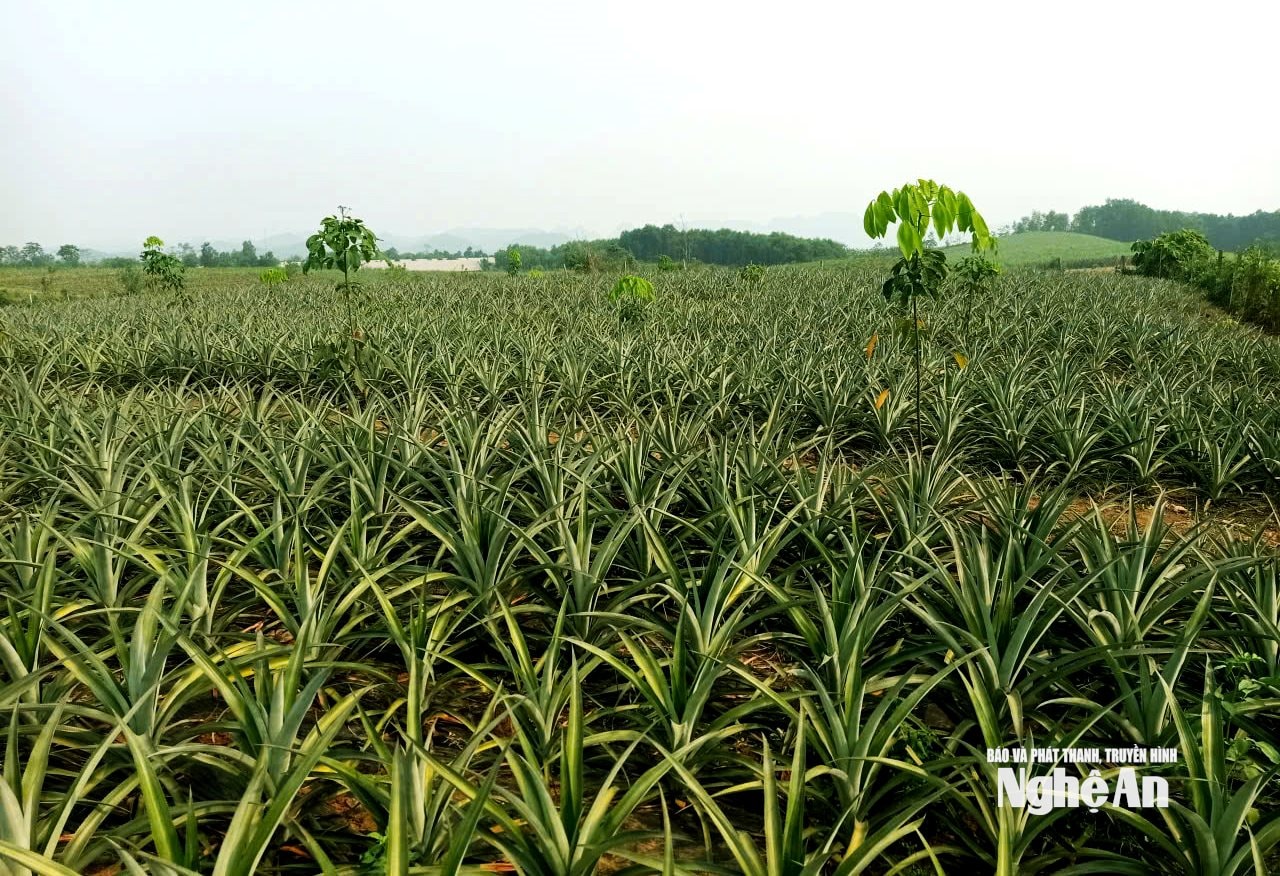
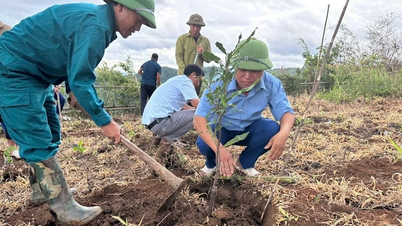
Among the main crops, Minh Hop commune plans to make pineapple cultivation a key focus, with a potential area of over 1,000 hectares, and 40 hectares planted in 2026 alone. Before drafting the resolution, the Party Committee and People's Committee of Minh Hop commune contacted partners and businesses to conduct field surveys and meet with the people to agree on allocating land for implementation. As a result, before the resolution was issued, more than 100 households had registered to participate in pineapple cultivation. In particular, Mr. Truong Van Thuyet's family in Con To hamlet registered and committed to converting 2.5 hectares of land currently used for acacia and other less efficient crops to pineapple cultivation.
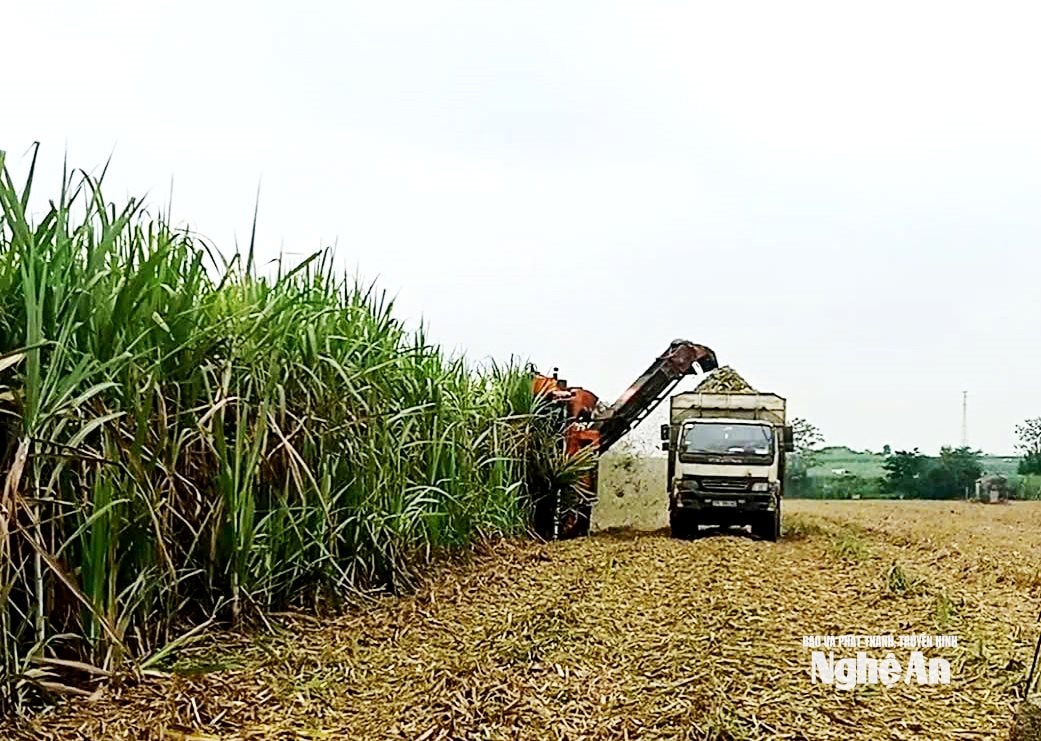
Regarding sugarcane cultivation, Minh Hop commune currently has 4,250 hectares, with an annual production of over 200,000 tons, supplying the Nghe An Sugar Company (NASU) and several affiliated businesses. Surveys show that many sugarcane fields have low yields, and many households are hesitant to switch to new varieties and apply new techniques in production. Therefore, the commune Party Committee has issued a separate resolution to effectively exploit the potential and advantages of land and production experience; simultaneously, reorganizing production towards concentration, improving productivity, quality, and economic efficiency of sugarcane, increasing people's income, and promoting socio-economic development of the commune in the coming years. Based on this, Minh Hop commune is working alongside its people to strive to introduce new, disease-free, high-yield, and high-quality sugarcane varieties to 100% of the cultivated area; and applying mechanization to 70-80% of production stages. Enhance the utilization of sugarcane by-products (sugarcane leaves, sugarcane tops, sludge) for livestock farming and organic fertilizer production to reduce production costs.
After one year of operating the two-tiered local government system, the requirement for communes and wards is to review all areas within their jurisdiction. From there, they must conduct surveys and assessments to accurately reflect the reality and develop solutions for future development, specifically to achieve the goals of the 14th National Party Congress Resolution, the Provincial Party Congress, and the Party Congresses at the commune and ward levels for the 2025-2030 term.
The Resolution of the 2nd Plenum of the 14th Central Committee directs all levels to focus on shifting from the role of direct management and investment to designing and creating a favorable environment, mobilizing all social resources for development goals.
Building from the needs of the people.
After nearly a year of operation, despite many challenges remaining, the two-tiered local government model has effectively met the requirements of serving the people and businesses. This is most evident in the numerous solutions implemented by all levels, shifting strongly from management to service, actively removing institutional barriers, promoting innovation and digital transformation, and working alongside the people and businesses in all areas.
In comparison with the tasks of the commune level, Comrade Ho Van Thanh - Deputy Secretary of the Party Committee and Chairman of the People's Committee of Quynh Phu commune - affirmed: The responsibilities placed on the commune-level government are very specific; the main issue is that the Party committee and government need to increase their responsibility in resolving legitimate issues that the people need. The role of the grassroots government in supporting and creating is, first and foremost, to serve well and find practical solutions to work with the people to promote socio-economic development towards the goal of improving living standards and building a democratic, just, and civilized society. Therefore, even small actions that bring practical benefits to the people and are recognized by the people are considered effective support and creation.
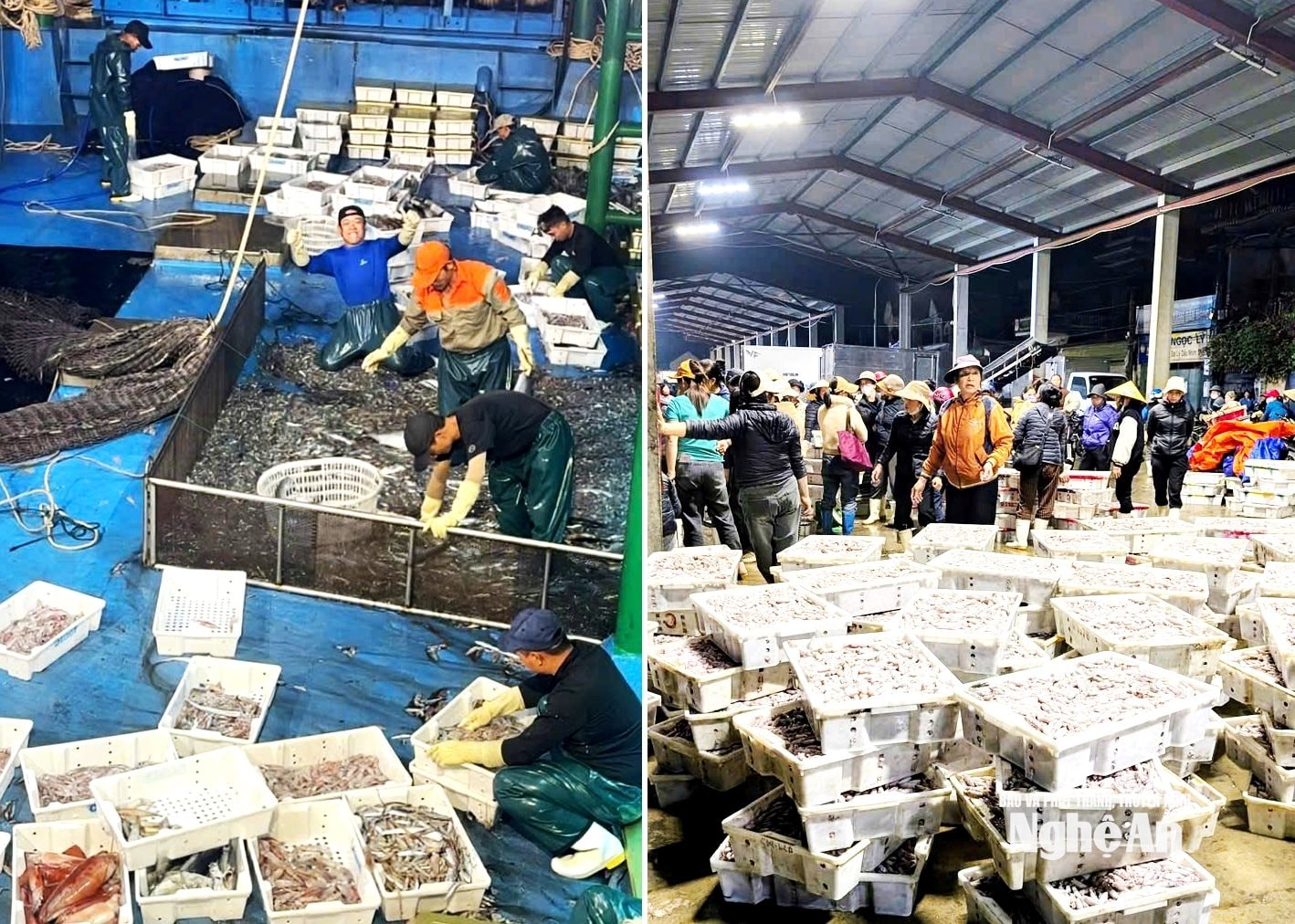
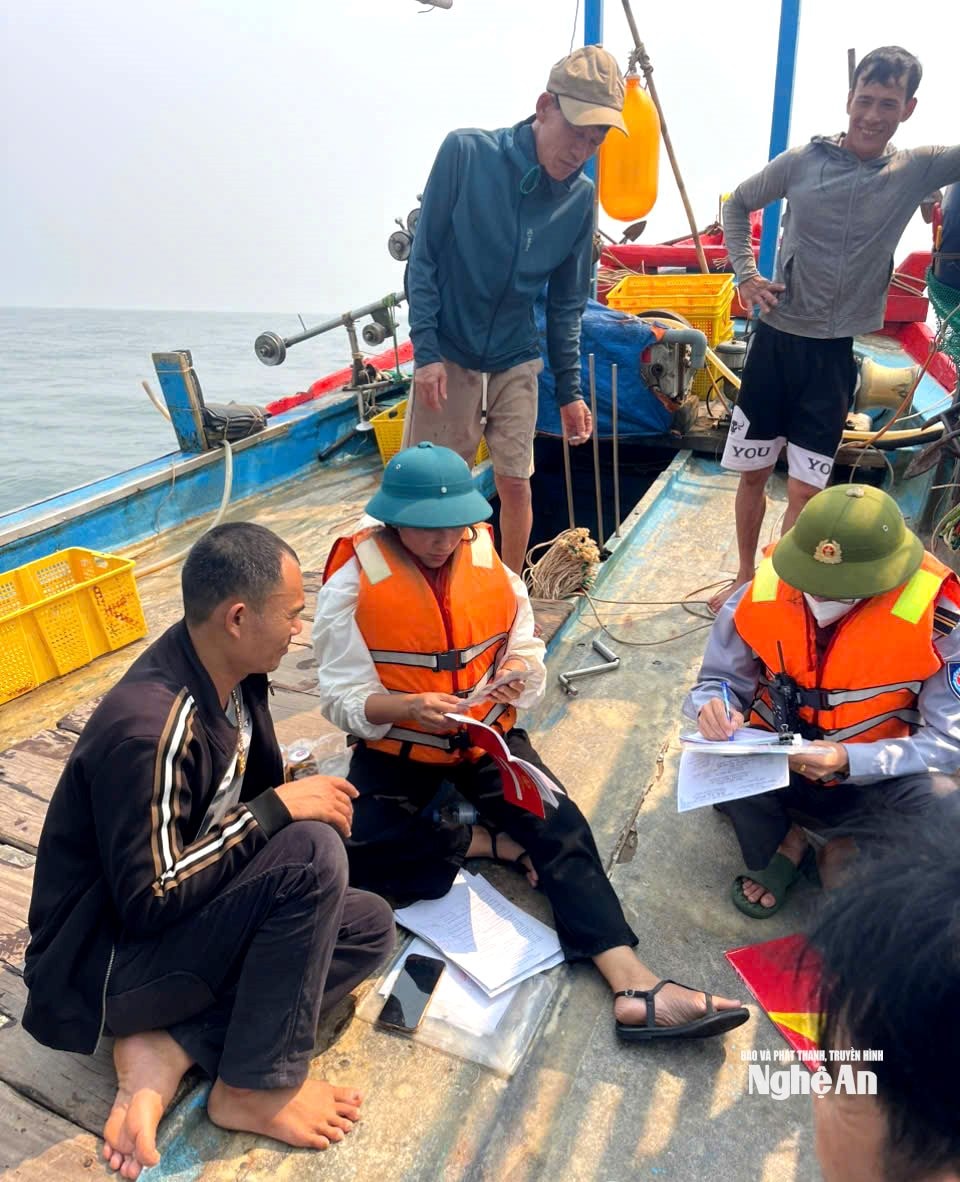
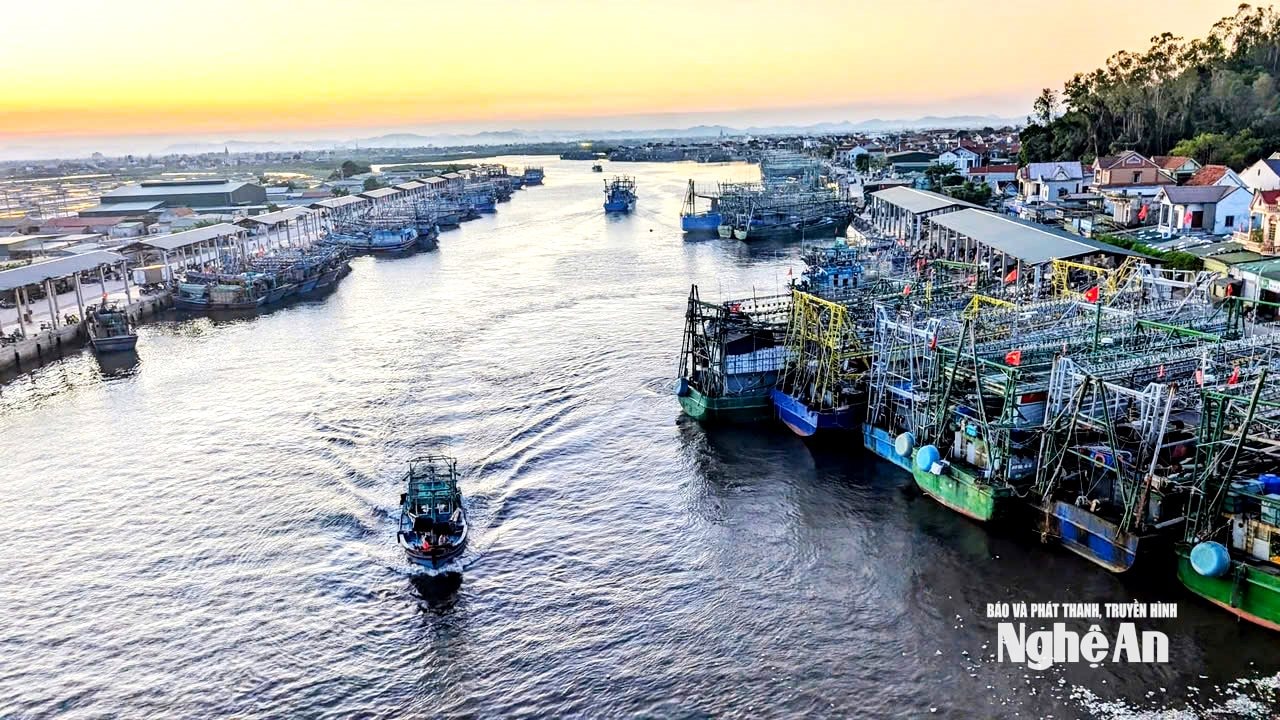
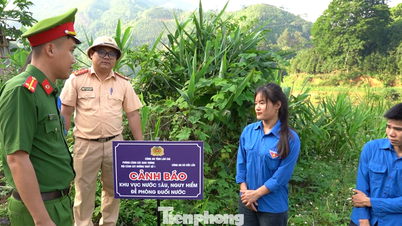
Specifically, in many areas, Quynh Phu commune strives to clearly define the responsibilities of officials and address core issues at their root. The most typical example is the coordinated and decisive implementation of solutions and tasks in the fight against illegal, unreported, and unregulated (IUU) fishing.
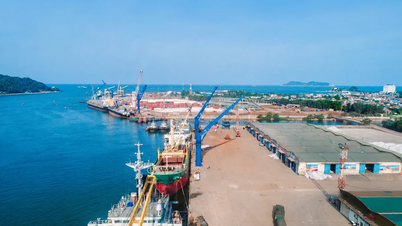
Currently, there are 847 boats and ships in the commune, of which 359 are over 15 meters in length, and 100% of these vessels are equipped with vessel tracking systems. Maintaining connectivity during the operation of boats and ships is well-maintained. The verification of entry and exit points between the port and control stations is carried out thoroughly.
.jpg)
Quynh Phu commune is considered one of the localities in Nghe An province that has effectively implemented solutions to remove the "yellow card" related to IUU (Illegal, Unreported, and Unregulated) fishing. This result is due to the great efforts of the Party committee, the government, mass organizations, and fishermen in the commune.
Ms. Nguyen Thi Lien, a specialist in charge of fisheries at the Economic Department of Quynh Phu commune, shared: "During the implementation of solutions, the commune intensified propaganda to ensure fishermen understood and complied. Specifically regarding the installation and use of the electronic traceability software for harvested seafood (eCDT), we worked even on Saturdays and Sundays, going down to the boats to provide specific guidance to fishermen. This means that whenever fishermen needed support related to removing the IUU yellow card, we were there to help them."
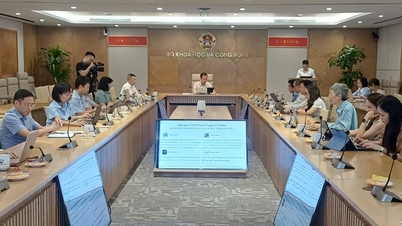
During working sessions with 19 communes and wards in the northern part of the province in early May 2026, the Standing Deputy Secretary of the Provincial Party Committee, Hoang Nghia Hieu, requested that localities focus on the comprehensive and effective implementation of the Resolution of the 14th National Party Congress, the 9 strategic resolutions of the Politburo, the Resolution of the 2nd Central Committee Meeting (14th term), and the Resolutions of Party Congresses at all levels, along with 10 Directives of the Provincial Party Standing Committee, especially those on socio-economic development, land clearance, administrative reform, and handling of outstanding projects. At the same time, he emphasized the importance of building a clean and strong Party and political system, enhancing the leadership role of Party committees, the management role of the government, and the involvement of the Fatherland Front and other political and social organizations.
The spirit of Resolution No. 2 of the 14th Central Committee Conference, which is being strongly implemented from the Government to all levels and sectors, is to operate the apparatus in a way that clearly defines responsibilities, responds more quickly, is closer to practical needs, and creates and serves the people better and better.
General Secretary and President To Lam emphasized at the Conference on the Implementation of Resolution No. 2 of the Central Committee: “We must create a development environment so that millions of people see real opportunities, so that each household and each business has favorable conditions to invest, expand production and business legitimately, and remain committed to the economy in the long term. At the same time, we must ensure that businesses see a stable and transparent institutional framework, reasonable compliance costs, synchronized infrastructure, and wide-open market access, thereby creating strong internal momentum, promoting innovation, entrepreneurship, and sustainable development…”. These requirements are reflected in the tasks of each cadre, Party member, and each level and sector with the spirit of "6 clear points": Clear person, clear task, clear time, clear responsibility, clear authority, and clear results.
Source: https://baonghean.vn/bam-sat-thuc-tien-kien-tao-nhung-van-de-nhan-dan-can-10337998.html



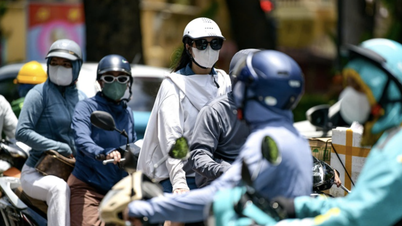
![[Image] Hanoi's urban life under the challenge of a "scorching hot" environment](https://vphoto.vietnam.vn/thumb/1200x675/vietnam/resource/IMAGE/2026/05/25/1779706979265_nang-nong-t5-2026-minh-duy-7-4636-jpg.webp)
![[Image] Close-up view of the interchange connecting the two expressways and Long Thanh Airport.](https://vphoto.vietnam.vn/thumb/1200x675/vietnam/resource/IMAGE/2026/05/25/1779703378210_ndo_br_z7863716673926-224453a31600126cce10622af6290afd-4549-jpg.webp)










































































Comment (0)