

Common mistakes
Fever is a natural mechanism that helps the body raise its temperature, creating an optimal environment for the immune system to attack viral agents. The moment a fever develops, the virus is already beginning to spread.
Immediately lowering a fever is like lowering the body's defenses, creating conditions for the virus to attack more widely. Therefore, when you have a cold or flu, regardless of the cause, avoid taking fever-reducing medication immediately. Fever-reducing medication is only effective when you have a persistent or very high fever.
Antibiotics are medications prescribed to treat pain caused by bacteria. Influenza viruses are different from bacteria; they lack the complete structure of a living cell and their mechanisms of disease are entirely different.
Some people don't understand this and have a habit of taking antibiotics indiscriminately when they have the flu. Antibiotics put extra strain on the body, destroy the gut microbiome, and worsen flu symptoms.
Many people think that when they are in pain, toxins accumulate in the body and rush to apply detoxification methods. However, prioritizing the immune system is crucial at this time. Applying detoxification methods forces the body to divert energy to process other factors, reducing the effectiveness of the immune system.
Detox often involves restricting food intake or eating very specific foods. When infected, the body needs sufficient nutrients (vitamins, minerals, protein, etc.) to aid recovery and support the immune system. Implementing a detox program can lead to nutritional deficiencies, reducing the body's ability to fight off illness.
Nutrition that boosts the immune system.
Influenza is generally caused by environmental factors, but its spread and treatment can be effectively managed through lifestyle changes, including diet, exercise, and rest.
Whole foods are naturally rich in nutrients such as protein, carbohydrates, fats, vitamins, and minerals, helping the body maintain health and heal illnesses, providing the body with adequate nutrition. These foods contain many anti-inflammatory, antibacterial, and antioxidant substances, helping the body protect us from disease.
Antioxidants in food help support the treatment of the flu because they have the ability to protect cells from damage caused by free radicals.
Influenza is a viral infection, and when the body is infected with a virus, the immune system reacts to destroy the virus, producing free radicals in the process. Free radicals can damage cells, weaken the immune system, and prolong recovery time.
Antioxidants such as vitamin C, vitamin E, beta-carotene (a precursor of vitamin A), flavonoids, and anthocyanins neutralize free radicals, helping to protect cells and reduce inflammation.
When the body has sufficient antioxidants, the immune system functions more effectively, helping to quickly eliminate the flu virus and reduce the risk of complications.
Certain foods rich in antioxidants, such as fruits (oranges, strawberries, blueberries), green vegetables (broccoli, kale), and nuts (almonds, sunflower seeds), can help the body fight the flu by improving overall health and boosting the immune system.
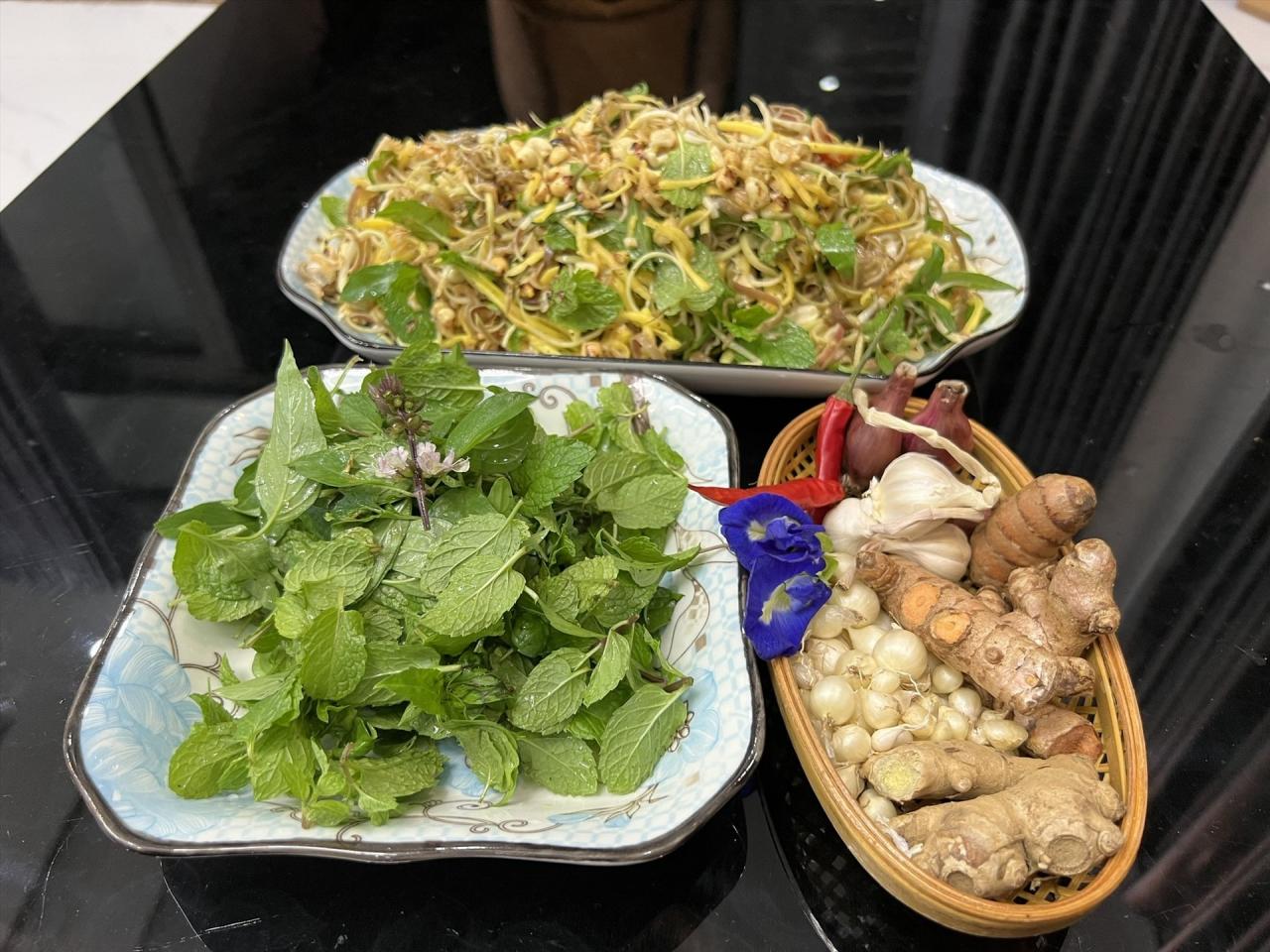
Natural spices such as ginger, molasses, lemongrass, perilla, celery, cinnamon, turmeric, and lemon treat the flu naturally without side effects, as they are mild and compatible with the body, supporting and regulating the immune system.
In addition, special attention should be paid to vitamin D, which plays a role in regulating the immune system and helping it function effectively. Vitamin D is obtained through sun exposure and by consuming certain foods such as free-range chicken eggs and seafood.
By understanding the nutritional components of food, we can use them to support the body in preventing and treating the flu naturally and effectively.
Source: https://baoquangnam.vn/an-gi-phong-ngua-cam-cum-3149020.html


![[Photo] Prime Minister Pham Minh Chinh receives the Chinese Ambassador to Vietnam](https://vphoto.vietnam.vn/thumb/1200x675/vietnam/resource/IMAGE/2026/04/05/1775397481797_ndo_br_dsc-5512-jpg.webp)













































































Comment (0)