Iconic architecture and a bridge connecting the past and the future.
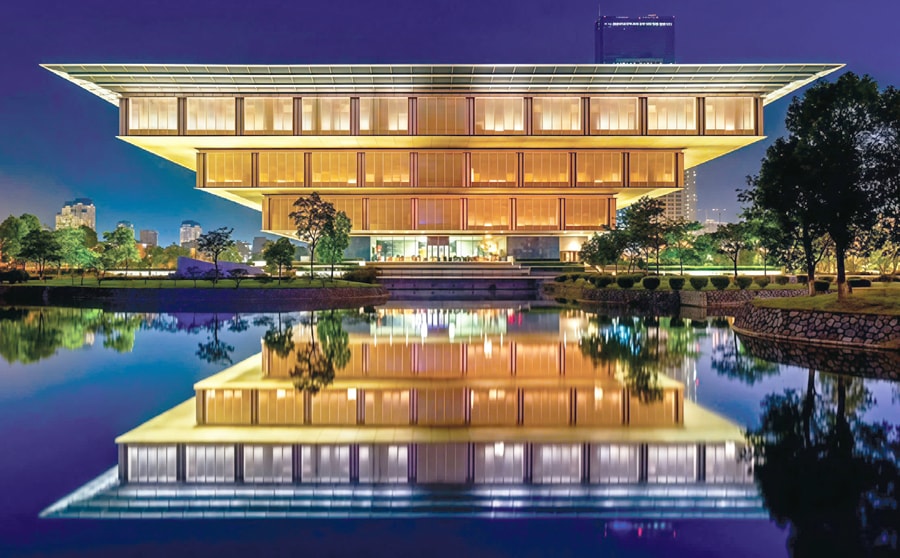
From the very first glance, the Hanoi Museum asserts its position as a key cultural landmark with its "inverted pyramid" architecture. The upward-reaching structure not only creates a powerful visual effect but also embodies a profound philosophy of development: using historical foundations as a springboard for aspirations towards the future.
With its sophisticated spiral pathway, the museum guides visitors back in time, from the glorious Hanoi of today to the early traces of the Red River civilization. Each step on that slope is not just a geographical journey, but a quest to rediscover the roots of the nation.
Mr. Nguyen Tien Da, Director of the Hanoi Museum, said: The museum currently houses more than 73,000 documents and artifacts of various types and materials. These are valuable cultural heritages, representing the potential and internal strength for the museum to organize exhibitions and introduce the thousand-year history of Thang Long - Hanoi - the capital of culture; a place where cultural values converge, crystallize, and shine.
Visiting places that preserve the memories of Hanoi, locals and tourists will have the opportunity to see firsthand artifacts and images characteristic of this thousand-year-old land of culture, in a space steeped in history and the colors of time. Visitors will feel as if they are stepping back in time, touching the Hanoi of yesteryear.
In particular, visitors to the Museum can easily explore the history of Hanoi's formation and development through different periods via 7 permanent exhibition themes such as: Nature; Journey to Thang Long; Thang Long, 11th-18th centuries; Hanoi, 19th-20th centuries; Resistance against French invasion 1873-1954/ Resistance against the US 1964-1975; Building Socialism; Hanoi towards the future.
A historical site for traditional education and patriotism.


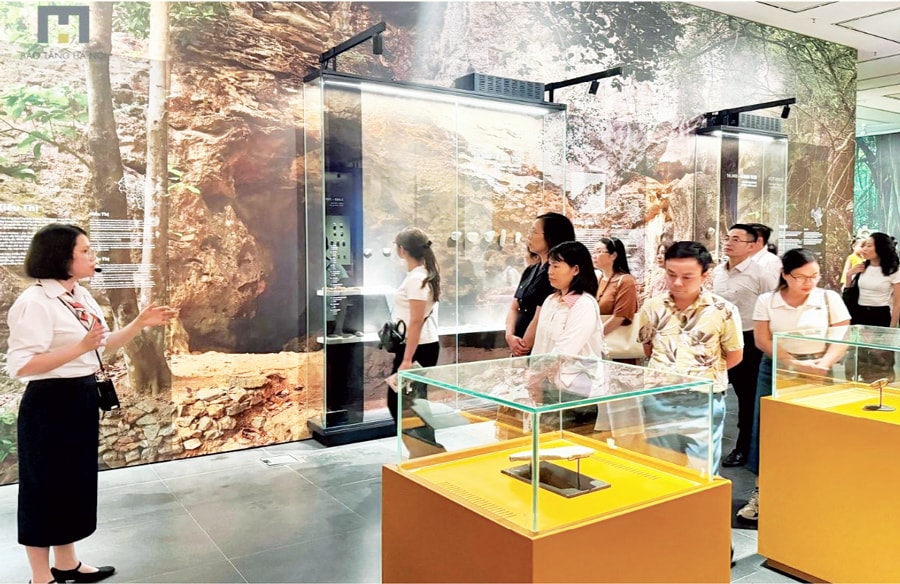
Transcending the concept of a traditional museum, the Hanoi Museum has been undergoing a dramatic transformation to become a true "Creative Space." Instead of static display cases, the museum utilizes modern technology to recreate history in a visual and vibrant way.
Through the skillful arrangement of experts, stories about the formation of Thang Long capital, the heroic resistance wars against foreign invaders, and the rhythm of life in the 36 ancient streets are recreated through sound, light, and 3D graphics.
Viewers not only "see" the artifacts but also "live" within the historical context. The drums of the Ngoc Hoi - Dong Da battles, the bustling sounds of ancient markets, or the solemnity of scholars at the Temple of Literature... all are seamlessly connected, transforming dry history into captivating cinematic scenes. This innovative approach has created an engaging experience, attracting a wide audience, especially young people.
In the era of integration, defining national identity and educating the younger generation about traditions has become a crucial task. The Hanoi Museum serves as a "second classroom," a significant location for fostering patriotism in the most natural and profound way.
“Witnessing the students enthusiastically learning about the 60-day and 60-night battle to defend the capital in 1946, or admiring the simple relics of the resistance fighters from our predecessors, we truly understand the value of these visual lessons. Patriotism is not an abstract concept; it is present through the sacrifices of previous generations to preserve every inch of the capital city. Holding their citizen identification cards in their hands, standing amidst the heroic atmosphere of the museum, each young person will become aware of their responsibility in continuing the tradition and contributing to building a civilized and modern Hanoi,” emphasized Nguyen Tien Da, Director of the Hanoi Museum.
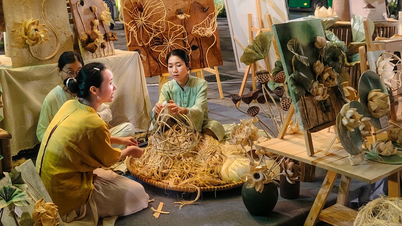
Today, the Hanoi Museum is striving to diversify its activities, from thematic exhibitions and contemporary art exhibitions to spaces for experiencing traditional crafts. Creating a connection between historical artifacts and contemporary values helps the museum maintain its appeal, becoming a safe, friendly, and knowledge-rich destination for both domestic and international visitors.
With the unwavering creativity of the museum staff, this place will forever remain the "heart of heritage," continuing to spread national pride and ignite aspirations for a strong and prosperous Hanoi, worthy of being a land of conscience and human dignity.



Construction of the Hanoi Museum began on May 19, 2008, and was completed and opened to visitors on October 6, 2010, to commemorate the 1000th anniversary of Thang Long - Hanoi. In 2016, the Hanoi Museum was selected by Business Insider magazine (USA) as one of the 36 most beautiful museums in the world.
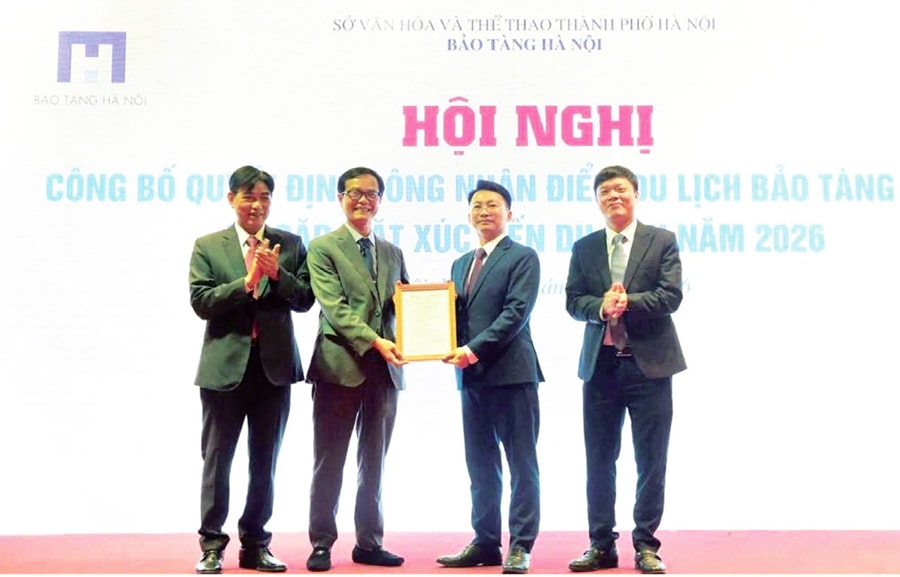
On March 30, 2026, the Hanoi People's Committee issued Decision No. 1423/QD-UBND recognizing the Hanoi Museum as a tourist destination of the capital city. This can be considered a very important milestone in the careers of generations working in Hanoi's museums in particular and in the heritage work of the capital city in general.
Source: https://hanoimoi.vn/bao-tang-ha-noi-thang-long-ha-noi-duoc-ke-bang-ngon-ngu-lich-su-giau-cam-xuc-748142.html

![[Photo] "Hanoi Lotus Festival" honors the lotus flower that has been associated with Vietnam for thousands of years.](https://vphoto.vietnam.vn/thumb/1200x675/vietnam/resource/IMAGE/2026/06/27/1782516943048_sen-ha-noi-2026-minh-duy-1-jpg.webp)