

Enhance new experiences.
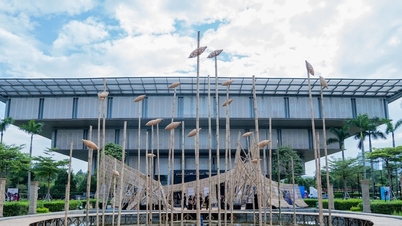
At the Hanoi Museum, which houses over 73,000 documents and artifacts of various types and materials, the cultural values of Thang Long - Hanoi are not only introduced but also "retold" in a more intimate and vivid way. The development of creative spaces within the museum has opened up new approaches, making heritage more vibrant and accessible to the public.
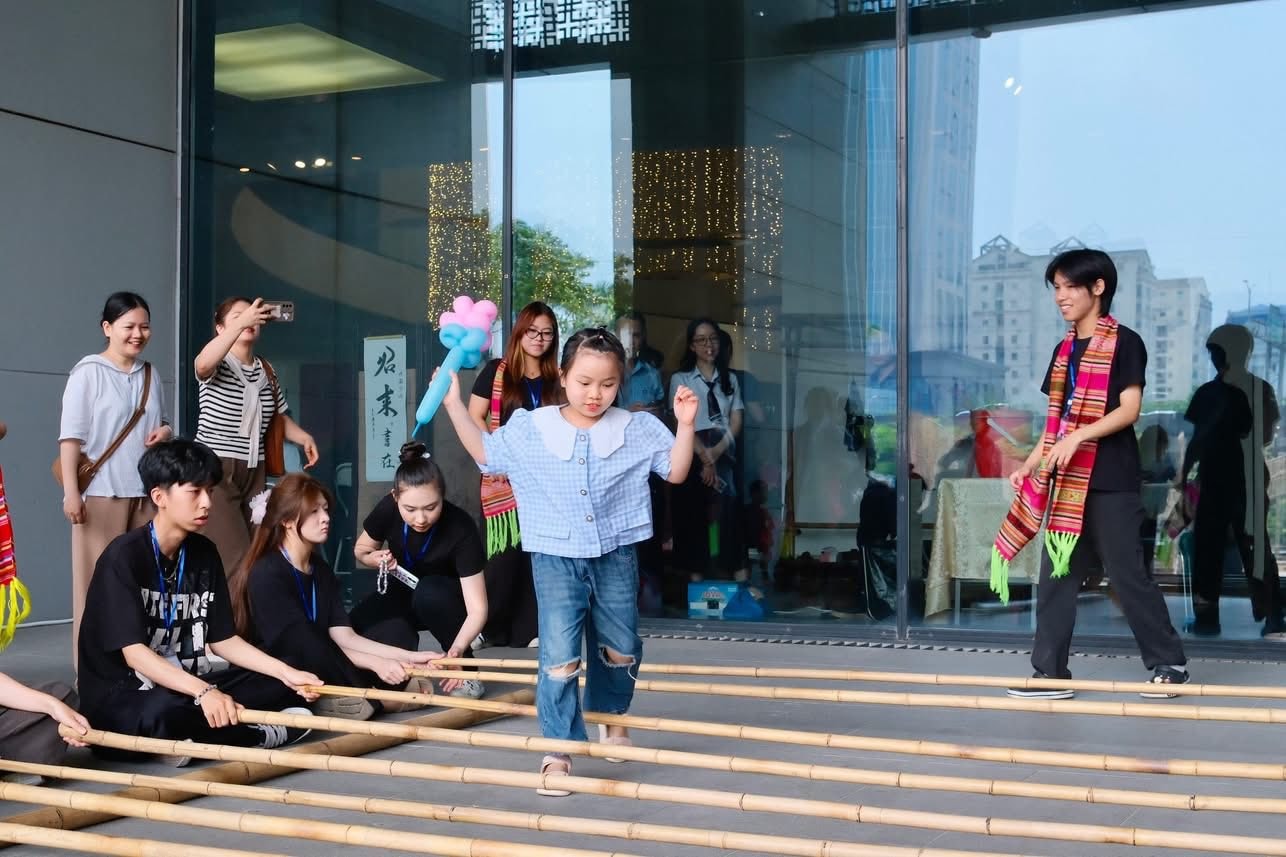
In May alone, a series of cultural and artistic activities took place, such as the interactive exhibition "Stories of Peacetime," the workshop "Kim Hoang Painting," the mother-of-pearl inlay art experience "Water Colors of Van Trai," the Xoan singing art space "Sounds of the Ancestral Land," and the "Joyful Xoe Dance" event. These programs not only offered new experiences but also allowed participants to "touch" the heritage with multiple senses.
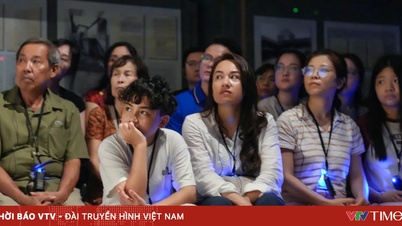
Nguyen Ngoc Han (a 6th-grade student from Hanoi) shared: “I really enjoy going to the Hanoi Museum because there are often many interesting activities on weekends. I was especially impressed when watching the program “Stairway to History” because it was both entertaining and taught history in an easy-to-understand way.”
Not only students, but many parents also appreciate this model. Mr. Nguyen Van Trung (Dong Ngac ward, Hanoi) said: “The experiential activities help my child reduce the time spent on phones, replacing it with beneficial experiences, learning while playing. If museums maintain more programs like this, they will certainly attract many families to participate.”
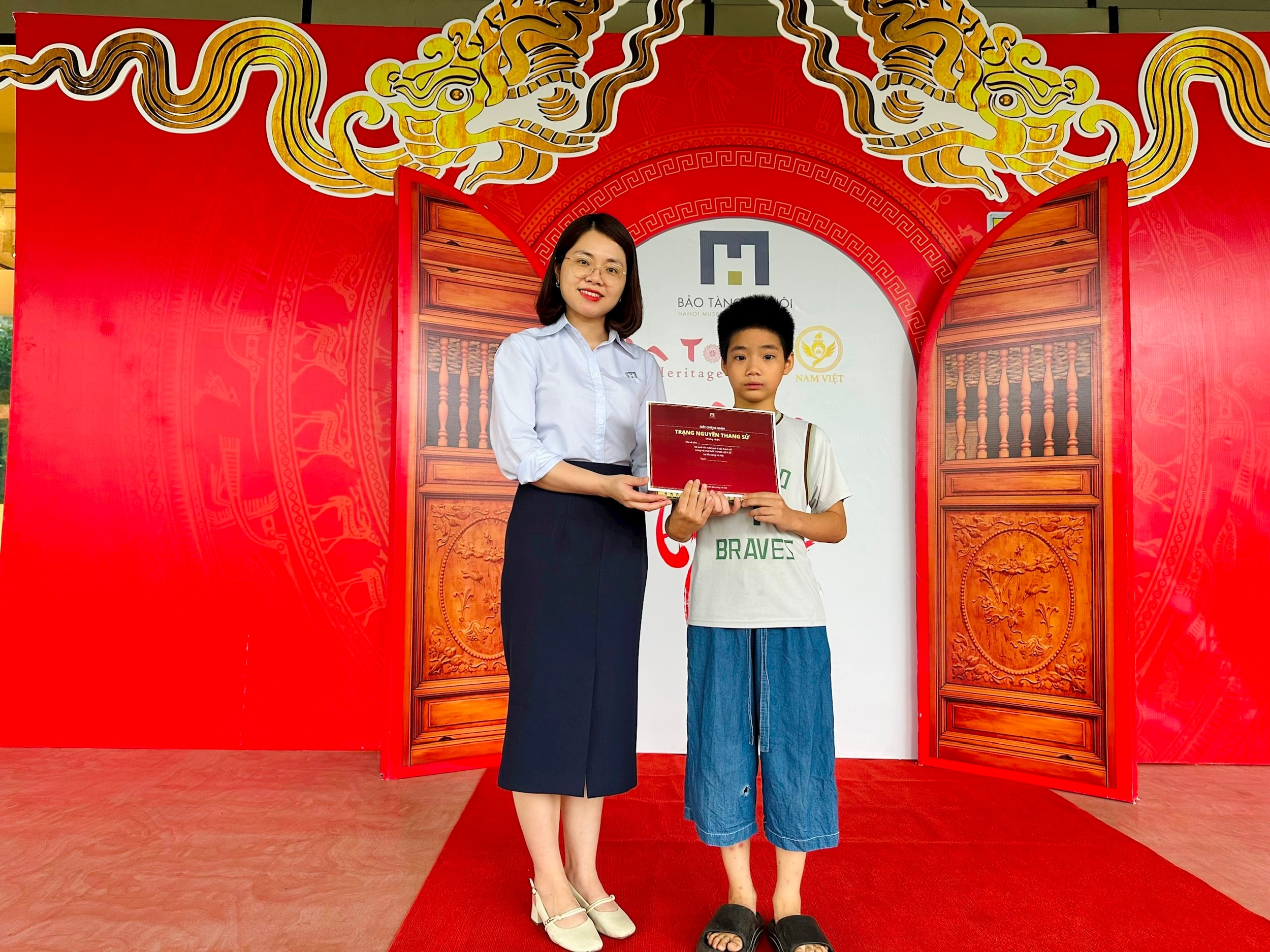
According to Ms. Nguyen Thi Huong, Deputy Head of the Exhibition and Propaganda Department (Hanoi Museum), in addition to the series of cultural events that create highlights, the program "Stairway to History - Stage of Knowledge in the Heart of the Hanoi Museum" has created great appeal. Launched in April 2026, the program has attracted approximately 500 registrations, 656 followers, and over 20,000 likes and interactions on digital platforms. "What we aim for is to create an open learning space where history is accessed through experience, helping young people to absorb and become more interested," Ms. Nguyen Thi Huong said.
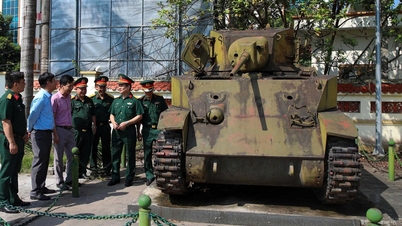
Besides the Hanoi Museum, many other museums are also becoming attractive destinations during the summer. At the National Museum of History, experiential education programs such as the game show "The Homeland Calls My Name" attract a large number of students. Not only do they visit the museum, but they also directly participate in interactive challenges and learn about the revolutionary journey of President Ho Chi Minh.
According to Ms. Nguyen Thi Dinh, from the Public Education Department (National History Museum), experiential activities combining in-person and online elements, such as online tours, are proving to be very attractive.
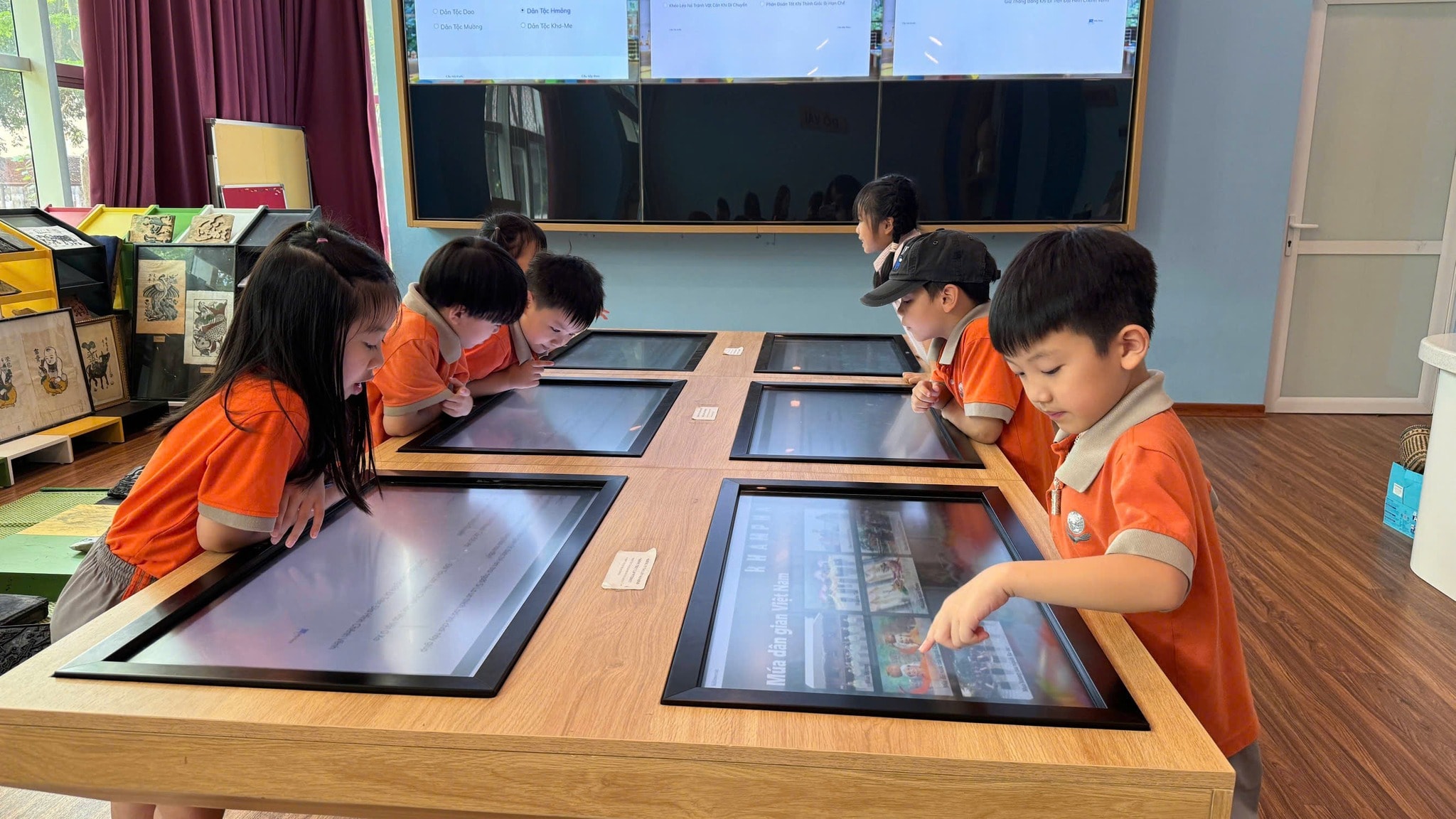
The Vietnam Literature Museum also attracts many young people with experiential activities such as "Vietnamese traditional costumes like flowers," workshops on "Folk fortune telling using the Tale of Kieu," and traditional archery... Meanwhile, the Vietnam Museum of Ethnology is participating in MuseumWeek 2026 (from June 1st to June 7th, 2026) with many activities applying technology and expanding interaction with the public.
It is evident that the application of digital technology, from 3D displays and virtual reality to online tours, has expanded the experiential space, helping museums reach a wider audience. This is also one of the important requirements in the current context of digital transformation.
To make heritage "reach" young people.
In implementing Resolution 80-NQ/TW of the Politburo on the development of Vietnamese culture and Resolution 09-NQ/TU of the Hanoi City Party Committee on the development of the cultural industry, museums have intensified the innovation of their content and methods of operation.
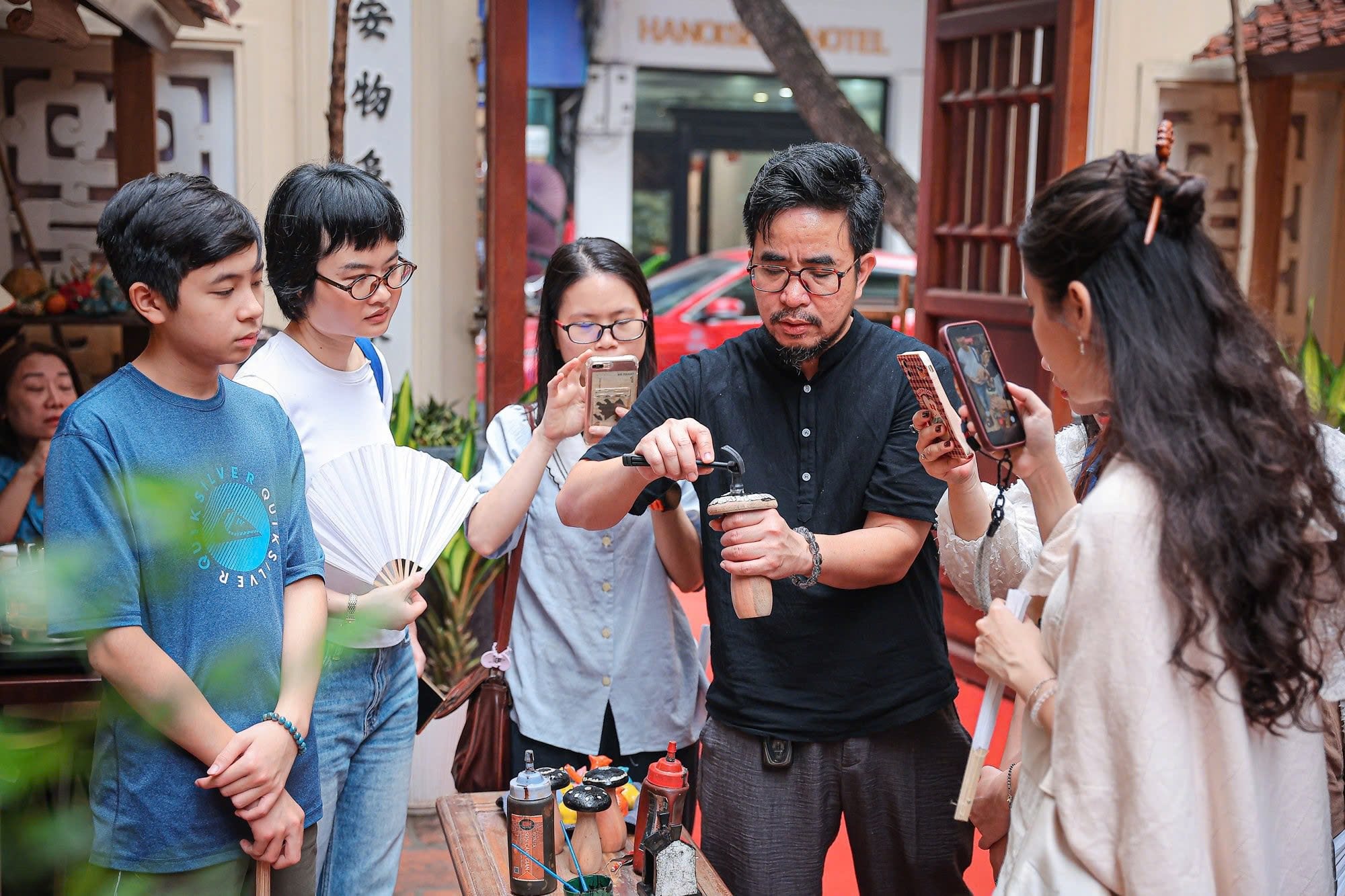
One of the highlights is bringing artisans, traditional craft villages, and intangible cultural heritage into the museum space. Through workshops, demonstrations, and hands-on activities, the public—especially young people—can directly "touch" the heritage.
Distinguished artisan Nguyen Tan Phat stated: "Artifacts help the public see history, but artisans help the public understand how history is created. When directly experienced, especially by children, the emotions are much deeper."
In reality, the combination of exhibition and experience has proven to be highly effective. Young innovator Bui Nhat Hoa (Academy of Journalism and Communication) with her exhibition "Fan-Painted Crafts" has told the story of Chang Son craft village in a way that is more accessible to young people, opening up a new approach to preserving and promoting heritage values.
Despite many positive changes, for museums to truly become attractive tourist destinations, comprehensive solutions are still needed. According to Meritorious Artisan Nguyen Tan Phat, it is necessary to build a mechanism to make experiential activities a regular program, instead of just a few events. At the same time, strengthening the links between museums and artisans, craft villages, schools, and tourism businesses is crucial to forming a cultural-educational-tourism ecosystem.
In addition, there is a need for policies to support funding, creative spaces, mechanisms for commissioning experiential programs, and opportunities for artisans to participate more regularly. When cultural experiences become a tourism product and a professional cultural industry, museums will not only be places to preserve heritage but also become attractive destinations, creating economic value and spreading culture sustainably.
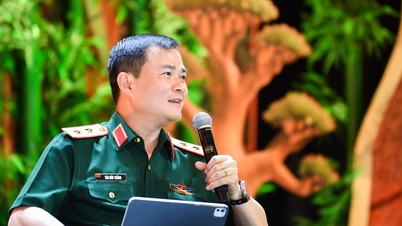
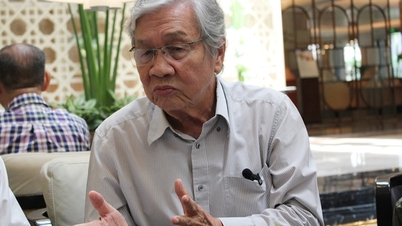
From a management perspective, Mr. Nguyen Tien Da, Director of the Hanoi Museum, said that the city is promoting linkages between museums and tourism businesses, developing tour routes, and encouraging creative exhibition ideas. “On March 30, 2026, the Hanoi People's Committee issued Decision No. 1423/QD-UBND recognizing the Hanoi Museum as a tourist destination of the capital. We expect the museum system to develop sustainably, become an attractive destination, and contribute to the cultural industry of the capital,” Mr. Nguyen Tien Da emphasized.
Currently, there are 218 museums nationwide, with approximately 20 public and 23 private museums in Hanoi. Despite the large number, there is still significant potential for further development. If properly invested in and developed, museums can not only preserve heritage but also become a driving force for the development of the creative economy.
Currently, the Hanoi Department of Culture and Sports is developing mechanisms and policies related to the night-time economy, heritage preservation, and investment attraction to concretize the 2026 Law on the Capital City. When these policies are implemented, they will create a significant impetus for museums to unleash their potential to become dynamic cultural centers, meeting points for art and the community.
Mr. Nguyen Tien Da , Director of the Hanoi Museum
Source: https://hanoimoi.vn/bao-tang-hap-dan-gioi-tre-thu-do-dip-he-1027378.html

![[Photo] First session of the 14th Congress of the Vietnam Trade Union](https://vphoto.vietnam.vn/thumb/1200x675/vietnam/resource/IMAGE/2026/06/03/1780465947883_ndo_br_img-3852-jpg.webp)





































![[Video] Sunset at Lap An Lagoon – Where the sun sets over the fishing nets](https://vphoto.vietnam.vn/thumb/1200x675/vietnam/resource/IMAGE/2026/05/31/1780192137701_beach-landscape-sea-water-nature-grass-745871-pxhere-com.jpeg)


























Comment (0)