

1. What is conjunctivitis (pink eye)?
"Pink eye" is a common term used to describe inflammation of the conjunctiva caused by bacterial, viral, or allergic infections. The disease typically occurs between July and September, the months with the most rainfall.
2. Typical symptoms of the disease include:
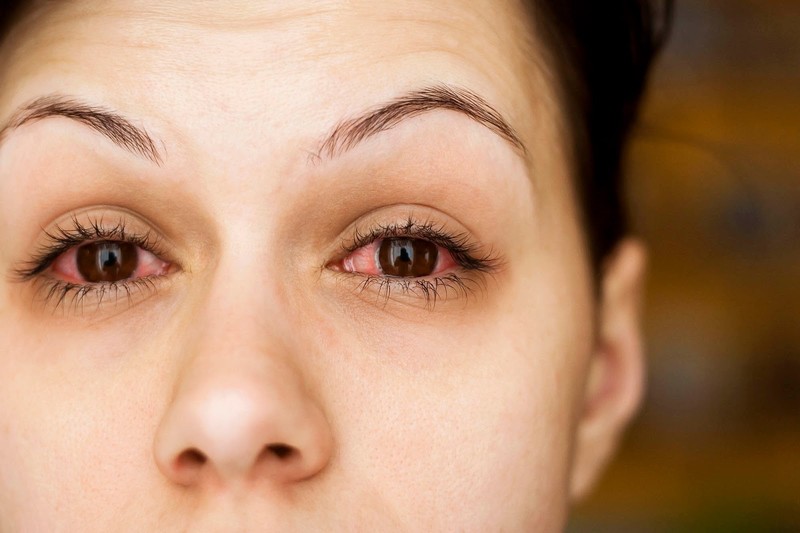
Itchy eyes, a gritty feeling as if there's dust in the eye.
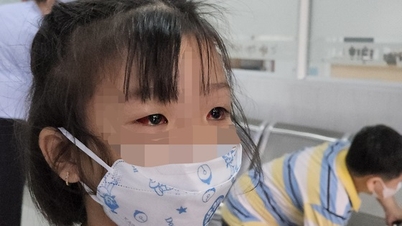
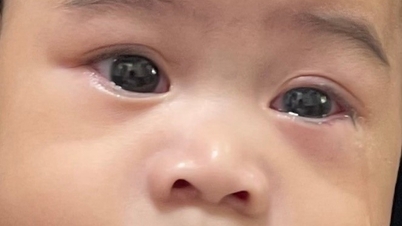
Red eyes
Excessive eye discharge and tearing.
Swollen and painful eyelids
Other symptoms may include: fatigue, mild fever, sore throat, cough, swollen lymph nodes behind the ears, etc.
3. Causes of conjunctivitis (pink eye)
Common causes of conjunctivitis include:
Viral conjunctivitis: This condition is caused by viruses such as Adenovirus and Herpes; it can resolve on its own within 7-14 days and does not require treatment.
Conjunctivitis is caused by a bacterial infection.
Allergic conjunctivitis: Allergens such as pollen, dust, and animal dander can cause the condition to persist until the allergens are eliminated or avoided.
4. Prevention methods
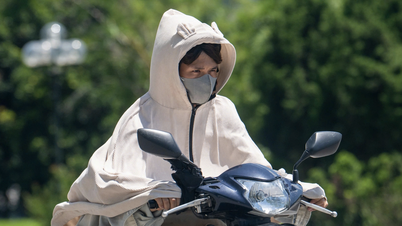
Conjunctivitis (pink eye) is a contagious disease and can easily spread into an epidemic. It spreads through direct contact with infected individuals, via hands, and through everyday items such as towels, utensils, dishes, cups, bed linens, and mosquito nets. Therefore, to prevent its spread into an epidemic, several basic measures should be taken:
- Wash your hands frequently with soap and clean water; avoid touching your eyes, nose, and mouth; do not share personal items such as eye drops, towels, eyeglasses, or face masks.
- Clean your eyes, nose, and throat daily with saline solution and common eye drops or nasal drops.
- Use soap or common disinfectants to sanitize the patient's belongings and items.
- Limit contact with people who are sick or suspected of having conjunctivitis.
- Patients or those suspected of having conjunctivitis should limit contact with others; they should stay home from school/work to avoid infecting others and spreading the disease to the community; they should go to a medical facility for timely examination, consultation, and treatment, and should not self-treat without guidance from a healthcare professional to avoid serious complications.
PV
Source
![[Photo] General Secretary and President To Lam and his wife begin their official visit to Thailand.](https://vphoto.vietnam.vn/thumb/1200x675/vietnam/resource/IMAGE/2026/05/27/1779881249412_anh-man-hinh-2026-05-27-luc-18-10-51.png)
![[Photo] The courage of new recruits of Brigade 144 on the training ground.](https://vphoto.vietnam.vn/thumb/1200x675/vietnam/resource/IMAGE/2026/05/27/1779881651341_anh-man-hinh-2026-05-27-luc-18-32-52.png)













































![[Photo] The courage of new recruits of Brigade 144 on the training ground.](https://vphoto.vietnam.vn/thumb/402x226/vietnam/resource/IMAGE/2026/05/27/1779881651341_anh-man-hinh-2026-05-27-luc-18-32-52.png)

























Comment (0)