

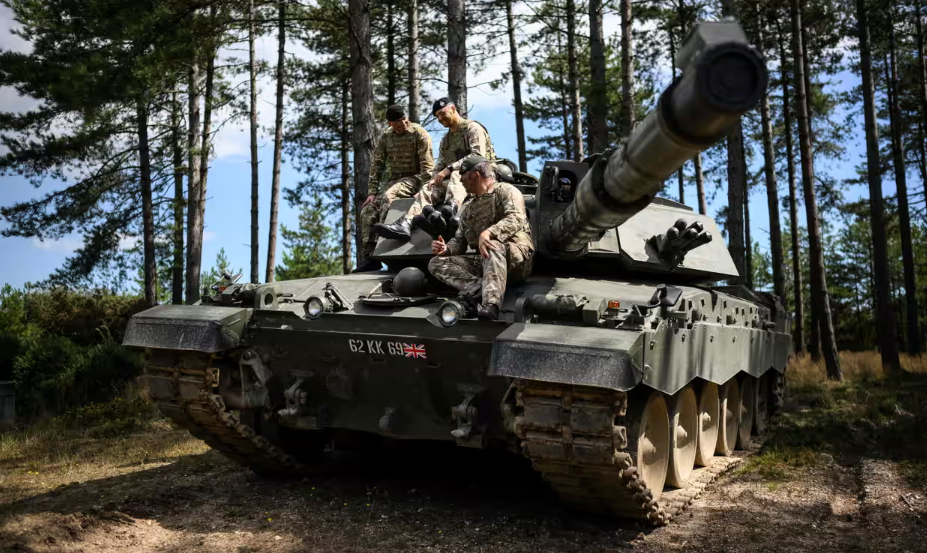
Army soldiers at a British Ministry of Defence training base in the south of the country.
The impact of global warming from climate change is pervading every aspect of the British armed forces' operations. For example, high temperatures render training sites like Cyprus unusable at certain times of the year.
Hot weather is affecting units participating in overseas missions. Armored vehicles can be damaged in rising temperatures.
"The armed forces, defense procurement and military properties, both in the UK and overseas, will need to adapt to the effects of climate change in the coming decades," The Guardian quoted a report by the UK Parliament's Armed Forces Committee published on August 18.
Otherwise, the areas affected would include geostrategy, combat readiness, resilience, and military effectiveness.
The report notes that rising ocean temperatures have reduced the operational effectiveness of British warships.
Warships operating in the Gulf often rely on seawater to cool their engine systems for proper functioning. However, rising sea temperatures have complicated the cooling process, impacting the operation of warships' engines.
If timely action is not taken to adapt, the British military's combat capabilities could be eroded by rising temperatures and harsher weather conditions, according to warnings from MPs on the committee.
Former US Secretary of State John Kerry, the US President's Special Envoy on Climate Change, told British MPs that the climate crisis poses significant risks to global defense and security capabilities, and that the British military is no exception.
Source link































































































Comment (0)