

 |
MiniLED TVs are gradually becoming more affordable, dropping to under 20 million VND for the 55-inch version. |
With their position as the world's factory, Chinese companies can easily lower product prices as the technology becomes more widespread. Samsung and LG still hold a monopoly on large-scale OLED solutions, keeping product prices in the high-end segment. MiniLED is emerging as a more accessible option with a wider variety of choices.
Xiaomi has just launched the S Pro Mini LED 2026 in Vietnam, using this type of panel. The product starts at 17 million VND for the 55-inch version and under 30 million VND for the 75-inch version. This is 40% cheaper than OLED models of the same size and only 70% of the price of options from major brands like Samsung and Sony.
MiniLED advantages
With increasing demand, LCDs are gradually falling behind OLEDs in terms of display quality. However, this technology still has room for manufacturers to optimize. From edge-lit LEDs, which didn't guarantee brightness and color uniformity, manufacturers have switched to full-array backlighting. With this technology, the size of the LEDs is reduced to less than 0.2 mm, creating hundreds of adjustable zones on the panel. This is the core principle of MiniLED.
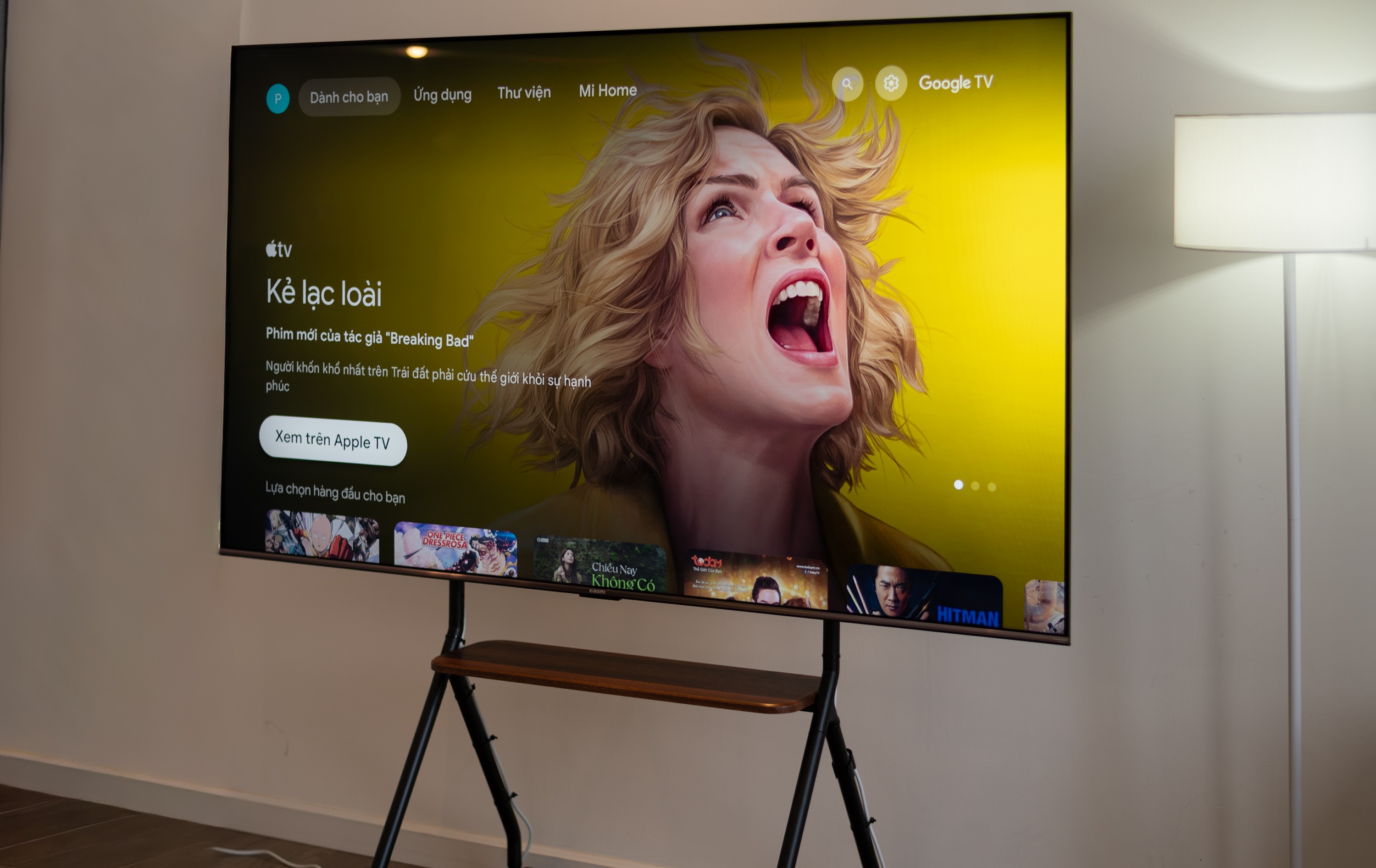 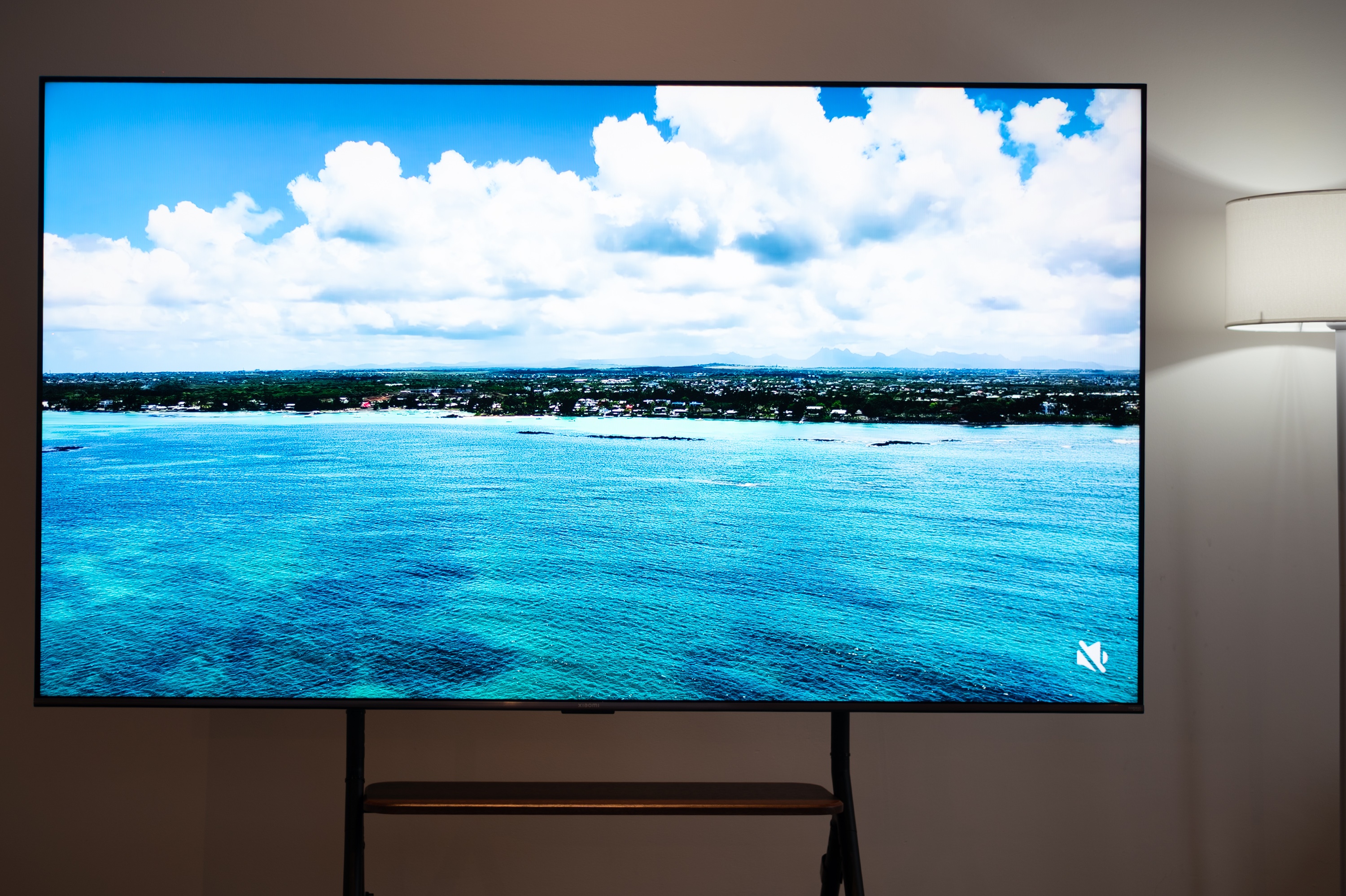 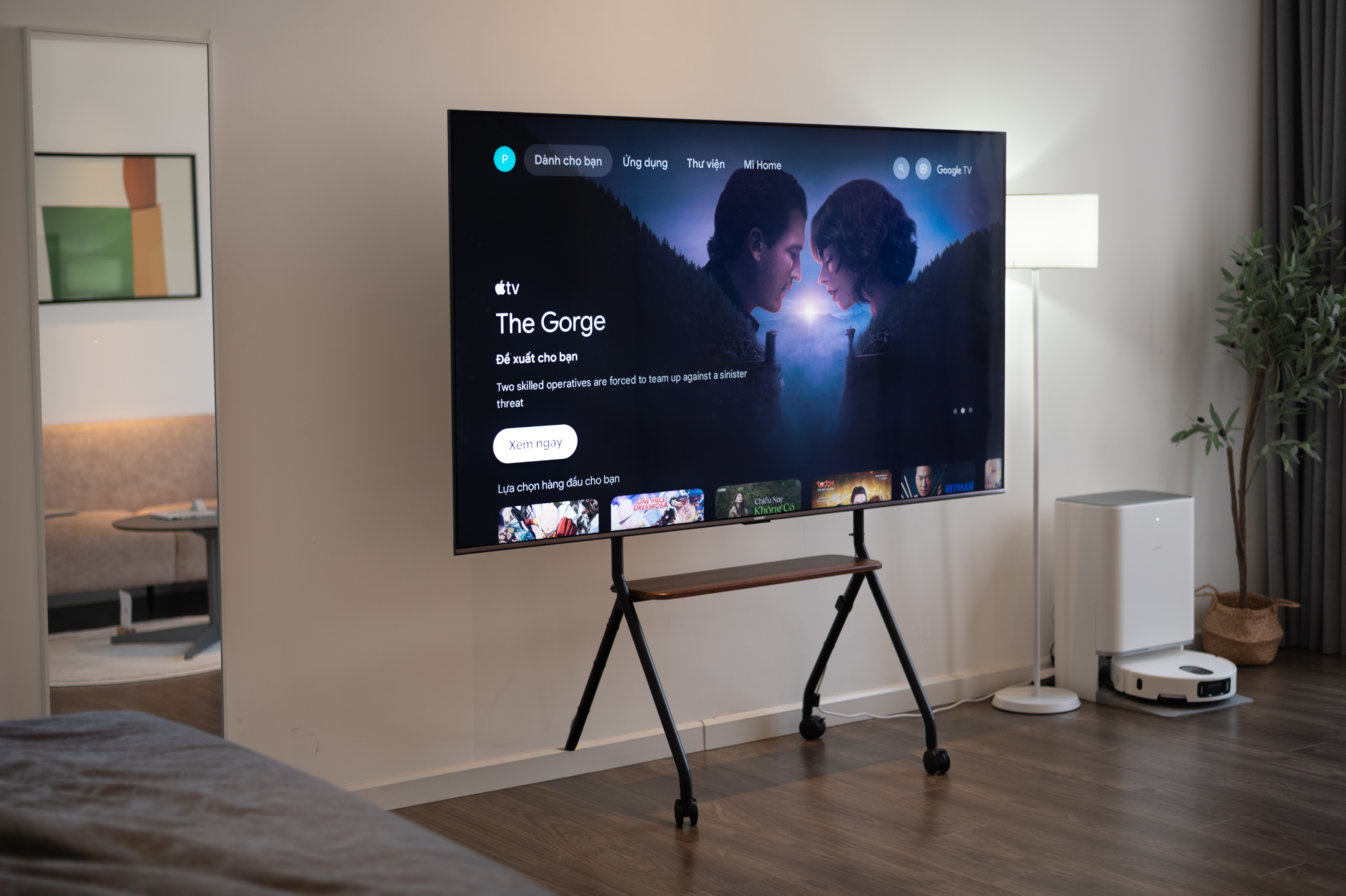 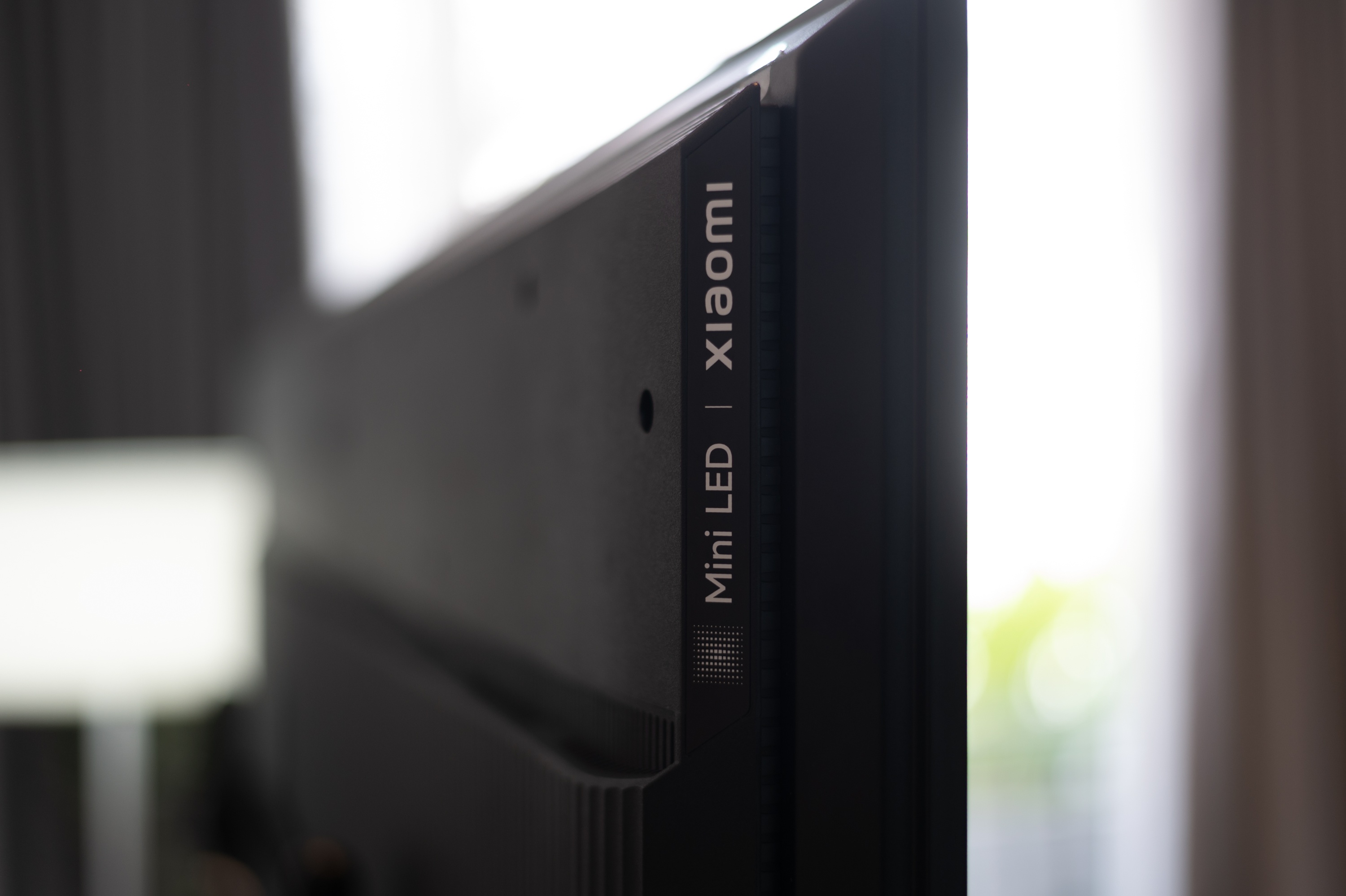 |
Xiaomi's 75-inch MiniLED series. |
For example, the 75-inch Xiaomi S Pro Mini LED 2026 model has over 700 local dimming zones, allowing for independent brightness adjustment. Compared to OLED, where each pixel adjusts its own brightness, this number is still far behind. In return, users can access it at a more affordable price. On the other hand, this technology also provides higher brightness, up to 1,700 nits, along with the ability to operate reliably without degradation or fading over time.
Xiaomi TVs still use VA panels, which offer higher contrast than IPS. This solution, combined with MiniLED backlighting, ensures image depth. In return, the viewing angle is reduced vertically, but not significantly.
The limitation of this display solution is blooming. This phenomenon occurs when the contrast is too high on a small display area. Sometimes a halo appears around the subject against a black background. It only appears and causes discomfort in a few cases because with hundreds of independent adjustment zones, the affected area is very small.
Compared to OLED, which requires significant investment, Mini LED represents a small price increase but a far greater upgrade in user experience. The maximum brightness, contrast, and color accuracy of TVs using this solution are significantly better than traditional LCDs. In fact, the amount users pay for Xiaomi's Mini LED is comparable to traditional QLED TVs from major brands.
Two sides of Google TV
In China, Xiaomi installs its own operating system on its products. This interface is intuitive with large content tiles and deeply integrates Xiaomi HyperOS to connect with products within the smart home ecosystem.
Due to market differences, the Vietnamese version of the S Pro Mini LED 2026 runs on Google TV. This is a safe and familiar choice for customers. The product comes pre-installed with familiar services such as YouTube, Netflix, and Apple TV. Other software can also be easily downloaded through the app store. Users can install the international version of Xiaomi Home to synchronize with other products in the same ecosystem.
The device can receive notifications about the activity of household appliances such as light bulbs, robot vacuums, or Mija products like refrigerators, air conditioners, and washing machines. With mobile devices, the TV can be remotely controlled using a phone instead of a remote. This model also has built-in AirPlay, allowing easy music playback or video mirroring from an iPhone. This is a feature that some major brands like Samsung lack.
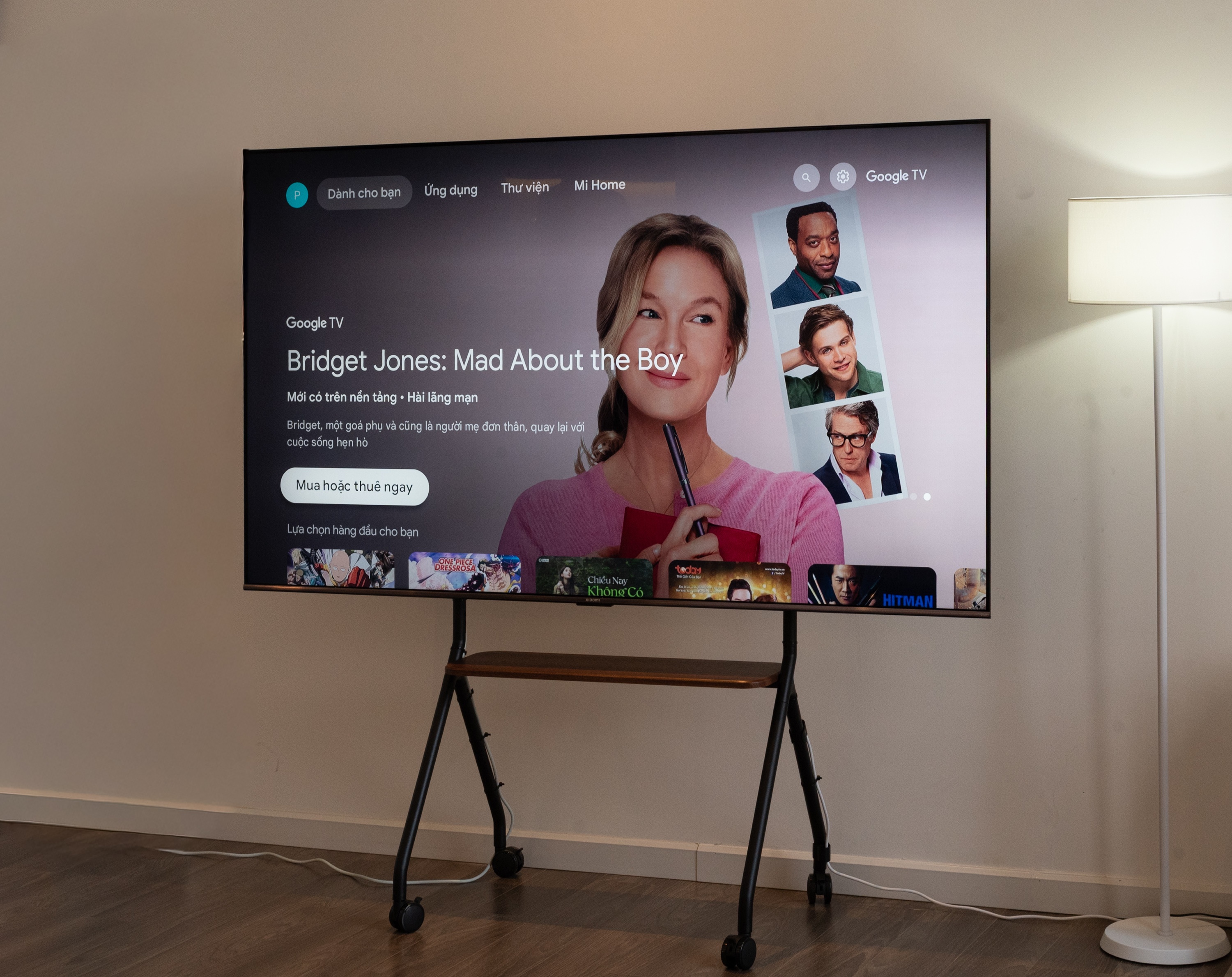 |
Google TV comes pre-installed with ads that cannot be removed. |
On the other hand, it's also an open system. Customers can download additional third-party apps as APKs. This provides deeper customization options for the device. However, a drawback of Google TV is that it has many ads on the home screen that cannot be removed, causing annoyance during use. The operating system also consumes a significant amount of resources.
Xiaomi equipped the TV with 3GB of RAM and 32GB of internal storage. The hardware upgrade significantly improved boot times and app opening speeds. However, occasional lag still occurs due to poor optimization of Google TV.
As the highest-end model currently sold in Vietnam, the S MiniLED series also boasts superior build quality. The TVs feature thin bezels, a metal frame, and sound tuned by Harman. However, Xiaomi's price advantage over traditional competitors is no longer as significant. The S Pro series is a test run for the Chinese company, entering the higher-end segment after achieving some success with its mid-range A/A Pro models.
Source: https://znews.vn/binh-dan-hoa-tv-mini-led-post1608443.html









































































Comment (0)