

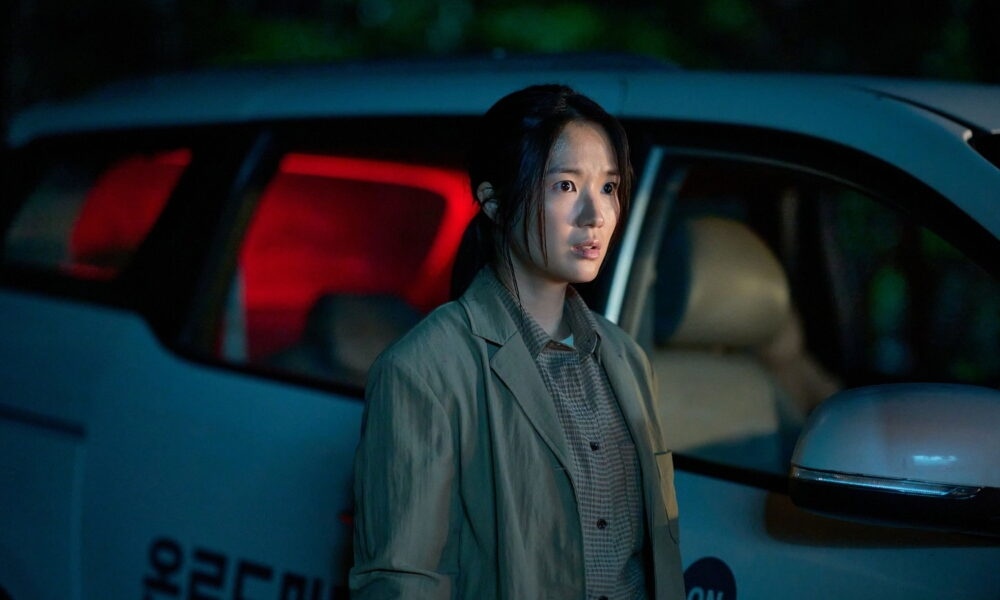
Located in Yesan, Chungcheongnam Province, Salmokji Lake has long been rumored among paranormal enthusiasts to be a haunted place, associated with many chilling urban legends. Inspired by the mysteries surrounding this famous lake, director Lee Sang Min's film Salmokji: Whispering Water was born.
Fear from the bottom of the lake
The film follows PD Soo In and her colleagues as they return to the Salmokji Lake area to reshoot scenes after discovering a strange entity that appeared in previous footage. There, they become entangled in a series of bizarre and inexplicable phenomena.
Salmokji used to be a cemetery. Instead of cleaning up and relocating the graves, they simply created a pond. Rumors of water spirits arose when a series of mysterious disappearances occurred. However, Soo In's group didn't believe them, dismissing them as nonsense. By the time they uncovered the truth about Salmokji, it was already too late.
Similar to water ghosts in many other horror legends, the vengeful spirit in Salmokji: Whispering Water cannot come ashore; it can only control its victims once they step into the water. Therefore, it employs various manipulative tactics to lure them in. What makes the water ghost so terrifying is its ability to infiltrate the deepest corners of the mind, finding the weaknesses of its prey to entice them. This insidious entity silently observes, digs into the fears and repressed feelings of its victims, and tricks them into the trap it has set.
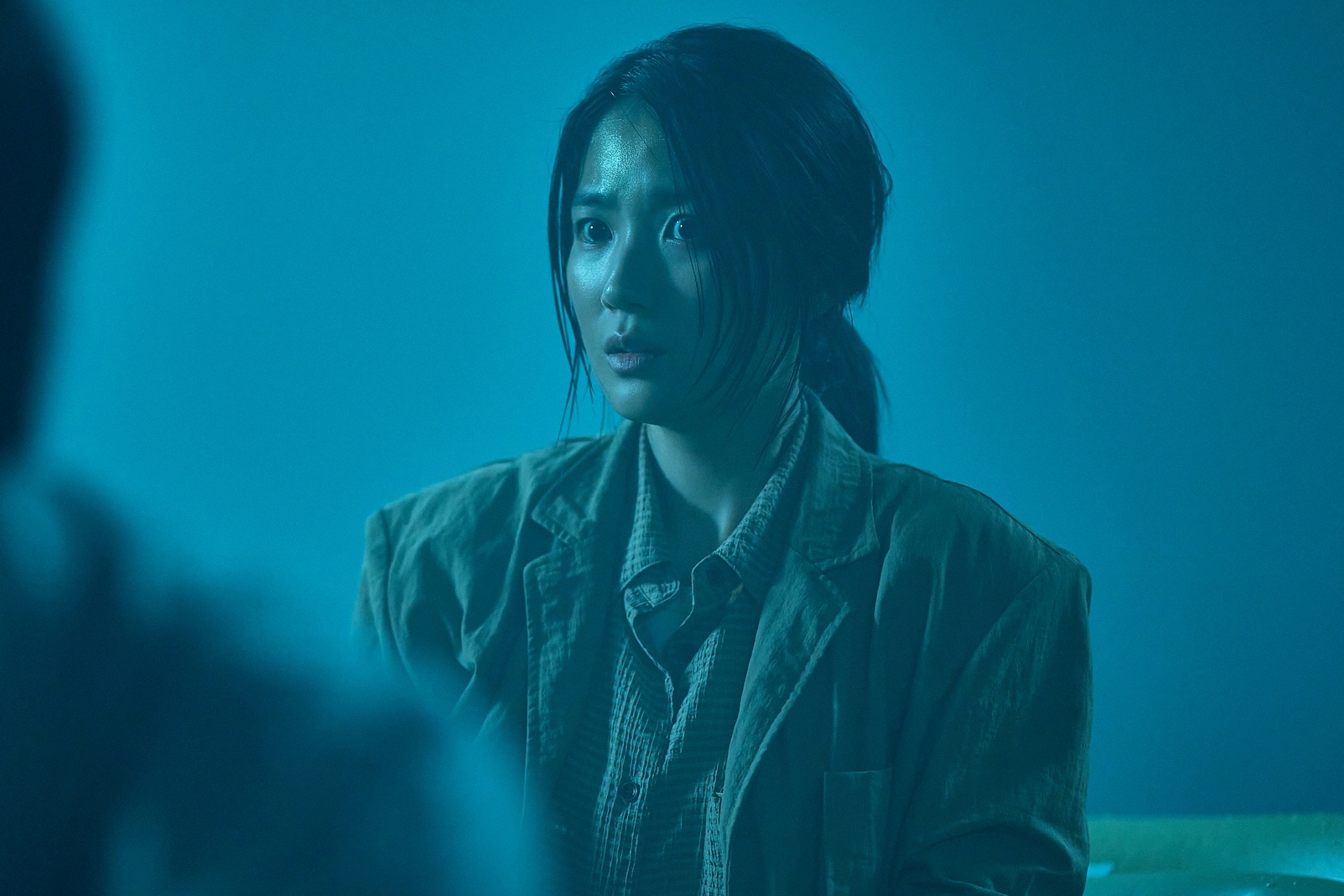 |
The film attracted over 3 million viewers to theaters. |
Meanwhile, the lake becomes the perfect setting to nurture the nightmare that awaits to devour innocent victims. Salmokji appears as a gateway connecting two realms, between life and death, separated by a hair's breadth. It swallows sound, prolonging the deadly silence, causing its prey to lose their bearings amidst the eerie stillness of an isolated space.
The dense thickets evoke a chilling sense of an evil entity lurking, while the stone towers and lingering mists hold a sense of mystery, seemingly concealing some terrible secret beneath the seemingly harmless blue waters.
Director Lee Sang Min skillfully controls the film's pace. He doesn't waste time explaining urban legends or building elaborate past tragedies. Salmokji: Whispering Water starts quickly, trapping the main characters and the viewers in a suffocating, oppressive atmosphere within minutes.
Driven by personal motives such as revenge, guilt, and lust, the group of victims gradually falls into a vicious cycle of endless tragedies. In this cycle, their faith, reason, and judgment crumble as they confront bizarre and inexplicable events.
The characters are trapped in a situation where every decision leads them deeper into a dead end. The more they try to escape, the worse things get.
Reasons for fever
According to South Korean media, Salmokji: Whispering Water has surpassed 3 million tickets sold, becoming the first purely horror film to achieve this milestone in 23 years since The Tale of Two Sisters.
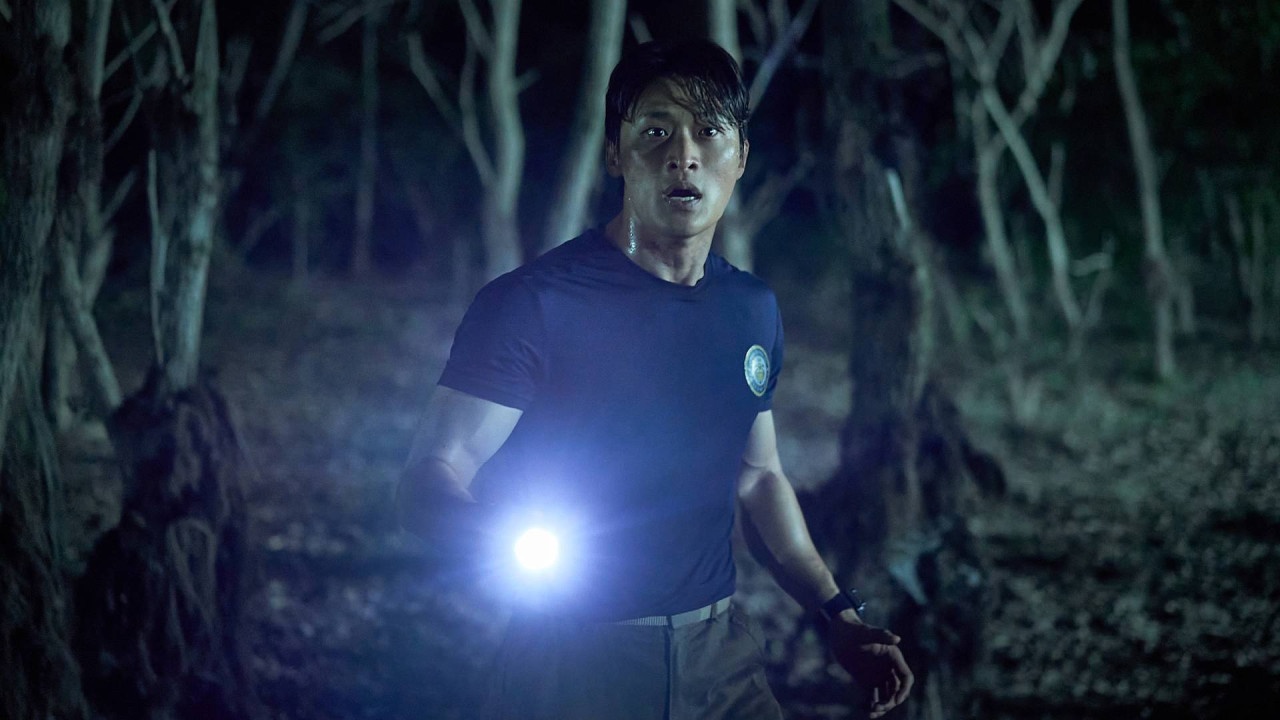 |
The young cast delivered quite solid performances. |
It's no coincidence that a low-budget film has become such a box office sensation, drawing crowds to theaters. At a time when Korean horror films are becoming saturated with exorcism, ghost stories, and gory violence, Lee Sang Min's work stands out by returning to the most fundamental elements of this niche genre.
The concept of "water spirits" is inherently fascinating, deeply rooted in the East Asian fear of the unjustly deceased trapped beneath the cold water. Shamanistic elements are harmoniously incorporated into the film, adding a spiritual and mystical flavor to the story and making it even more intriguing.
Lee Sang Min didn't attempt to develop complex storylines or embed profound philosophical ideas in his debut film. Instead, the South Korean filmmaker catered to fans by directly appealing to their curiosity, fear, and shock with a series of gruesome events and jump scare techniques characteristic of the genre.
With a relatively short running time of just over 90 minutes, Salmokji: Whispering Water focuses on building a dense, chilling atmosphere of horror. A dark, cold color palette pervades the film. Clever lighting creates a sense of isolation and constant unease in the mountainous landscape and lake, as if life is slowly being devoured. Artificial light sources from flashlights, car headlights, or electronic device screens flicker in the vast darkness, making human existence seem even more fragile and precarious.
In particular, the sound design effectively enhanced the horror elements of the film, not only startling viewers with well-executed jump scares but also keeping them awake at night due to the intense scenes.
Salmokji: Whispering Water is certainly not outstanding. The concept and script are decent, but not particularly special, nor do they contain any groundbreaking messages, discoveries, or unique plot points.
The film's content is unfortunately limited, particularly the underdeveloped character arcs. The female protagonist Soo In's past relationship with Gyo Sil is only briefly touched upon in a few dialogues. This results in some of the later revelations in the latter half of the film lacking emotional impact.
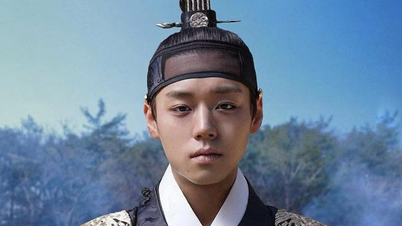
On the other hand, the performances of the younger cast were quite solid. Kim Hye Yoon portrayed Soo In as someone trapped in guilt. The remaining roles all had distinct personalities, ranging from the fame-seeking and selfish to the hot-tempered, angry, and arrogant…
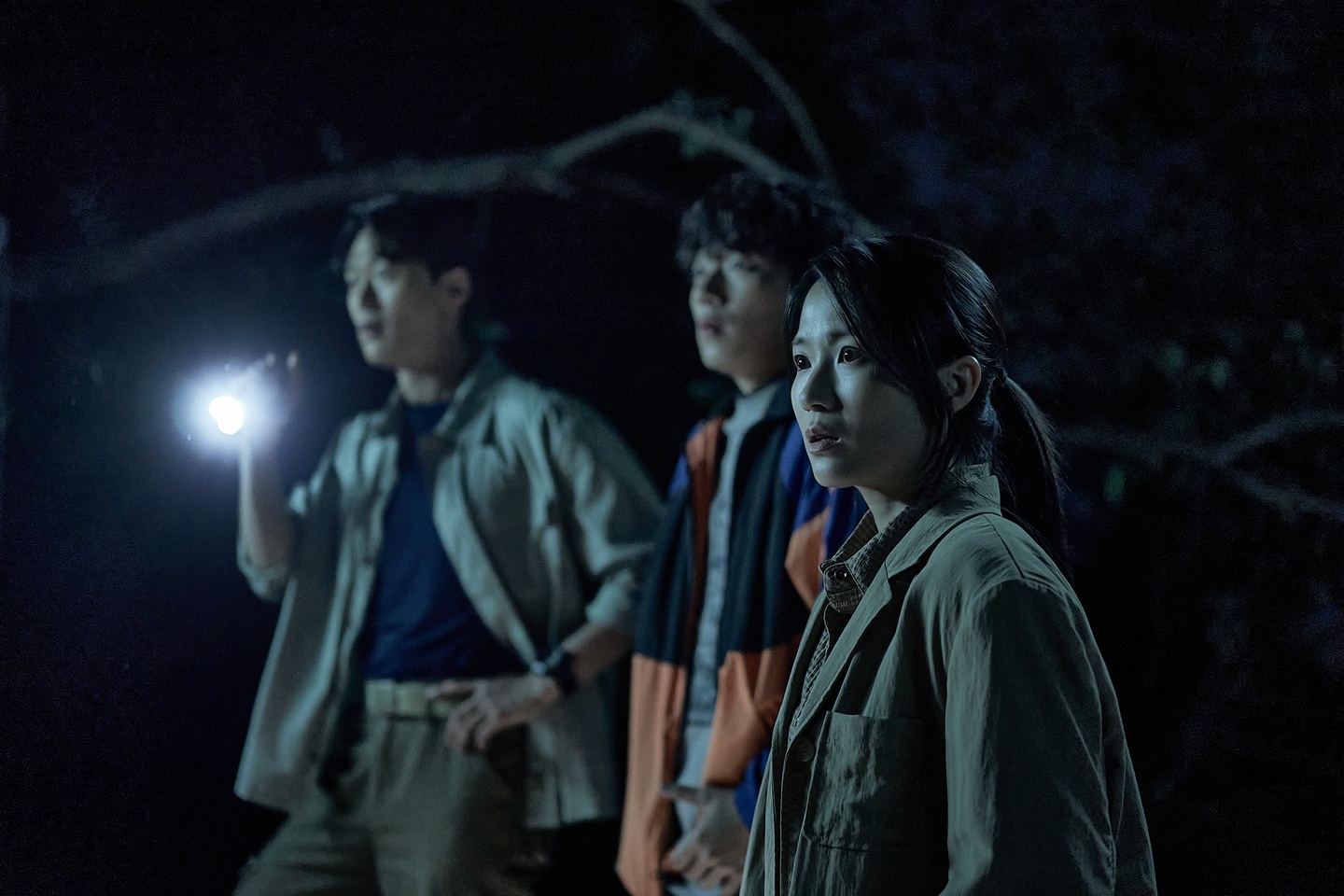 |
Salmokji: Whispering Water is the highest-grossing Korean horror film in history. |
Salmokji: Whispering Water may not be considered a standout name in the horror genre, but with its effective storytelling, it easily touches the emotions of viewers. Many viewers shared videos of their fearful reactions in the theater after leaving, increasing curiosity about the film. Furthermore, the film's popularity attracted a large number of people to the filming location in Yesan.
Therefore, it's no surprise that the film about Lake Salmokji successfully created a FOMO effect, drawing over 3 million Korean viewers to theaters and becoming the highest-grossing horror film.
Source: https://znews.vn/bo-phim-keo-3-trieu-nguoi-han-ra-rap-post1653316.html


































































































Comment (0)