

Following Samsung's Galaxy AI and Google's Gemini AI, Apple announced it will add artificial intelligence (AI) to its phone operating system. Called Apple Intelligence, it will also be integrated into the phone's Siri chatbot, aiming to make it easier to use and provide faster responses; contributing to transforming Siri into a personal assistant.
This increased use of AI means phones will perform more algorithms, which in turn means they will generate and use more data. This puts more pressure on mobile networks, such as O2, EE, Vodafone, and Three in the UK.
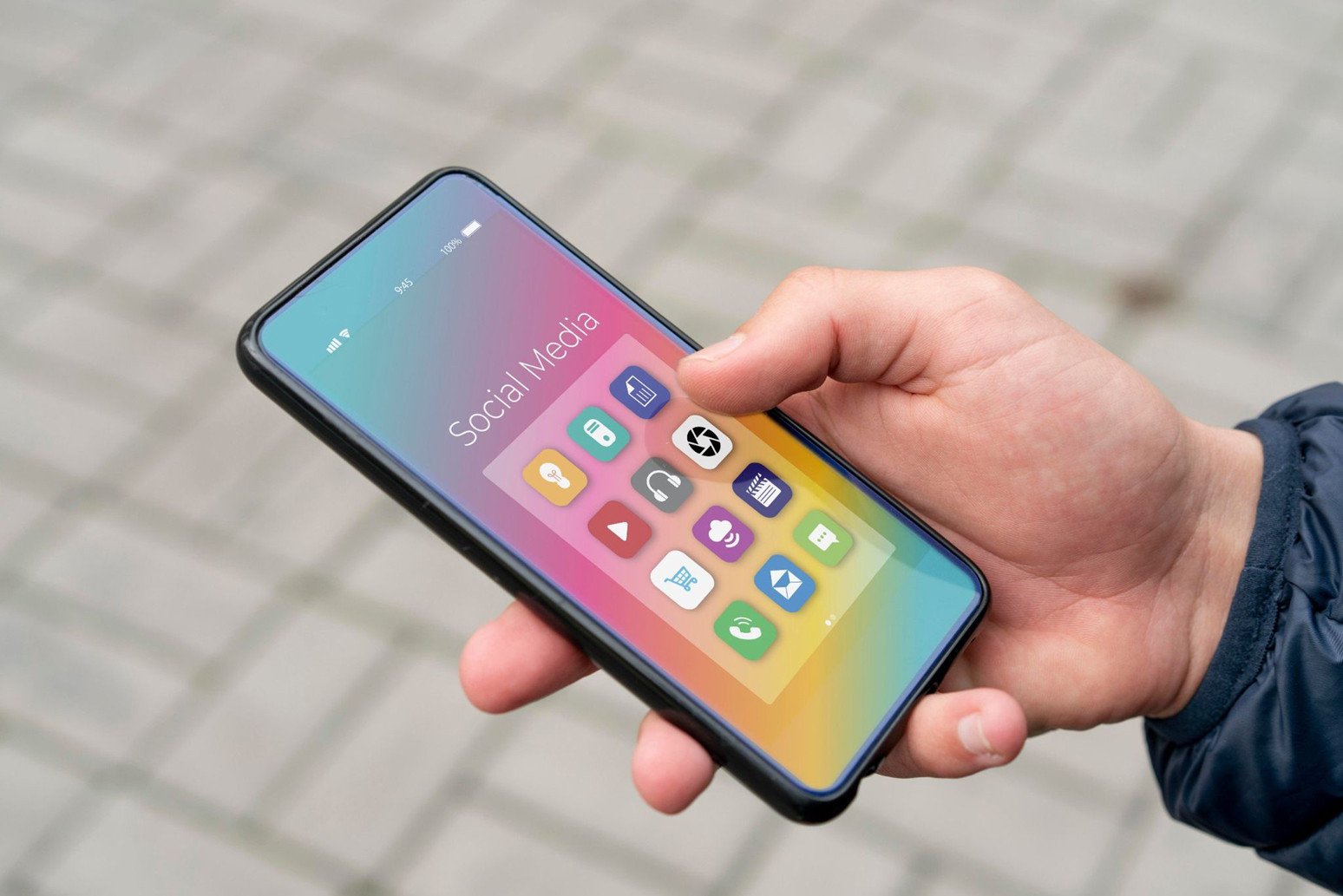
To overcome this situation, telecommunications companies are also gradually incorporating AI. Ian Fogg, Director of Network Innovation at research and consulting firm CCS Insight, said: “Cybernetics are using AI to flexibly manage radio frequencies, thereby providing optimal service levels, and to manage cell towers, for example, so that they use less energy during low traffic periods.”
The increased use of AI to support mobile networks has become widespread globally. In South Korea, Korea Telecom can now locate and resolve problems within a minute, thanks to its AI-powered network monitoring system, according to Alex Sinclair, chief technology officer of GSMA, the organization representing global mobile network operators.
Meanwhile, AT&T in the US is using predictive AI algorithms trained on trillions of previous network alerts to warn of impending incidents.
Other carriers, such as Vodafone, are using AI "digital clones"—virtual digital replicas of real-world equipment, such as cell towers and antennas—to continuously monitor their network activity. AI is also being used to manage how increasingly large data centers use energy to keep servers cool and optimize storage capacity.

The data explosion fueled by the growing demand for AI is another reason why telecommunications companies worldwide continue to invest in 5G Standalone mobile networks. These networks utilize new, dedicated 5G infrastructure instead of relying on upgrades to the older, less efficient 4G system. 5G Standalone offers significantly higher access speeds and capacity. However, some experts believe that even this advanced technology may not be sufficient to meet the demands of the AI era.
Mobile customers typically only pay attention to network service when a problem occurs; however, they remember poor customer service much more clearly, which significantly damages a business's reputation. Therefore, the industry hopes AI can improve customer interaction and response services.
For example, the Global AI Telco Alliance – a joint venture formed by Deutsche Telekom, Singtel, Softbank, and SK Telecom with 1.3 billion customers in 50 countries – aims to develop a specialized AI chatbot specifically for the telecommunications industry and the types of questions customers frequently ask. This specially trained chatbot will be able to handle most basic customer inquiries, allowing call center staff to focus on more complex cases, the Alliance's founders hope.
“We view AI primarily as a virtual assistant for humans,” said Scott Petty, Chief Technology Officer of Vodafone. “We’ve seen AI free up Vodafone employees’ time from tedious, repetitive manual tasks, allowing them to focus on more creative activities that benefit customers and the entire industry. AI also frees up customer service staff to handle more complex cases.”
Ian Fogg of CCS Insight shared: “AI has been around for the last few years, initially used for specialized tasks in telecommunications services. But now it’s being applied to more areas like networks, devices, and software; to the point where almost every tool we use now could be improved. AI has the potential to make networks greener and help the world run more efficiently.”
(According to BBC)
Source: https://vietnamnet.vn/cac-mang-di-dong-su-dung-ai-2296319.html






































































































Comment (0)