What is cholesterol?
Cholesterol is a type of fat (lipid) found in the blood, playing an essential role in many biological functions of the body. Most cholesterol is synthesized by the liver, with the remainder coming from foods such as meat, eggs, dairy, and other animal-derived products.

Under normal conditions, cholesterol helps the body function smoothly. However, when cholesterol levels in the blood rise above acceptable levels, they can deposit in the walls of blood vessels, forming atherosclerotic plaques, thereby increasing the risk of cardiovascular diseases such as heart attack or stroke.
The role of cholesterol in the body
Although often associated with health risks, cholesterol is actually an essential component of the human body. First, cholesterol is involved in the structure of cell membranes, helping to maintain cell stability and flexibility. In addition, it is an important raw material for the body to synthesize sex hormones such as estrogen and testosterone, as well as adrenal hormones.
Furthermore, cholesterol plays a role in the synthesis of vitamin D, an essential element for the skeletal system and immune system. It also contributes to the formation of bile, helping the body digest and absorb fats more efficiently. Therefore, cholesterol is not the "enemy," but rather the issue lies in maintaining appropriate levels in the body.
Distinguishing between good cholesterol (HDL) and bad cholesterol (LDL)
In the blood, cholesterol does not exist in isolation but is transported via lipoproteins, the most important of which are HDL and LDL.
HDL (High-Density Lipoprotein) is often referred to as "good" cholesterol. Its function is to transport excess cholesterol from tissues and blood vessels back to the liver for processing and elimination. Therefore, HDL helps reduce the risk of plaque formation and protects the cardiovascular system.



Conversely, LDL (Low-Density Lipoprotein) is considered "bad" cholesterol. When LDL levels in the blood are high, they easily accumulate on the walls of blood vessels, forming plaques that narrow the vessels and hinder blood flow. This is a major cause of diseases such as atherosclerosis, myocardial infarction, and stroke.
Normal cholesterol levels
Monitoring blood cholesterol levels is crucial for assessing cardiovascular risk. According to medical recommendations, ideal cholesterol levels typically fall within the following ranges:
- Total cholesterol: below 200 mg/dL
- LDL (bad cholesterol): below 100 mg/dL
- HDL (good cholesterol): above 40 mg/dL in men and above 50 mg/dL in women.
- Triglyceride: below 150 mg/dL


Causes of high cholesterol
High cholesterol doesn't usually occur in isolation but is the result of a combination of factors. Diet is the most common cause. Consuming large amounts of saturated fat, fried foods, and fast food can significantly increase LDL levels in the blood.
In addition, a sedentary lifestyle and being overweight or obese also contribute to lipid metabolism disorders. Smoking and regular alcohol consumption also reduce HDL – a factor that protects cardiovascular health. Furthermore, genetic factors and certain medical conditions such as diabetes and endocrine disorders can also cause high cholesterol levels.
Effective ways to control cholesterol
First and foremost, dietary adjustments are crucial. You should limit foods high in unhealthy fats such as animal fat, organ meats, and fried foods, while increasing your intake of green vegetables, fruits, and whole grains. Adding healthy fats from seafood, olive oil, or nuts can also help improve blood lipid levels.


In parallel, maintaining a regular physical activity routine will help increase HDL and decrease LDL effectively. Simple activities such as brisk walking, jogging, or swimming for about 30 minutes each day have shown noticeable benefits.
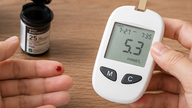
Weight management, limiting alcohol consumption, and quitting smoking are also crucial factors that cannot be overlooked. In particular, regular health checkups help monitor cholesterol levels and detect abnormalities early, allowing for appropriate adjustments.
Cholesterol is an important component of the body, but an imbalance can become a major risk factor for cardiovascular health. Understanding the nature of cholesterol, differentiating between HDL and LDL, and maintaining a healthy lifestyle will help you effectively control this indicator and protect your long-term health.
Source: https://vietnamnet.vn/cholesterol-la-gi-cach-kiem-soat-cholesterol-hieu-qua-2526041.html
![[Photo] General Secretary and President To Lam receives Palestinian Ambassador Saadi Salama](https://vphoto.vietnam.vn/thumb/1200x675/vietnam/resource/IMAGE/2026/06/25/1782365384740_a1-bnd-9423-8322-jpg.webp)

![[Image] Ho Chi Minh City: Ma Lang area, Chicken-Rice Market about to change its appearance](https://vphoto.vietnam.vn/thumb/1200x675/vietnam/resource/IMAGE/2026/06/25/1782377698627_ndo_br_m1-jpg.webp)


![[Image] Schools organize meetings and introduce teaching models to students admitted to grade 10.](https://vphoto.vietnam.vn/thumb/1200x675/vietnam/resource/IMAGE/2026/06/25/1782368077271_ndo_br_z7970052192242-1ec8daeb77a6eed1a4e9f58c564ddd3e-jpg.webp)