

 |
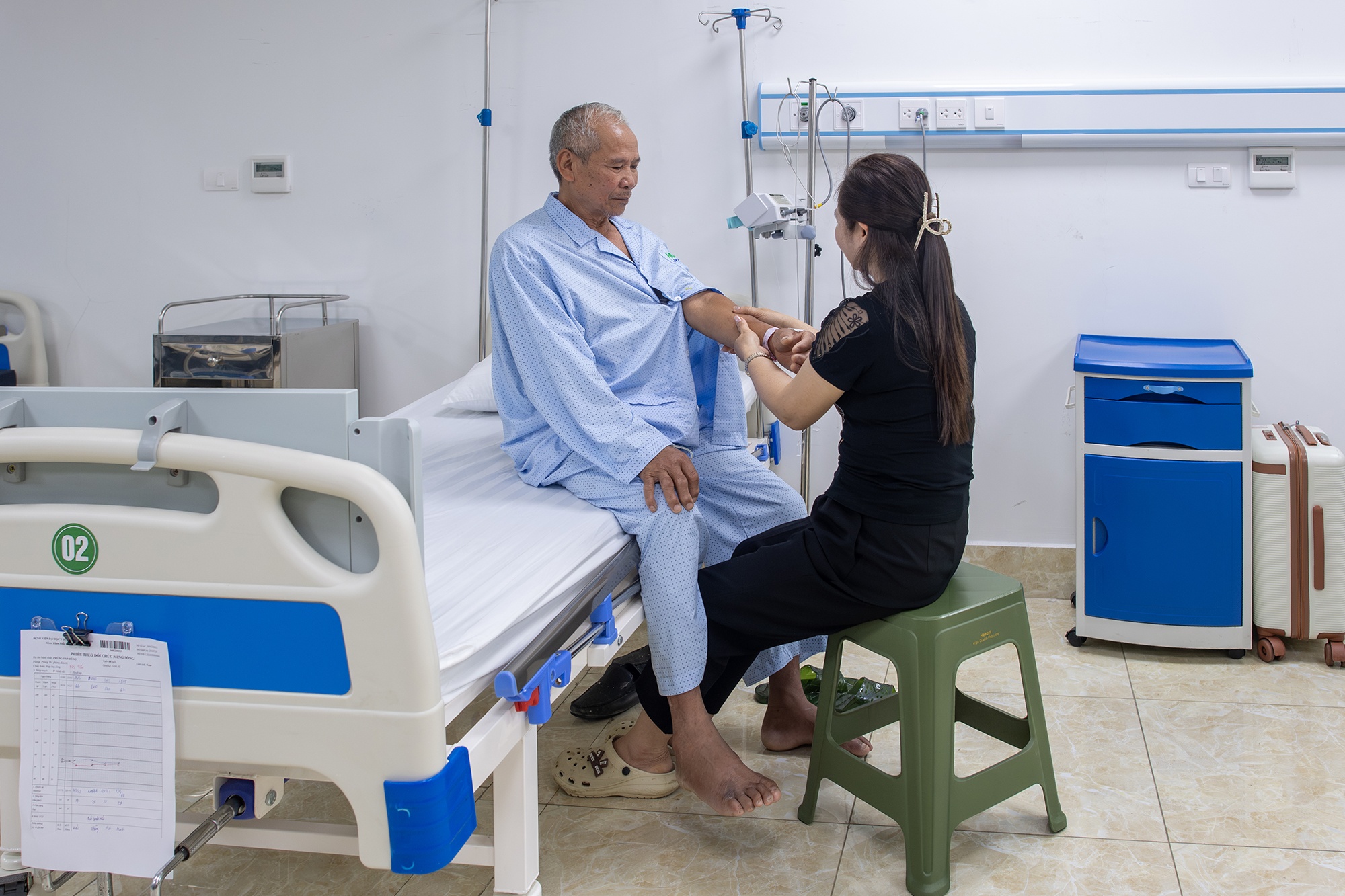
Every step has become a struggle for Mr. Phung Van Hung (68 years old, Ba Vi, Hanoi). Few people know that behind that difficult gait lies more than a decade of battling spinal nerve compression, a disease that caused his gluteal muscles to atrophy, his legs to shrink, and constant burning pain to persist. After examinations at many medical facilities, he decided to undergo surgery at the Spinal Surgery Department, University Medical Center, Vietnam National University, Hanoi, Linh Dam Campus. |
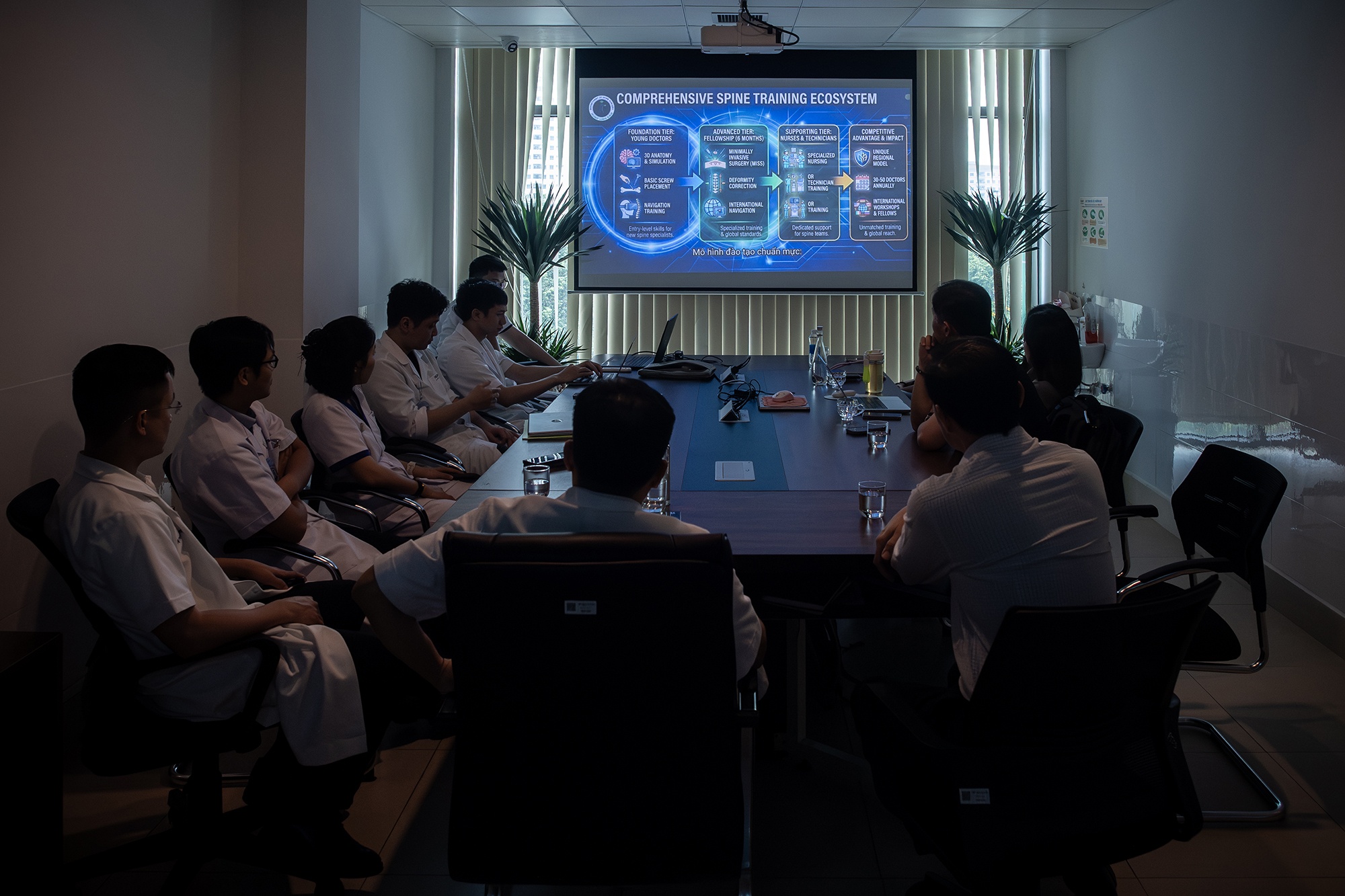 |
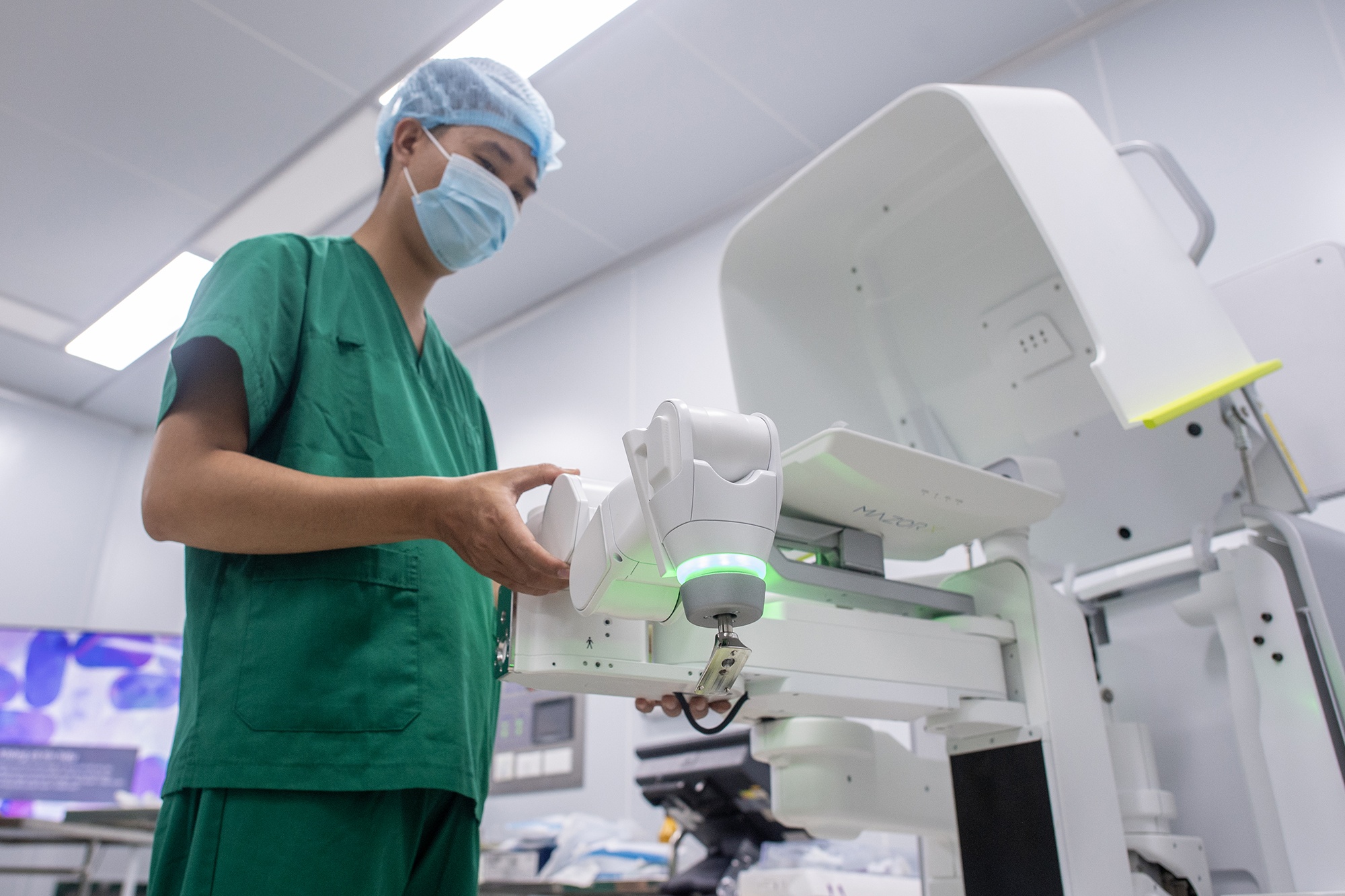
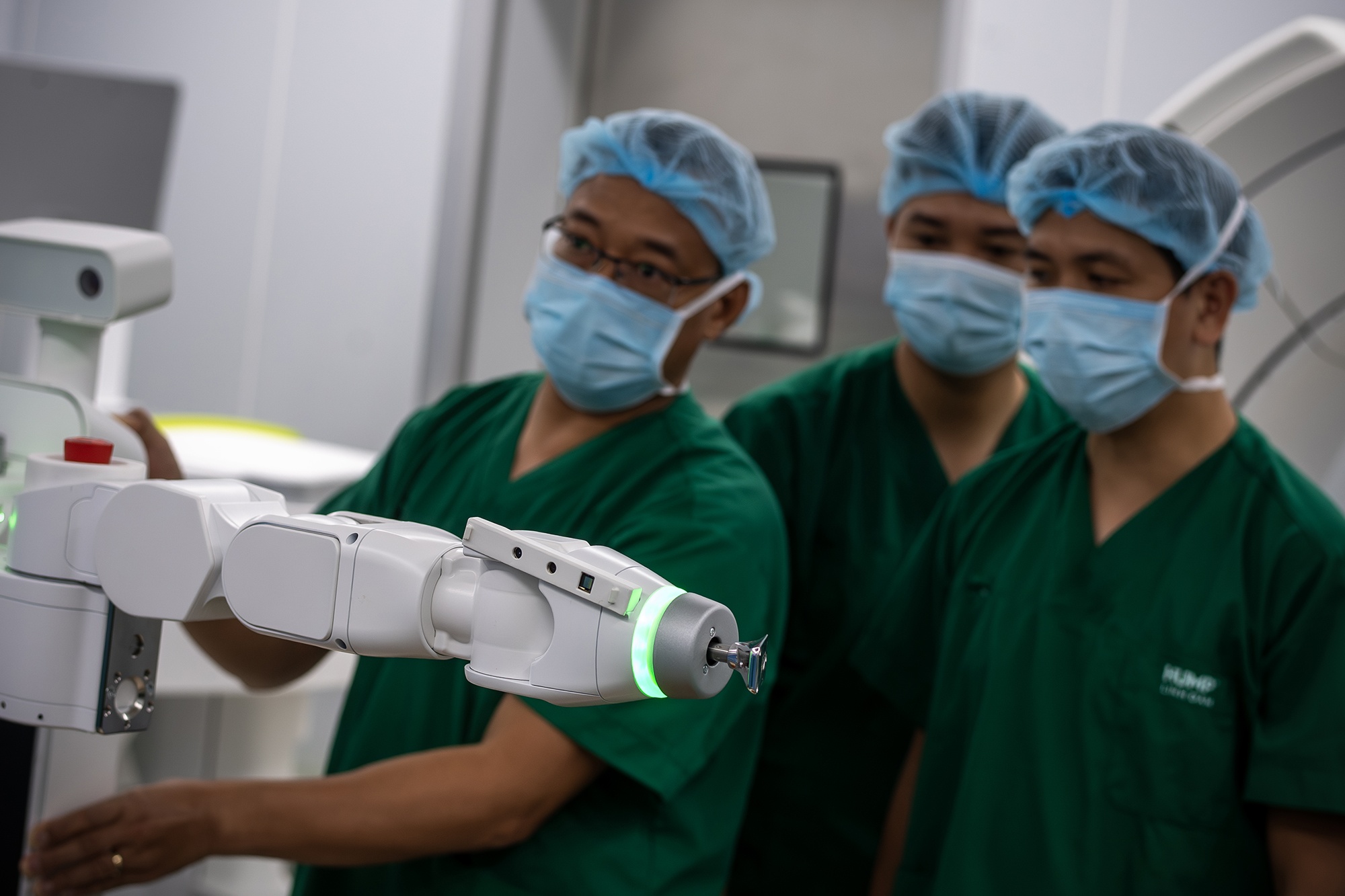
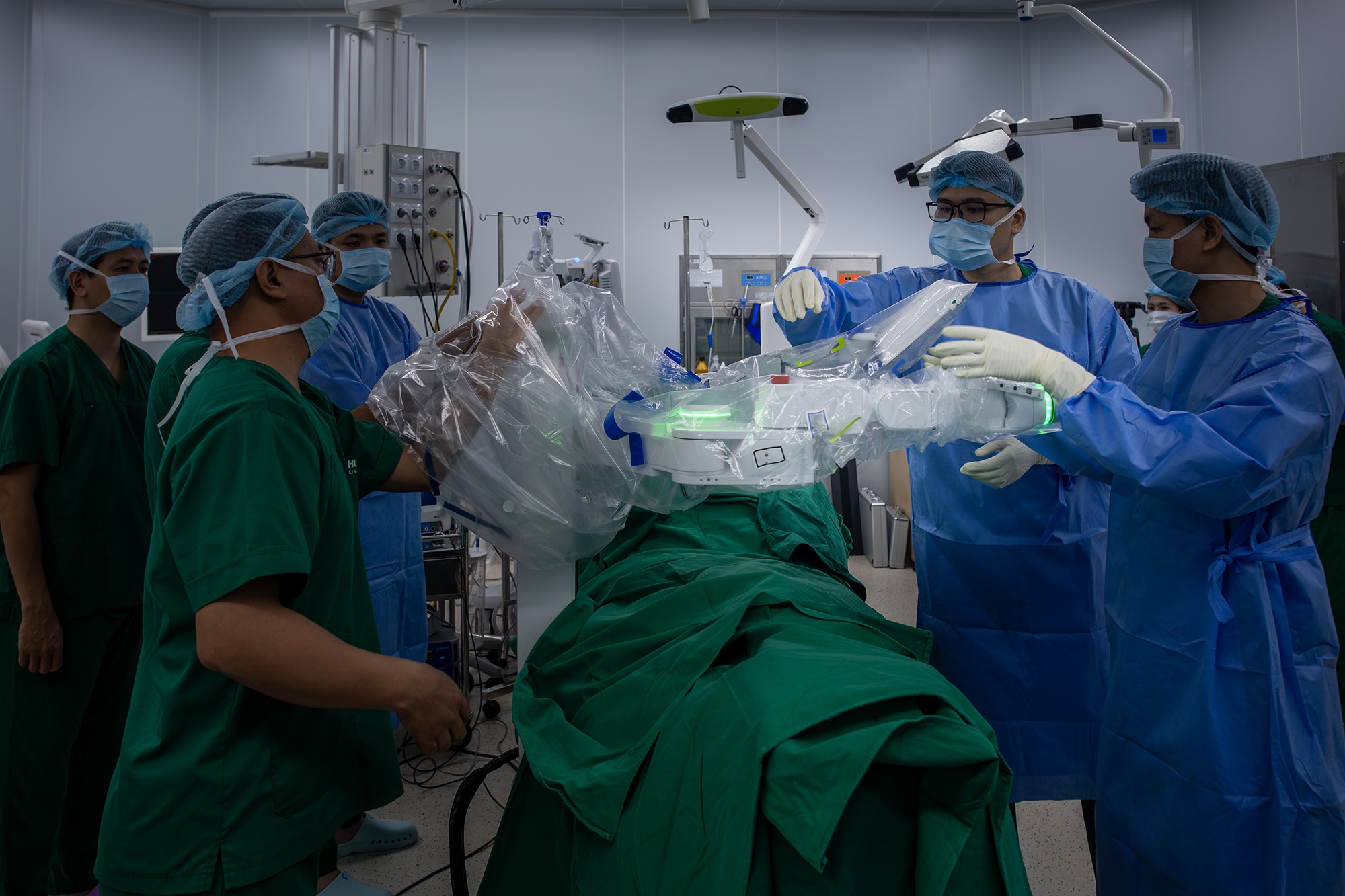
To prepare for the surgery, the doctors consulted with leading spinal surgery experts from Malaysia to develop the optimal treatment plan. Notably, the surgery was performed with the assistance of the Mazor X Stealth Edition robot, combined with a real-time 3D surgical navigation system and an intraoperative neuro-monitoring (IOM) system, contributing to increased accuracy and safety. |
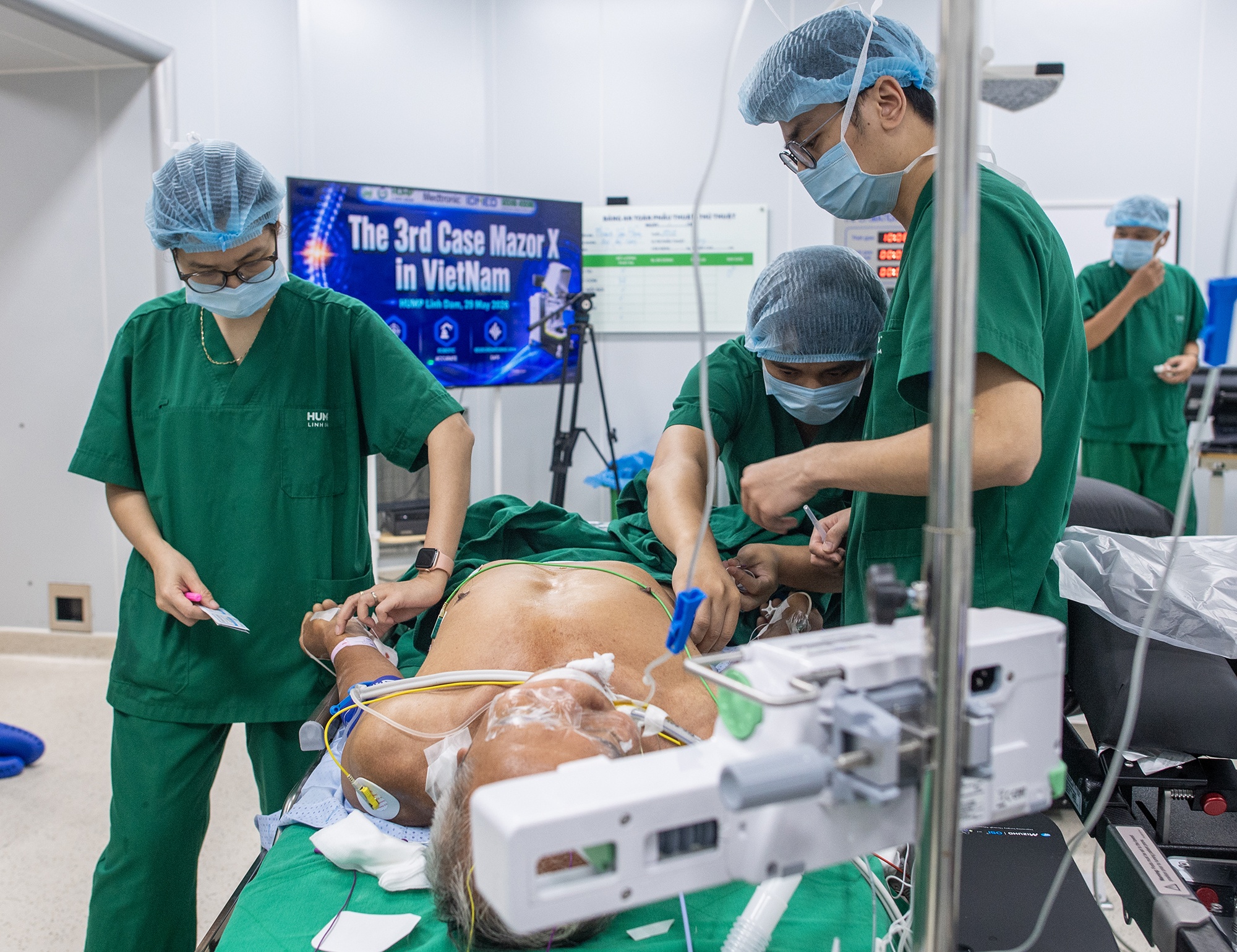 |
Associate Professor, Doctor Nguyen Le Bao Tien, Deputy Director of the Hospital and Head of the Spinal Surgery Department, said that this patient's surgery belonged to a group of very complex pathologies. The patient suffered severe spinal cord compression in the thoracic spine due to ossification of the ligamentum flavum. |
  |
According to Associate Professor Tien, the emergence of new technologies has created a turning point in treatment. Currently, doctors can access the spine from a 360-degree angle, including anterior, lateral, and posterior approaches. Instead of performing one surgery lasting many hours, the team can divide it into two separate surgical phases, each lasting approximately 2.5-3 hours. |
 |
"Even without robots, simply changing the approach strategy has greatly improved treatment outcomes. Many patients who previously required 3-4 units of blood, or even 6-7 units, now need almost no blood transfusions thanks to the new surgical technique," he said. By combining robots with modern supporting technologies, the accuracy of instrument placement is significantly enhanced. While previously results depended heavily on the surgeon's personal experience, the planning process is now digitized and modeled. |
 |
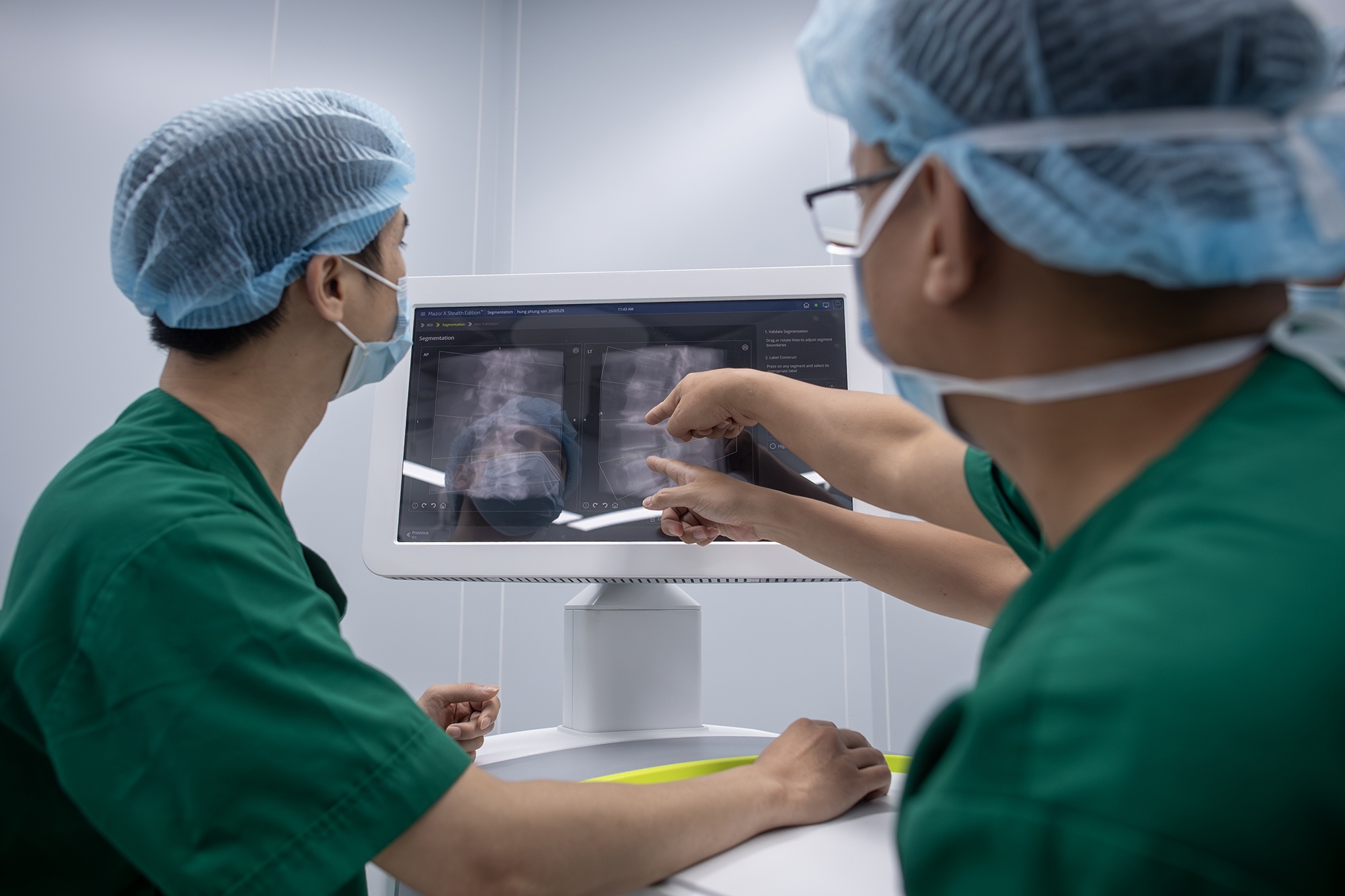
"With the support of AI (artificial intelligence), the entire anatomical structure is visually displayed before the surgeon. We no longer have to estimate or take multiple photos during surgery. This reduces stress for the team and contributes to a higher success rate," Associate Professor Tien stated. According to him, in the near future, these technologies will develop strongly in countries with rapidly aging populations like Vietnam. |
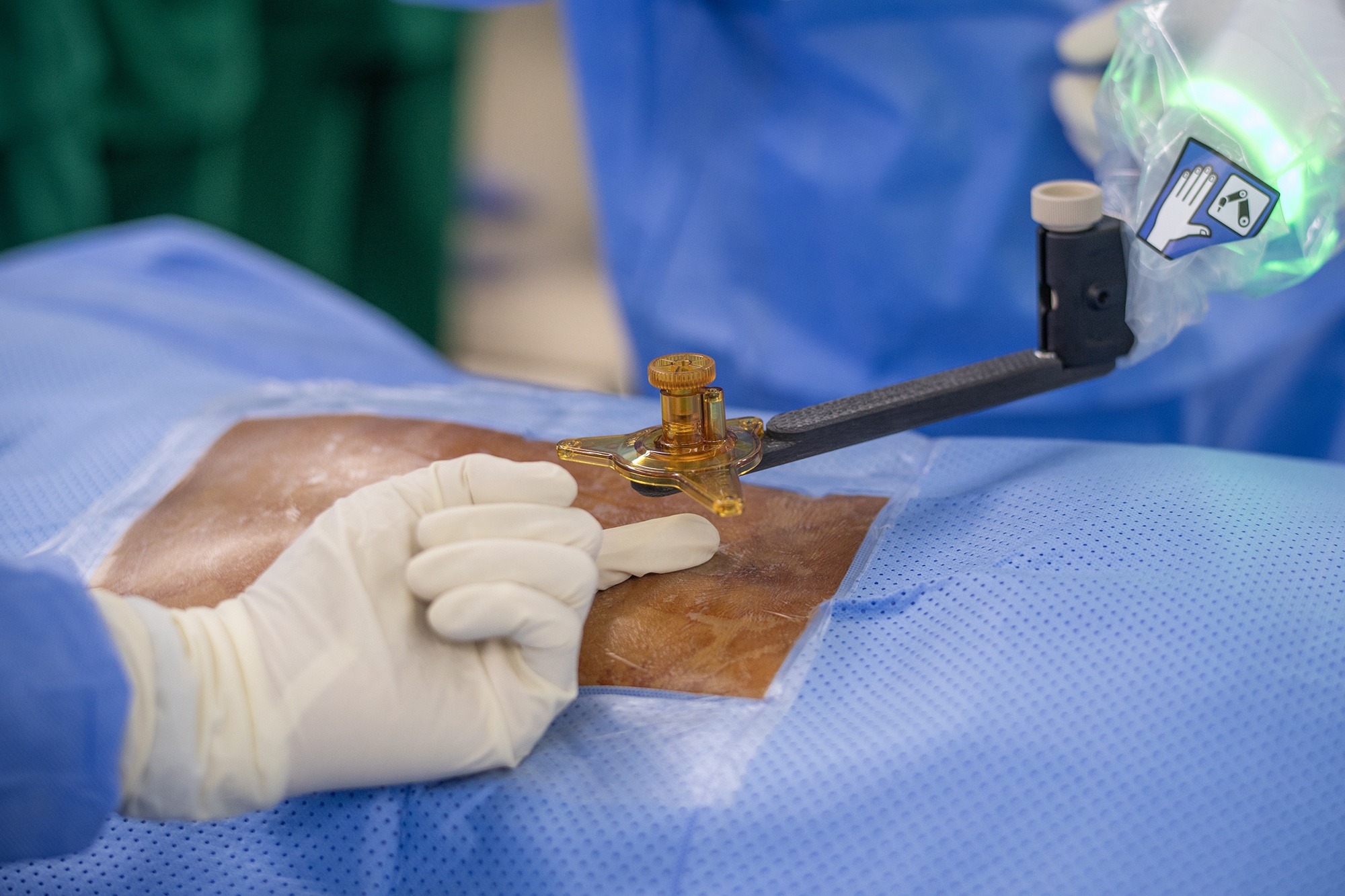 |
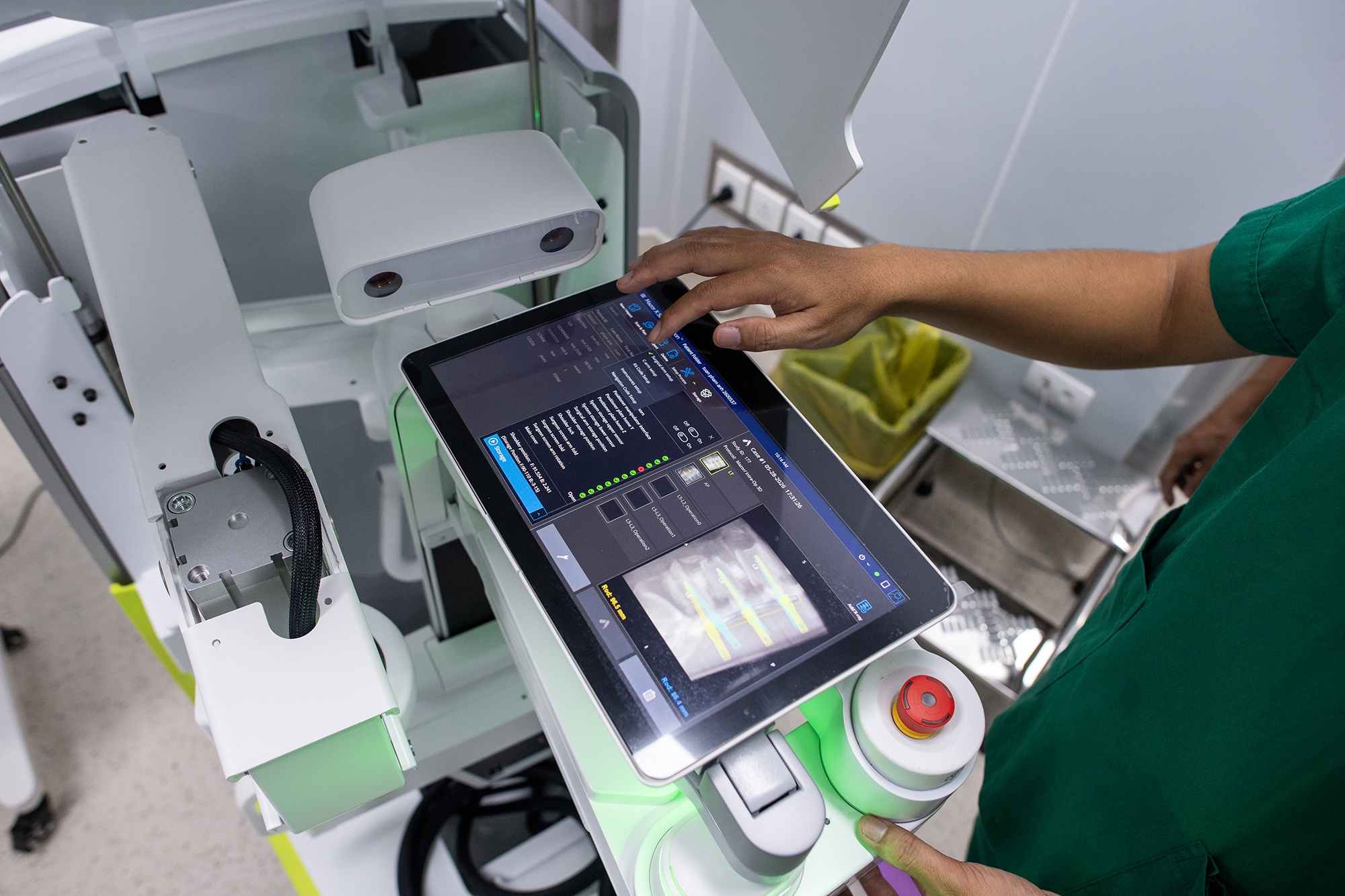
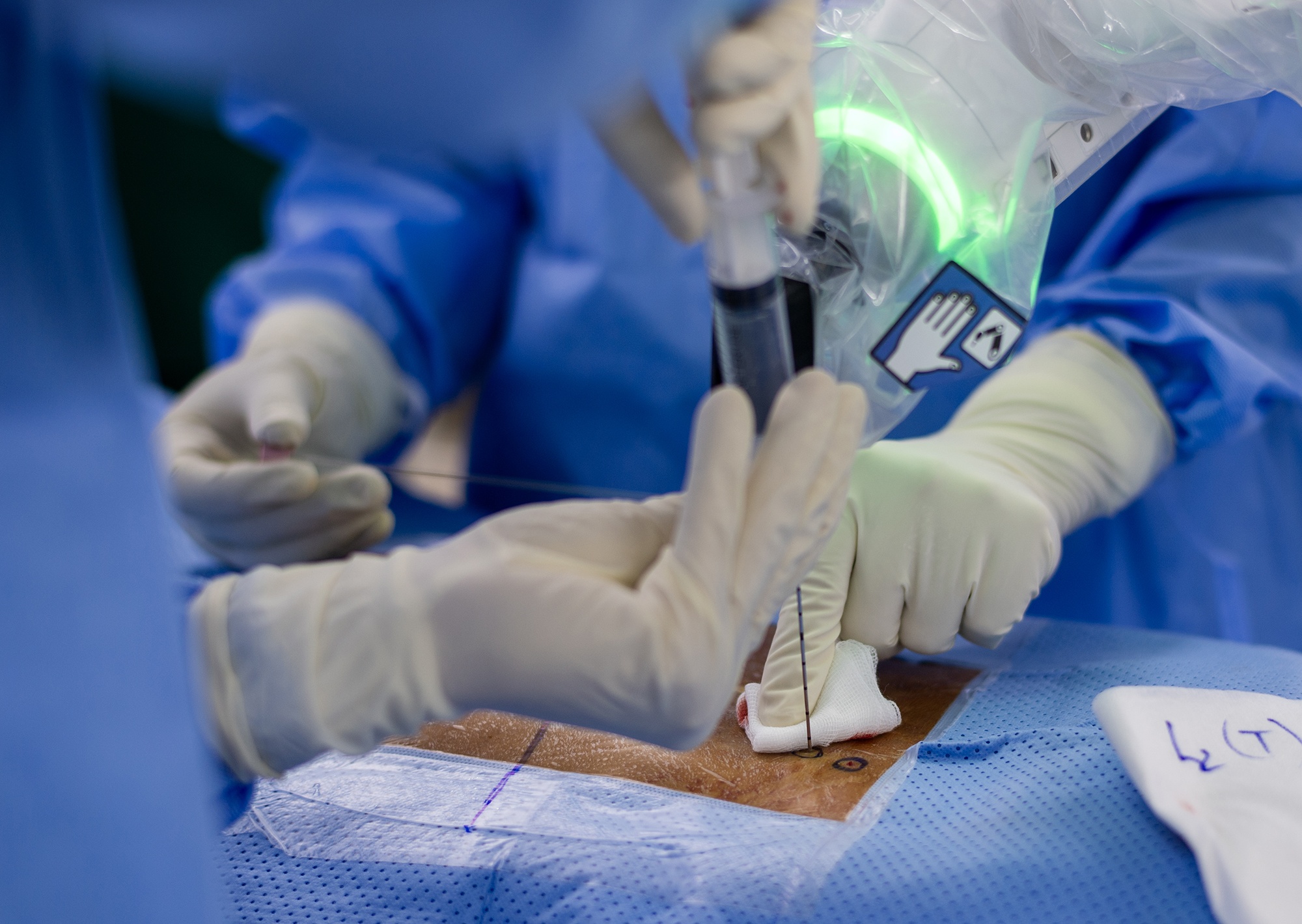
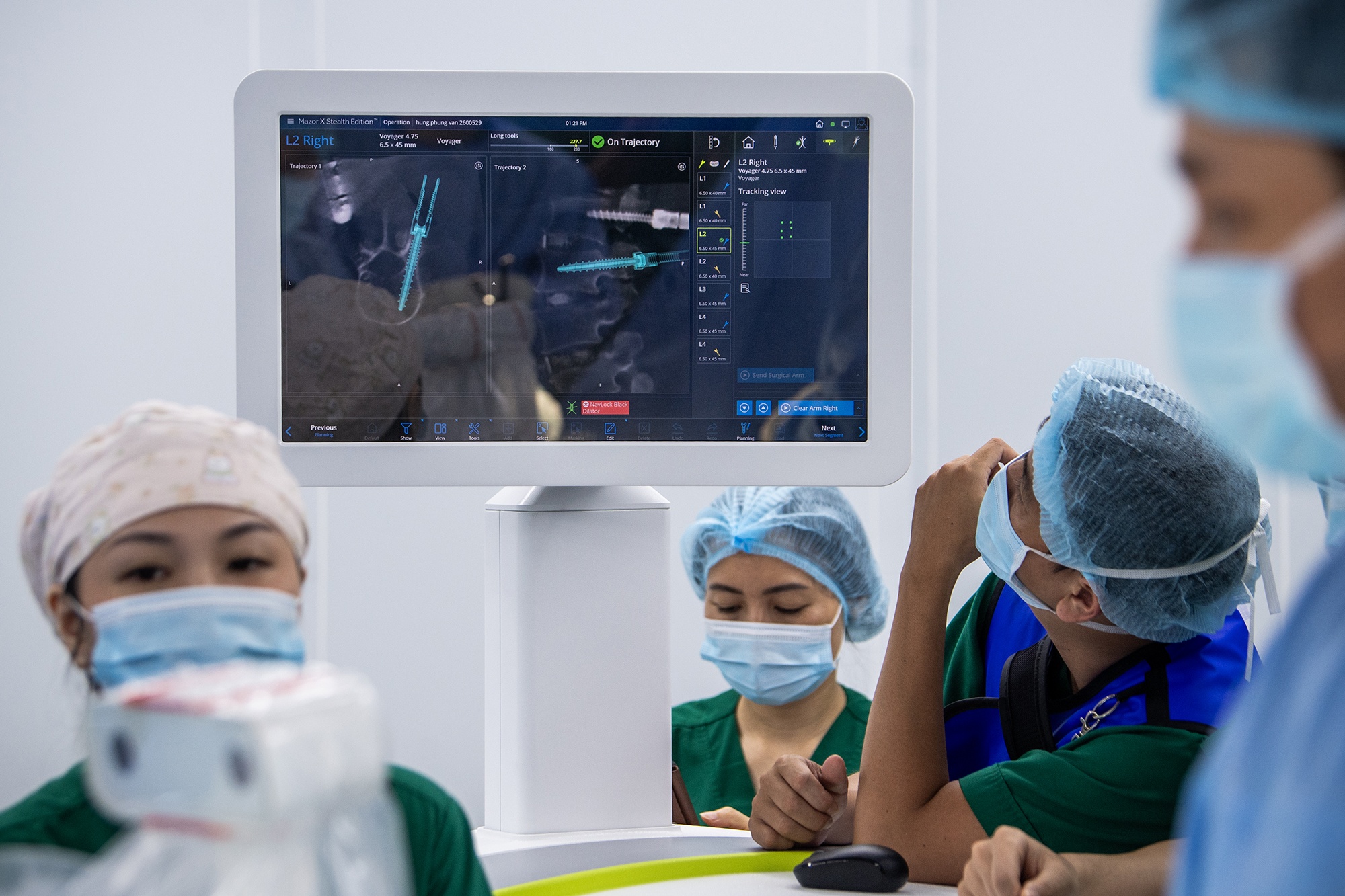
The robotic system acts as a "navigation map" with millimeter precision, helping to locate and screw through the skin into the correct spinal pedicle without damaging surrounding nerve roots or blood vessels – something that was previously quite difficult with the guidance of a C-arm (a portable X-ray device). |
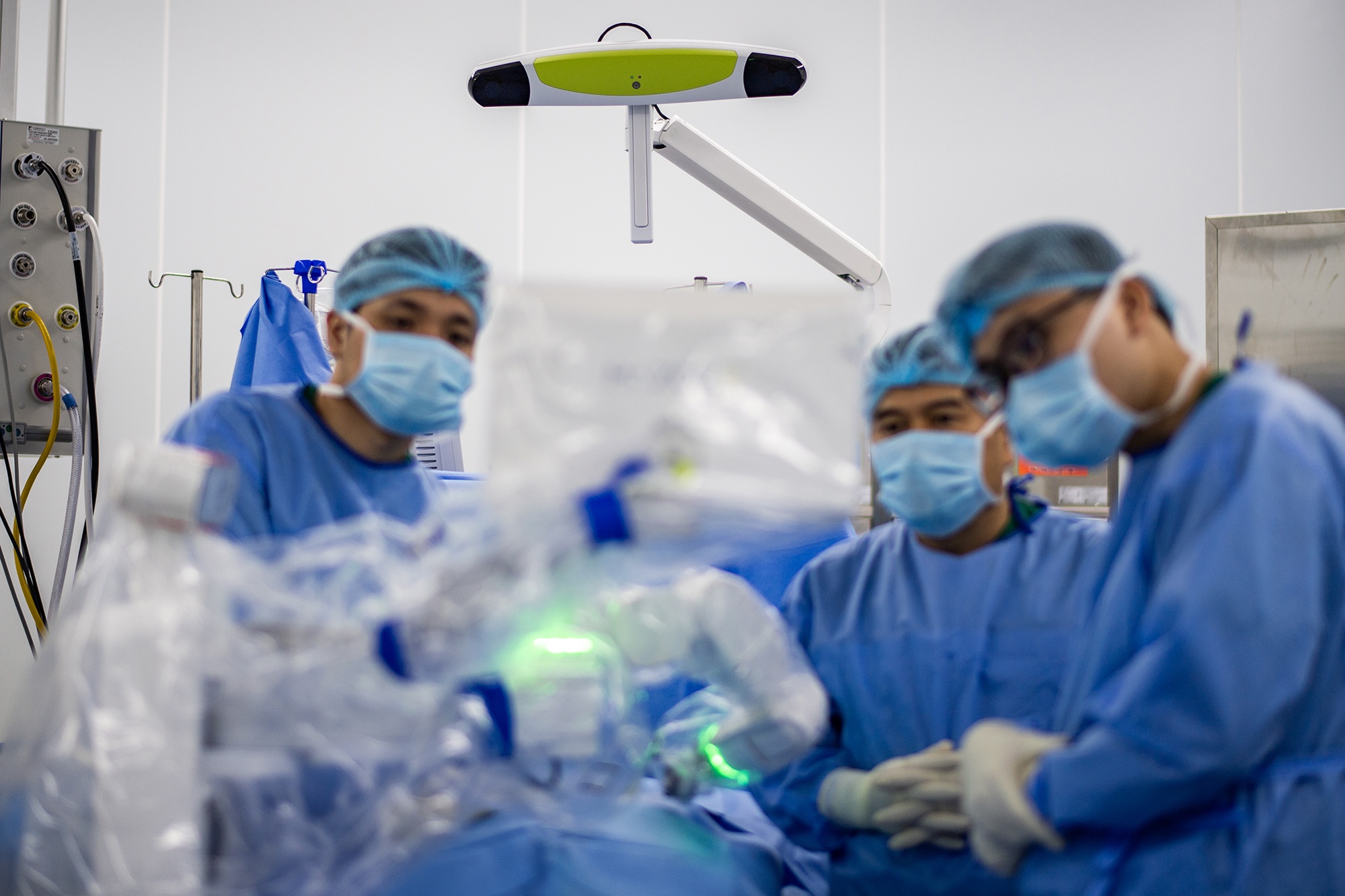 |
Meanwhile, the positioning system above the operating table acts as "eyes," continuously monitoring the position of surgical instruments and the patient's anatomy in 3D space. This combination allows the surgeon to place screws with near-perfect precision. |

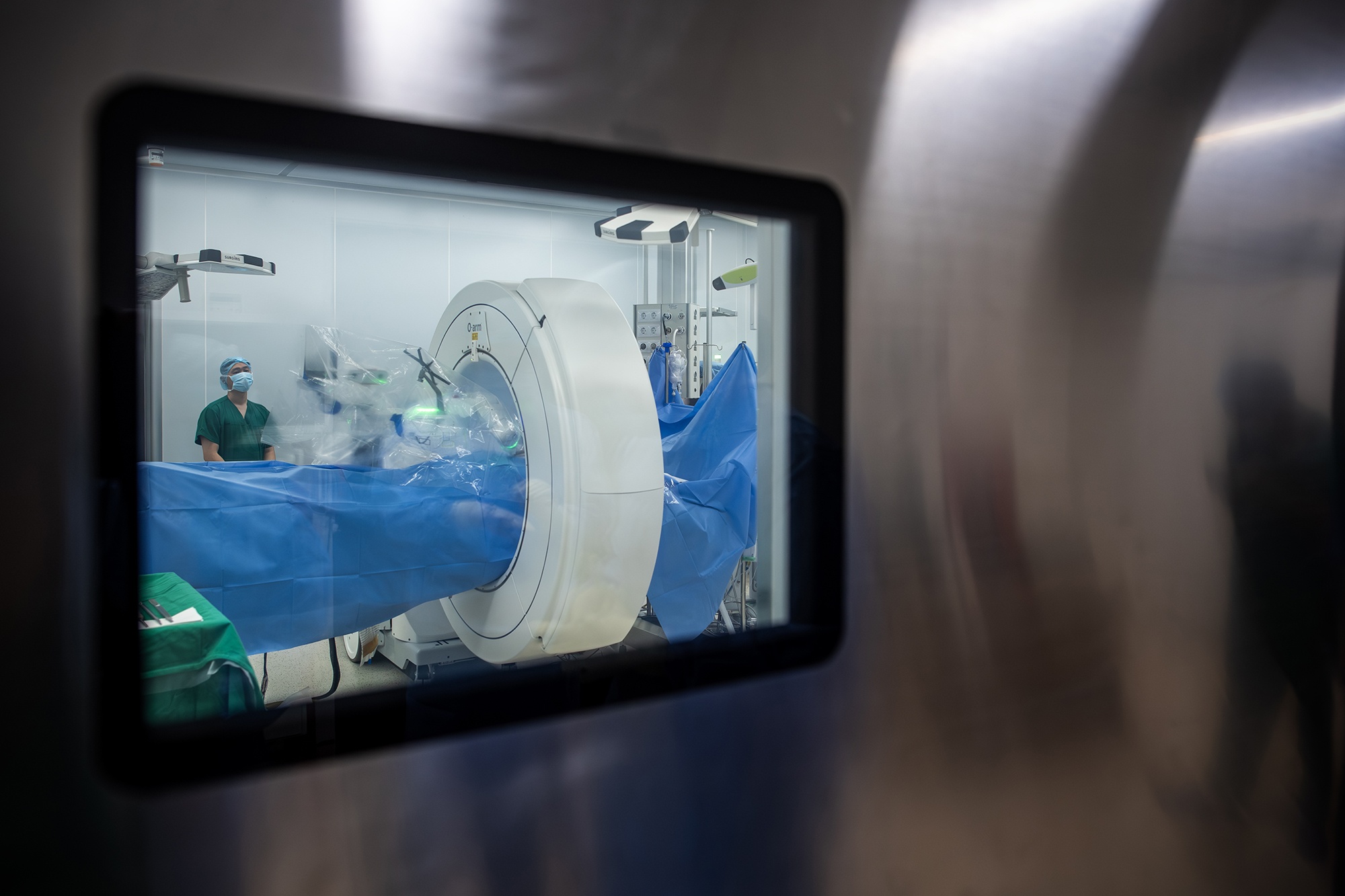 |
Before placing the first screws, the patient's entire spinal region is scanned using a CT system right in the operating room. In just a few minutes, hundreds of slices are collected and reconstructed into a 3D anatomical model. This data is then transmitted directly to the Mazor X Stealth Edition navigation system and robot, helping the surgeon plan the optimal path for each spinal screw before the intervention. |
 |
Associate Professor Tien believes that modern medicine is moving towards individualized treatment. Each patient has unique characteristics and requires a personalized treatment plan, rather than applying a single formula to all. |
 |
To simultaneously implement multiple modern technologies in a single surgery, hospitals must invest heavily in facilities, equipment, personnel training, and technology transfer. "Technology is only truly effective when the users master it. If the team lacks sufficient expertise, even the most modern equipment will struggle to achieve optimal results," emphasized the Head of the Spinal Surgery Department. |
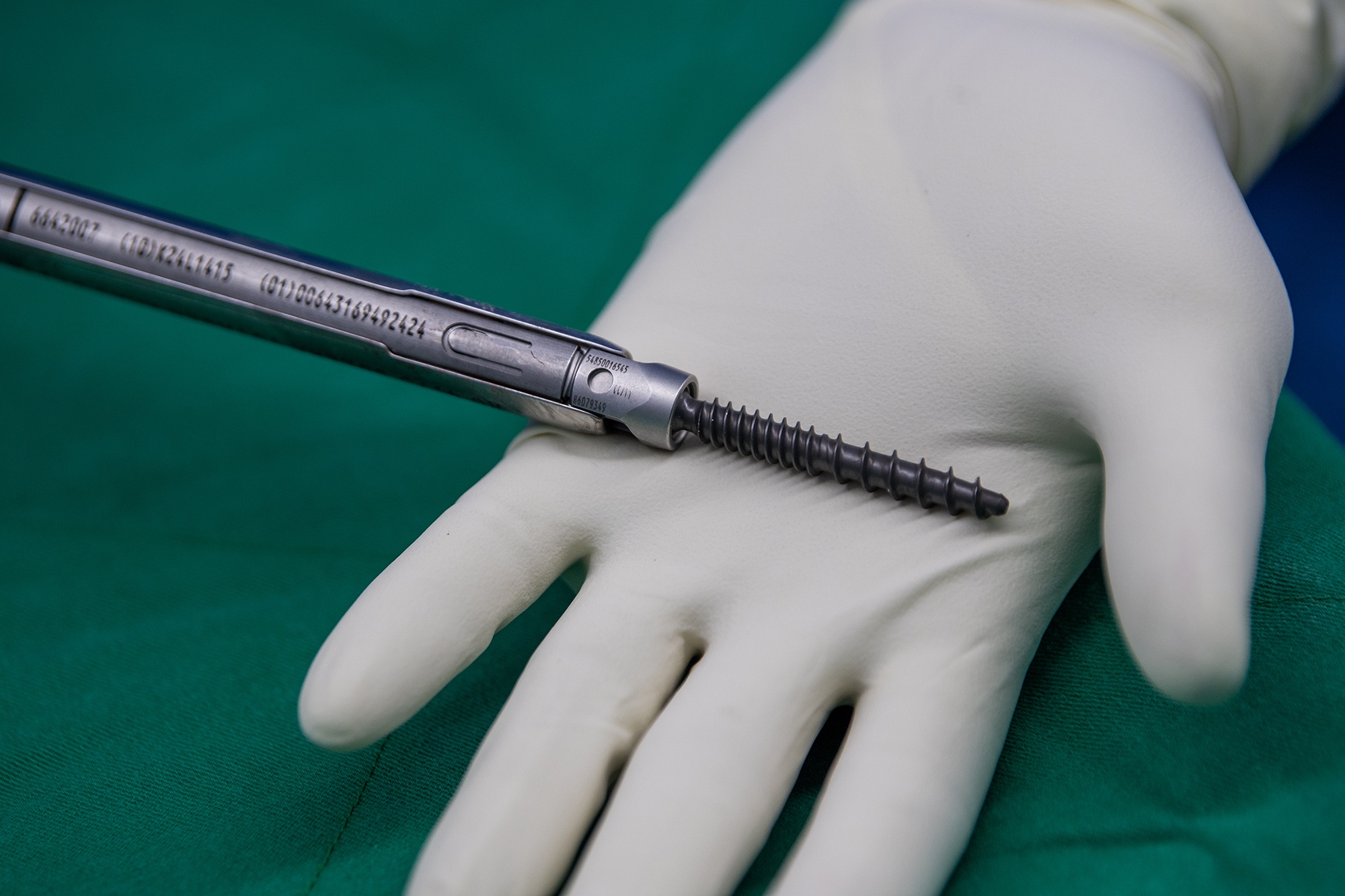 |
Fitting comfortably in the doctor's palm, the screw, only a few centimeters long, plays a crucial role in the surgery. Made from medical-grade titanium alloy, each screw is precisely placed into the vertebral column to create a stable anchor point, helping to fix damaged vertebrae and restore spinal stability. |
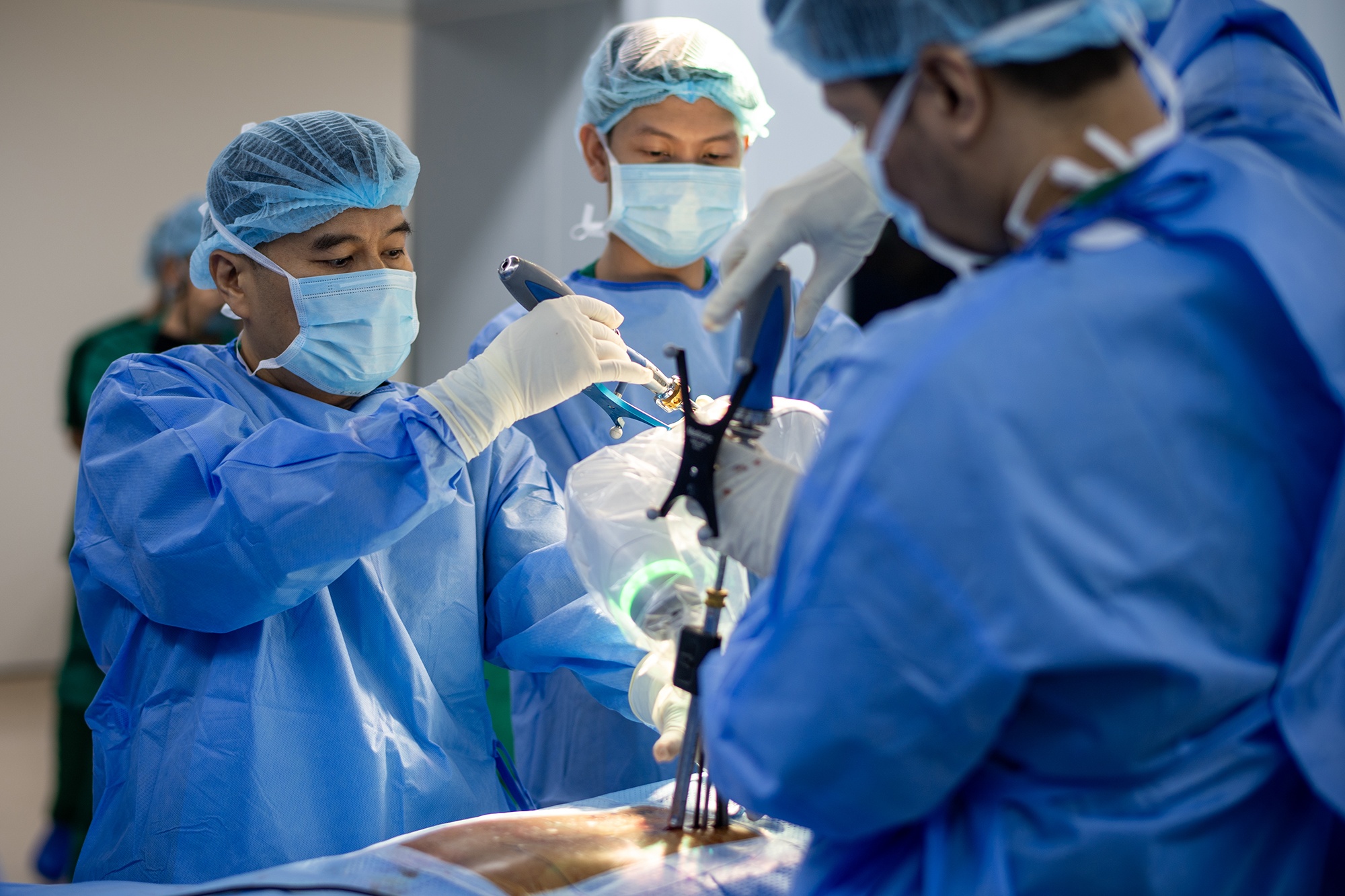 |
The team placed a total of eight screws into the vertebrae that needed fixing. The entire position, angle, and depth of each screw were pre-planned on a 3D spinal model, then guided by a robot during the surgery to ensure maximum accuracy. |
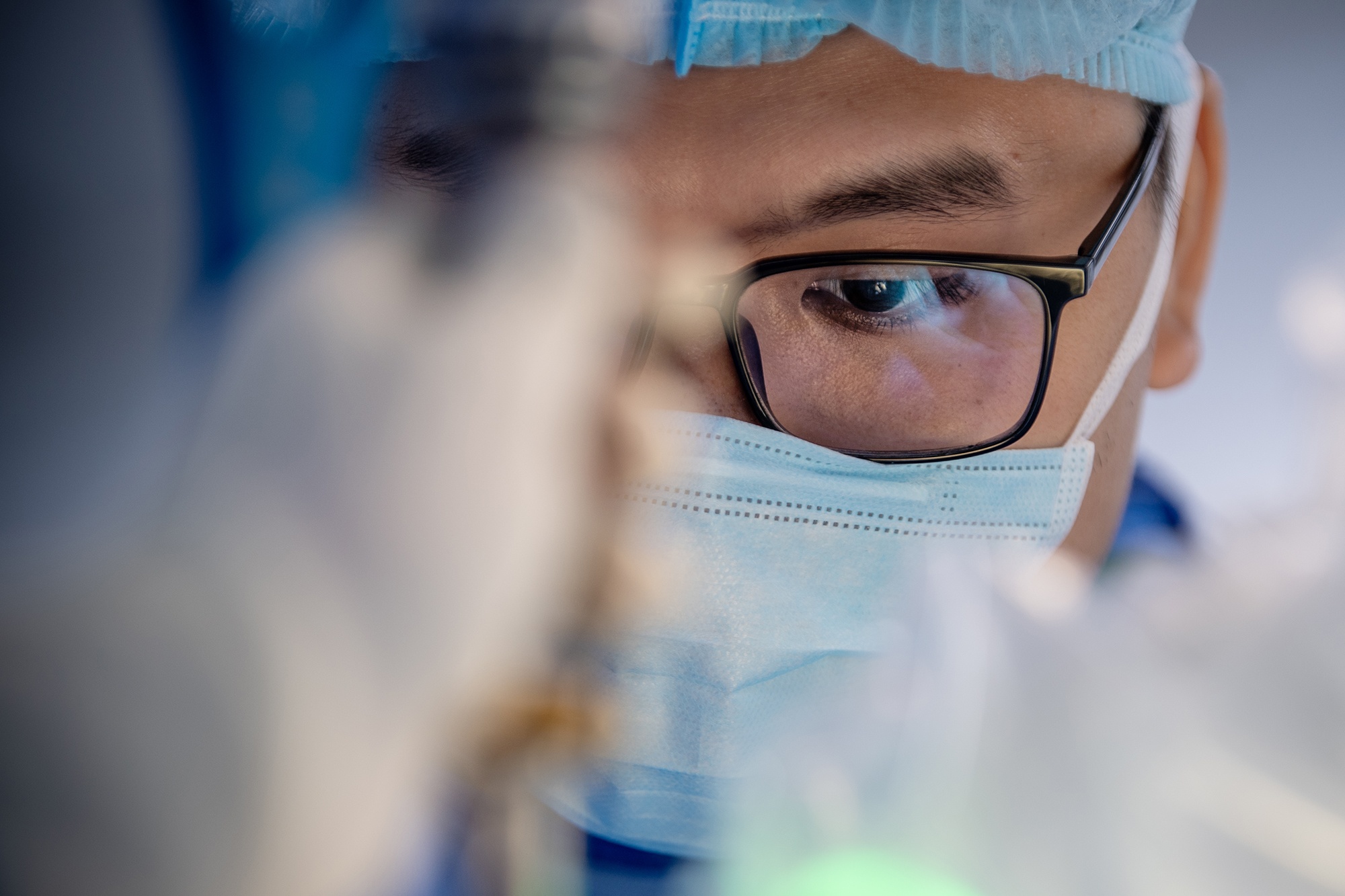 |
"Depending on the extent of the patient's injury, even a very small mistake during surgery could lead to paralysis of both legs. Therefore, we had to use a surgical microscope to release the compression millimeter by millimeter," Associate Professor Tien said. |
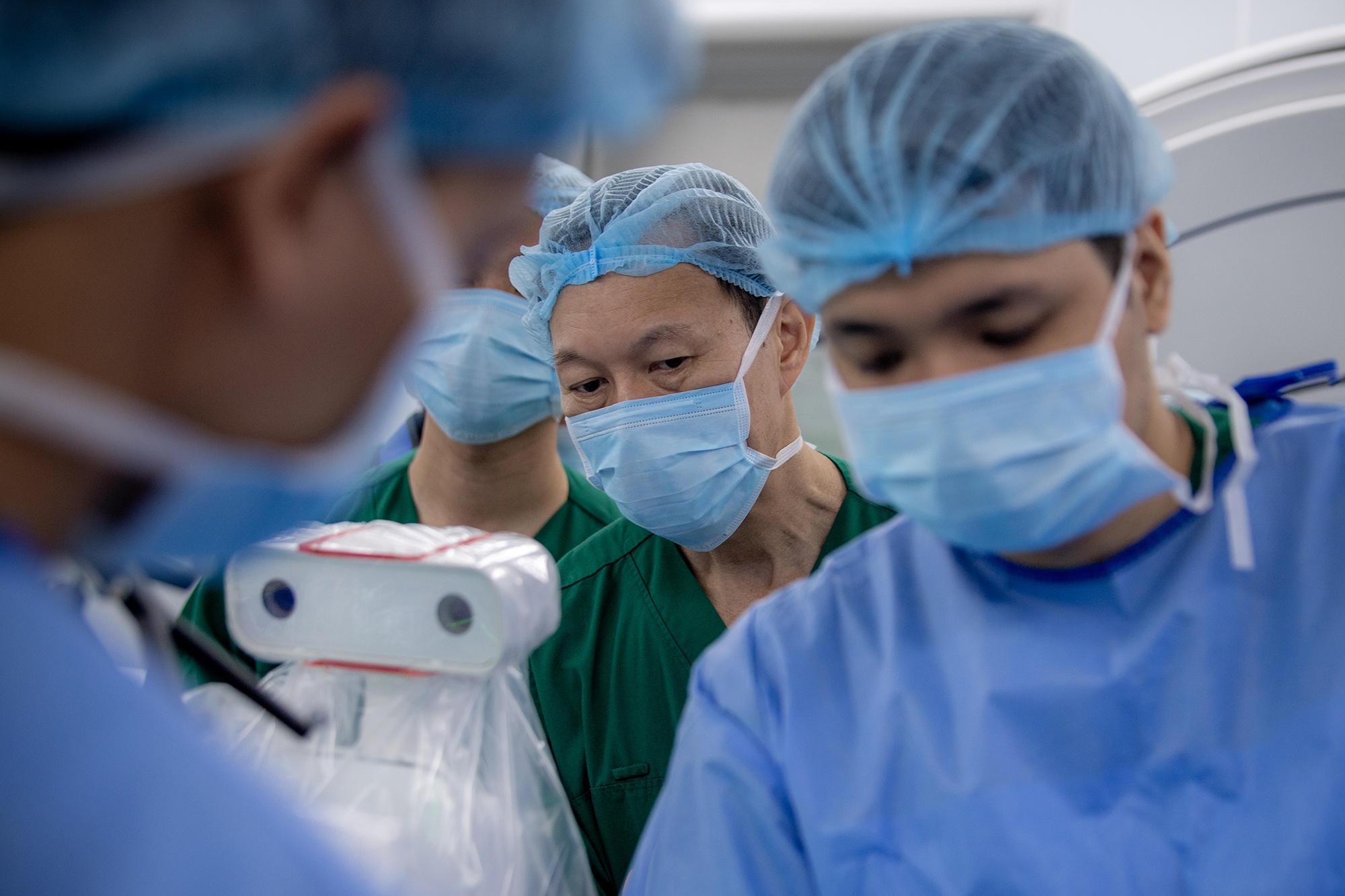 |
Vietnamese doctors also continuously compared the actual progress with the pre-prepared plan, and discussed any technical issues that arose during the intervention with experts from Malaysia. This coordination helped ensure that the surgical steps were performed seamlessly and according to schedule. |
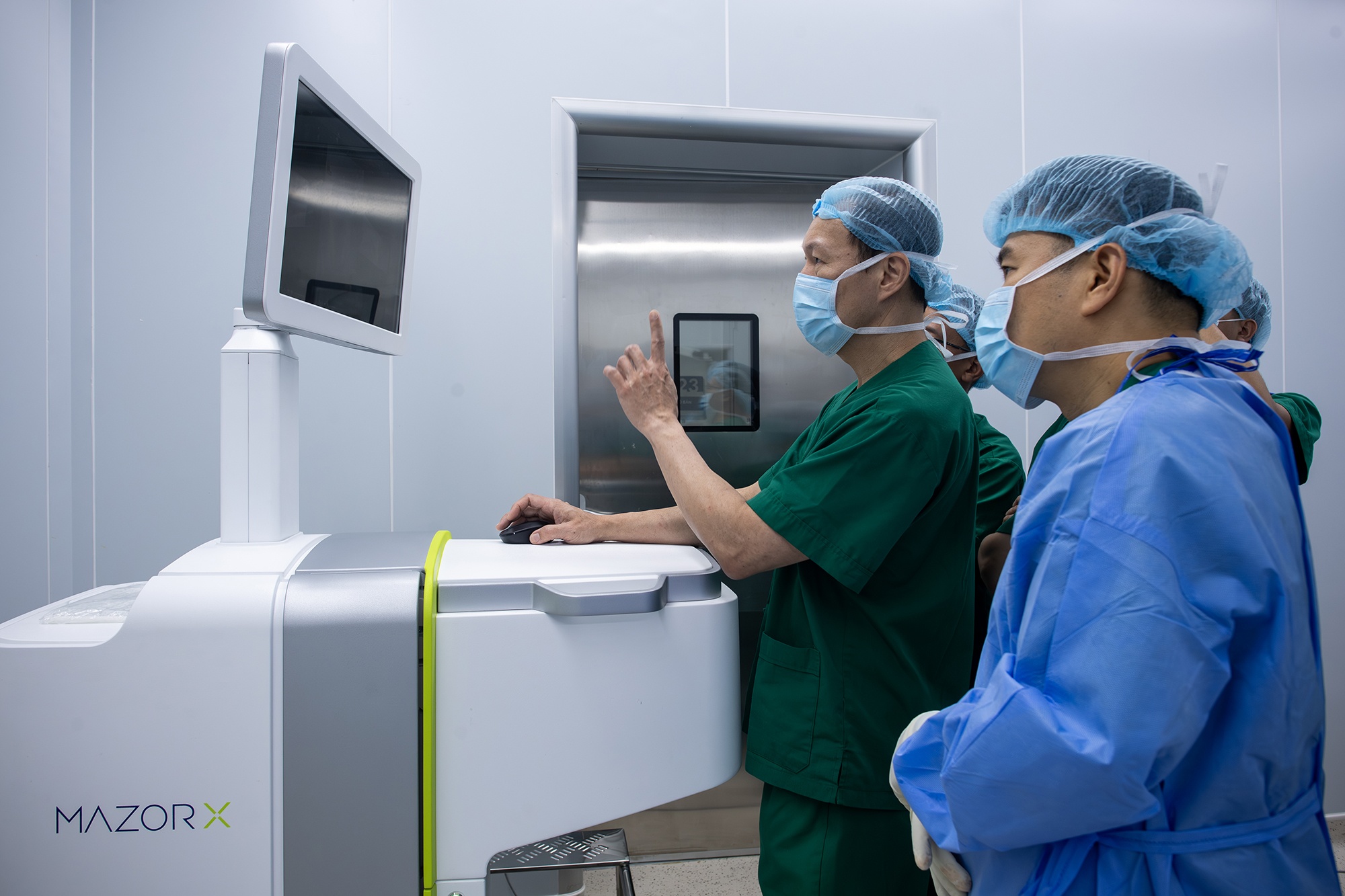 |
According to Associate Professor Tien, before working with the new generation of robotic systems, he and his colleagues had spent many years working with previous generations of robots. This accumulated experience helped the team quickly master the new technology and maximize the system's advantages. |

 |
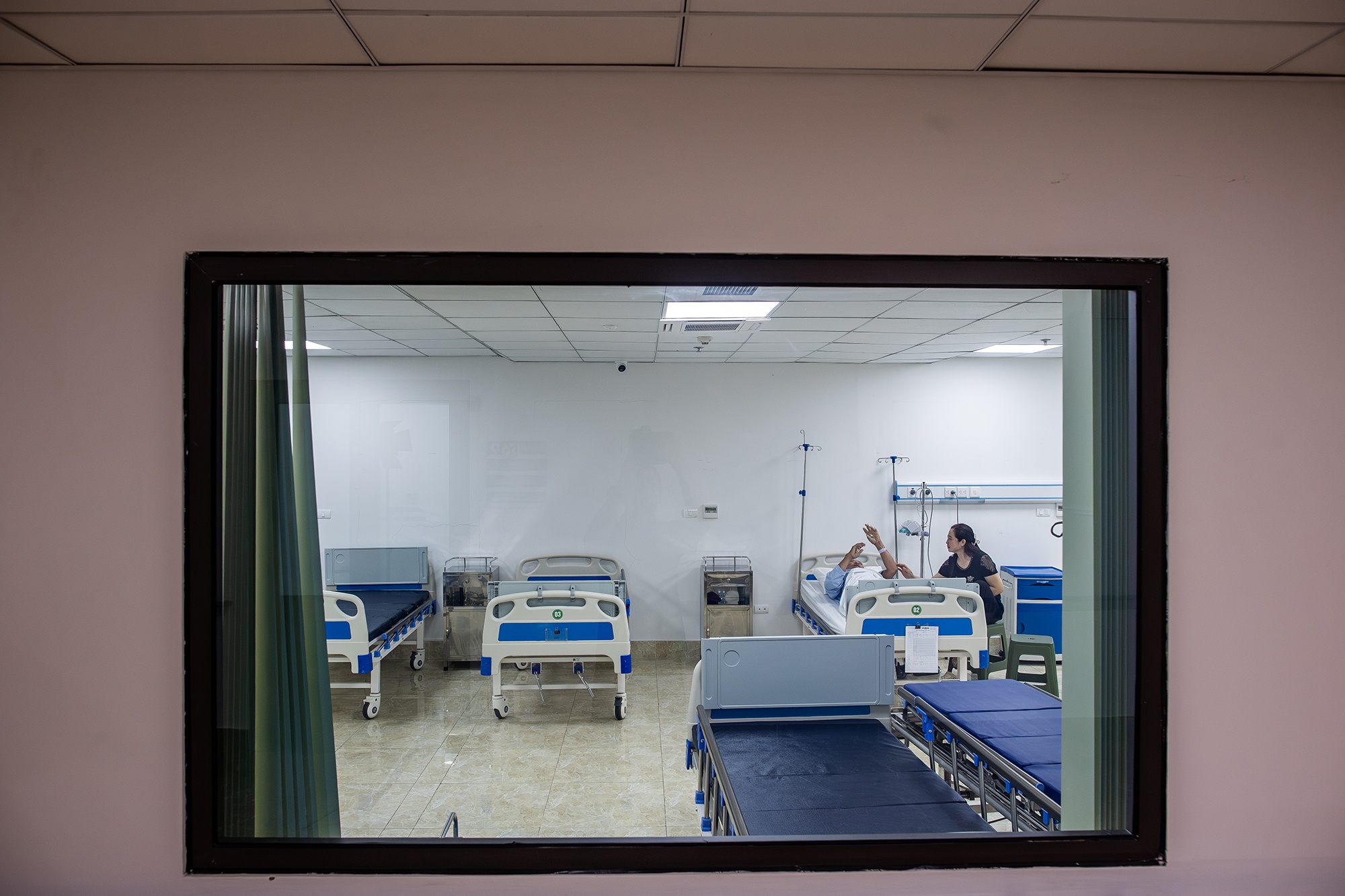
Currently, in Southeast Asia, only Malaysia and Singapore have implemented a similar high-tech integrated operating room model. "Vietnam has become the third country in the region to deploy this technology. Importantly, patients in the country now have the opportunity to access advanced techniques right here in Vietnam instead of having to go abroad for treatment at very high costs," the expert said. |
 |
According to Associate Professor Tien, the greatest benefit patients receive from modern technologies is the increased accuracy of the surgery. In spinal surgery, accuracy down to the millimeter and angle is a decisive factor in the outcome. With the right indications, the correct techniques, and good supporting technology, patients will recover faster, reduce the risk of complications, and return to normal life sooner. |
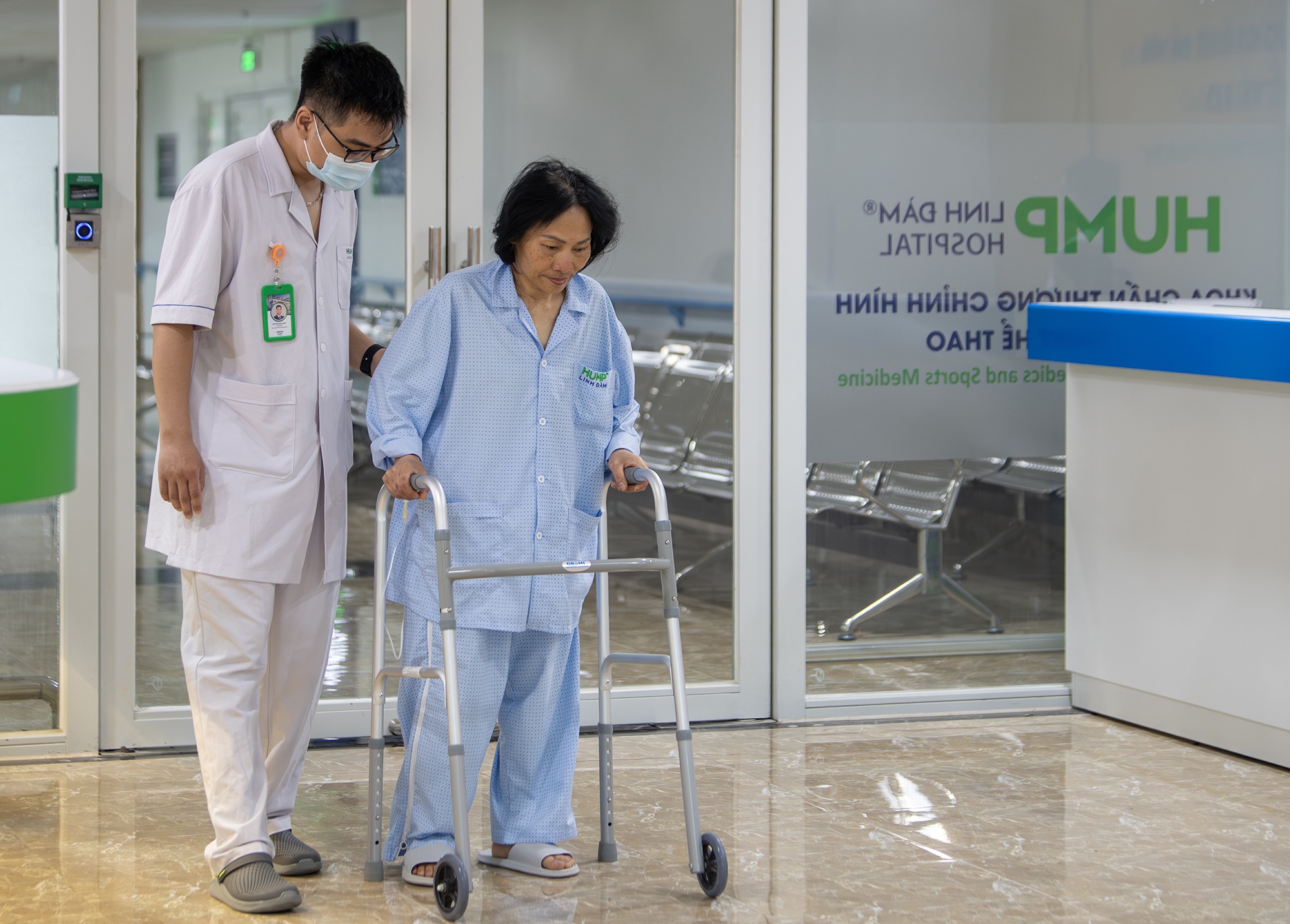 |
Thanks to the support of new technologies, many patients can start standing and walking just a few hours after surgery. However, the specific recovery time depends on the type of surgery and the individual's condition. "With some endoscopic cases, patients feel almost no discomfort after the operation. Major surgeries will require a longer recovery time, but it is still much faster than before," said Dr. Nguyen Le Bao Tien. |
Source: https://znews.vn/can-canh-robot-dan-duong-cho-bac-si-trong-ca-mo-phuc-tap-post1655933.html





















































![[Video] Sunset at Lap An Lagoon – Where the sun sets over the fishing nets](https://vphoto.vietnam.vn/thumb/1200x675/vietnam/resource/IMAGE/2026/05/31/1780192137701_beach-landscape-sea-water-nature-grass-745871-pxhere-com.jpeg)









































Comment (0)