

Crimes related to corruption and abuse of power increased by 20.55%.
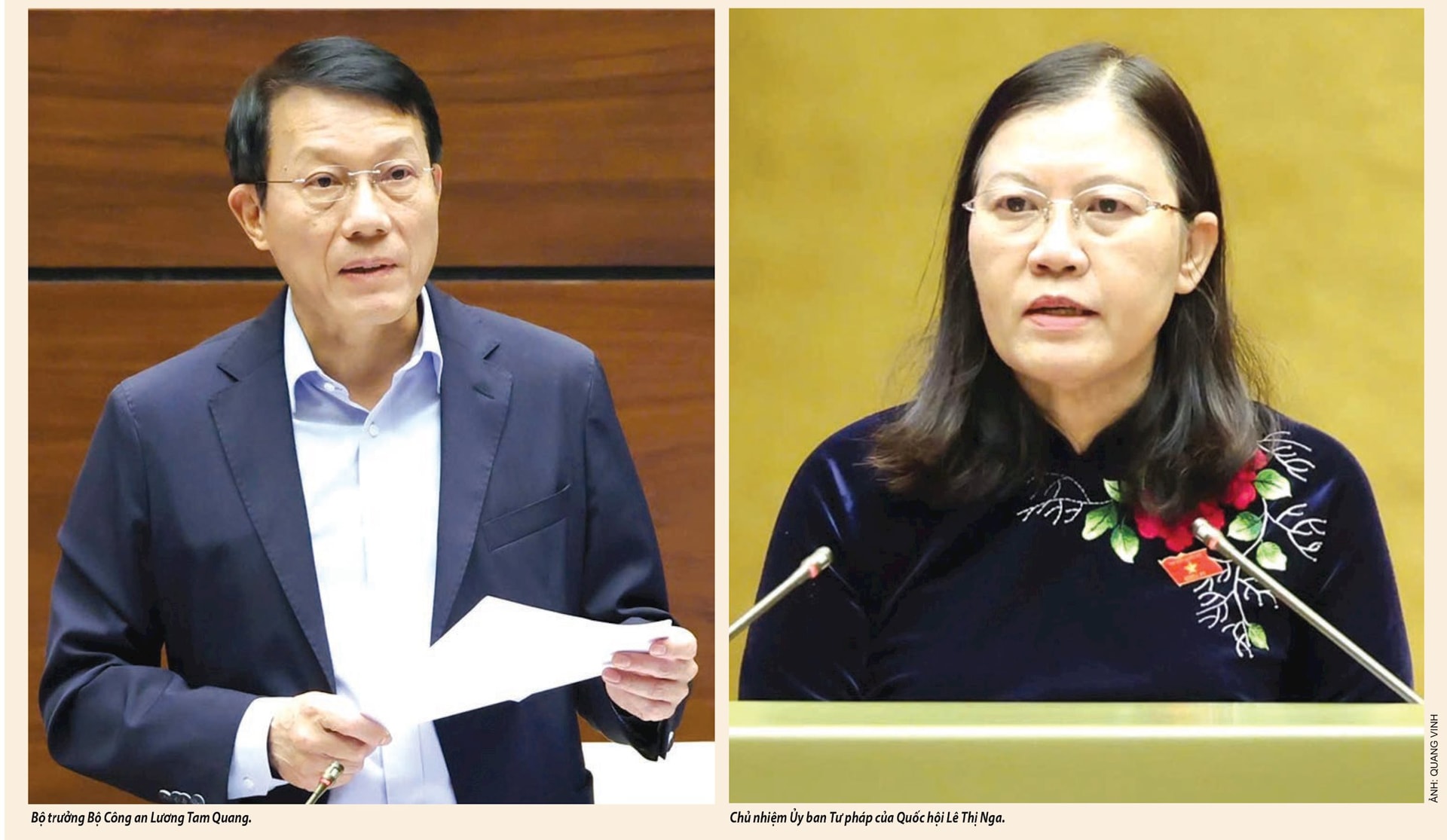
Reporting at the session, Minister of Public Security Luong Tam Quang stated that crimes related to corruption, economic offenses, and smuggling continue to be complex in many areas across most localities. The number of corruption and official misconduct cases detected, investigated, and processed increased by 20.55%, while the number of economic management offenses decreased by 2.4%, and the number of smuggling cases increased by 8.25%.
Meanwhile, according to the Chief Prosecutor of the Supreme People's Procuracy, Nguyen Huy Tien, the Procuracy has strengthened coordination with the Ministry of Public Security and the Supreme People's Court to accelerate the investigation, prosecution, and strict trial of many major corruption and economic cases, as well as cases under the supervision and direction of the Central Steering Committee on Anti-Corruption and Negative Phenomena. During the investigation, prosecution, and trial process, measures were applied to ensure the recovery of over 26,215 billion VND.
Regarding the detection and handling of corruption, the Inspector General of the Government , Doan Hong Phong, reported that investigative agencies within the People's Public Security Force have handled 1,538 cases involving 3,897 defendants accused of corruption. They have recommended prosecution in 856 cases involving 2,686 defendants. The Criminal Investigation Agency of the Ministry of National Defense has investigated 23 cases involving 70 defendants; and recommended prosecution in 11 cases involving 57 defendants. People's Procuracies at all levels have handled 1,186 cases involving 3,869 defendants, and have resolved 1,006 cases involving 3,242 defendants. People's Courts at all levels have handled 1,154 cases involving 3,201 defendants in the first instance for corruption crimes; and have tried 917 cases involving 2,418 defendants. The total number of criminal cases related to corruption and economic crimes requiring enforcement is 12,877, of which 10,944 are eligible for enforcement, and 9,211 have been completed.
Control over the assets and income of officials remains limited.
Reviewing the Government's 2024 report on anti-corruption, Ms. Le Thi Nga, Chairwoman of the National Assembly's Judicial Committee, assessed that violations of transparency in organization and operation, violations of codes of conduct, and violations of norms, standards, and regulations still occur in many agencies, organizations, and units. The results of implementing job rotation to prevent corruption in some localities remain low.
"The control over the assets and income of officials and those in positions of power is still limited; in many cases, large amounts of undeclared and unexplained assets are only discovered after investigations are conducted," Ms. Nga said, pointing out that the harassment and inconvenience caused to citizens and businesses have not been thoroughly addressed; and the avoidance and shirking of responsibility in the performance of official duties still occur.
Regarding the results of detecting and handling corruption, and recovering assets obtained through corruption, according to Ms. Nga, there are still limitations. Self-inspection and self-detection of corruption have not improved. The quality and progress in resolving some corruption cases have not met requirements; some cases have to be suspended because the act does not constitute a crime; many cases have to be temporarily suspended while awaiting the results of expert assessments and valuations.
In addition, there is still a large backlog of assets to be recovered in criminal cases involving corruption and economic crimes… “The situation of corruption and negative practices in some areas remains serious and complex, with major violations emerging in some fields such as: planning, construction, energy, bidding, management of public assets, management and use of land, exploitation of natural resources and minerals. Harassment and negative practices in the administrative and public service sectors still occur,” – the Chairman of the National Assembly's Judicial Committee assessed.
Furthermore, Ms. Nga observed that the corruption and negative practices in recent times demonstrate lax management and a lack of responsibility on the part of many collectives and individuals, especially those in leadership positions, in state management in several areas. The inspection and supervision of the exercise of power by those in positions of authority has not received adequate attention. The problem of officials and civil servants shirking responsibility, lacking competence, and being afraid to act is still slow to be addressed. Many shortcomings and limitations in the fight against corruption have been clearly identified for many years, but effective solutions have yet to be found.
Based on that, Ms. Nga suggested that the Government should summarize, evaluate, and fully identify the limitations and causes in order to accurately predict the corruption situation; clearly identify the main causes and propose breakthrough solutions for effective prevention and control.
Corruption exists only in a few places, but wastefulness is everywhere.
According to National Assembly Deputy Pham Dinh Thanh (Kon Tum delegation), the fight against corruption and negative practices continues to be intensified in a more comprehensive and coordinated manner. However, according to Mr. Thanh, economic corruption and smuggling crimes continue to be complex, with violations in planning, construction, energy, public procurement bidding, and land management and use being particularly prominent.
"The crime of embezzlement and corruption has increased by 45.61%. This issue needs to be seriously studied to clarify the causes and conditions of the crime, and to conduct thorough inspections and reviews to address loopholes and shortcomings in state management of the economy, land, resources, and minerals, in order to help prevent, deter, and handle this type of crime more effectively in the future," Mr. Thanh suggested.
National Assembly Deputy Phan Thi Nguyet Thu (Ha Tinh delegation) stated that the increasingly fierce and vigorous fight against crime, corruption, and negative phenomena under the leadership of the Party also places great pressure on investigative, prosecutorial, judicial, and enforcement agencies, with a focus on recovering assets obtained through criminal activities.
Ms. Thu suggested that it is necessary to accurately predict the situation of criminal violations and have appropriate and effective preventive and handling solutions, especially for criminal violations in the fields of state management of land, economy, finance, enterprises, appraisal and valuation; and criminal violations in bidding and auction activities for investment.
Sharing the same view, National Assembly Deputy To Van Tam (Kon Tum Delegation) said: “Our Party considers corruption a national scourge, an internal enemy, and we must always resolutely and persistently fight against corruption and negative practices. The fight against corruption and negative practices is based on the spirit of upholding the rule of law, with no forbidden areas and no exceptions. Many corruption cases that have attracted public attention have been handled according to plan, in accordance with the law, strictly but also humanely, and have been well received and highly appreciated by the public and the people.”
However, according to Mr. Tam, the recovery of assets in criminal cases involving corruption and economic crimes remains a major backlog, and he requested the Government to pay close attention and provide decisive direction. “In addition, it is necessary to promote the role of the people in the fight against corruption and improve mechanisms to enhance their participation. Therefore, it is necessary to research and pilot forms of reporting corruption via telephone and hotlines, given the current development of information technology,” Mr. Tam suggested.
National Assembly Deputy Pham Van Hoa (Dong Thap delegation) stated: “There must be involvement from functional agencies in objective and honest inspections and audits, preventing abuse and corruption.” Arguing that corruption is the tip of the iceberg, while wastefulness, which occurs normally, is invisible and receives little attention, Mr. Hoa emphasized that, ultimately, wastefulness can cause losses no less significant than corruption. Corruption only exists in some places, but wastefulness is everywhere, from small matters to large ones, across all sectors; it exists in every area but receives little attention. “I propose that the National Assembly, the Government, and relevant agencies pay more attention to wastefulness to effectively prevent it,” Mr. Hoa suggested.
Responding to issues raised by National Assembly deputies, the Inspector General of the Government, Doan Hong Phong, stated that the work of perfecting the institutional framework for preventing and combating corruption and negative practices has not met requirements in some cases. Some Party guidelines and policies have been slow to be institutionalized into law. In the coming period, following the directive of General Secretary To Lam on removing the bottleneck of institutional issues, the Government will continue to direct the comprehensive development and improvement of the legal system, creating a transparent environment to unlock all resources for development, and overcoming loopholes and inadequacies that easily give rise to corruption, waste, and negative practices.
Regarding anti-corruption measures, according to Mr. Phong, in 2024 many measures were implemented by various levels and sectors, achieving positive results. However, many shortcomings and limitations remain. In the coming time, the Government Inspectorate will continue to advise the Government on strictly implementing anti-corruption measures such as publicizing the activities and results of agencies and units, job rotation, administrative procedure reform, application of science and technology in management, and promoting cashless payments. “We will implement asset and income control, and hold heads of agencies accountable when corruption, waste, and negative practices occur. At the same time, we will strengthen inspection and auditing in areas with many shortcomings and limitations,” Mr. Phong said.
Official 5% VAT tax will be applied to fertilizers.
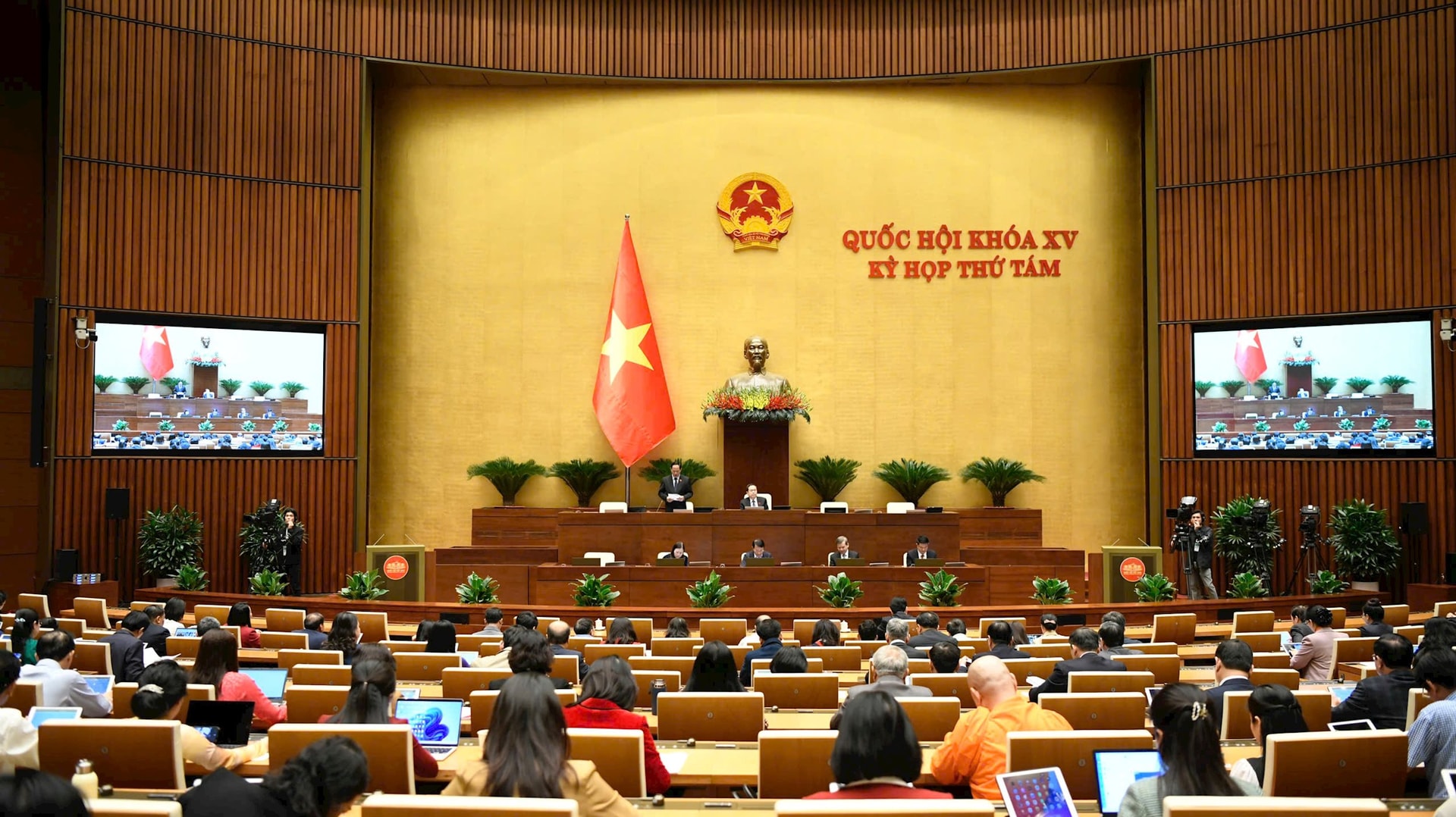
On November 26th, with a majority of National Assembly delegates present voting in favor, the National Assembly passed the amended Value Added Tax Law. Accordingly, the National Assembly approved the new Value Added Tax (VAT) Law with 407 out of 451 participating delegates voting in favor.
Before the vote, the National Assembly heard a summary report from the Chairman of the Finance and Budget Committee, Le Quang Manh, explaining the revisions and amendments made to the draft law.
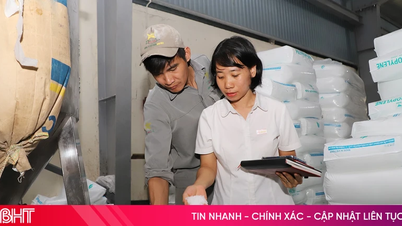
According to the Chairman of the Finance and Budget Committee, many opinions agreed with the proposal to apply a 5% tax rate to fertilizers. Some opinions suggested maintaining the current regulations; others proposed applying a tax rate of 0%, 1%, or 2%.
Regarding the proposal to include fertilizers under a 0% (or 1%, 2%) VAT rate, the Chairman of the Finance and Budget Committee stated that the delegate's opinion was correct. If fertilizers were subject to a 0% VAT rate, it would benefit both domestic fertilizer manufacturers and importers, as both would receive a refund of input VAT and would not have to pay output VAT. However, in this case, the State would have to allocate budget funds annually to refund these businesses. Besides the drawback for the state budget, applying a 0% VAT rate to fertilizers contradicts the principle and practice of VAT, which stipulates that a 0% rate should only apply to exported goods and services, not to domestic consumption.
Furthermore, setting a tax rate of 1% or 2% on fertilizers is inconsistent with the VAT reform objective of reducing the number of tax rates, not increasing them compared to current regulations, as explained to National Assembly deputies.
Based on the compiled opinions, 72.67% of the total National Assembly delegates agreed with the proposal of the National Assembly Standing Committee and the Government to stipulate a 5% tax rate on fertilizers, specialized machinery and equipment for agricultural production, and fishing vessels. This content is reflected in Clause 2, Article 9 of the draft Law.
PhD


![[Photo] General Secretary and President To Lam presides over a meeting on assessing national development resources.](https://vphoto.vietnam.vn/thumb/1200x675/vietnam/resource/IMAGE/2026/05/20/1779253785852_a1-bnd-2943-8519-jpg.webp)
![[Photo] National Assembly Chairman Tran Thanh Man working with the Standing Committee of the Economic and Financial Committee](https://vphoto.vietnam.vn/thumb/1200x675/vietnam/resource/IMAGE/2026/05/20/1779249584387_ndo_br_1-jpg.webp)





![[QUIZ] Under what circumstances was Trịnh Công Sơn's passion for music "awakened"?](https://vphoto.vietnam.vn/thumb/402x226/vietnam/resource/IMAGE/2026/05/20/1779228580019_fb_thiet-ke-chua-co-ten-5072-jpg.webp)
























































Comment (0)