

Digital transformation is opening up many opportunities for agriculture in the Mekong Delta, from increasing productivity to increasing transparency in the agricultural value chain. However, for technology to truly be implemented in production, experts believe that a synchronized ecosystem is needed instead of just bringing equipment or software to the local area.
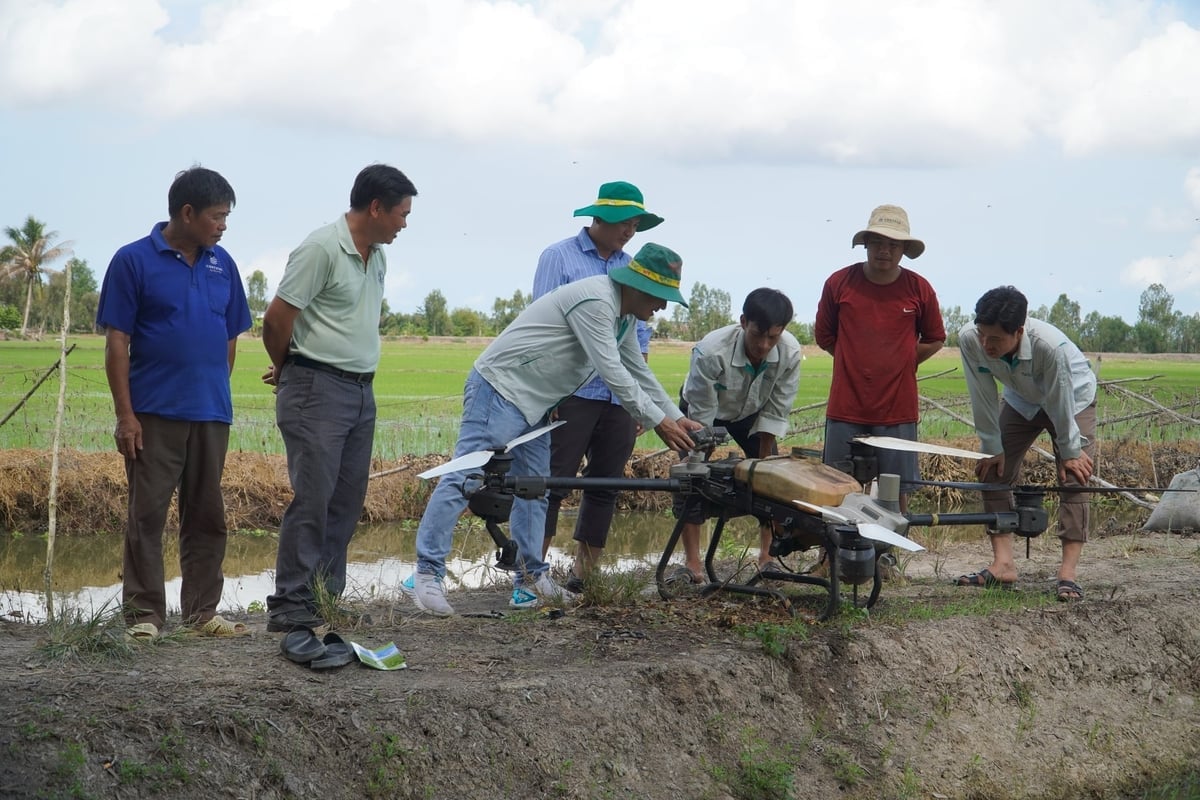
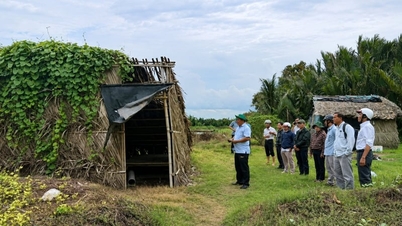
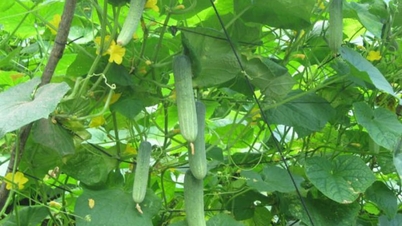
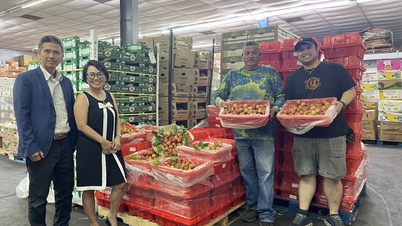
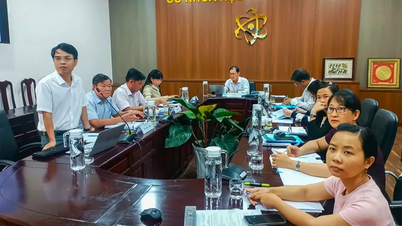
Enhancing farmers' knowledge and skills in applying technology is a solution for developing smart agriculture. Photo: Kim Anh.
According to Dr. Truong Minh Thai from the School of Information Technology ( Can Tho University), the first step is to address the knowledge gap among farmers. To develop smart agriculture or precision agriculture, farmers must understand what technology is, how it operates, and what benefits it brings to production.
To achieve this, Dr. Thai believes it is necessary to build a strong agricultural extension force to transfer knowledge and support people in accessing new technologies. The role of agricultural extension officers now extends beyond just teaching farming techniques; they also act as a bridge to bring digital technology to farmers.
According to Ms. Huynh Kim Dinh, Deputy Director of the National Agricultural Extension Center, digital agricultural extension teams have been established in the Mekong Delta region to connect farmers with experts, research institutions, and technical support organizations. Through this network, people can access new knowledge, environmental warnings, market information, and appropriate technical solutions more quickly.
Besides training and skills support, Ms. Dinh believes that it is necessary to focus on researching and developing technologies suitable for production conditions in the Mekong Delta instead of relying too heavily on imported equipment. However, the introduction of technological equipment into agriculture needs to be verified through practical models in the fields. This is the basis for evaluating the accuracy, durability, and adaptability of the technology to the specific climatic conditions of the Mekong Delta.
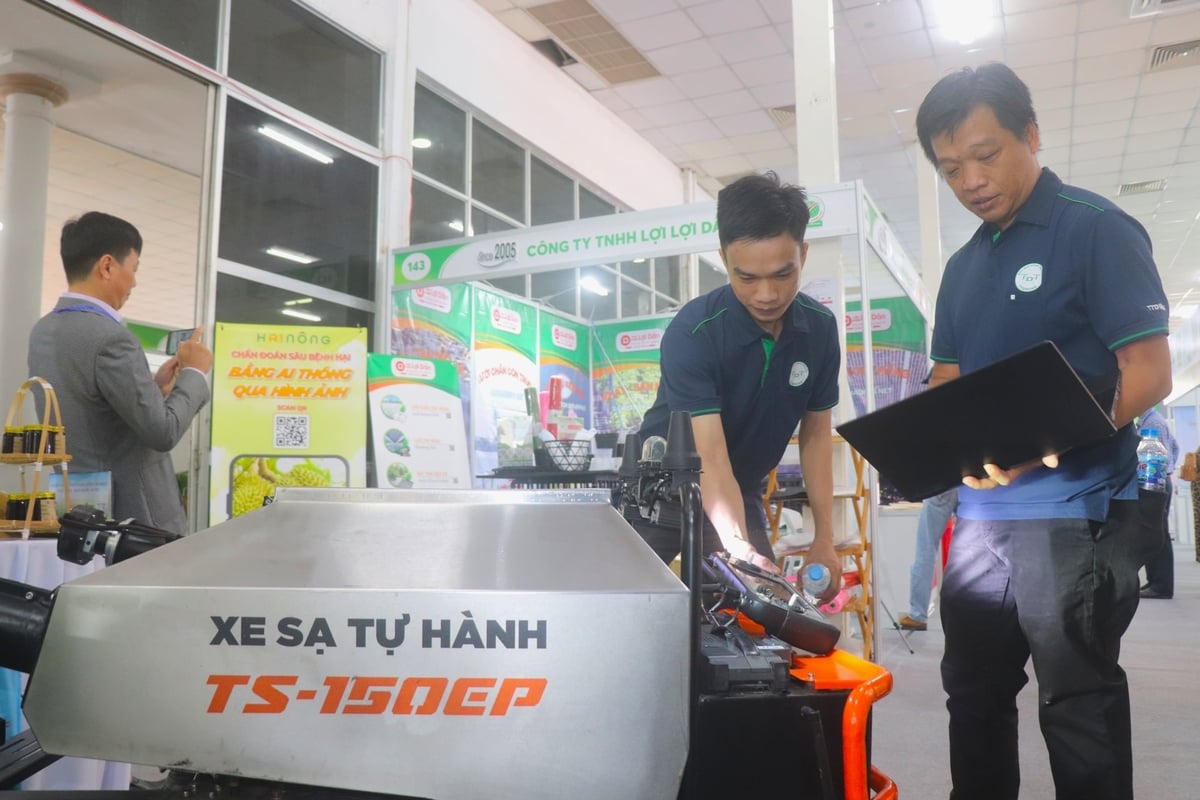
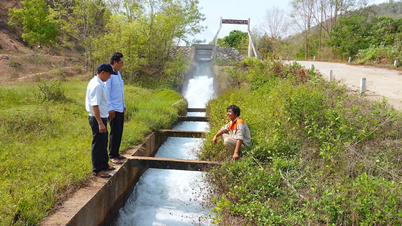
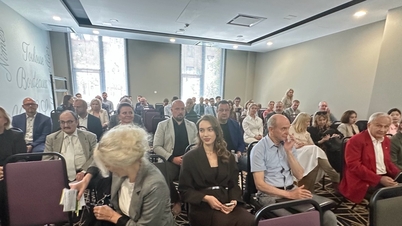
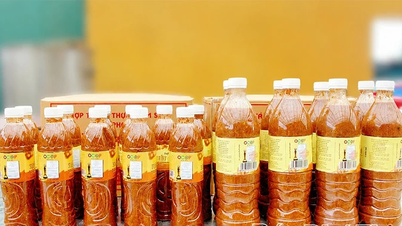
Developing domestically produced technology products with appropriate costs and applications in the Mekong Delta region is a crucial solution. Photo: Kim Anh.

In addition, after-sales service and technical support after implementation are also crucial factors. Farmers need regular guidance to use the equipment effectively and avoid wasting their investment.
Dr. Thai added that developing domestic technology products, suitable for local farming conditions, will help reduce costs and increase accessibility for people. In addition, the technology introduced into production must be simple, easy to use, and suitable for the small-scale production practices of the Mekong Delta region.
"Instead of requiring farmers to invest in a whole large system, we need to develop flexible digital services that allow people to use parts that suit their needs," emphasized Dr. Truong Minh Thai.
According to Mr. Thai, digital transformation in agriculture must begin with the practical needs of farmers, such as managing growing areas, keeping production logs, tracing origins, or accessing new farming techniques. Based on these needs, data systems and digital platforms should be built to directly support production.
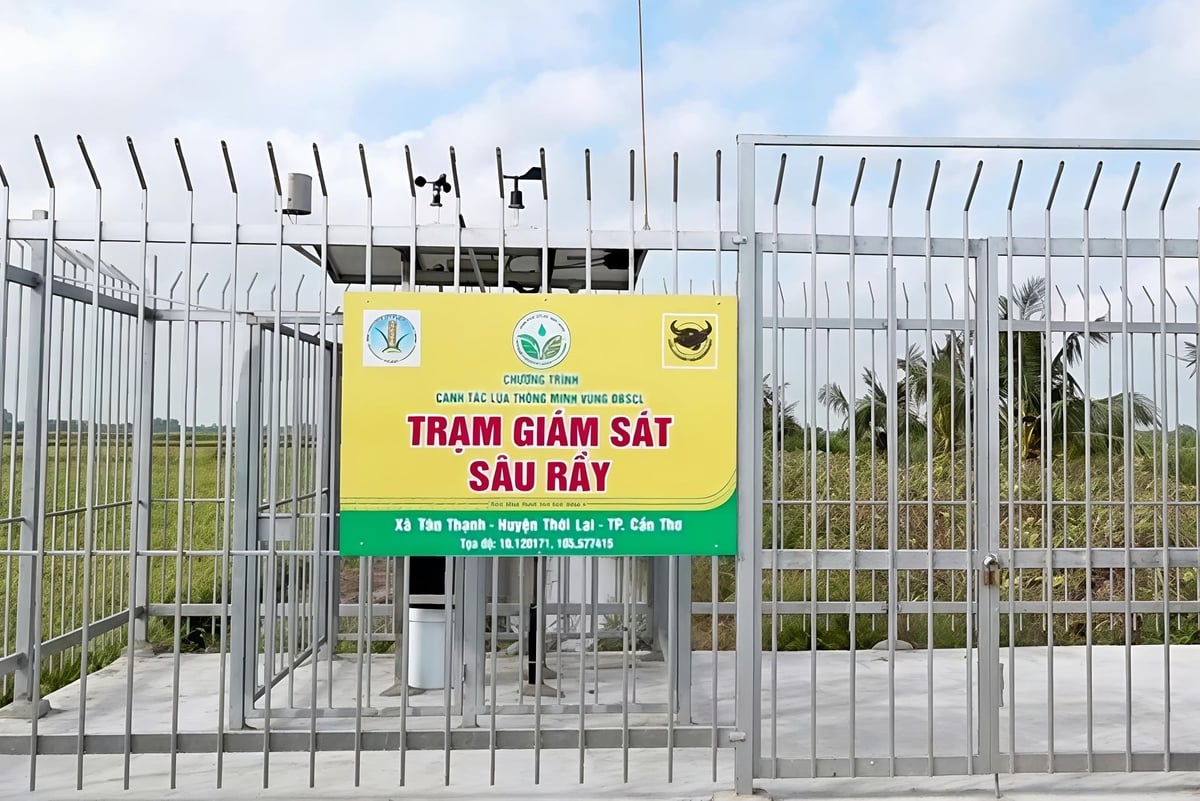
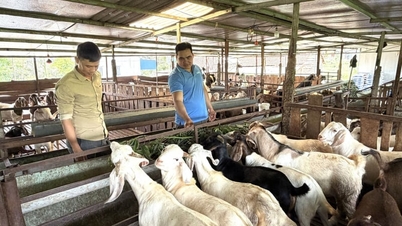
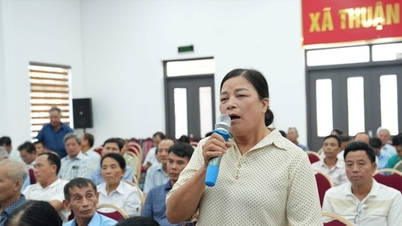
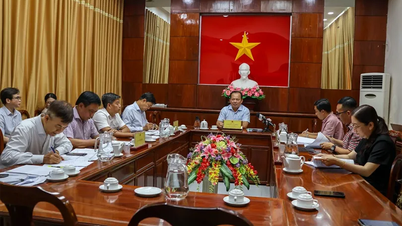
Digital technology needs to be closely linked to rural development programs and the construction of new rural areas to attract community participation. Photo: Kim Anh.
Another approach proposed by Mr. Thai is to integrate digital transformation into the new rural development program. Accordingly, localities need to develop specific roadmaps and targets that are appropriate to their actual conditions to implement digital transformation in agricultural production.

When digital transformation becomes part of rural development programs, localities will have more resources and community participation to promote this process more effectively.
In the context of the Mekong Delta's agriculture facing competitive pressure, climate change, and increasingly demanding market requirements, digital transformation is no longer an option but a necessity. However, for technology to truly integrate into production, the most important thing remains creating solutions that are suitable for farmers and the actual conditions of the Mekong Delta region.
Source: https://nongnghiepmoitruong.vn/can-he-sinh-thai-cong-nghe-dong-bo-tren-dong-ruong-d811304.html










































![[Video] Sunset at Lap An Lagoon – Where the sun sets over the fishing nets](https://vphoto.vietnam.vn/thumb/1200x675/vietnam/resource/IMAGE/2026/05/31/1780192137701_beach-landscape-sea-water-nature-grass-745871-pxhere-com.jpeg)
























Comment (0)