

In 1900, one of the first steel bridges in Indochina connecting the two banks of the Perfume River was inaugurated (built by the contractor Schneider et Cie et Letellier). The bridge, consisting of 6 spans and 402 meters long, was named Thanh Thai (the king's reign name).
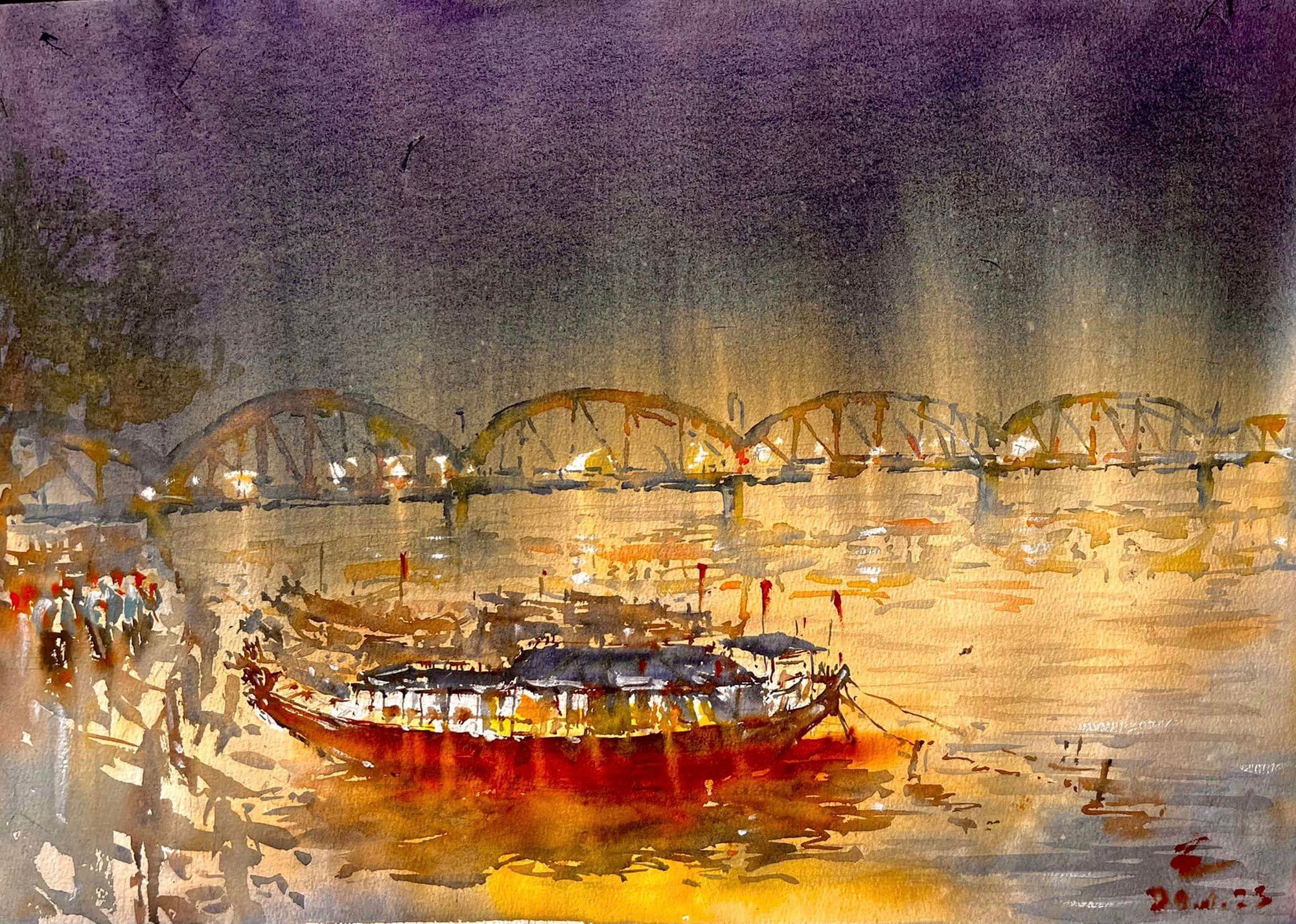
The shimmering Truong Tien Bridge connects the two banks of the Perfume River - a sketch by artist Nguyen Tan Nhat.
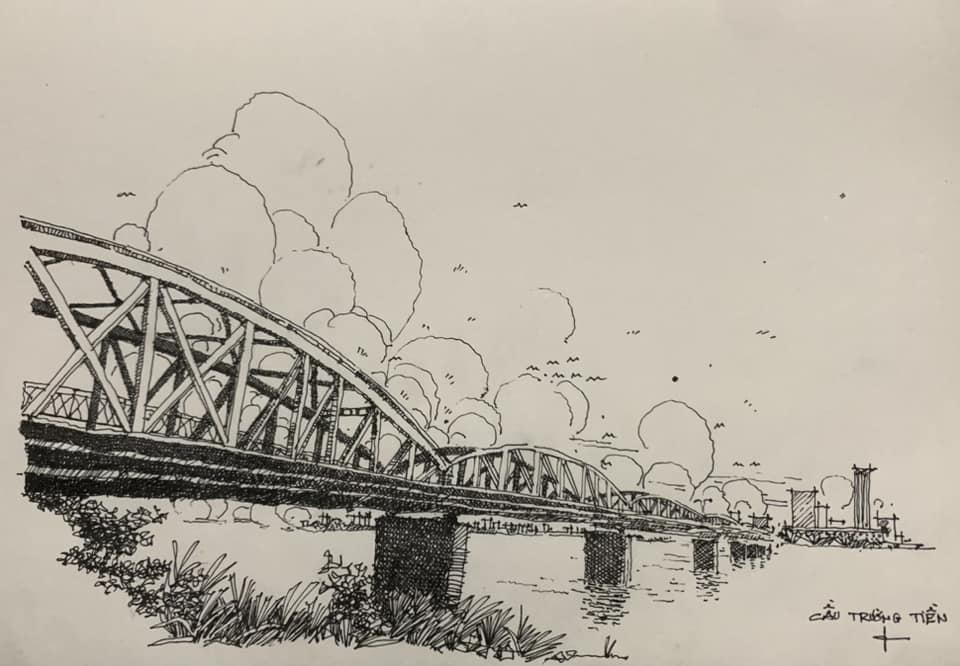
Sketches by artist Ngoc Nguyen
In 1919, the bridge was renamed Clemenceau (after the French Prime Minister at the time). When Japan overthrew the French in 1945, the government of Tran Trong Kim also renamed the bridge from Clemenceau to Nguyen Hoang (the first Nguyen lord who founded the Dang Trong region).
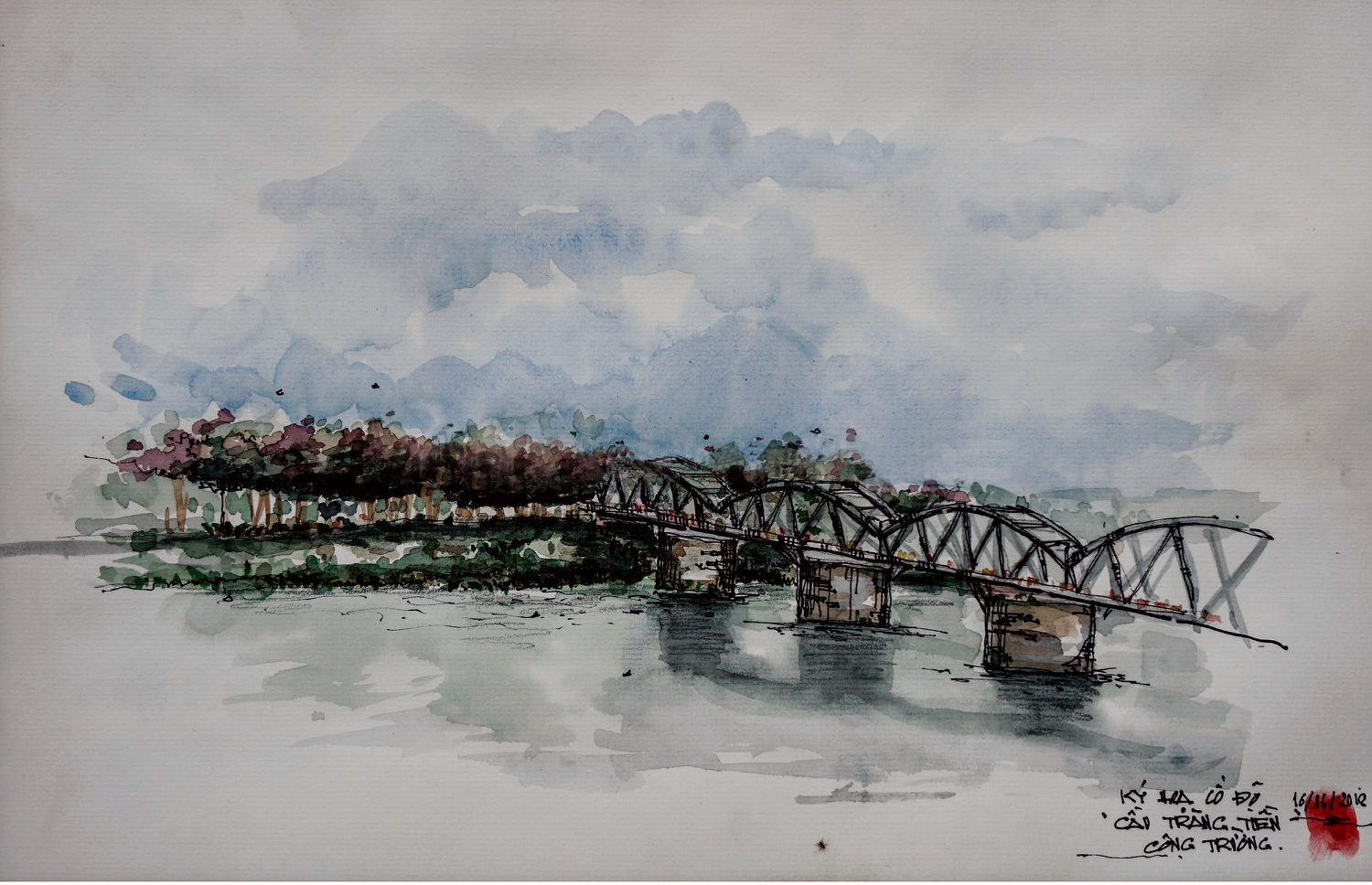
Sketch by architect Vuong Cong Truong
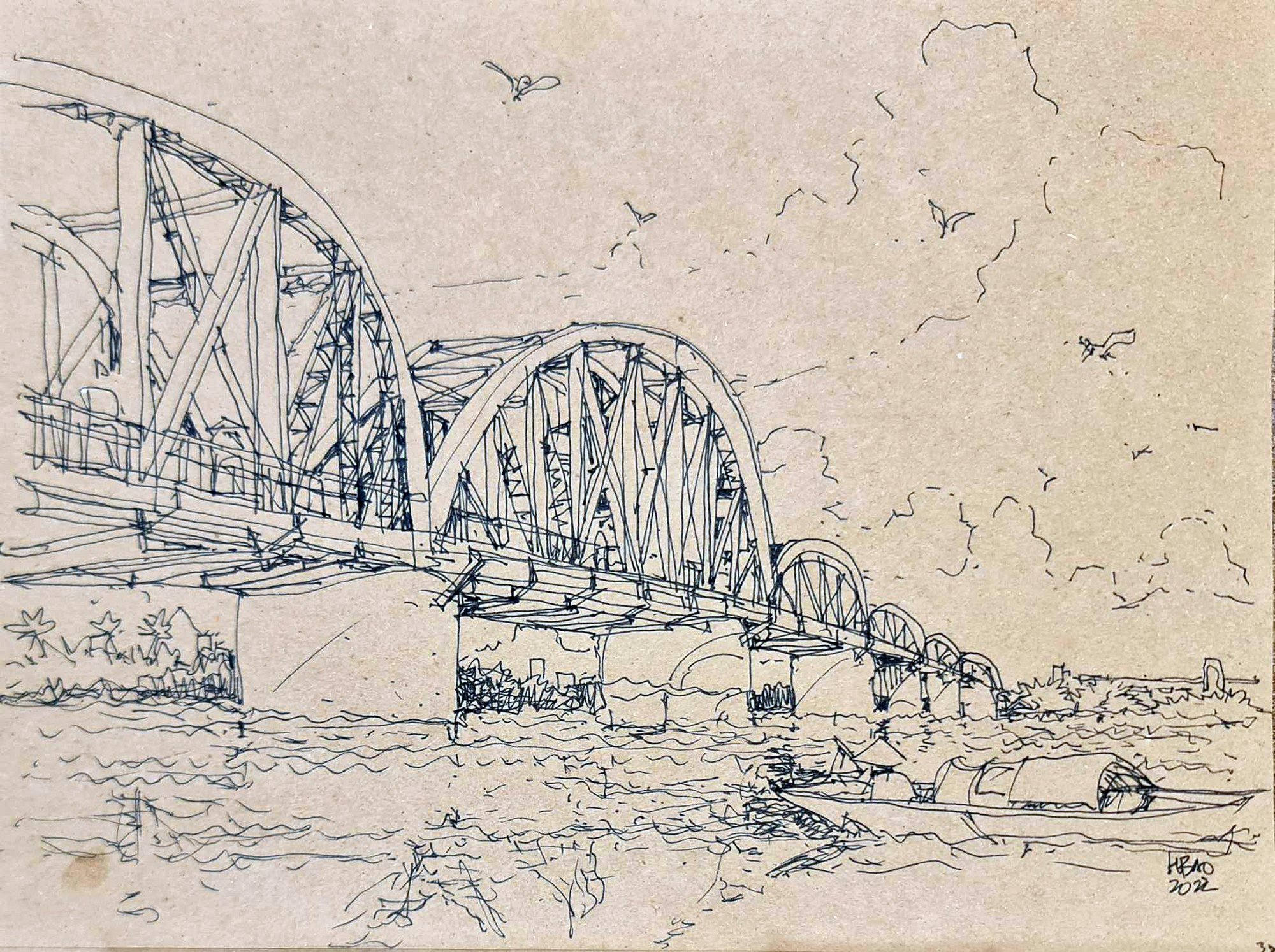
Sketch by architect Bui Hoang Bao
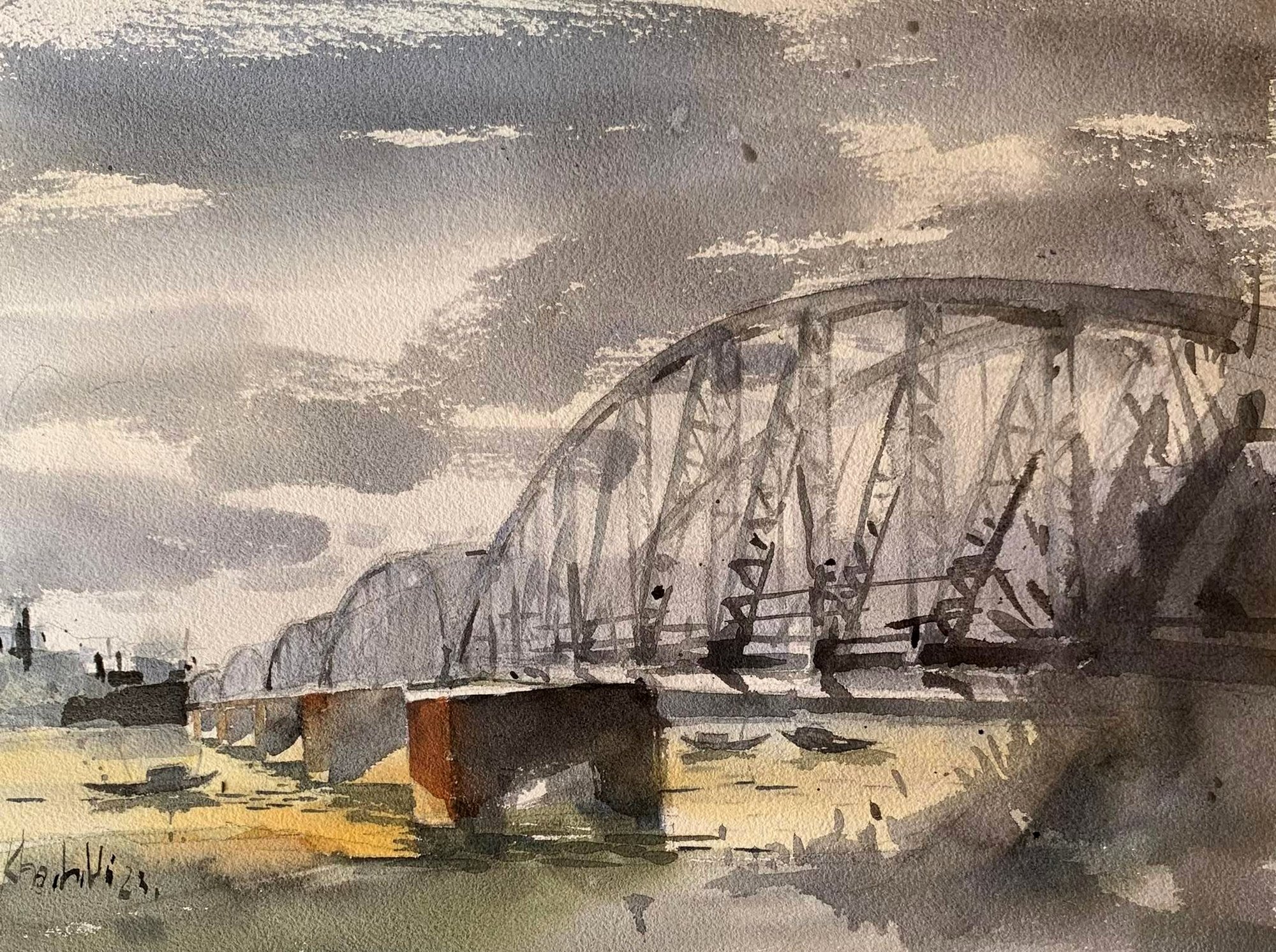
Sketches by architect Nguyen Khanh Vu
However, the most common name remains Truong Tien. The origin of this name dates back to the late 18th century during the Nguyen Dynasty, when there was a mint on the north bank of the Perfume River. The ferry landing nearby was called Truong Tien ferry landing (Truong Tien in Nom script means mint), so when the bridge was built across it, the locals also called it Truong Tien Bridge.
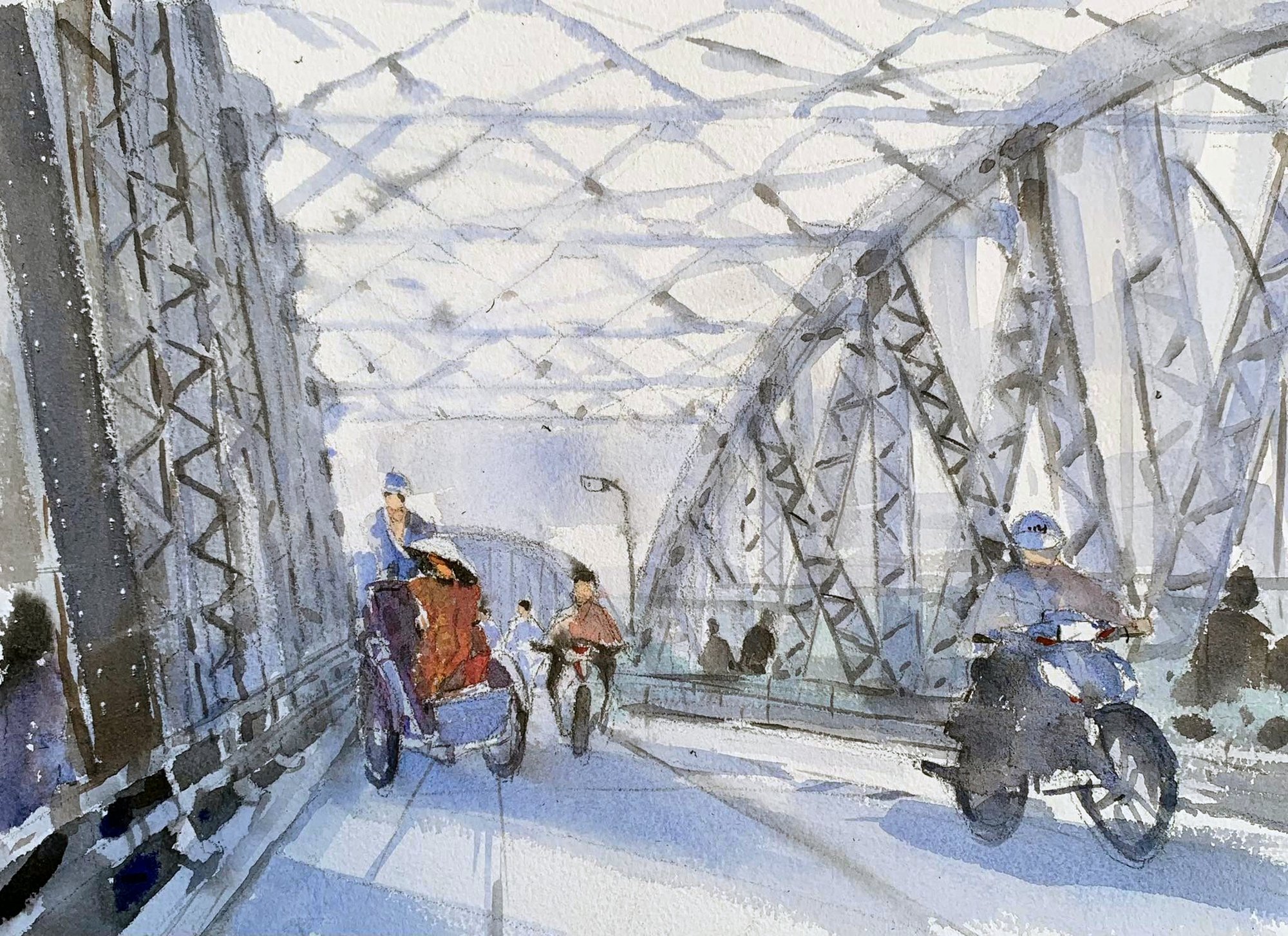
Sketches by architect Nguyen Khanh Vu
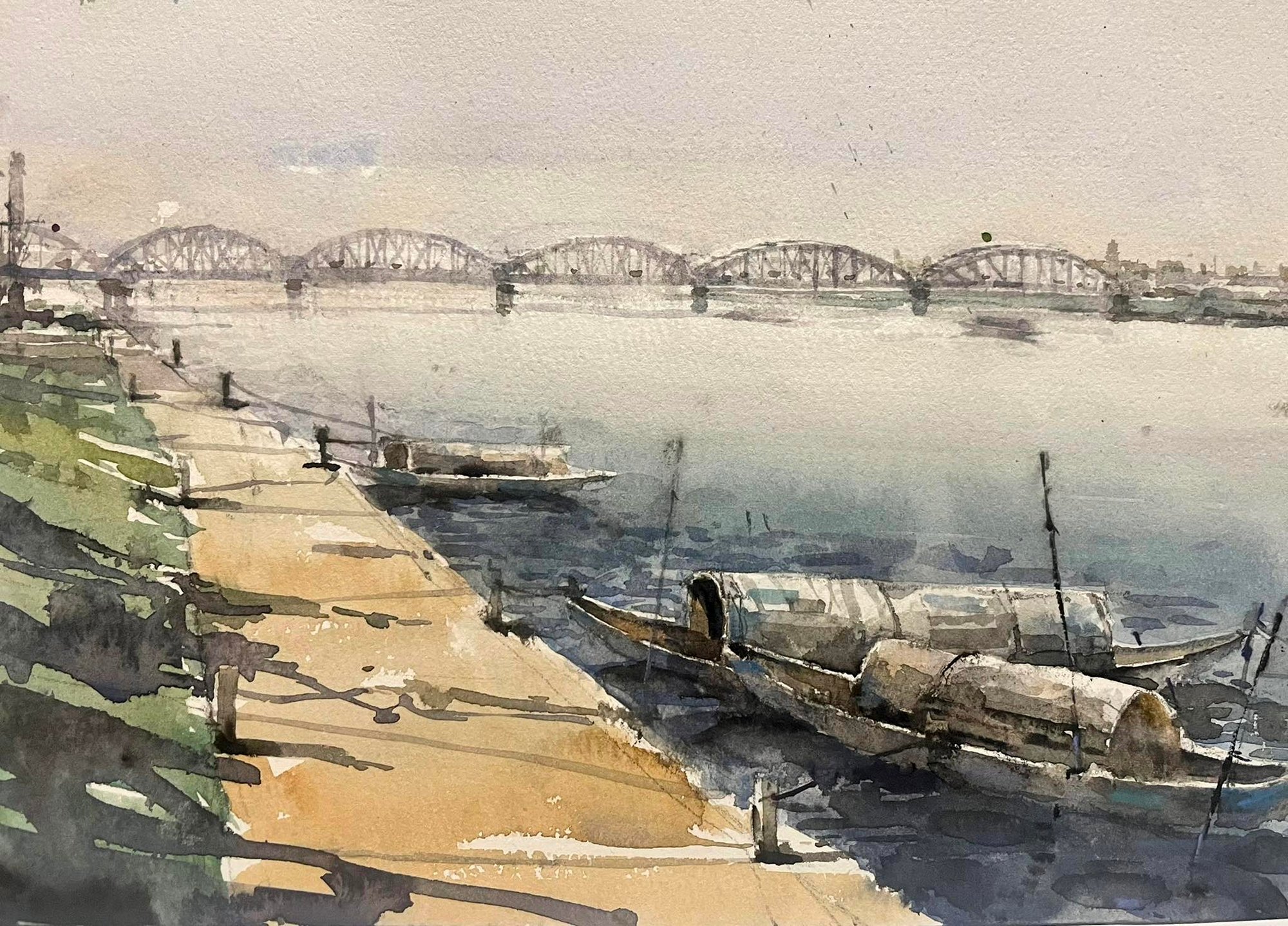
Sketches by architect Dang Phuoc Tue
Since its construction, the Truong Tien Bridge has collapsed three times due to natural disasters and war. In 1937, the Eiffel Company (France) undertook repairs and expansion of the Truong Tien Bridge, completing the work in November 1939. In 1991, the bridge underwent major restoration. In 2002, a color-changing lighting system was installed on the Truong Tien Bridge.
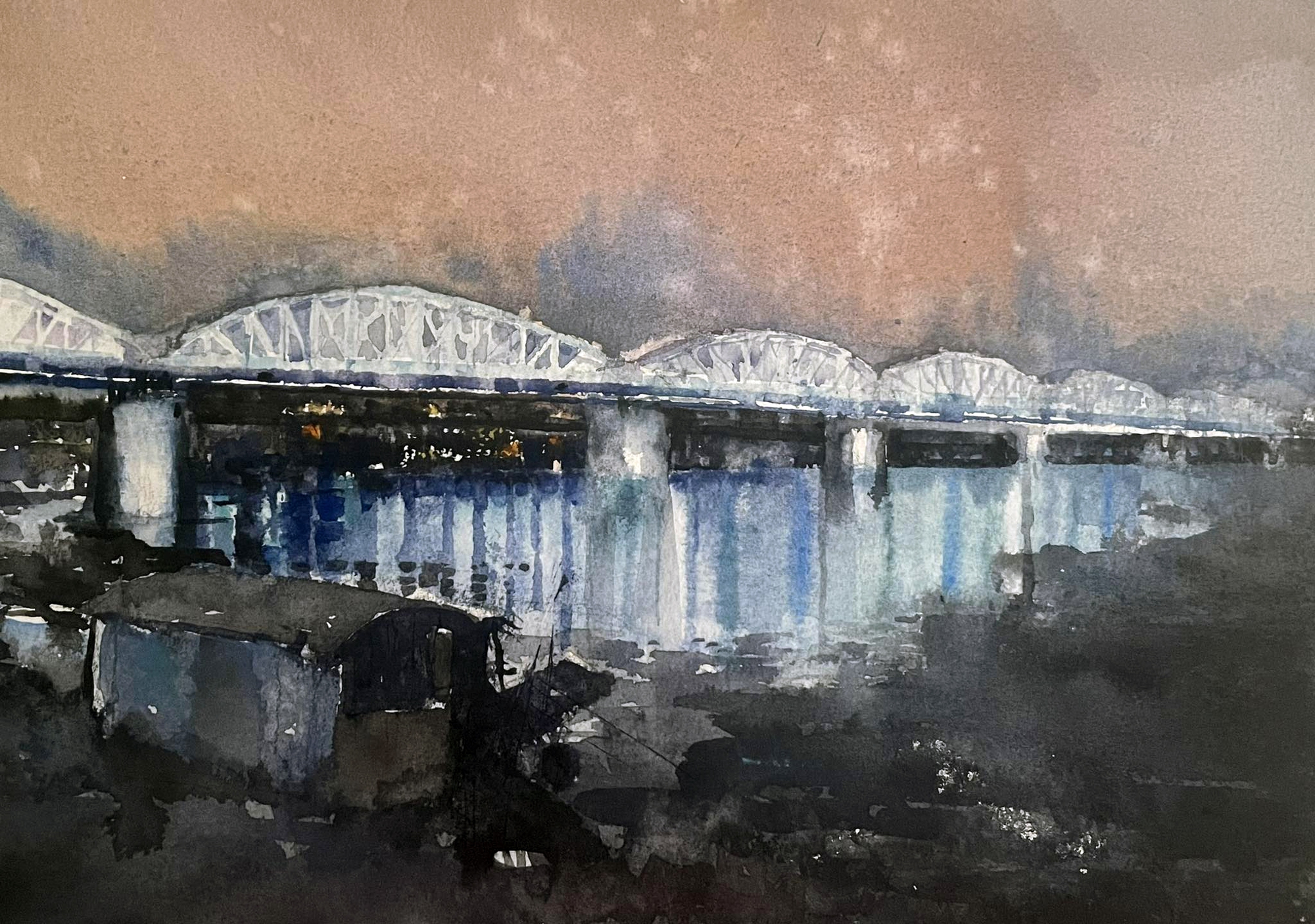
Truong Tien Bridge at night - a sketch by architect Dang Phuoc Tue
Source link













































































Comment (0)