Each product tells a "cultural story".
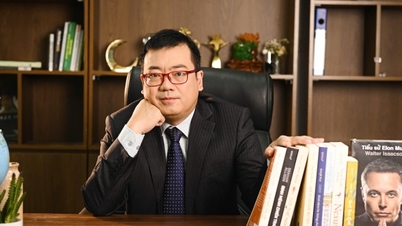
“We don’t just sell jewelry. We tell stories about our craft, our homeland, and our memories. When customers hold a product in their hands, they not only see its beauty, but also feel the traditional culture alive and present in every detail,” Nguyen Duc Anh, founder of Tonkin Craft, began his story about his brand.
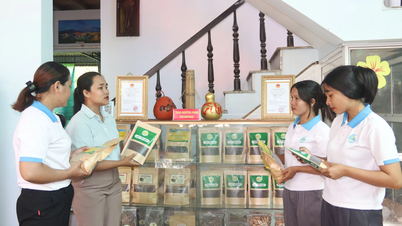
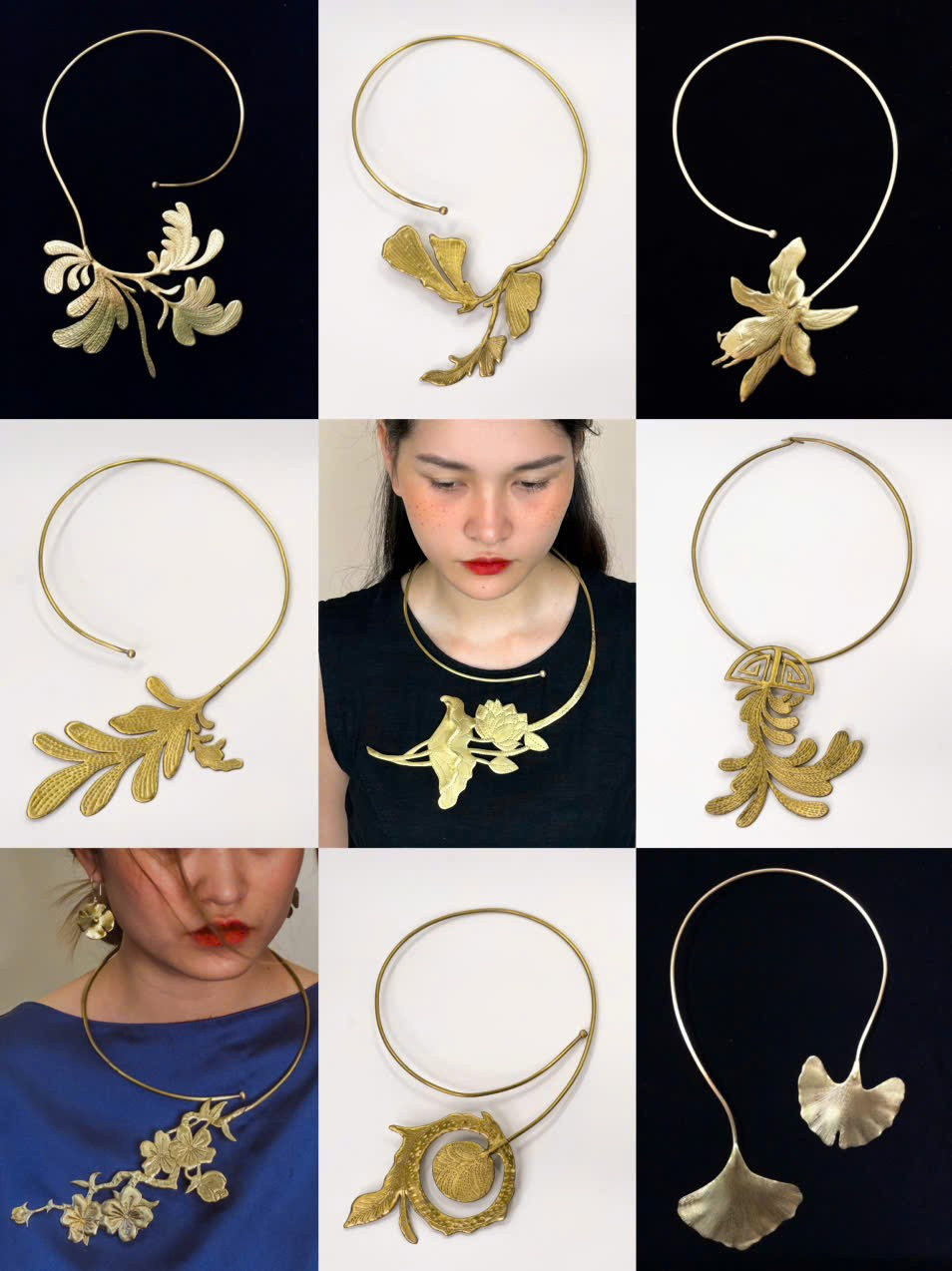
For many years, Tonkin Craft, a brand specializing in handcrafted copper jewelry, decorative items, and gifts, has become a favorite destination for many customers, including a significant number of international tourists. From decorative paintings, vases, hanging lamps, candle holders to hairpins and delicate earrings, all are handcrafted by Vietnamese artisans, meticulously paying attention to every detail.
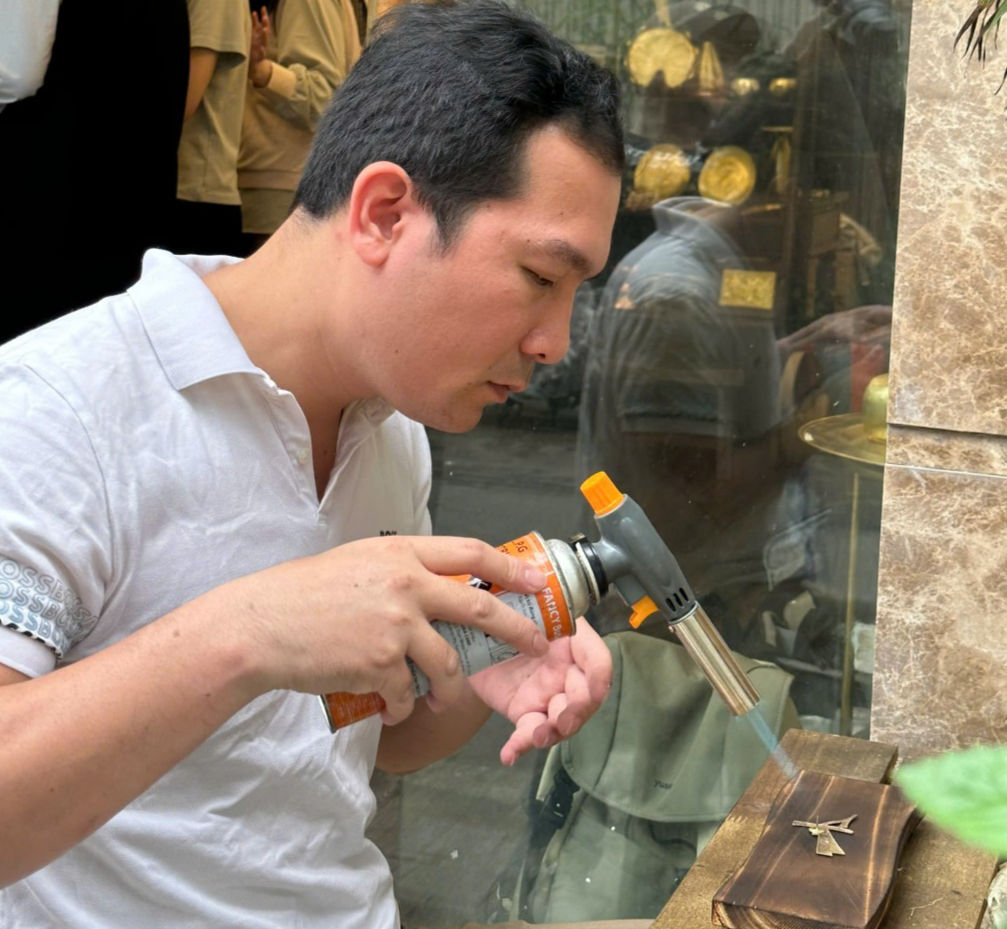
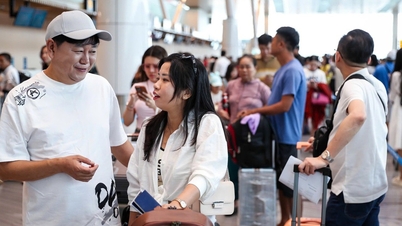
In the Tonkin Craft exhibition space, a foreign female visitor intently admired a small brass hairpin. She smiled as she shared that the item reminded her of a hair clip her grandmother used to cherish like a treasure.
Without fanfare or ostentation, these brass hairpins and earrings quietly tell the story of Vietnamese culture. It's the story of skillful hands, of the memories of traditional crafts, and of the aspiration to preserve values that may seem old-fashioned but are never outdated.
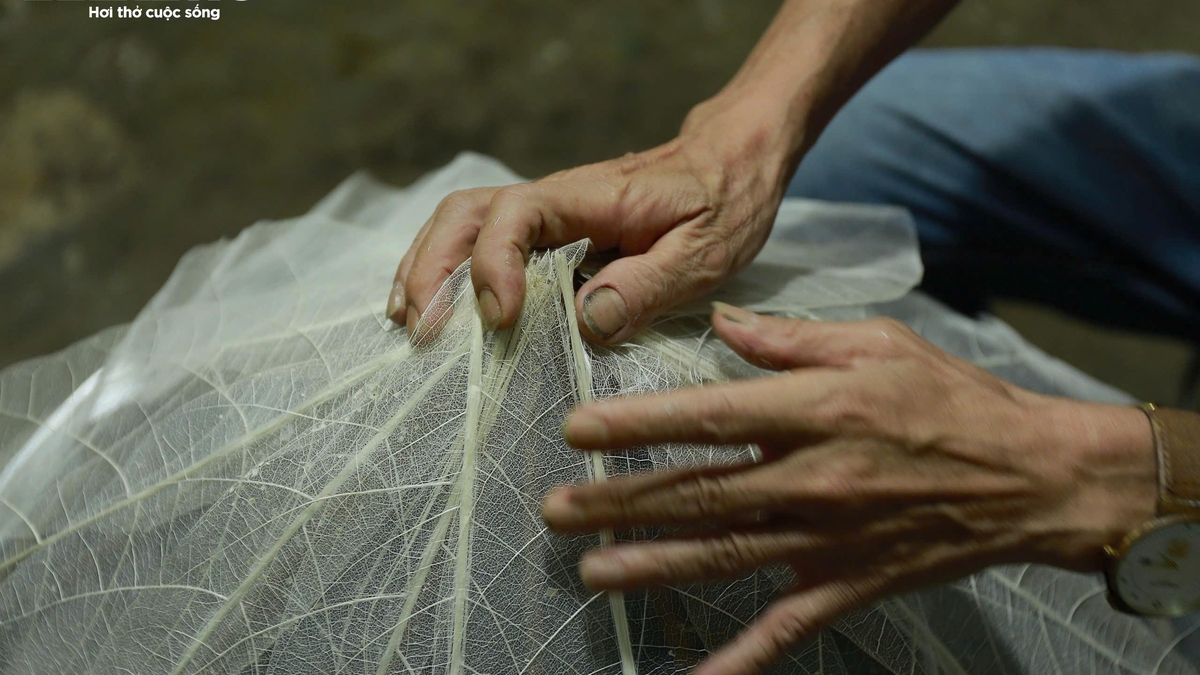
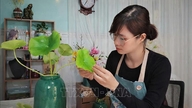
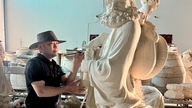
According to Mr. Duc Anh, each Tonkin Craft product is a meticulous journey. From design ideas inspired by lotus flowers, waves, ancient Chinese characters, bronze drums, or dragonfly images, the craftsman selects materials, cuts the blanks, softens them by firing, hammers and carves them, shapes them, polishes them, and finishes them entirely by hand.
Born into a family with a tradition of copper forging in Ngũ Xá village, his childhood was filled with the sounds of hammers and anvils from his grandparents and parents. These sounds were not only part of daily life but also nurtured his love for the craft.
"Seeing the decline of traditional crafts, I feel a responsibility not only to preserve them but also to innovate so that the art of copper engraving continues to thrive in modern life, rather than just existing in memory," he confided.

The name Tonkin Craft also reflects his aspirations. "Tonkin" is the old name for the Northern region of Vietnam, originating from Dong Kinh – the name of Hanoi during the early Le Dynasty. "Craft" is a commitment to the exquisite craftsmanship of the trade. This combination expresses the desire to bring traditional beauty into contemporary life with products that have soul and their own stories.
To keep traditional craft villages alive in modern life.
Tonkin Craft is not the only example; increasingly, young people are contributing to the revitalization of traditional craft villages with creative thinking and modern approaches. Nguyen Thi Minh Chau, founder of the Mun Artisan mother-of-pearl inlaid hairpin brand, is one of them.
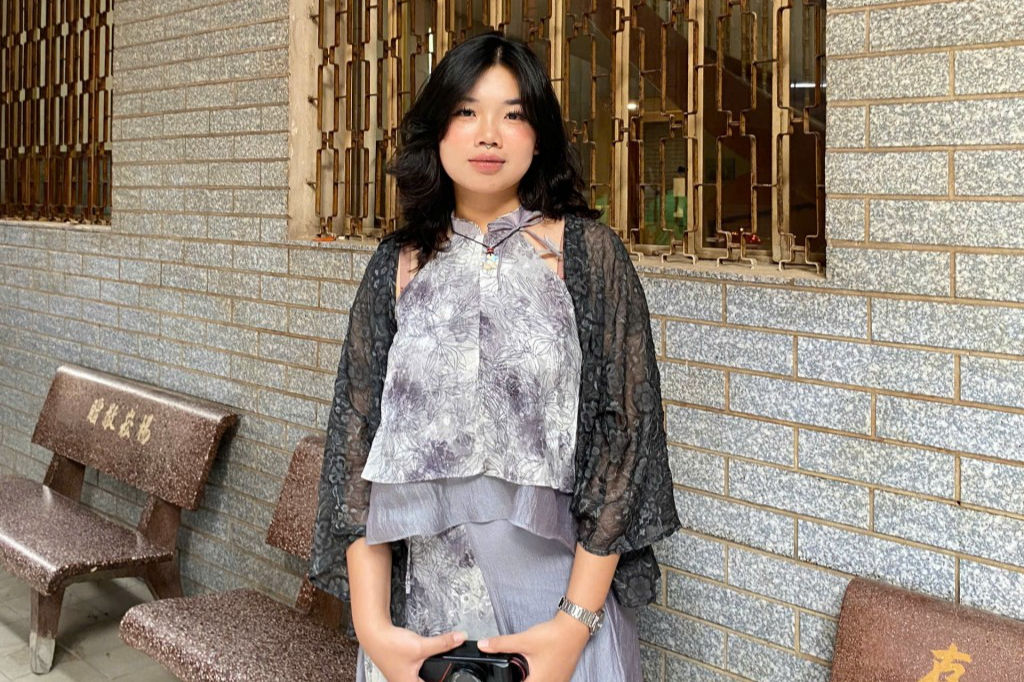
Growing up in Chuon Ngo village, Chuyen My commune (Hanoi), famous for its centuries-old mother-of-pearl inlay craft, Chau became familiar with the profession early on through her grandmother, an artisan. Although she studied graphic design, she still dedicated time to learning about mother-of-pearl inlay and lacquerware to gain a deeper understanding of her hometown's traditional craft.
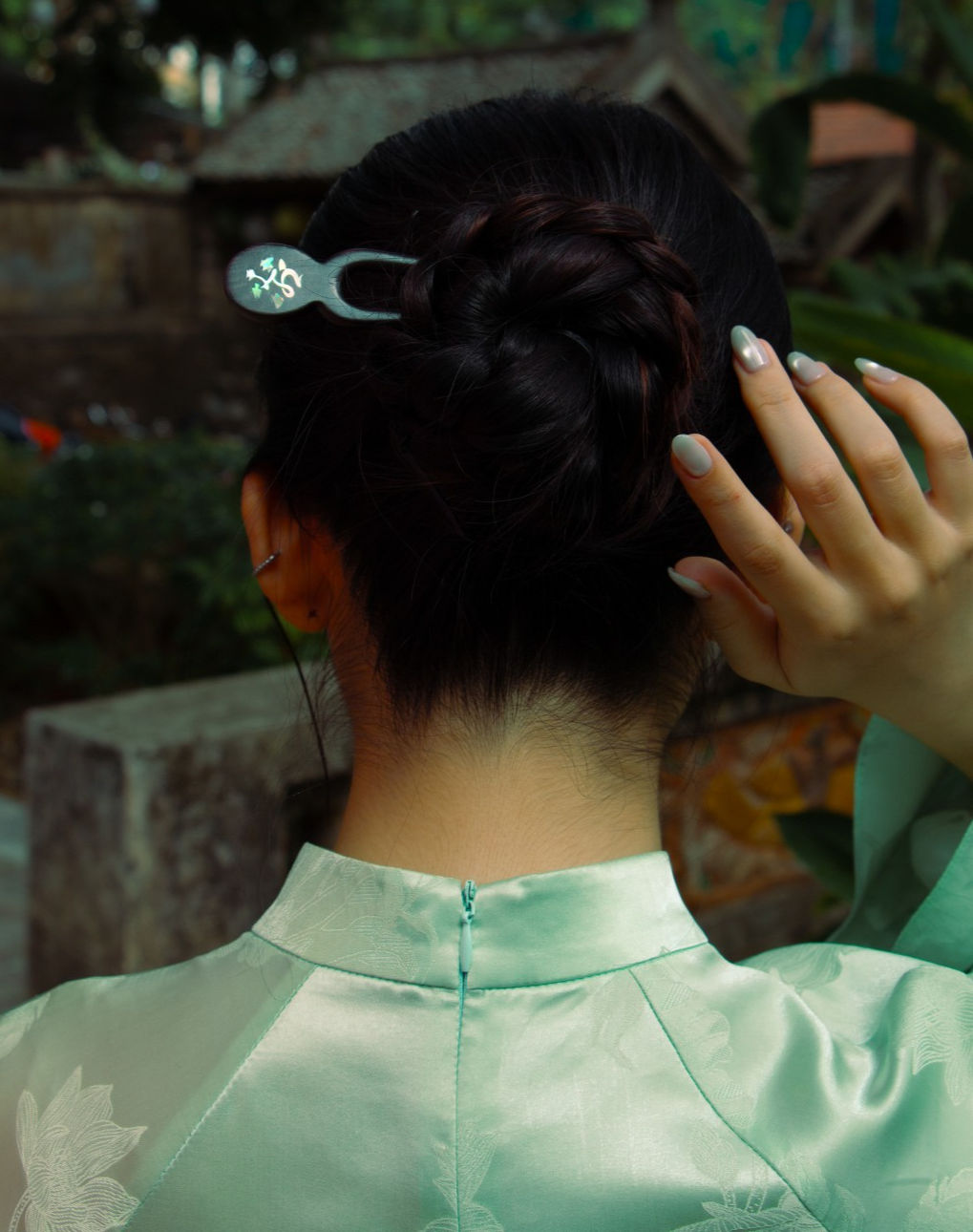
Driven by her love for hairpins, Chau began creating modern mother-of-pearl inlaid hair accessories that suit the aesthetics of young people. These hairpins are no longer just for traditional costumes or special occasions, but can become everyday accessories.
"Initially, I did it out of passion. When the product was well-received by many young people, I gained more motivation to pursue this path," Chau shared.
To complete a mother-of-pearl brooch, the craftsman must go through many stages: design, sawing the mother-of-pearl shell, carving the wood, inlaying, polishing, and finishing. The combination of the creativity of young people and the craftsmanship of village artisans has resulted in products that both preserve traditional techniques and have a contemporary feel.
In an era of rapid technological and artificial intelligence development, many production processes can be automated. But precisely because of this, the value of handcrafted products becomes even more special.
The subtle touches, the asymmetrical lines, or the unique signature of the craftsman are what make each product one-of-a-kind.
Nevertheless, the journey to bring handcrafted products closer to consumers still faces many challenges. High costs, long production times, and competitive pressure from industrial goods make many handcrafted products vulnerable to being overshadowed.

According to Minh Chau, skill and passion alone are not enough. Professionals need to know how to build a brand, tell a product story, and approach the market professionally.
This direction is also consistent with the current trend of cultural industry development. In the Strategy for the Development of Vietnam's Cultural Industries until 2030, handicrafts are identified as one of the key areas. With its rich system of craft villages, Hanoi is considered to have great potential for developing this industry.
In the digital age, what makes a product memorable is not just its function or design, but also the story behind it. When young people know how to tell stories with their hands, with their love for their craft and pride in their national culture, each handcrafted product will not only be an item sold on the market, but also a cultural ambassador, carrying the soul of Vietnam further afield.
Source: https://hanoimoi.vn/cham-vao-ky-uc-van-hoa-bang-nhung-san-pham-thu-cong-1208591.html
![[Photo] Overview of the renovation and upgrading of the Ho Chi Minh Museum - Ho Chi Minh City Branch](https://vphoto.vietnam.vn/thumb/1200x675/vietnam/resource/IMAGE/2026/06/24/1782287051250_ndo_br_01-jpg.webp)
![[Image] Paris's oldest bridge goes viral after transforming into a giant cave.](https://vphoto.vietnam.vn/thumb/1200x675/vietnam/resource/IMAGE/2026/06/24/1782283441197_ndo_br_dsc05314-jpg.webp)


![[Photo] Opening Ceremony of the 13th National Congress of the Ho Chi Minh Communist Youth Union](https://vphoto.vietnam.vn/thumb/1200x675/vietnam/resource/IMAGE/2026/06/24/1782286753905_ndo_br_1-8510-jpg.webp)