

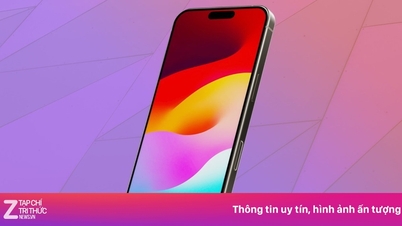
Apple is at a critical juncture in the age of artificial intelligence. The company could create a groundbreaking AI system for the iPhone, but merely developing a copy of ChatGPT would be a misstep and could cause Apple to lose its inherent advantage.
Chatbot Veritas: Internal testing phase, not for the public.
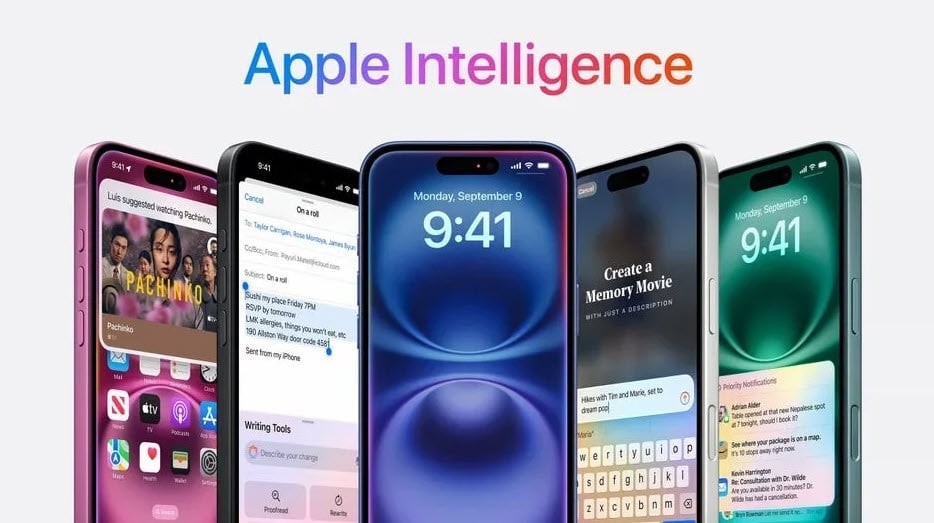
According to the latest information, Apple is developing a chatbot application called Veritas, based on technology expected to support Siri in the future. However, Veritas is only being used internally to test new features and there are no plans to release it to the public. This shows that Apple remains cautious, avoiding the pitfalls of directly competing with ChatGPT – which already holds a leading position in the AI conversational field.
ChatGPT has gone too far, but it's not yet enough to be the "future."
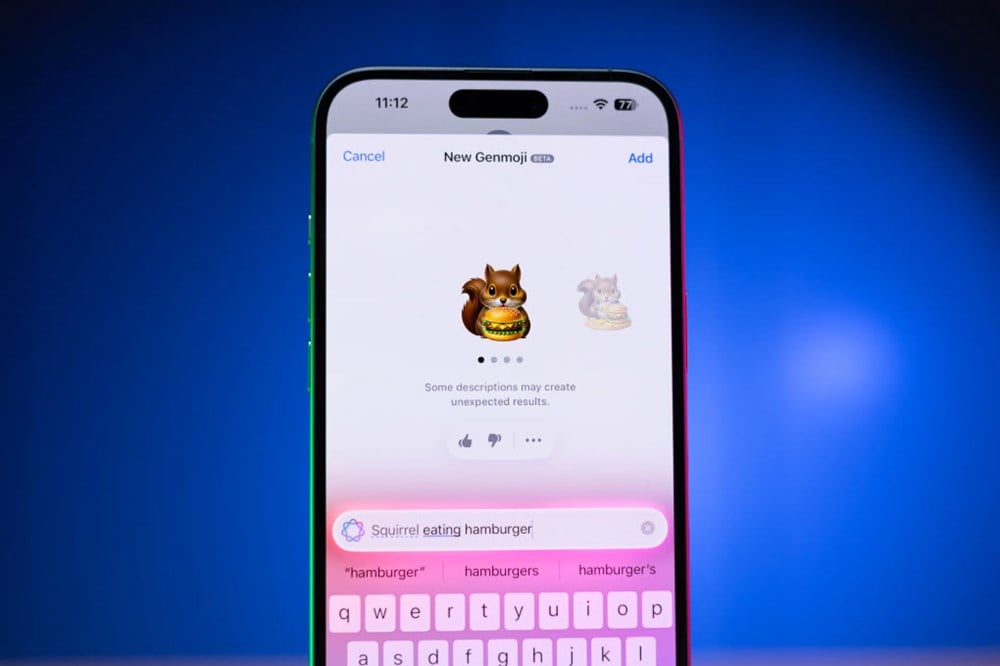
Launched three years ago, ChatGPT quickly became the most popular AI app. Users became so attached to it that they considered it an indispensable part of their lives. However, despite its success, ChatGPT still primarily revolves around texting and basic conversation. New features like ChatGPT Pulse – considered an improved version of Google Now – haven't really created a breakthrough. Meanwhile, Apple needs something more to redefine the AI experience on the iPhone.

What do users expect from Apple?
What users want from Apple isn't just an imaginary chatbot, but an AI system capable of understanding and serving better than the current Siri. For example, Siri needs to be smarter, understand more languages, and naturally assist with personal tasks like email, calendar, sleep habits, apps, and personal data that the iPhone already holds.
If Apple can leverage this massive data set to create a personalized "Pulse," the AI experience on the iPhone will surpass ChatGPT. At the same time, Siri needs to improve its ability to provide concise, accurate, and contextual information, similar to how Perplexity AI currently does.
The biggest opportunity and risk in Apple's history.
For years, Siri was considered a "forgotten failure" because not many people cared about voice assistants. But with the rise of ChatGPT, Google's Gemini, and other AI systems, Apple could no longer remain on the sidelines.
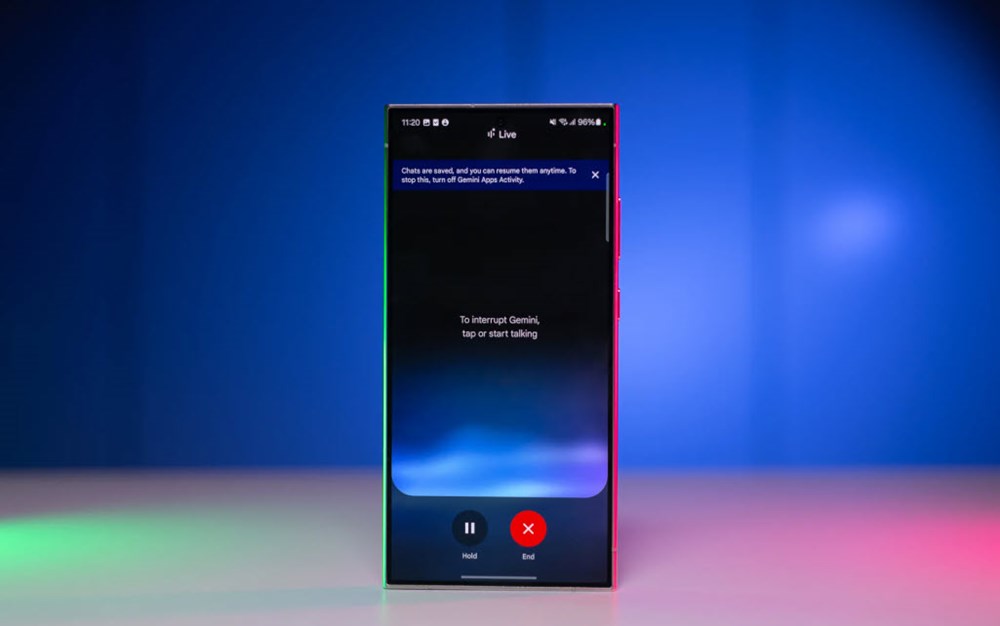
Apple's strengths lie in its closed ecosystem, massive iPhone user base, and commitment to core services. This allows the company to create a comprehensive AI system that will revolutionize how people use their phones. However, if it lags behind or takes the wrong approach, Apple could lose its advantage and face the serious risk of falling behind.
Pros and cons of Apple's AI strategy
Advantage:
Possessing a closed ecosystem, it's easy to deploy personalized AI.
Massive amounts of user data enable AI to become smarter and more tailored to each individual.
A strong brand, high consumer trust, and the ability to attract attention when launching new technology.
Disadvantages:
Falling behind competitors in terms of AI development speed.
Siri has not met expectations, making it difficult for Apple to compete directly.
If Apple were to launch an AI product similar to ChatGPT, it could be seen as lacking innovation.
Conclude
Apple is at a critical juncture: either create a revolutionary AI system to lead the future, or continue to fall behind in the technology race. Users expect a completely new Siri – not just for conversation, but to become the intelligent management hub for their entire digital life on the iPhone.
According to Phone Arena
Source: https://baovanhoa.vn/nhip-song-so/chatbot-khong-cuu-duoc-apple-trong-ky-nguyen-ai-171321.html







































































































Comment (0)