

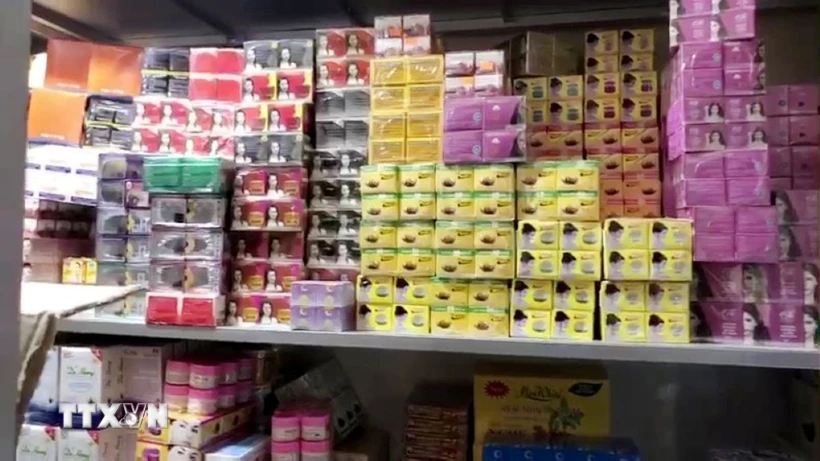
Authorities seized a large quantity of cosmetics of unknown origin. (Photo: VNA)
In business, trustworthiness is always highly valued. In some transactions, trustworthiness encompasses both the seller's and the buyer's reputations. However, trustworthiness is usually associated with the seller, as it's generally considered crucial to the success or failure of a business. A lack of trust leads to a loss of confidence. The damage caused by this loss of trust includes losing customers and, more seriously, being boycotted, ultimately leading to bankruptcy.
In the era of the e-commerce boom, most online sales channels build their success on trust. Many experts assert that trust is the starting point of online business. However, not everyone fully understands this when starting out. In reality, the highest and only requirement for a seller's reputation is selling products of the right quality.
My story is an example of dishonest business practices. Last weekend, I ordered some imported powdered milk online. When I received and opened the package, I discovered the milk had expired. Very upset, I contacted the seller to return the goods. Because I was a regular customer who had bought from them many times, the seller agreed to take back the product and promised to send a new one. However, I absolutely refused to buy from them again because "once untrustworthy, never trustworthy." Cases like mine are not uncommon. A friend of mine once ordered a carton of imported milk from Australia online. When she mixed it, the milk clumped, lost its smell, and tasted bland. Upon checking, she discovered it was only two days away from expiring. Worried about safety, my friend had to throw away the entire carton, which was worth a considerable amount of money.
Expired or nearly expired goods mainly include food, cosmetics, and dietary supplements. These items originate from abroad, smuggled into the country via "hand-carrying," or are domestically produced but counterfeited with foreign labels. Therefore, no one can be certain about their quality. Typically, stores and supermarkets launch promotions, discounts, or offer free gifts with purchases to capitalize on consumer psychology. Sellers want to liquidate their remaining stock to quickly recover capital, while consumers see it as an "opportunity" to buy goods at a cheap price.
To ensure safety, consumers should not be careless just because of low prices; they must thoroughly research products and carefully check expiration dates. Buying expired goods, especially food items, can be harmful to health. Sellers, on the other hand, will struggle to survive if they don't maintain credibility in their business. Therefore, prioritize trustworthiness and prioritize consumer health to retain customers!
Nguyen Thuy Uyen
Source: https://baolongan.vn/chu-tin-rat-quan-trong-trong-kinh-doanh-a196788.html


































































































Comment (0)