Renewable energy - A fundamental solution for green transition
In his opening remarks at the workshop, journalist Lam Hieu Dung, Deputy Editor-in-Chief of Thanh Nien Newspaper, highlighted the current situation: continuous global warming, extreme weather events, melting ice, rising sea levels, droughts, floods, forest fires, saltwater intrusion, and biodiversity loss… showing that the limits of nature are being pushed to dangerous levels. This situation demands action, not just words; it demands solutions that are implemented, not just on paper; it demands decisive, relentless, and uncompromising action…
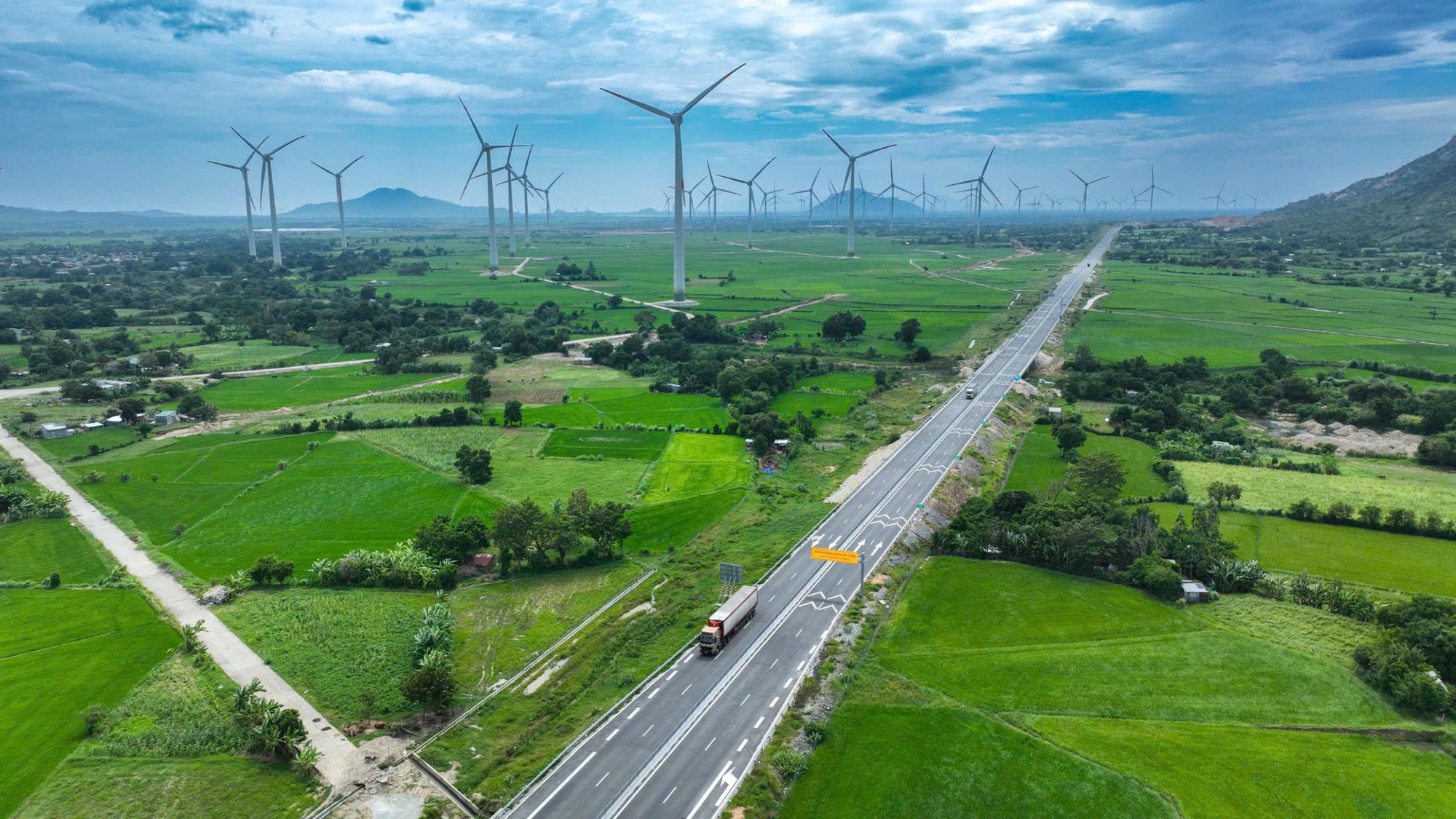
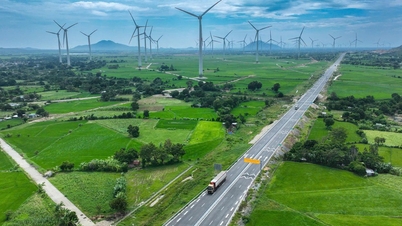
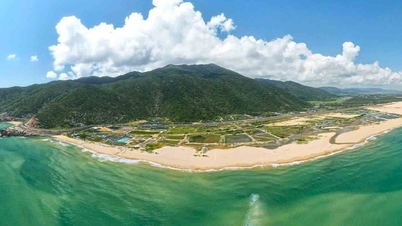
Wind power in Vinh Hao - Phan Thiet
PHOTO: INDEPENDENT
However, it is undeniable that the green transition seems to be slowing down. For example, in transportation, the largest emitter of pollutants, the transition to electric vehicles in both Hanoi and Ho Chi Minh City is behind schedule. The shift to clean energy sources still faces many challenges. We only have one direct power purchase agreement after more than a year since this mechanism was implemented, and rooftop solar power is still facing obstacles, while the risk of power shortages and the demand for green energy are very high and urgent. The proportion of green credit is still very low compared to demand, which also makes it difficult for businesses to borrow capital to invest in technology and machinery for this endeavor…
Affirming that "delays in green transition mean unsustainable economic development. That is unacceptable," journalist Lam Hieu Dung hoped that businesses present at the workshop would frankly share the difficulties and challenges in their green transition process; the factors hindering progress; and offer suggestions and solutions to accelerate the green transition and sustainable development of the country.
As a pioneering unit in the renewable energy sector in Vietnam, Mr. Dang Quoc Bao, Deputy General Director of Trung Nam Group, assessed that, in the context of supply and demand, this is a very favorable period for the renewable energy industry.
Specifically, for businesses, the most difficult thing is finding customers, but currently, the demand for renewable and clean energy from electricity consumers is very high. Renewable energy projects possess stable assets, long-term revenue streams, and a ready-made market, and are also highly valued assets by credit institutions. Furthermore, banks always prioritize financing projects with stable cash flows lasting 30-40 years. Therefore, the transition to renewable energy not only has environmental protection implications but also presents a very clear economic opportunity.
"After a period of rapid growth and learned lessons, the market is shifting to a more cautious development phase, with an increasingly完善 policy framework and better preparation from businesses. Vietnam is facing a great opportunity to continue developing the renewable energy sector strongly. Although some policies may be slow to be enacted or require adjustments during this process, the development trend is irreversible," Mr. Dang Quoc Bao emphasized.
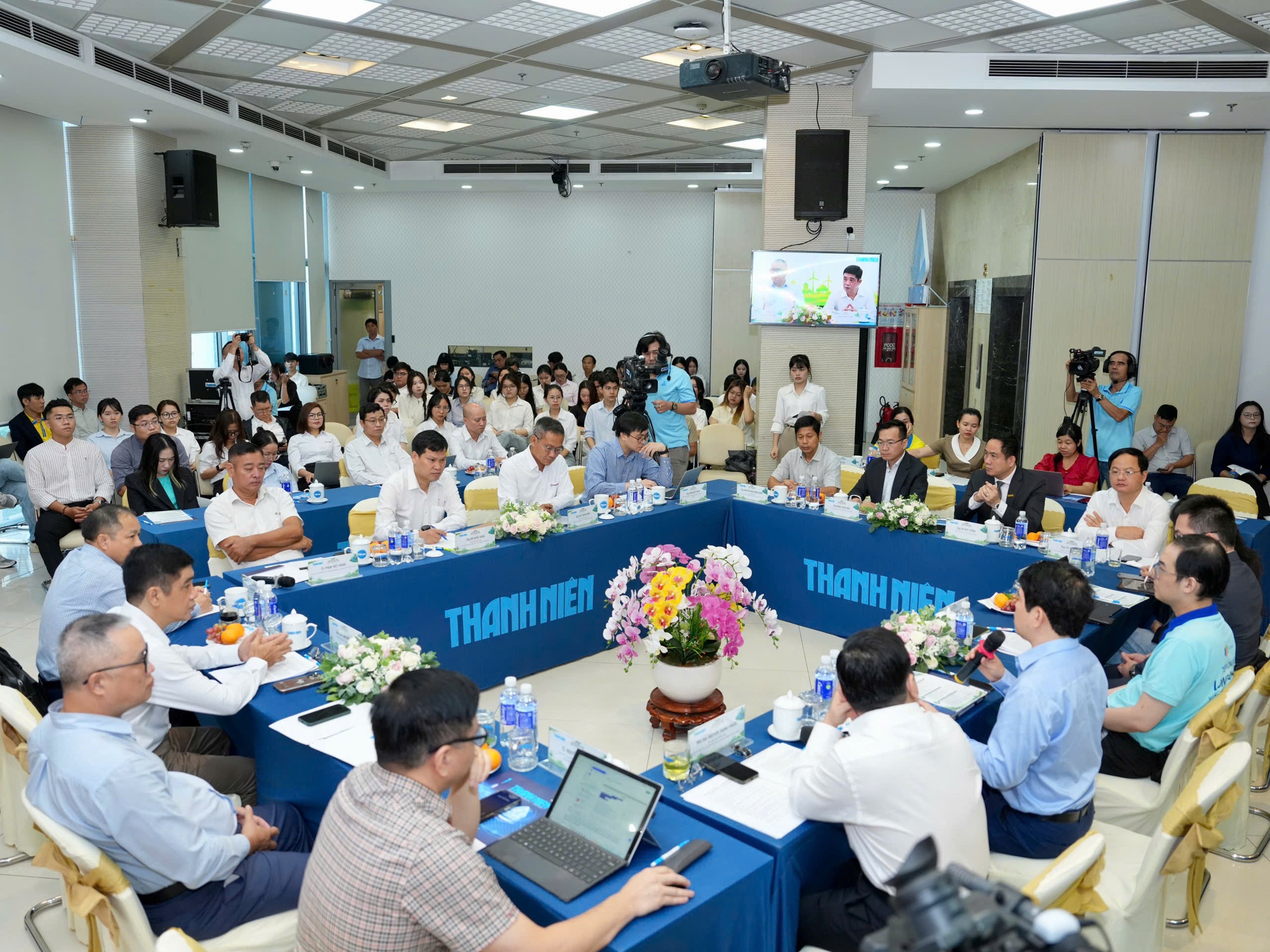
Delegates shared many solutions to accelerate the promotion of the green economy.
PHOTO: INDEPENDENT
Mr. Nguyen Ngoc Minh Dang, General Director of Power Construction and Consulting Joint Stock Company No. 5 (PCC5), also assessed that investment in renewable energy is a sector that brings high value and efficiency in many aspects. However, the biggest bottleneck is the lack of a power purchase agreement. The investment process for a power purchase project involves many stages, from surveying and planning to reporting, which takes a lot of time, especially the planning and compensation work. Another point is the difficulty in power transmission. Areas with planned renewable energy projects have poor infrastructure, while areas with good infrastructure are not planned. This creates difficulties for renewable energy investment companies in power transmission.
Regarding investment in rooftop solar power in Ho Chi Minh City, Mr. Bui Trung Kien, Deputy General Director of Ho Chi Minh City Power Corporation (EVNHCMC), acknowledged that the rooftop solar power movement had developed very strongly before 2021 thanks to the FIT pricing mechanism, but has slowed down recently. The reason is that the market is operating under Decree 58 - which encourages self-production and self-consumption - so selling electricity to neighbors faces many risks related to unclear legal status and electrical safety issues such as fire and explosions.
Nevertheless, Mr. Bui Trung Kien emphasized that rooftop solar power is an important direction, suitable for the characteristics of high load demand. The potential for developing rooftop solar power in Ho Chi Minh City remains very large, concentrated in areas with high building density, especially industrial parks and export processing zones; high-rise buildings, new residential areas, etc.
Mr. Bui Quoc Hoan, Deputy General Director of the Southern Power Corporation (EVNSPC), stated that the fundamental solution for green transformation is the development of clean energy sources, especially renewable energy. This is both a solution to ensure energy security and contributes to achieving the goal of reducing emissions. For EVNSPC, rooftop solar power for self-production and self-consumption is one of the key solutions. The southern region has a significant advantage with approximately 2,000-2,600 hours of sunshine per year, with solar radiation levels among the highest in the country. If rooftop solar power systems are combined with storage systems of suitable capacity, the average payback period is only about 4-6 years, even without price support mechanisms.
This demonstrates that rooftop solar power brings direct economic benefits to people and businesses by reducing the cost of purchasing electricity from the grid. In addition, businesses can better meet ESG standards and green development requirements of international partners, and contribute to fulfilling emission reduction commitments.
Mr. Bui Quoc Hoan further informed: "The State no longer applies the fixed price mechanism as in the 2017-2021 period. Instead, the Ministry of Industry and Trade issues a framework for electricity generation prices, on the basis of which investors and electricity buyers negotiate prices. This mechanism is currently applied to solar power, wind power, as well as projects combined with energy storage systems. This is an important step in developing the electricity market towards greater transparency and competition. EVNSPC also commits to providing maximum support to promote the development of rooftop solar power."
A prerequisite for entering the global arena.



Despite practical difficulties and obstacles, businesses are still striving to green their production and business processes.
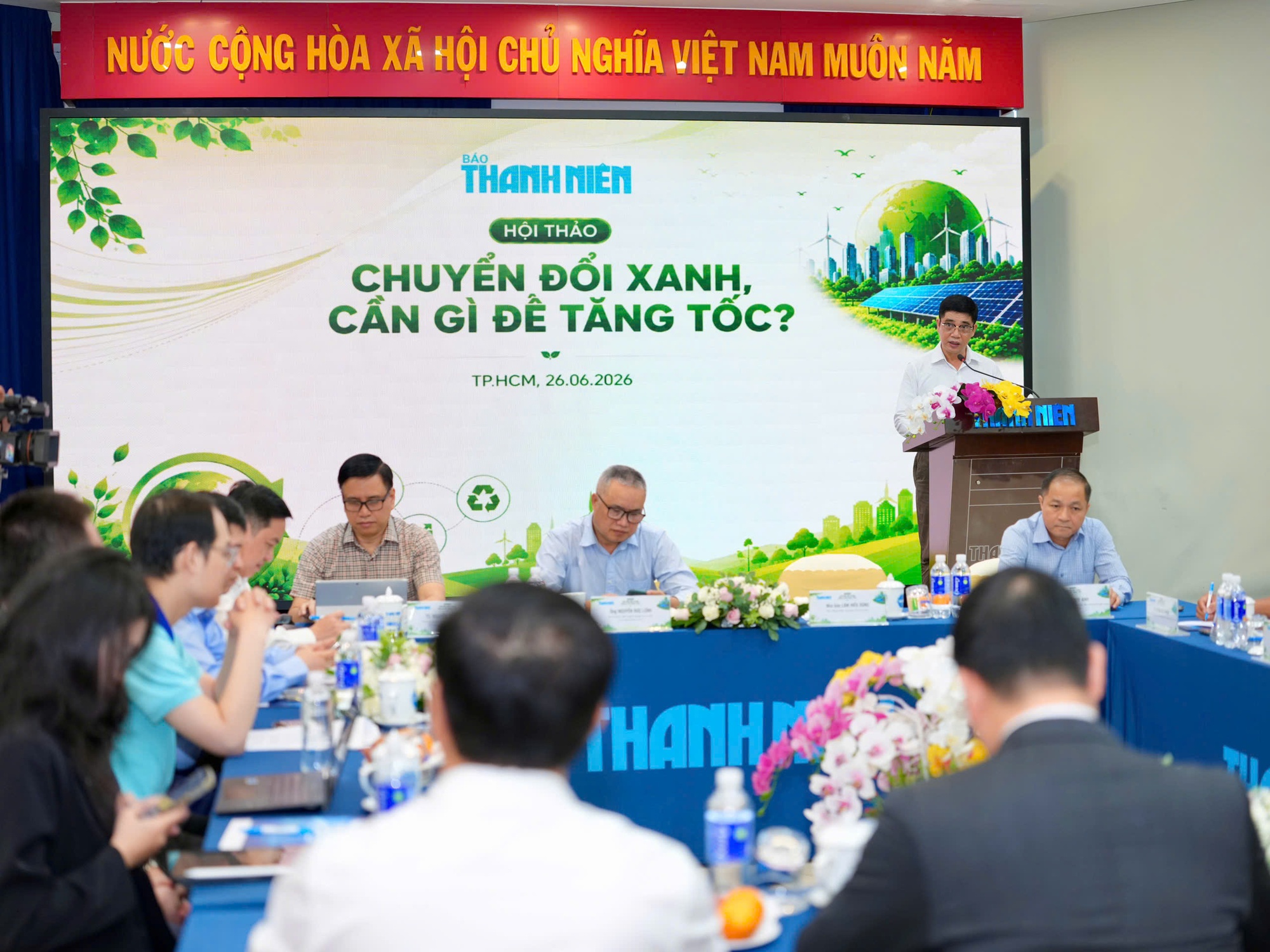
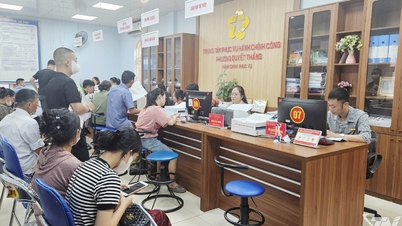
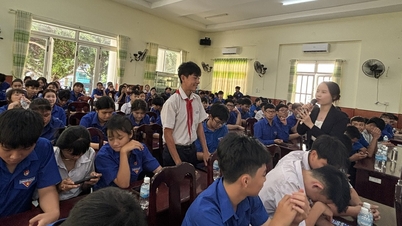
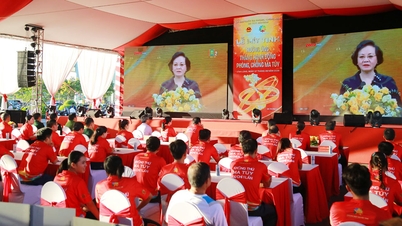
Thanh Nien Newspaper organized a seminar titled "Green Transformation: What's Needed to Accelerate It?"
PHOTO: INDEPENDENT
According to Mr. Thanyachat Auttanukune, Director of Marketing and New Business Sectors at CP Livestock Corporation Vietnam, ensuring food security is the reason we need a green transition. It is estimated that by 2050, the world population will increase to nearly 10 billion people, requiring a 60% increase in food production compared to the present. Meanwhile, agricultural production accounts for approximately 25-30% of greenhouse gas emissions while using 70% of water resources and about 50% of land for housing...
"Therefore, if we don't change, the world won't be able to withstand it. Green transformation is about changing the foundation of production – it's the path towards sustainable development," Thanyachat Auttanukune emphasized.
Deeply rooted in the philosophy that benefiting from the environment means caring for and preserving it for future generations, CP's strategic goal aligns with Vietnam's strategy of becoming a Net Zero company by 2050. To achieve this, the company focuses on three key areas: a circular economy, a value chain from upstream to downstream, and, thirdly, human resources through changes in working methods and the application of technology.
Mr. Vo Chanh Ngu, Director of the Digital Transformation Department of Ca Mau Petroleum Fertilizer Corporation (PVCFC), also affirmed that green is now a "mandatory vote" if businesses want orders and want to penetrate the markets of developed countries. However, the journey of green transformation for businesses still faces many challenges.
Specifically, the fertilizer manufacturing industry has a large amount of emissions. If they want to completely green their operations, such as fully capturing CO2 or producing hydrogen from renewable energy, the technology already exists, but the cost is three times higher than that of fossil fuels. Hydrogen is one of the key raw materials for producing urea fertilizer. To become green, businesses must capture emissions, but this requires a very large investment. "Ultimately, green transitions and clean energy, even if they cost more, will ultimately be reflected in the product price. This will reduce the competitiveness of exports," Mr. Ngữ expressed his concern.
Furthermore, according to Mr. Ngu, the government last year mandated an inventory of greenhouse gas emissions from large-scale enterprises. However, Vietnam has not yet clearly defined how to apply emission quotas to these enterprises, or what constitutes an appropriate amount. In this context, Ca Mau Fertilizer Company is approaching the most feasible approach at the present time to reduce consumption. This involves building a smart factory and implementing a circular economy model – where excess CO2 emissions are collected and used to produce food-grade CO2.
Owning the largest pharmacy chain in Vietnam and understanding better than anyone the harmful effects of environmental pollution on human health, Dr. Nguyen Minh Trung, Chief Doctor of Long Chau Pharmacy and Vaccination System, stated that Long Chau deeply recognizes that its mission of caring for community health must be linked to its responsibility to protect the environment. Long Chau is gradually implementing ESG practices according to international sustainable development management frameworks and conducting regular monitoring; transitioning to the use of renewable energy such as solar power, applying green logistics solutions, and improving waste management efficiency. The company also prioritizes cooperation with partners using environmentally friendly materials, especially increasing cooperation with electric vehicle delivery partners, which account for the highest proportion of its delivery partners… In particular, it applies technology and AI in system management, maximizing the digitization of internal processes and healthcare, aiming to contribute to reducing fuel consumption and emissions into the external environment.
"I believe that with the collective efforts of the community, the negative impacts of environmental pollution can be mitigated. I expect that today's efforts by agencies, units, and businesses will make a practical contribution to building a green future, for a healthy Vietnam," said Mr. Nguyen Minh Trung.
Promoting "green" capital for growth.
Dr. Pham Viet Thuan, Director of the Institute of Resource and Environmental Economics in Ho Chi Minh City, noted that although green transformation is a necessary trend and receives significant attention, the actual process is showing signs of slowing down. One of the biggest bottlenecks is funding. Just considering the transportation sector, preliminary calculations for Ho Chi Minh City alone show that the cost of planning the infrastructure for public charging stations has already consumed at least 7 billion USD. If all other detailed costs are included, this figure exceeds 10 billion USD. This is why policy proposals to encourage this, such as a 20 million VND subsidy for each person exchanging old motorbikes for electric vehicles, are unfeasible when considering the actual cash flow. When public and private investment capital have not yet found a connection point, the green transformation process is forced to stall.
Businesses at the workshop also shared that they face many difficulties in accessing capital, especially in the initial stages.
Vietnam is severely lacking in green workforce resources.
Currently, support policies for businesses implementing green transformation have been expanded. The government has implemented a 2% interest rate subsidy for the green transformation process in Decision 21/2025. Furthermore, the guidelines for implementing Decision 21 allow for the expansion of green classification to include the circular economy. Accordingly, all economic sectors that meet the regulations in the Environmental Protection Law, such as reducing fossil fuels, reducing emissions, and not causing negative impacts on the environment, are eligible for incentives. However, promoting green transformation requires many regulations. These include green technology, green finance, and human resources. Among these, green human resources are the weakest link in Vietnam – the quality of the workforce. No matter how much we invest in infrastructure and machinery, it's like investing in a tank without a driver; that tank is useless.
Associate Professor Dr. Nguyen Dinh Tho, Deputy Director of the Institute of Agricultural and Environmental Strategy and Policy, Ministry of Agriculture and Environment.
Green transformation: Don't forget small and medium-sized enterprises (SMEs).
Small and medium-sized enterprises (SMEs) account for a very large proportion of the economy but are also the group facing the most difficulties in accessing green capital and meeting environmental standards. Therefore, stronger policies are needed to facilitate the flow of green capital to this sector. Unlike large corporations that can build closed-loop production models, SMEs need to cooperate with each other to share raw materials, technology, and markets, thereby forming circular value chains. The goal is to build circular economic ecosystems by industry, region, and production cluster. Without this linkage, SMEs will find it very difficult to participate deeply in the green transformation process.



Dr. Nguyen Thanh Lam, Waste Management Department, Environmental Protection Agency, Ministry of Agriculture and Environment
Green transition goes hand in hand with ensuring energy security.
EVN is developing its energy transition plan for 2030, with a vision to 2050. This plan includes several solutions being studied, such as converting fuel at thermal power plants to biomass, ammonia, or other lower-emission fuels. Initially, pilot projects will be implemented between 2026 and 2030 to serve as a basis for wider implementation. Alongside developing new power sources, EVN continues to invest in upgrading the power grid, strongly applying science and technology, and digital transformation to improve operational efficiency, ensure safe and stable operation of the power system, and meet the demands of load growth.
Mr. Pham Viet Thach , Deputy Head of the Environment and Sustainable Development Department, Vietnam Electricity Group (EVN)
Addressing concerns about businesses' access to green financing, Mr. Ha Huy Cuong, Deputy General Director of Nam A Commercial Bank (Nam A Bank), stated that Nam A Bank has developed a portfolio of green credit products for businesses. In 2025, Nam A Bank organized a Green Finance conference with the participation of over 100 international investment funds and financial institutions to connect businesses with capital needs. The bank plans to hold a second conference in Ho Chi Minh City in August to expand cooperation opportunities and attract green capital from abroad.
According to Mr. Ha Huy Cuong, the green credit areas that Nam A Bank is currently prioritizing for lending are renewable energy and energy saving, high-tech agriculture, projects and programs with prestigious green certifications such as Lotus, EDGE, or LEED, as well as technological innovation, supporting products and technologies that improve efficiency and productivity. At the same time, the bank also provides green consumer loans, for products with a savings rating of 3 stars or higher. To support businesses in their green transformation, Nam A Bank is implementing financing packages accompanied by preferential interest rate policies, reducing interest rates by 1-2% to support businesses in the transition process.
While acknowledging the general opinions from businesses and overall assessments indicating that the market still faces certain difficulties and obstacles, Mr. Nguyen Duc Leinh, Deputy Director of the State Bank of Vietnam - Regional Branch 2, affirmed that green transformation credit possesses many significant advantages from the perspective of policy implementation and credit operations.
Specifically, the development of a green economy has been oriented by the Party, Government, and State as a new driving force for economic growth. Therefore, all policies and mechanisms in general are focused on implementing and promoting this driving role. For the banking sector in particular, the implementation has been carried out decisively, encouraging credit institutions to expand and increase green credit. The sector has issued programs and plans on green growth, directives to promote the expansion of green credit, as well as circulars specifying guidelines for environmental risk management, credit guidance manuals, etc.
Source: https://thanhnien.vn/chuyen-doi-xanh-can-gi-de-tang-toc-185260626225001122.htm
![[Photo] "Hanoi Lotus Festival" honors the lotus flower that has been associated with Vietnam for thousands of years.](https://vphoto.vietnam.vn/thumb/1200x675/vietnam/resource/IMAGE/2026/06/27/1782516943048_sen-ha-noi-2026-minh-duy-1-jpg.webp)