Replace one long trip with several shorter ones.
According to Traveloka's data, domestic accommodation searches in April-May 2026 increased by 46% compared to the first two months of the year. Meanwhile, Agoda's survey shows that airfares on many key tourist routes have decreased by about 20-25% compared to the same period in 2025. Some routes had quite low prices in June-August, such as Ho Chi Minh City-Tuy Hoa at around 627,000 VND, Ho Chi Minh City-Da Nang at around 653,000 VND, and Ho Chi Minh City-Quy Nhon at around 679,000 VND per person per way.
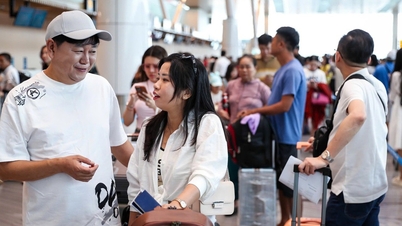
Several travel companies report that this summer, tourists tend to choose trips lasting 2-4 days, taking advantage of weekends or short breaks to recharge. Terms such as micro-holiday , staycation , or trips within a few hours' travel radius are increasingly appearing in the strategies of travel companies.
According to Ms. Huynh Thi Mai Thy, Country Director of Traveloka, Vietnamese people are adopting a new approach to domestic tourism. Instead of viewing holidays as a major annual event, many see travel as an activity that can be done more frequently, at a reasonable cost, and with more flexible timing. This shift is seen as an adaptation to the modern pace of life, where leisure time is increasingly fragmented. Short but effective trips are becoming a more suitable option than longer journeys that require more time and expense.
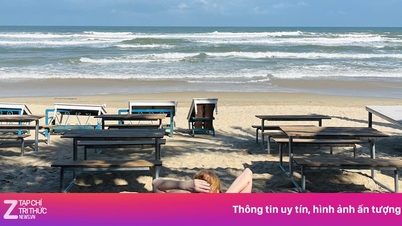
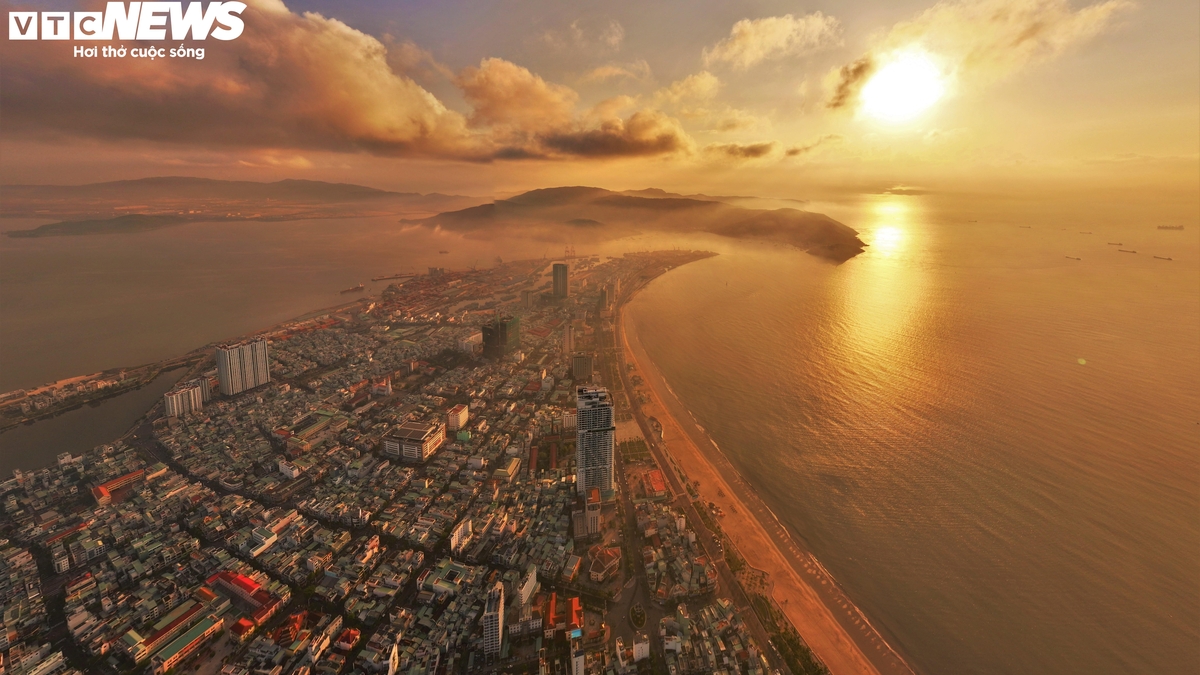
Looking at the list of most searched destinations for summer 2026, it's clear that beaches remain the top choice for domestic tourism. Da Nang continues to lead with its diverse tourism ecosystem, ranging from beach resorts and entertainment to festivals. Ha Long Bay saw nearly a threefold increase in accommodation searches. Phan Thiet, Nha Trang, Quy Nhon, and Phu Quoc maintain their strong appeal.
However, the way travelers choose destinations is changing. A beautiful beach is no longer the sole factor determining a trip.
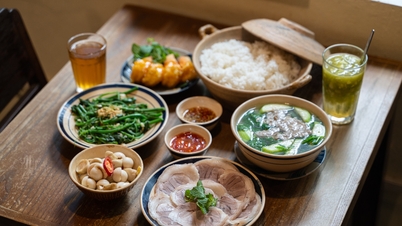
Surveys by Booking, Agoda, Traveloka, and feedback from travel businesses show that tourists are increasingly interested in accompanying experiences: local culture, local cuisine , community activities, festivals, and nature exploration products. In other words, the beach is still the reason to travel, but the experiences are what keep tourists coming back.
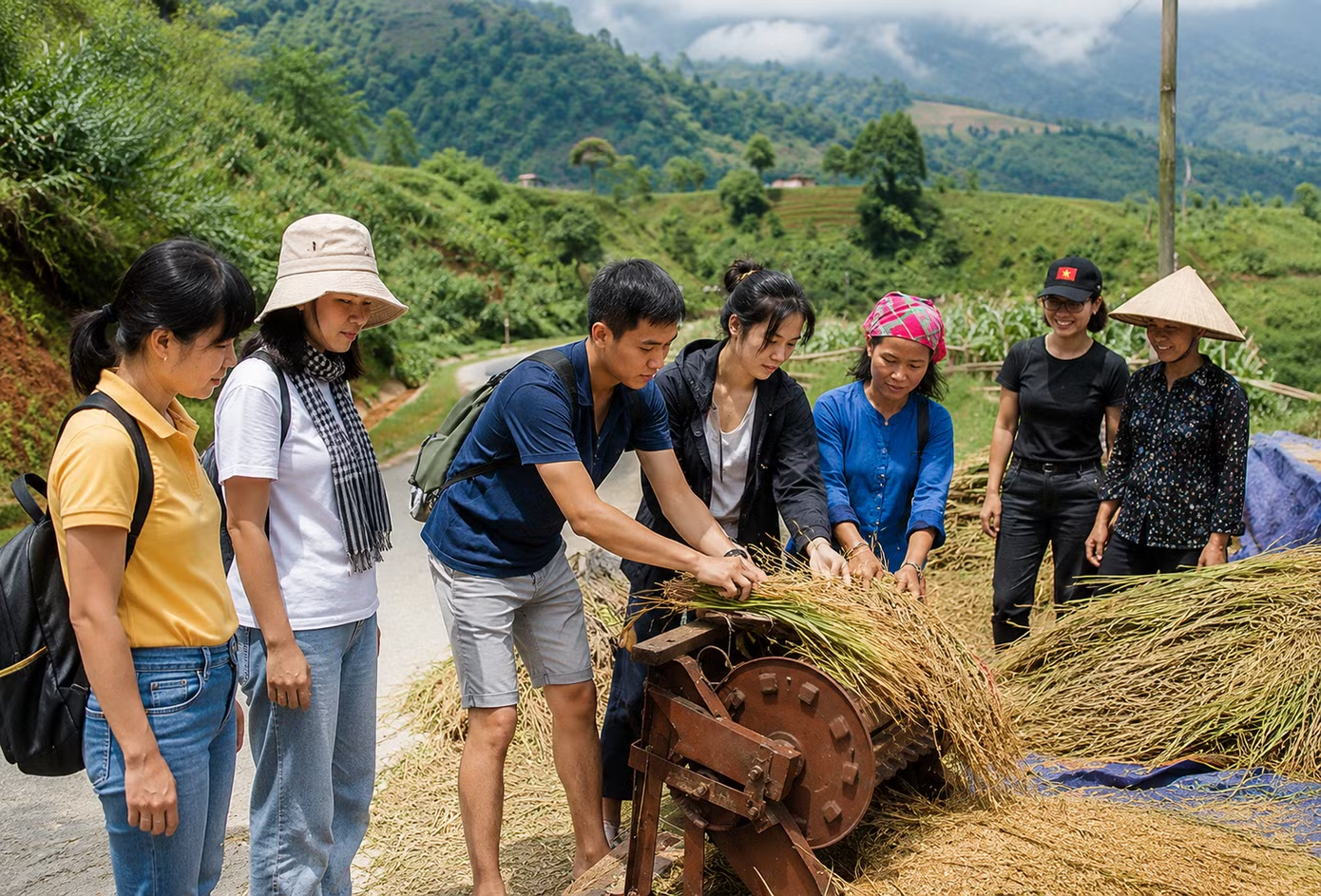
“About 10 years ago, tourists often judged a trip by the number of destinations they visited. The more places they went to and the more photos they took, the more successful the trip was considered. But that is changing quite rapidly. Nowadays, especially among young tourists and the urban middle class, people are more interested in the quality of the experience. They want to participate in local life, understand how a dish is made, and hear the stories behind a festival or a traditional craft village. These experiences create memories and emotions that a check-in photo can hardly replace,” analyzed tourism economics expert Dr. Tran Van Manh.


New trend: Local experiences
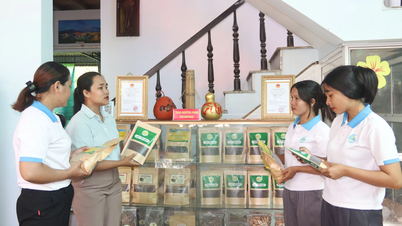
According to Dr. Tran Van Manh, one of the most prominent trends in summer tourism in 2026 is the demand for authentic local experiences. Observations from TransViet show that young travelers are increasingly fond of activities that involve interaction with local communities, such as cultural workshops, culinary experiences, trekking, exploring traditional crafts, or participating in community activities.
Branavan Aruljothi, Country Director of Booking.com in Vietnam, commented: “Vietnamese travelers of all generations are increasingly seeking more responsible and meaningful trips. This trend is reflected in their preference for experiencing local culture, exploring destinations in depth, and proactively adjusting their itineraries to adapt to environmental factors and climate change.”
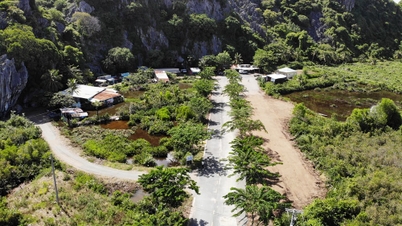
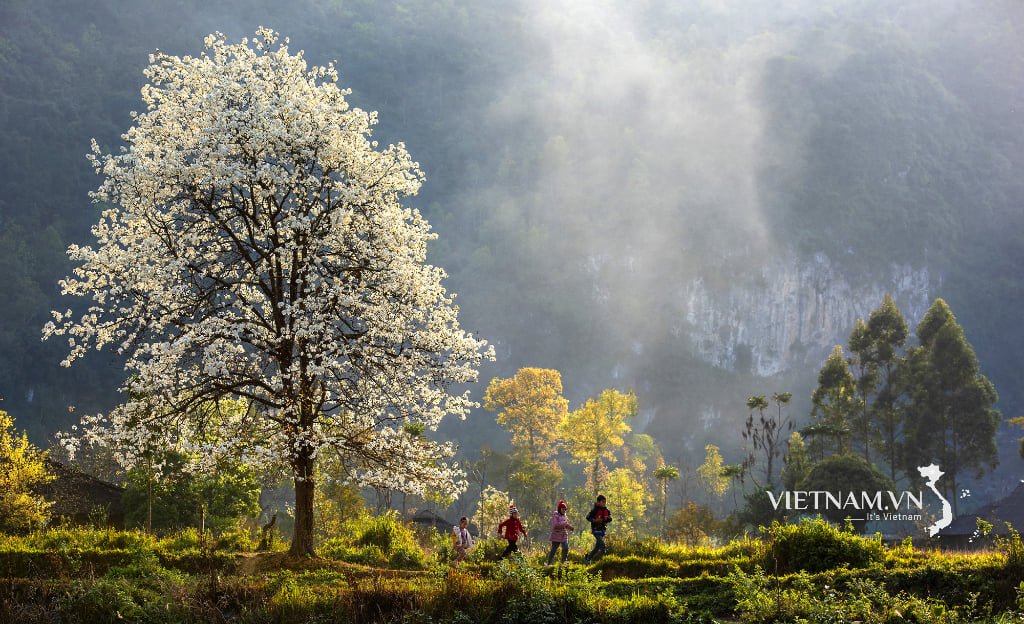
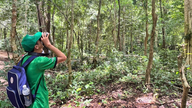
This may also be why trekking products in Northwest Vietnam, cloud hunting in Ta Xua and Lao Than, or tours experiencing local culture are increasingly attracting attention. According to a survey by Tien Phong newspaper, 8 out of 10 travel agencies in Hanoi reported a significant increase in the number of customers inquiring about or registering for programs with local experience elements in the last two years, especially among young travelers aged 25-40.
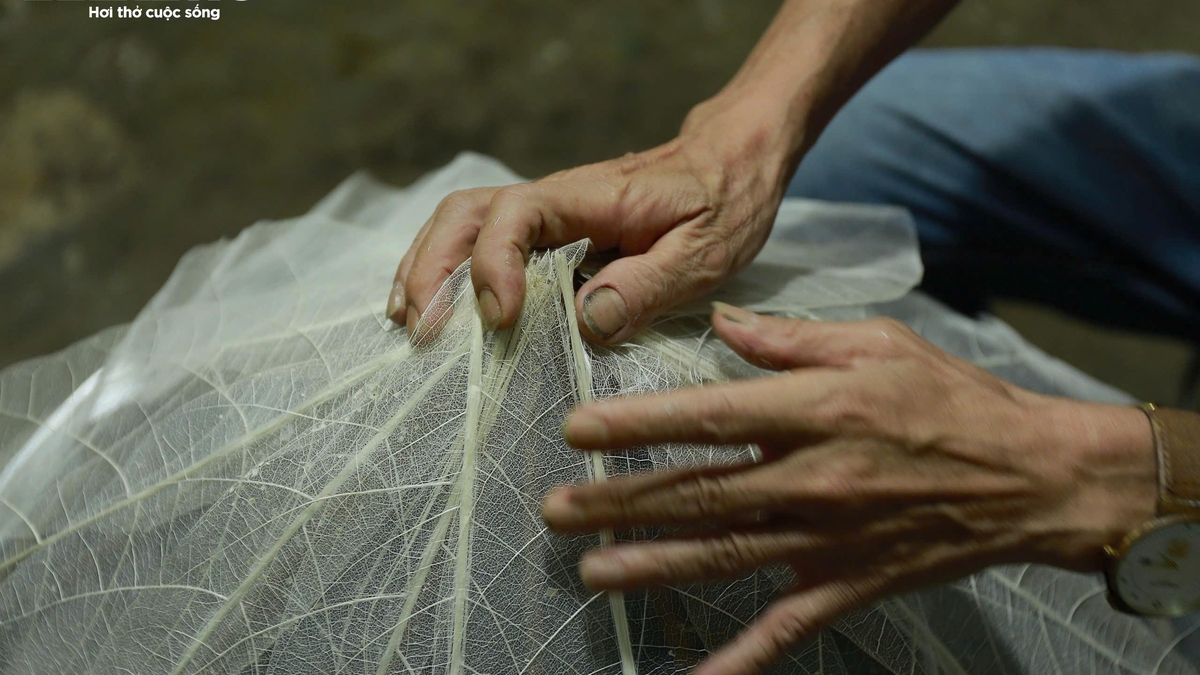
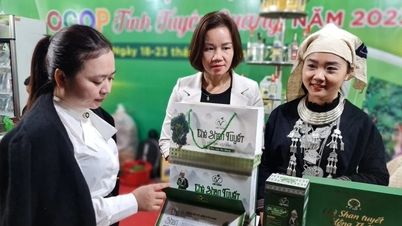
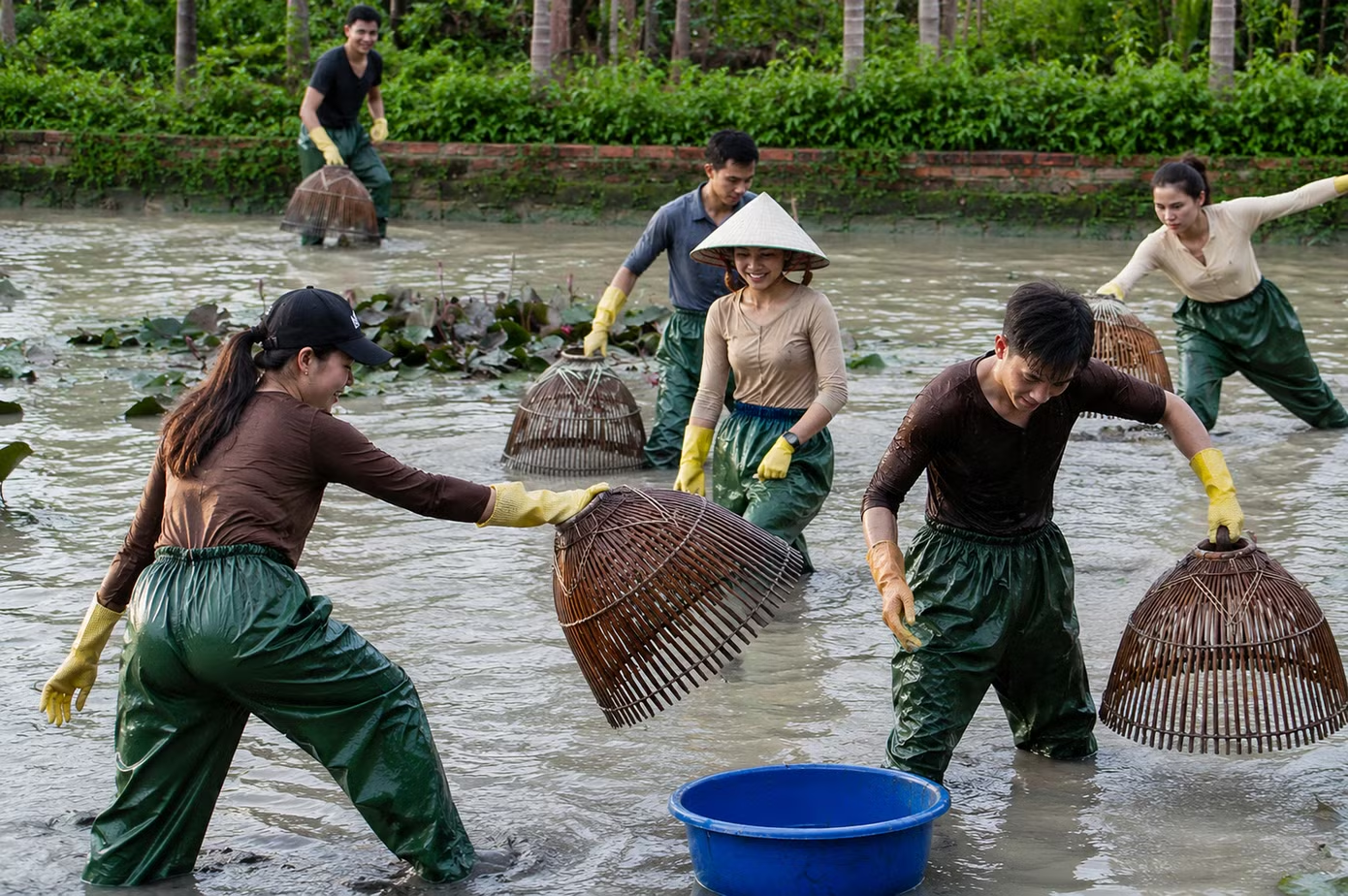
Unlike in the past, when most tourists prioritized relaxing tours or scheduled sightseeing trips, many are now willing to dedicate time to activities that require direct participation. This could be a local cooking class in Hoi An, a day following locals to a floating market in the Mekong Delta, experiencing tea making in Thai Nguyen, dyeing indigo in the Northwest, or participating in daily activities with local people.
While tours were previously designed on a mass-market model, summer 2026 is witnessing the rise of "tailor-made" itineraries. According to a representative from TransViet, the need for personalization is evident in almost all customer groups, from multi-generational families and middle-aged travelers to young people.
Non-replicating resources
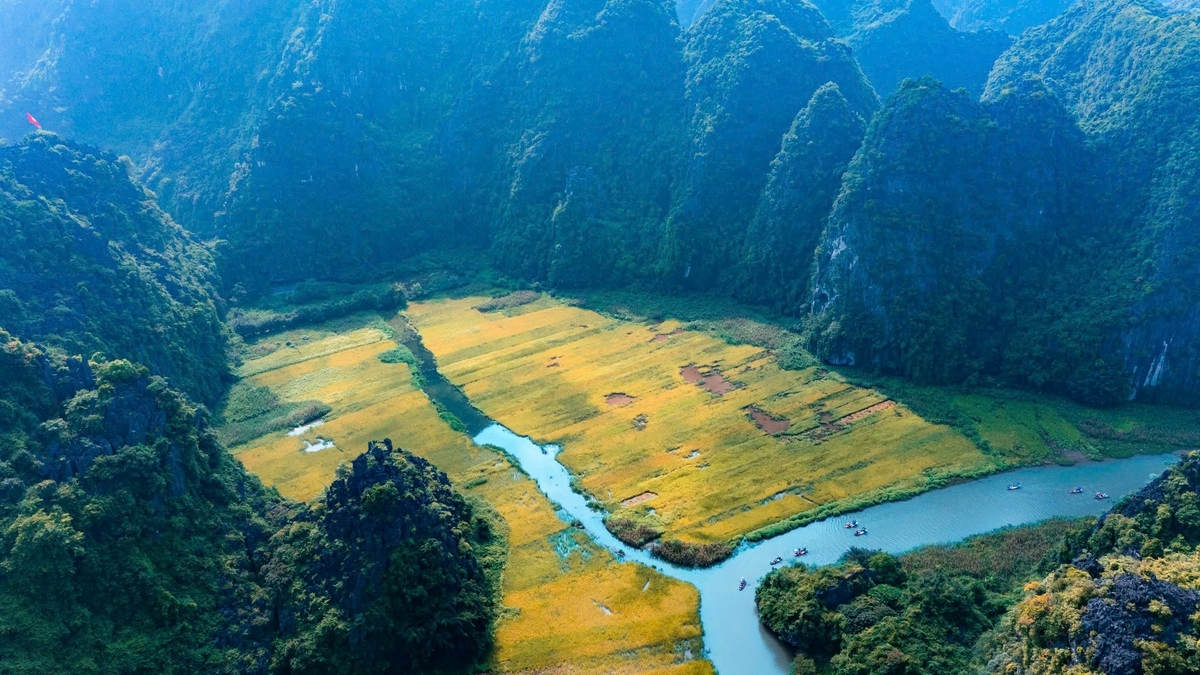
According to Dr. Tran Van Manh, it is no coincidence that many localities today choose to develop tourism associated with heritage, traditional crafts, local culture, or community activities. In a context where infrastructure, hotels, and entertainment areas are increasingly easy to invest in and replicate, the most sustainable competitive advantage of a destination lies in its immovable values. A coastal resort can be built in many places, but a pottery village that has existed for hundreds of years, a folk festival preserved through generations, or a way of life connected to community life cannot be replicated in the same way. For modern tourists, especially those with high spending power, the attraction is not only the beautiful scenery but also the opportunity to experience stories, people, and cultural values that can only be found in a specific locality. This is also why many experts consider local culture to be an "immovable resource" for the tourism industry.


“Food lovers want a culinary-focused trip. Adventure seekers want trekking and nature experiences. Older adults are concerned about health and a suitable pace of travel. Families with children prioritize safety and convenience. This forces businesses to change how they develop products. Instead of selling one tour to everyone, they must create more options for each customer group,” shared Dr. Tran Van Manh.
This shift can be seen as a favorable development, as technology platforms are creating unprecedented conveniences. AI chatbot platforms, smart applications, and automated advisory systems are being deployed by many businesses to personalize itineraries, support customers 24/7, and optimize experiences before, during, and after trips. Travel experts believe that AI is clearly making planning much easier.
Source: https://tienphong.vn/con-sot-chuyen-di-ngan-ngay-he-2026-post1851927.tpo

![[Photo] Overview of the renovation and upgrading of the Ho Chi Minh Museum - Ho Chi Minh City Branch](https://vphoto.vietnam.vn/thumb/1200x675/vietnam/resource/IMAGE/2026/06/24/1782287051250_ndo_br_01-jpg.webp)

![[Photo] Opening Ceremony of the 13th National Congress of the Ho Chi Minh Communist Youth Union](https://vphoto.vietnam.vn/thumb/1200x675/vietnam/resource/IMAGE/2026/06/24/1782286753905_ndo_br_1-8510-jpg.webp)
![[Image] Paris's oldest bridge goes viral after transforming into a giant cave.](https://vphoto.vietnam.vn/thumb/1200x675/vietnam/resource/IMAGE/2026/06/24/1782283441197_ndo_br_dsc05314-jpg.webp)