Since the first World Cup in 1930, over 80 national teams have participated in 23 final tournaments. However, only eight teams have ever lifted the trophy. What makes only a select few nations consistently excel in the beautiful game?
Many leaders have long harbored ambitions to elevate their country's football to a world-class level. Success on the pitch brings numerous benefits to a nation, including boosting national morale and enhancing the country's image in the eyes of the international community. However, achieving glory at the world's biggest football tournament has never been easy.
The golden formula for success
The Economist 's research team used the Elo rating of national teams to assess the disparity between them and then explained it using various other factors. The Elo rating is widely used in world football to rank the strength of teams based on their historical performance.
Ultimately, the results revealed four factors that are likely to significantly influence a national team's performance: the country's wealth, population size, average height, and geographical location linked to regional football culture. These universal factors may explain approximately 70% of the differences between national teams.
However, none of the above factors are absolutely decisive.
  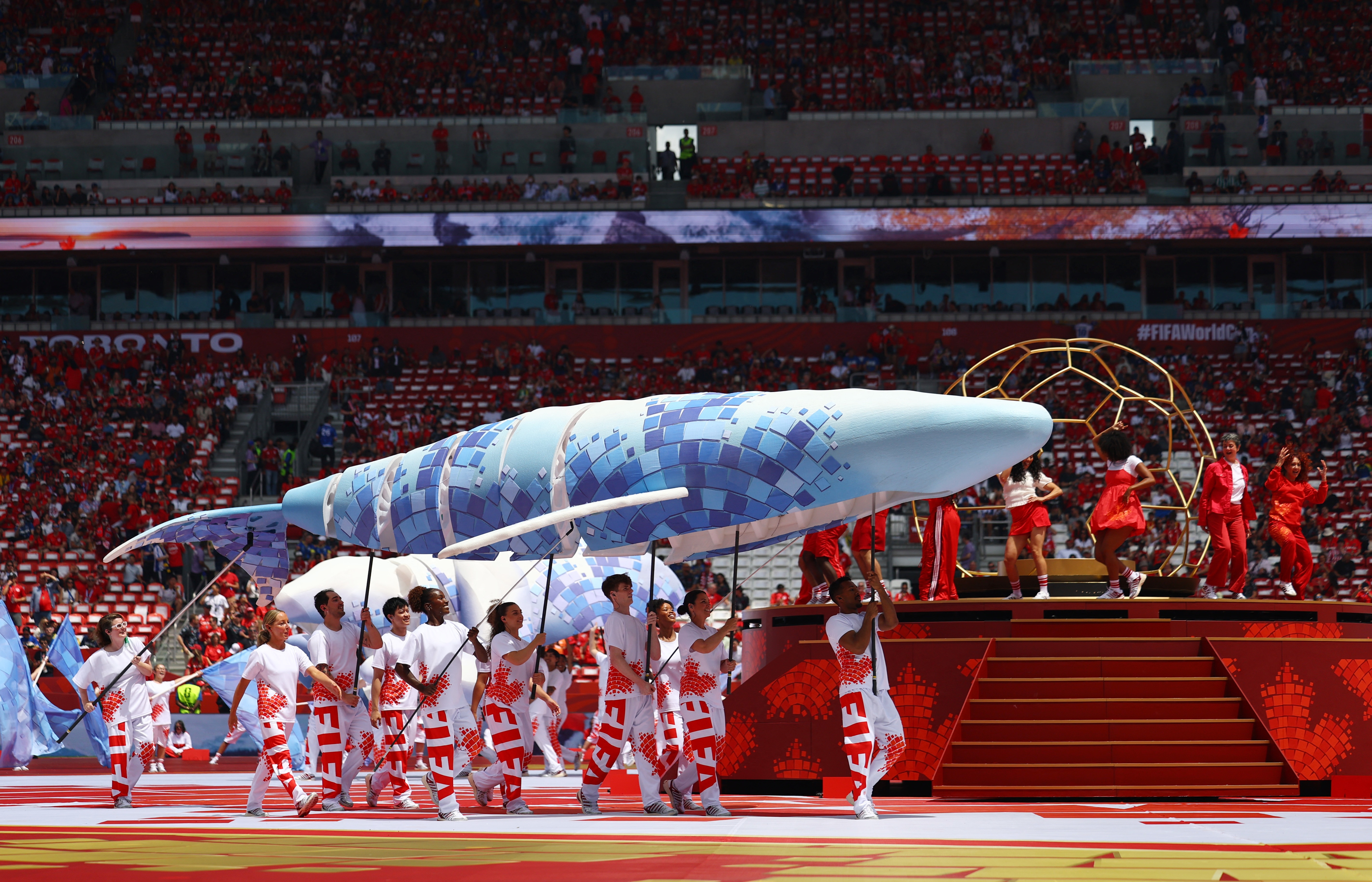 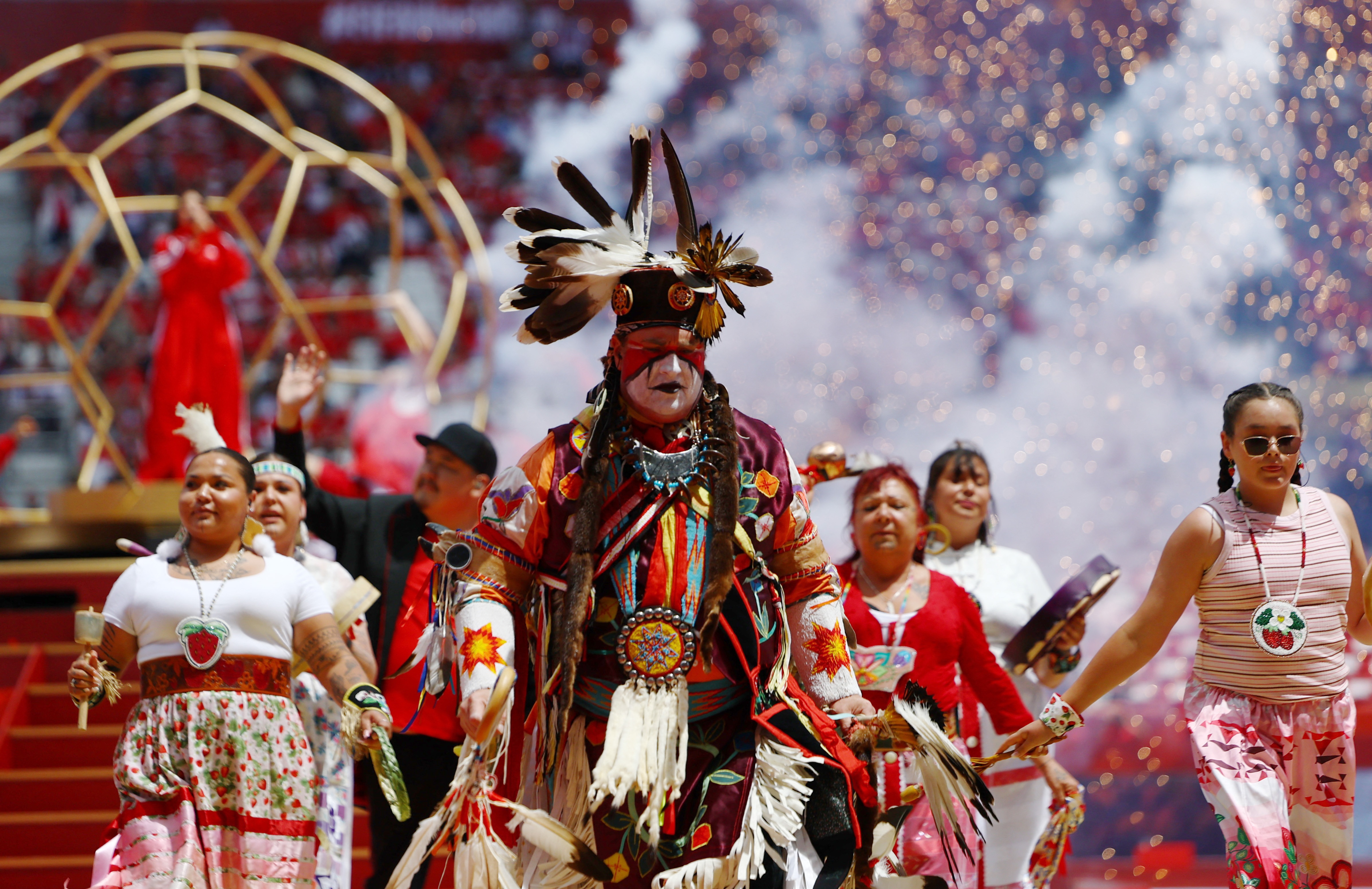 |
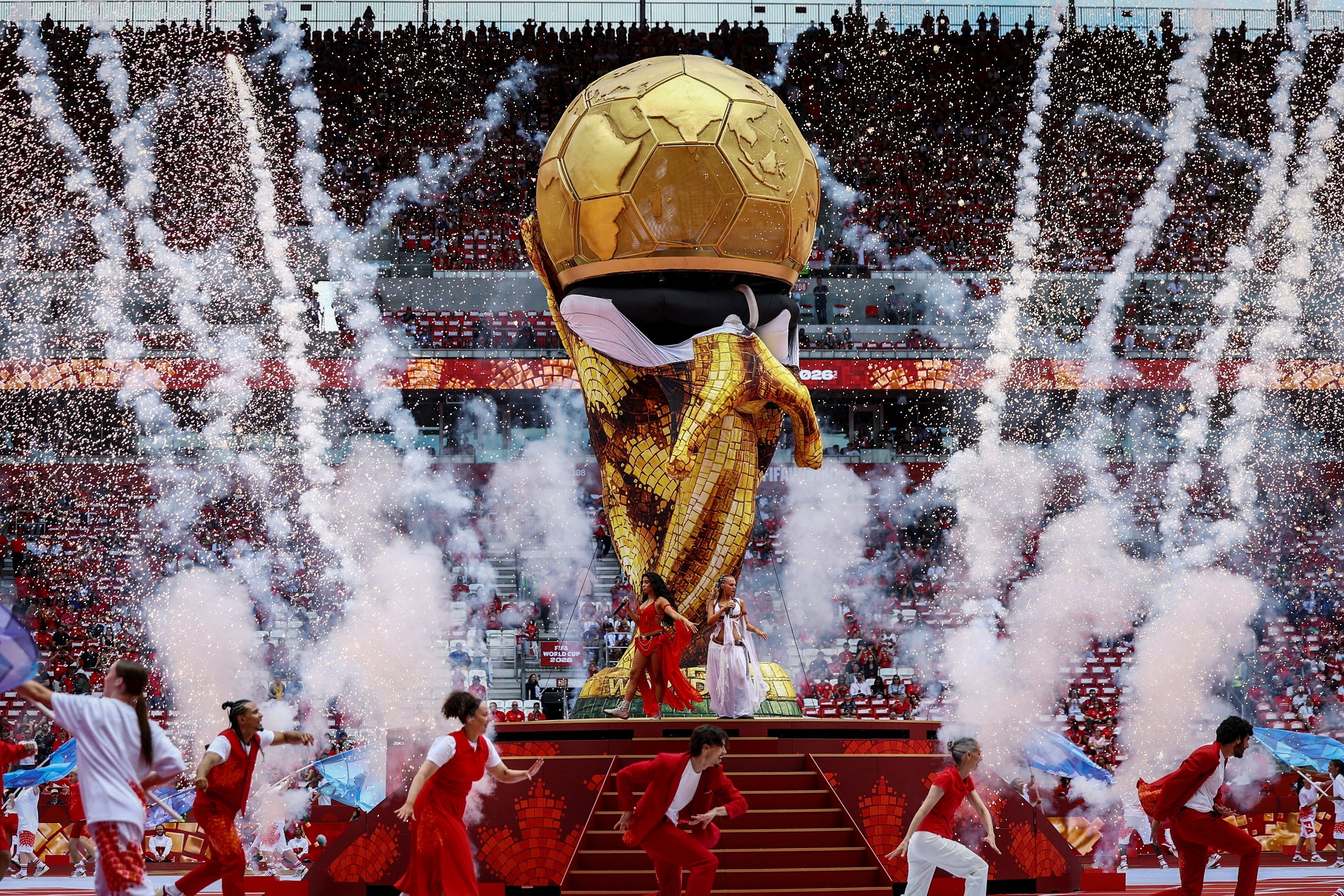
Artistic performances at the opening ceremony of the 2026 World Cup. Photo: Reuters . |
First of all , wealthy countries tend to invest more in the quality of youth training, coaches, and facilities, but that doesn't always guarantee success.
The Gulf states possess abundant financial resources and a passionate football-loving population, leading to significant investment, yet their World Cup performance has not lived up to the level of investment.
Secondly , population size also plays an important role. A large population means a plentiful pool of players to select from. However, China and India have some of the world's largest populations, yet they have yet to reach the World Cup stage, so population size is not the deciding factor.
Thirdly , physical stature is particularly important in football. Statistics from The Economist show that at the World Cup, the ideal height for male players who are not goalkeepers is around 181 cm.
The further a country's average male height deviates from this benchmark, the more likely that country's national team is to perform poorly.
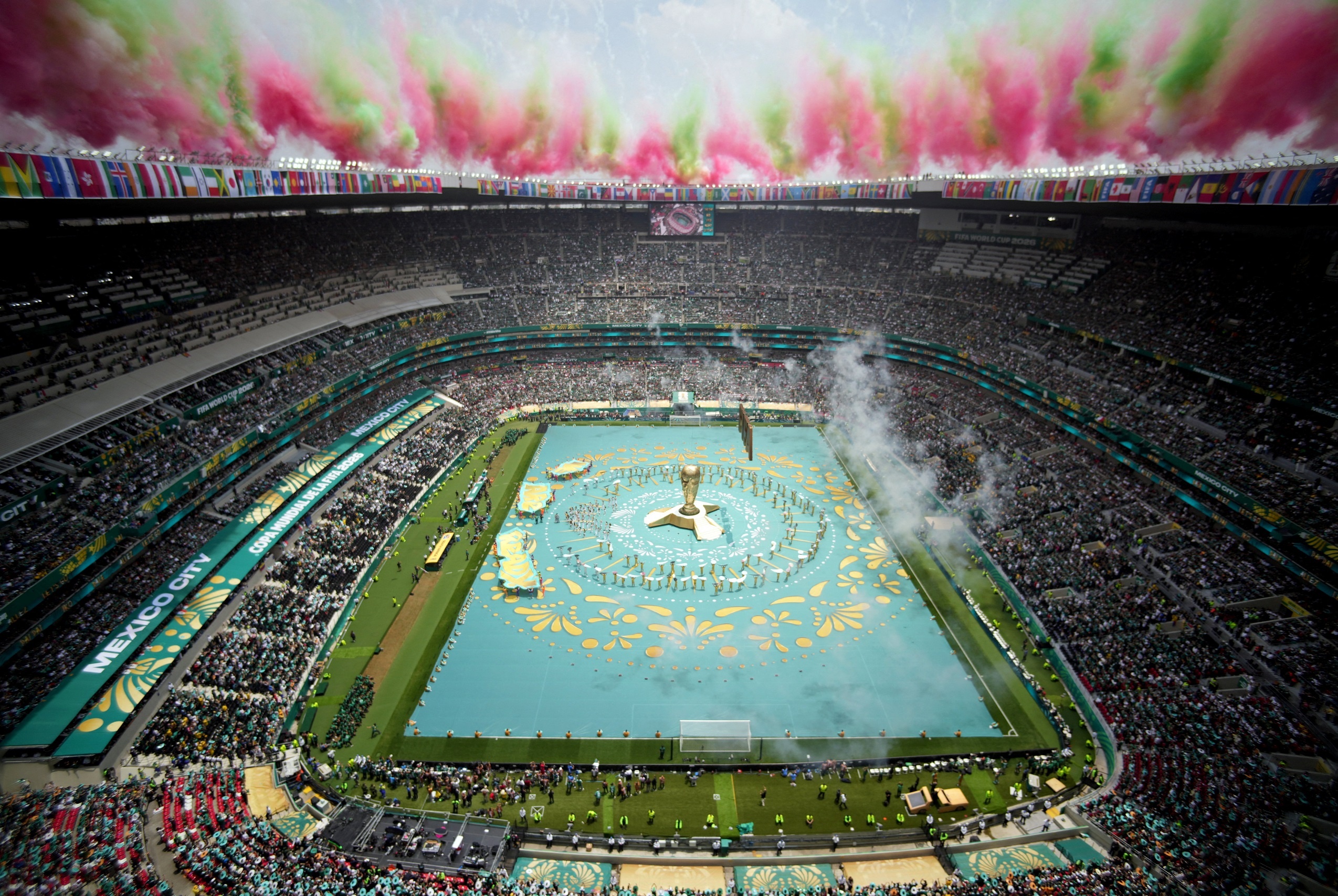 |
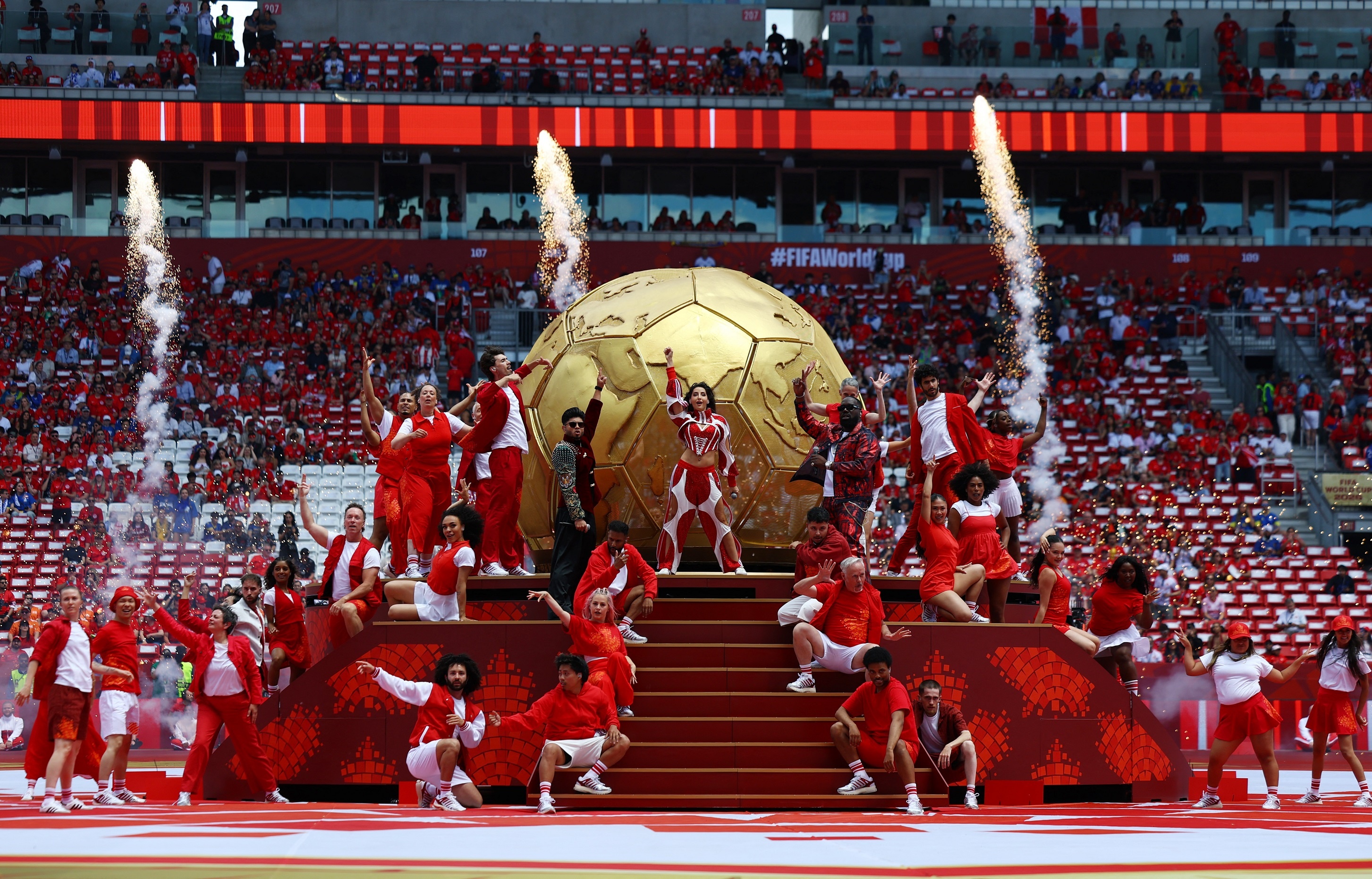
A panoramic view of the opening ceremony before the first match of Group A, between Mexico and South Africa, at the Azteca Stadium in Mexico City, Mexico. Photo: Reuters . |
Fourth , the variable with the greatest influence, yet the most difficult to influence, is the geographical factor associated with the football culture of that region.
South American teams have an average Elo rating approximately 640 points higher than Asian teams, and they are predicted to win in over 90% of their matches against Asian teams.
European teams also maintain a clear advantage. These advantages reflect the long-standing differences in the level of football culture in each region. This will impact the quality of coach training and the level of competitiveness in national leagues.
National league championships in Europe typically bring together the best players in the world, attracting large audiences and significant investment.



The long-standing football culture in the region also influences financial factors. Wealthier football federations in Europe and South America often have the resources to invest more heavily in coach training and youth development. As a result, their success is sustained over time.
Ways to "get ahead"
The Economist argues that the most accurate predictor of a football team's current level is to track their rankings from decades ago. Approximately 80% of teams that were in the top 25% of the Elo rankings in 1976 have maintained their top positions 50 years later.
Closing the gap in the world of football is difficult and arduous, but not impossible. Some countries have risen sharply in the rankings. Japan is the most prominent example.
The Japanese national team had never participated in the World Cup before 1998, but after their first appearance in the World Cup finals in France, Japan has not missed a single World Cup since. At the 2022 World Cup held in Qatar, Japan even defeated Germany and Spain. Japan is also considered a "dark horse" at this year's tournament.
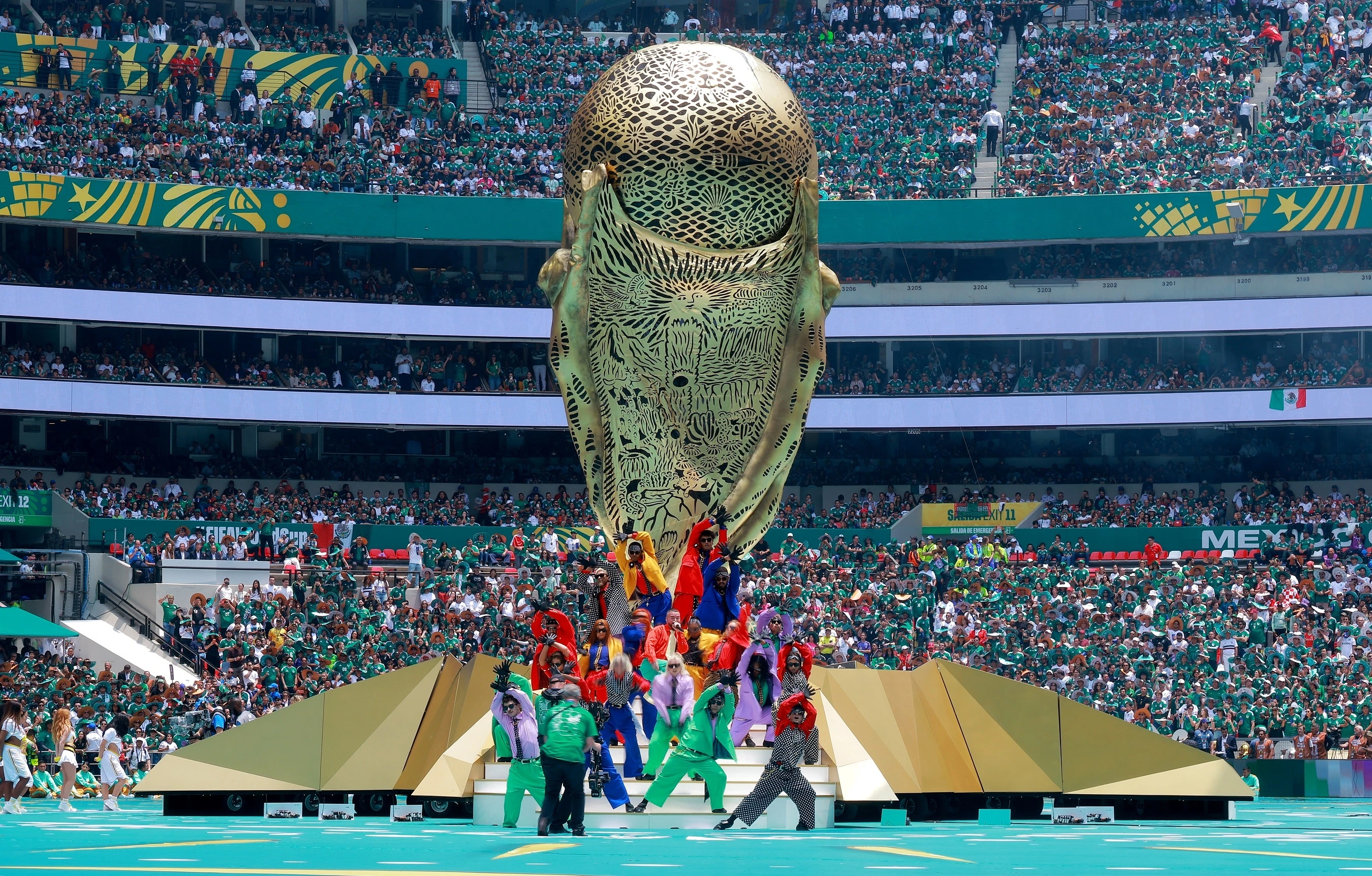 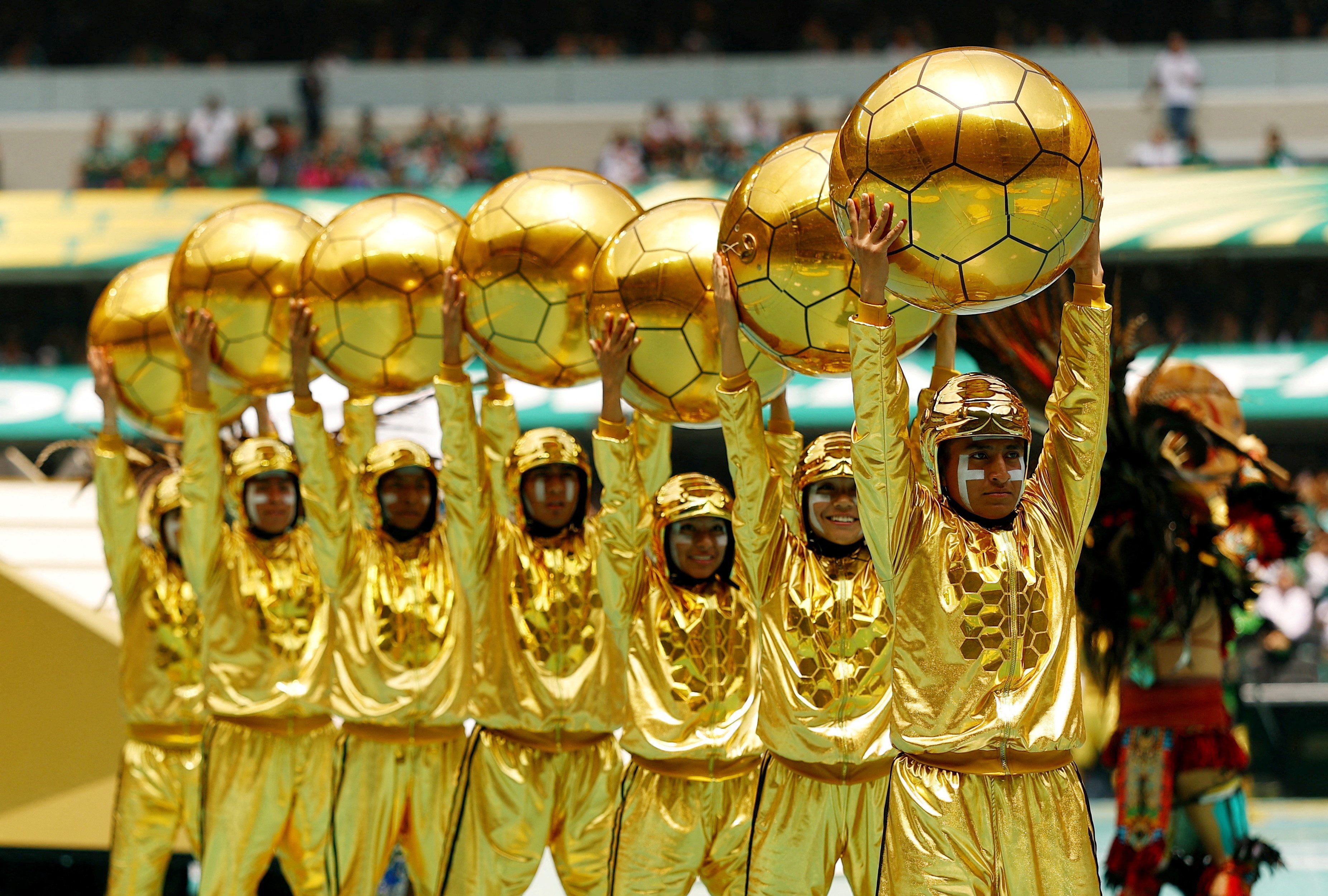  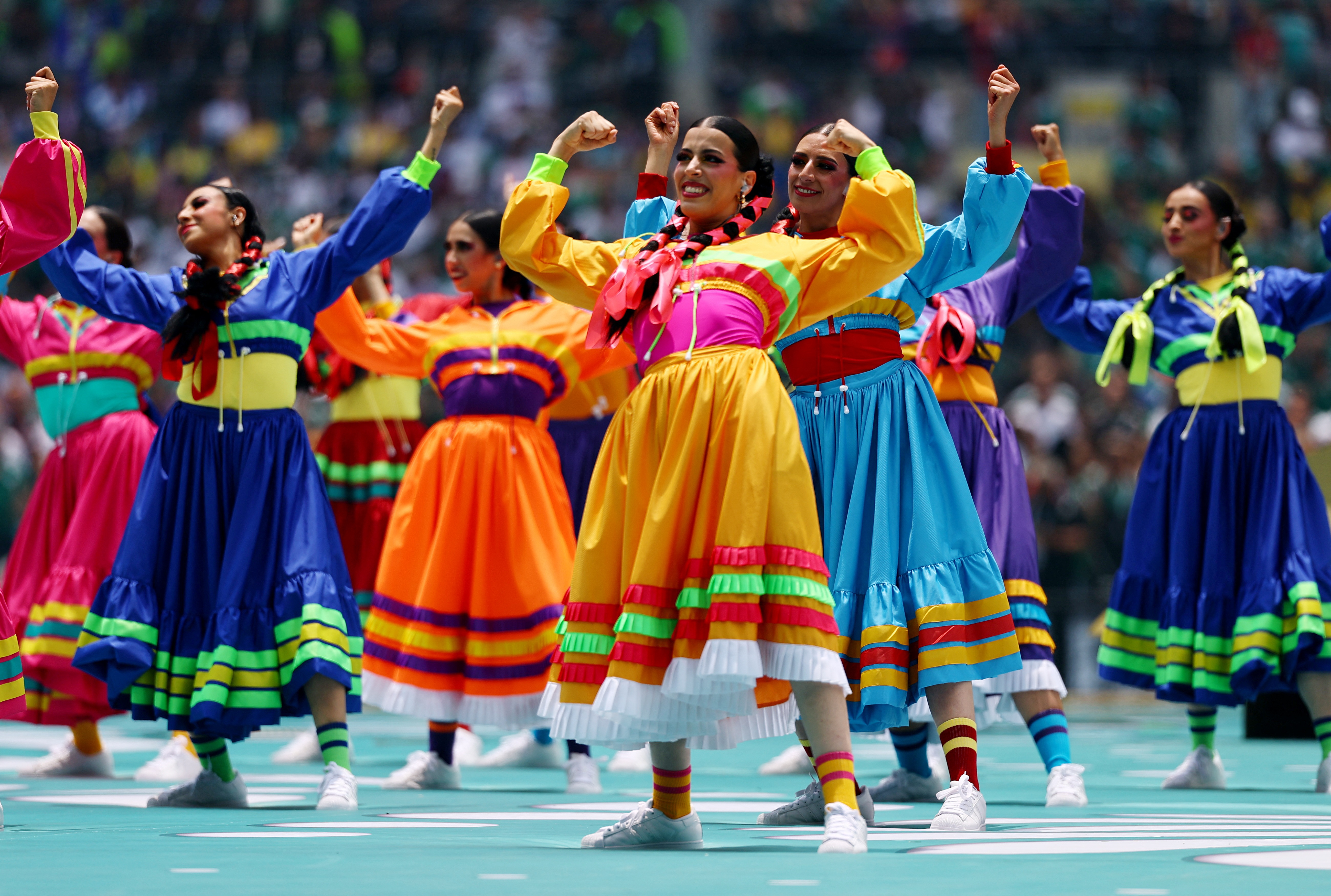 |
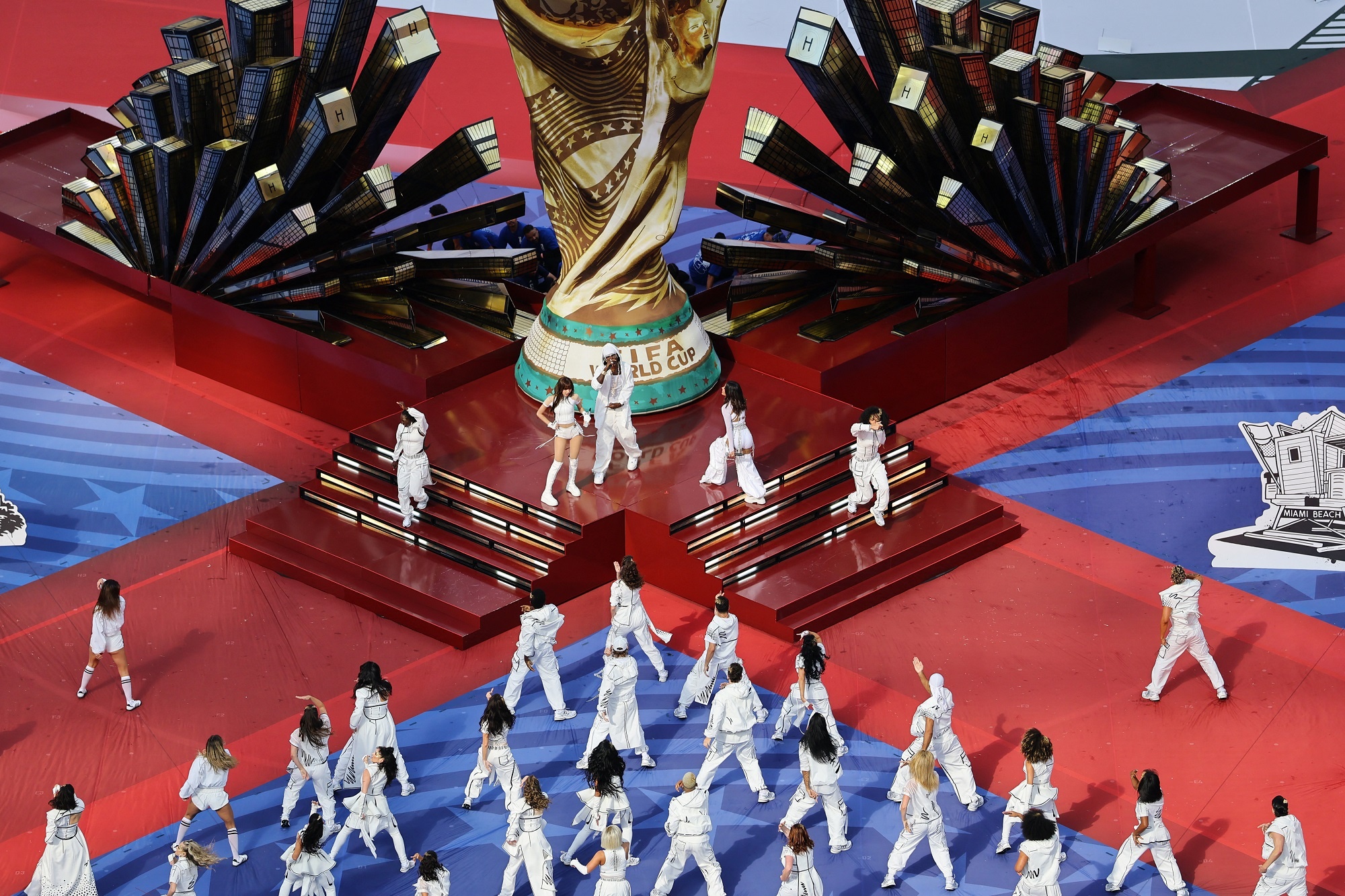
A performance during the opening ceremony of the 2026 World Cup at the Azteca Stadium, Mexico City, Mexico. Photo: Reuters . |
Japan's success stems from its long-term development strategy. In 1992, Japan reformed its semi-professional league system and launched its "Century Vision" strategy, aiming to establish 100 professional football clubs by 2092.
Since then, this plan has been continuously adjusted and refined. The Japan Football Association regularly studies new trends in world football and then translates them into specific requirements for clubs, such as mandating the operation of youth academies and providing guidance on the ideal type of player to develop.
Japanese players now compete in top European leagues. The core of Japan's approach is developing a foundation from the grassroots level, starting with semi-professional clubs.
Conversely, some countries that lag behind in football development strategies often fall into the trap of focusing on high-level development, investing heavily in the hope of training football talent.
However, this model is unlikely to succeed because football is inherently a grassroots sport. Focusing on building a widespread grassroots movement is crucial in finding and discovering talent.
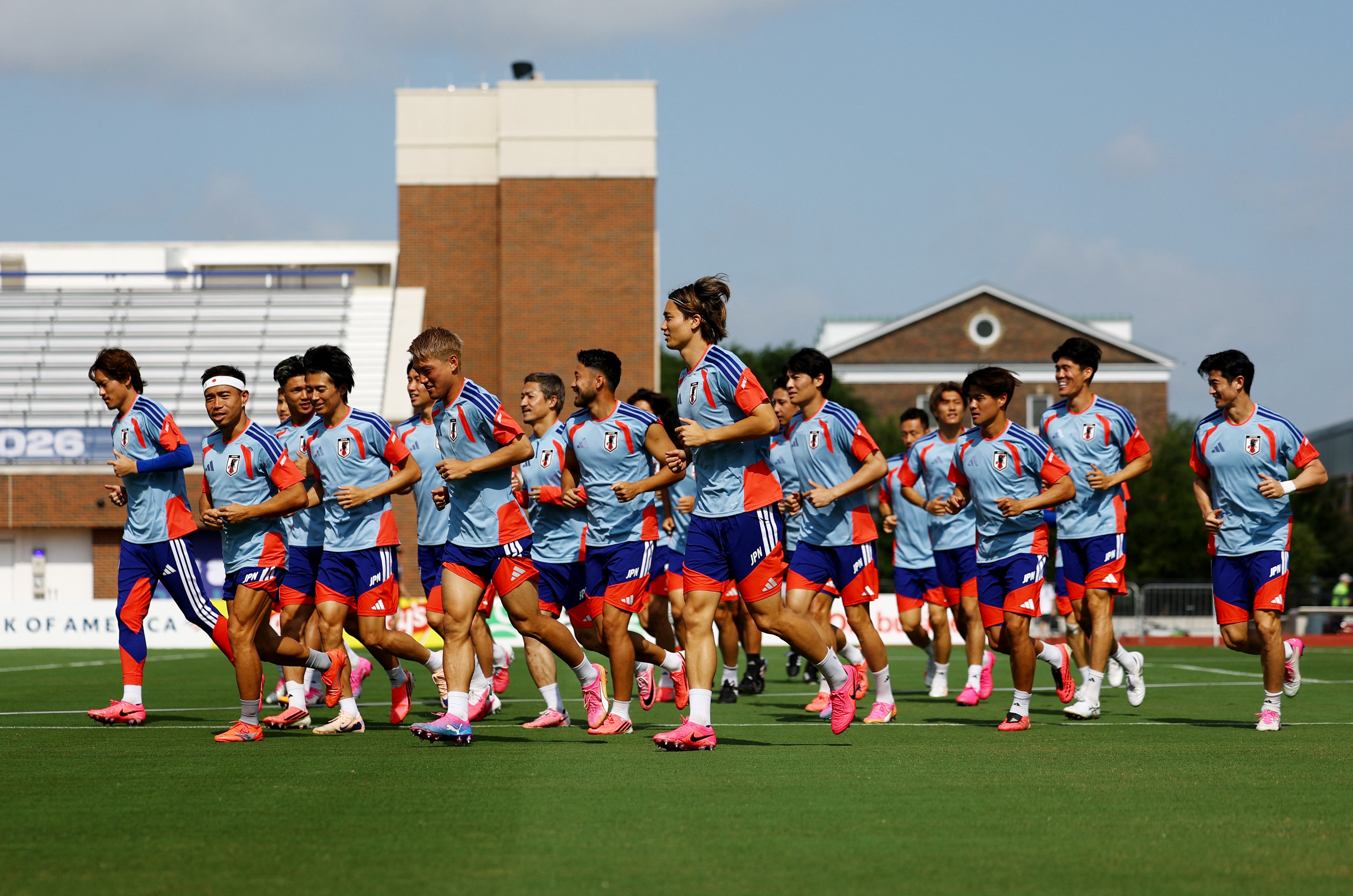 |
The Japanese national team trains on the soccer field of Southern Methodist University in Dallas, Texas, USA, on June 24. Photo: Reuters . |
However, following the Japanese method is also very expensive and time-consuming. For developing countries with limited resources, there is still a faster path: leveraging resources from abroad.
Senegal is one example. The country is interested in its citizens who have been trained at youth football academies abroad. Approximately half of the Senegalese World Cup squad were children of Senegalese migrants living in France.
At this year's World Cup, 96% of the players on the Curacao national team and 62% of the players on the Cape Verde national team were born abroad.
These teams are prime examples of a growing trend in the world of football. Since 1994, the percentage of players representing a national team other than their birthplace has rapidly increased, from 9% to 24%.
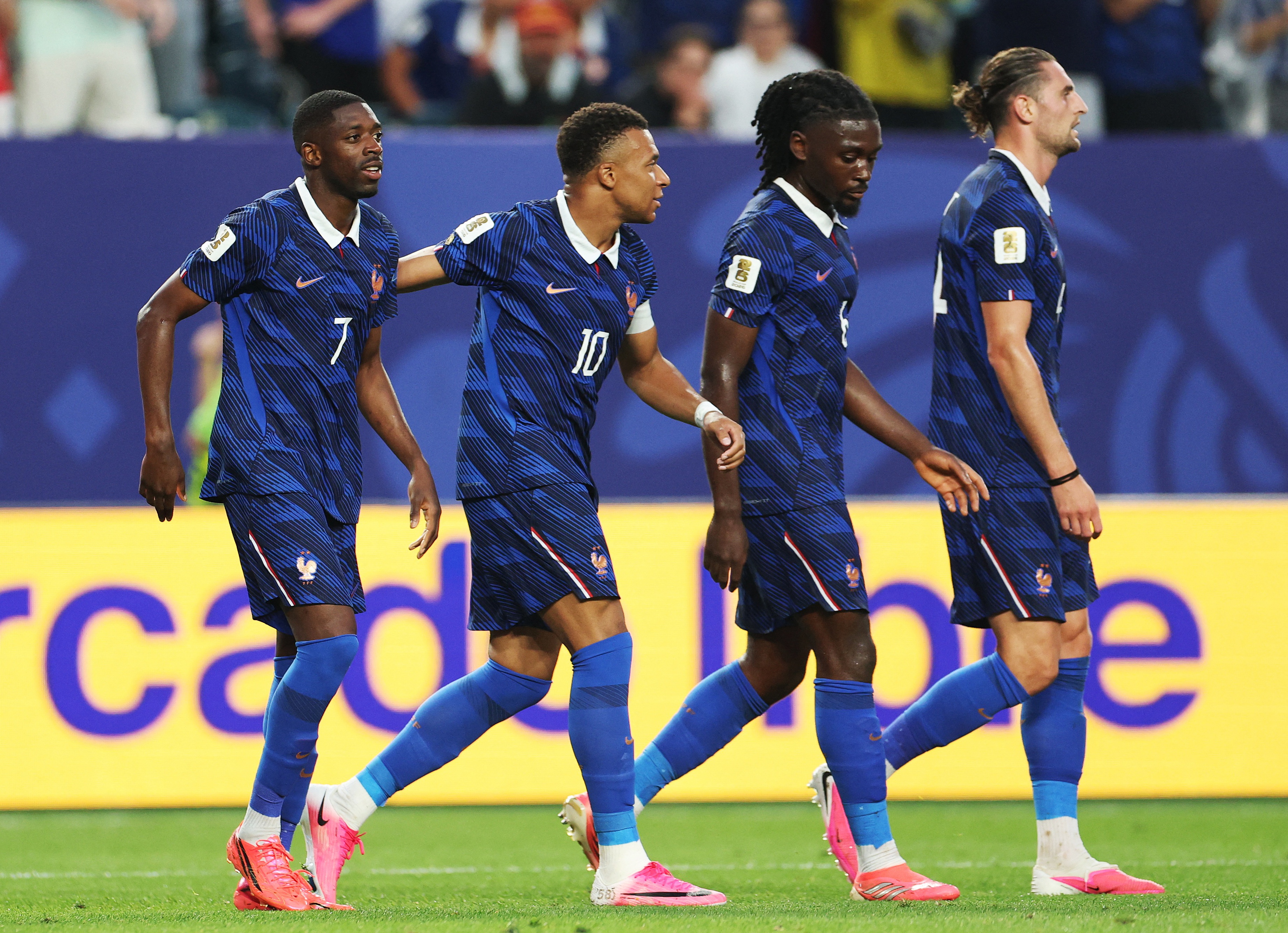 |
The French national team is almost entirely made up of the children of immigrant families. Photo: Reuters . You may also like  Car plows into crowd celebrating Mexico's victory, injuring more than 10 people.Images shared online show a black car speeding through a crowd of fans in Cabo San Lucas after Mexico's victory over the Czech Republic on June 25.  Ukraine receives a huge gift, a "shower of money" from Europe.European Commission President Ursula von der Leyen announced that the EU has disbursed the first tranche of €3.2 billion under the new Ukraine Assistance Loan program, and added that funding for drone production will be provided in the near future. The announcement was made at the Ukraine Reconstruction Conference in Gdańsk on June 25th.  Vietnam firmly supports the just struggle of the Palestinian people.General Secretary and President To Lam affirmed the consistent stance of the Party, State, and people of Vietnam in steadfastly supporting the just struggle of the Palestinian people. |
In addition to the above method, some countries also choose to naturalize players, granting passports to talented football players.
Statistics from World Cups show that teams with more players born abroad tend to go further in the tournament.
The 2022 World Cup is the clearest example. Morocco became the first African team to reach the World Cup semi-finals. The team had a total of 26 players, 14 of whom were born abroad.
Migration also brings benefits to the countries that receive them. Spain's star player, Lamine Yamal, is the son of immigrants.
England's attack includes Bukayo Saka, who has Nigerian ancestry, and Marcus Rashford, who has Caribbean roots. The French team is also almost entirely made up of children from immigrant families.
A 2023 study also concluded that as the level of "ancestral diversity" in a team's roster increases, the team's performance tends to improve.
This summer, the Italian national team failed to qualify for the World Cup, becoming the only team to have won the World Cup but then been eliminated. Some commentators suggest that the strict nationality regulations in Italian football negatively impacted the team's performance.
In reality, the victories and defeats on the football field are not simply a matter of talent. They also involve carefully calculated strategies, thorough research, significant investment, and flexible adaptation.
Source: https://znews.vn/cong-thuc-de-vo-dich-world-cup-post1663112.html
![[Image] Ho Chi Minh City: Ma Lang area, Chicken-Rice Market about to change its appearance](https://vphoto.vietnam.vn/thumb/1200x675/vietnam/resource/IMAGE/2026/06/25/1782377698627_ndo_br_m1-jpg.webp)


![[Photo] General Secretary and President To Lam receives Palestinian Ambassador Saadi Salama](https://vphoto.vietnam.vn/thumb/1200x675/vietnam/resource/IMAGE/2026/06/25/1782365384740_a1-bnd-9423-8322-jpg.webp)

![[Image] Schools organize meetings and introduce teaching models to students admitted to grade 10.](https://vphoto.vietnam.vn/thumb/1200x675/vietnam/resource/IMAGE/2026/06/25/1782368077271_ndo_br_z7970052192242-1ec8daeb77a6eed1a4e9f58c564ddd3e-jpg.webp)















![[Video] Weather forecast for tonight and tomorrow, June 26, 2026: Northern Vietnam to end heatwave from tomorrow, Central Vietnam to continue experiencing a heatwave.](https://vphoto.vietnam.vn/thumb/402x226/vietnam/resource/IMAGE/2026/06/25/1782392692278_thumb-dem-png.webp)