

 |
Back support cushions do not have the function of improving the condition of herniated discs. Photo: Caixin. |
On e-commerce platforms, a wide range of back support cushions are being sold with attractive advertisements claiming they help prevent hunchback, correct posture, and even improve the condition of herniated discs. Some products even integrate massage functions, which can deeply affect muscle groups.
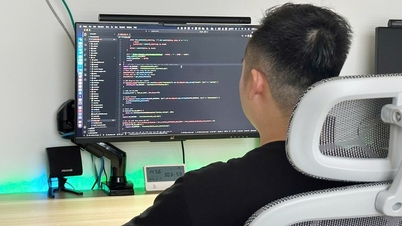
However, medical experts argue that these advertisements are exaggerated. According to Dr. Lu Shibao, Director of the Orthopedics Department at Xuanwu Hospital of Capital Medical University (China), some types of back support cushions actually put pressure on and cause further damage to the intervertebral discs when sitting for long periods.
He explained that when leaning back against a cushion, the back muscles relax and increase pressure on the front. This creates a comfortable feeling, but it doesn't mean the spine is protected.
Experts emphasize that seat cushions are merely supportive tools. They do not solve spinal problems caused by prolonged sitting. In fact, the comfort provided by the cushion may even encourage users to sit longer and move less.
The pressure on the lumbar spine when sitting is double that when standing. If you bend forward 20 degrees, the pressure increases almost threefold. Therefore, experts classify mattresses into two main groups: soft mattresses and firm mattresses, to help users find a product suitable for their condition.
Soft cushions made from silicone or foam help distribute pressure, reducing discomfort when sitting on hard surfaces. However, they only provide relaxation and do not improve posture.
Firm pads made from plastic offer more solid support, but if they don't fit your body size, they can add to discomfort.
Dr. Chen Xiaolong, Deputy Director of the Orthopedics Department at Xuanwu Hospital, recommends choosing a seat cushion so that when sitting down completely, the back rests firmly against the cushion and the angle between the back and hip joints reaches 90-110 degrees.
"No matter how good the cushion is, if it doesn't fit the chair, it won't be effective," said Dr. Chen Xiaolong.
In terms of shape, a cushion with a curve that conforms to the back is more effective than a flat one. Regarding material, memory foam and latex offer better support. People of average height can choose a thicker cushion to sit comfortably in the chair and avoid choosing a cushion that is too thick if the chair seat is shallow.
Experts say that getting up and walking around every 30 minutes, avoiding sitting continuously for more than 90 minutes, and exercising regularly helps to better support the spine in the long run.
Source: https://znews.vn/cu-lua-khi-su-dung-dem-tua-lung-post1650998.html

![[Photo] General Secretary and President To Lam presides over a working session with the Central Policy and Strategy Committee on the development of the materials industry.](https://vphoto.vietnam.vn/thumb/1200x675/vietnam/resource/IMAGE/2026/05/21/1779359935432_a3-bnd-3129-1412-jpg.webp)
















































































Comment (0)