




 |
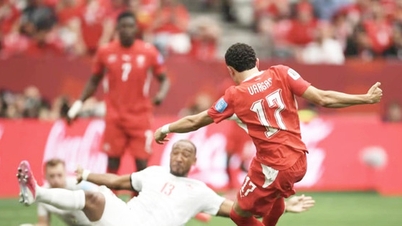
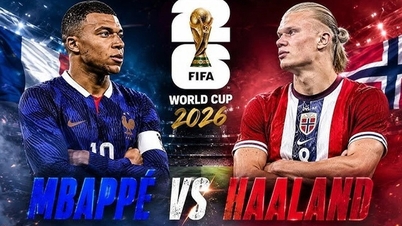
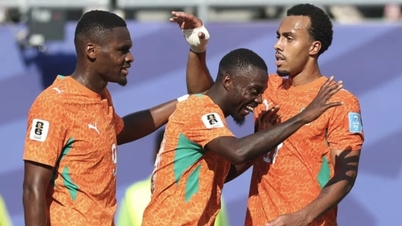
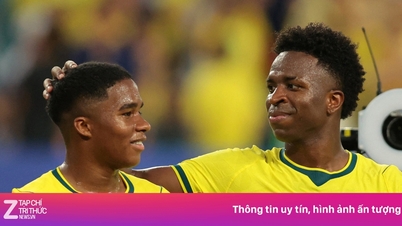
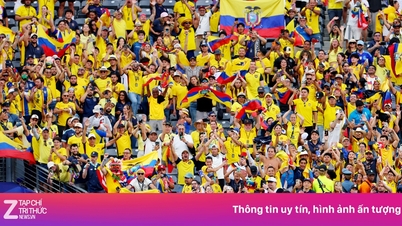
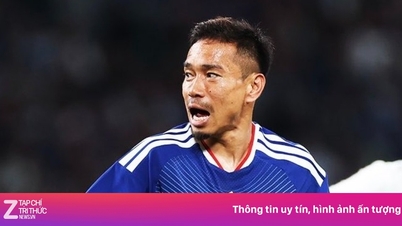
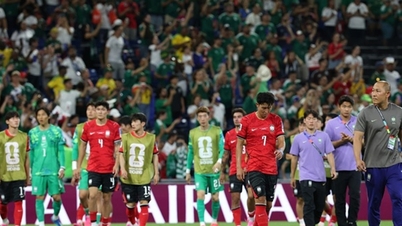
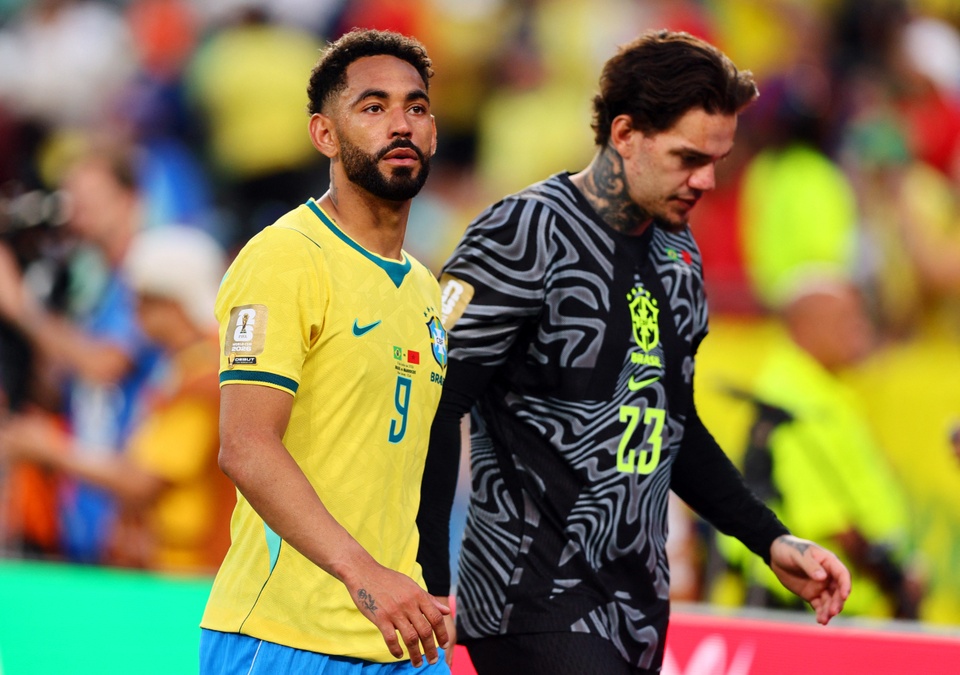
The 2026 World Cup is not only the biggest football festival in history, but it also opens up a record-breaking $355 million compensation program for clubs releasing players to their national teams. |
The 2026 World Cup will be the biggest tournament in history with 48 teams, a significant increase in the number of matches, and a considerably longer duration compared to previous editions. This will not only bring about changes on the pitch but also have a major financial impact on clubs worldwide .
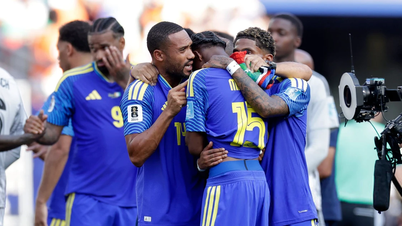
For many years, clubs have been the ones to suffer the most when releasing their best players to the national team. They pay salaries, bear the risk of injury, and face the possibility of losing players during crucial stages of the season. Faced with increasing pressure from clubs, FIFA has decided to expand the reimbursement program for clubs that contribute players to the World Cup.
Under the new mechanism, FIFA will allocate a total of $355 million for the 2026 and 2030 World Cups, a significant increase from the $209 million allocated to the two most recent tournaments in 2018 and 2022. This marks the first time in history that clubs will receive funding not only from the final tournament but also from the World Cup qualifying campaigns.
FIFA pays for the qualifying rounds for the first time.
One of the most notable aspects of the new program is FIFA's recognition of clubs' contributions from the qualifying rounds onwards. Previously, reimbursement was primarily based on the number of players participating in the finals. However, the World Cup is a multi-year journey, and teams often release players during numerous international breaks leading up to the tournament.
Under the new mechanism, FIFA allocates a maximum of $100 million for qualifying rounds. This amount is calculated based on the number of times a player is called up and participates in international matches. The expected support is approximately $2,362 per player per match.
This is considered a landmark change because many small or medium-sized clubs rarely have players participating in the World Cup finals, but they still regularly contribute personnel to the national team in qualifying campaigns.
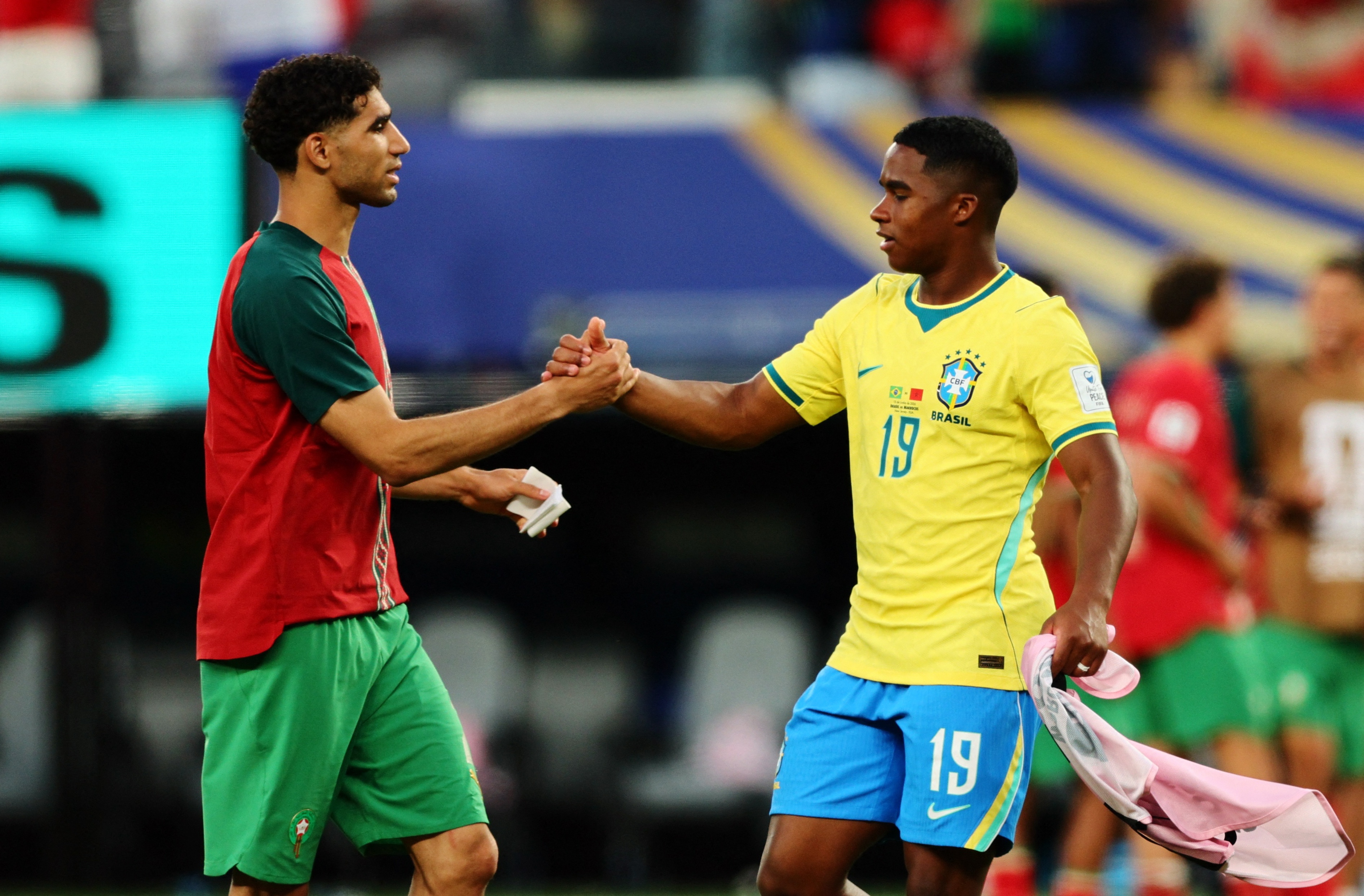 |
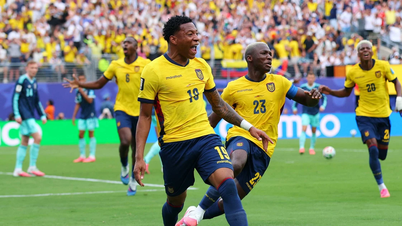
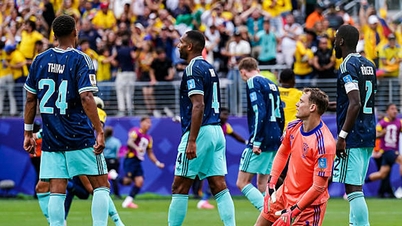
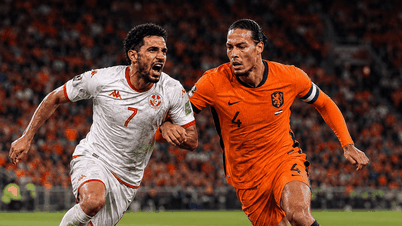
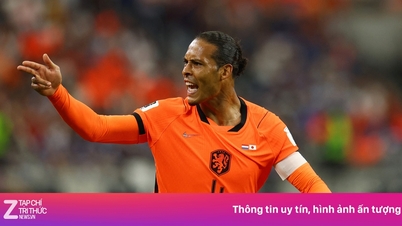
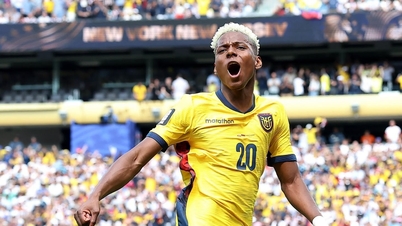
For the first time, FIFA is funding the entire World Cup qualifying campaign. Every time a player is called up to the national team, it generates revenue for their club. You may also like  VTVgo and VTV3 will broadcast the live score of the Tunisia vs Netherlands match on June 26, 2026.Live stream link for today's football match between Tunisia and the Netherlands at 6:00 AM on June 26, 2026. The Orange team is aiming for victory in Group F of the 2026 World Cup.  Ecuador pulled off a stunning victory over Germany, securing their place in the next round in a spectacular fashion.(Dan Tri Newspaper) - Ecuador spectacularly secured their place in the next round of the 2026 World Cup after a 2-1 victory over Germany on the morning of June 26th.  The Netherlands aim for the top spot in Group F, while Tunisia are determined to defend their honor.The match between Tunisia and the Netherlands, taking place at 6:00 AM on June 26th (Vietnam time) in the final round of Group F of the 2026 World Cup, holds completely different meanings for the two teams. While the Netherlands need a win to increase their chances of finishing top of the group, Tunisia enters the final match aiming to salvage their pride after two consecutive defeats. |
Furthermore, expanding the World Cup to 48 teams has allowed many footballing nations to make their first appearance at the world's biggest tournament. This also means that the number of clubs benefiting from FIFA's reimbursement program has increased significantly.
According to experts, this is FIFA's way of calming the long-standing controversies surrounding the increasingly congested international match schedule and the burden placed on clubs.
The game is no longer just about football.
The largest compensation package remains for the 2026 World Cup finals, with a maximum budget of $250 million . Unlike the qualifying rounds, this amount doesn't just depend on the number of players called up. The length of time their team remains in the tournament also directly affects the reimbursement level.
FIFA plans to pay a minimum of $5,000 per day to each player released from their national team. This amount is calculated from the time the player leaves their club to join the team until the day after their final match in the tournament. This makes a huge difference between teams eliminated in the group stage and those that advance to the semi-finals or final.
However, money isn't the only issue. For many clubs, the World Cup is also an opportunity to increase a player's transfer value. A successful tournament can significantly boost a star's market price, bringing substantial revenue to their club.
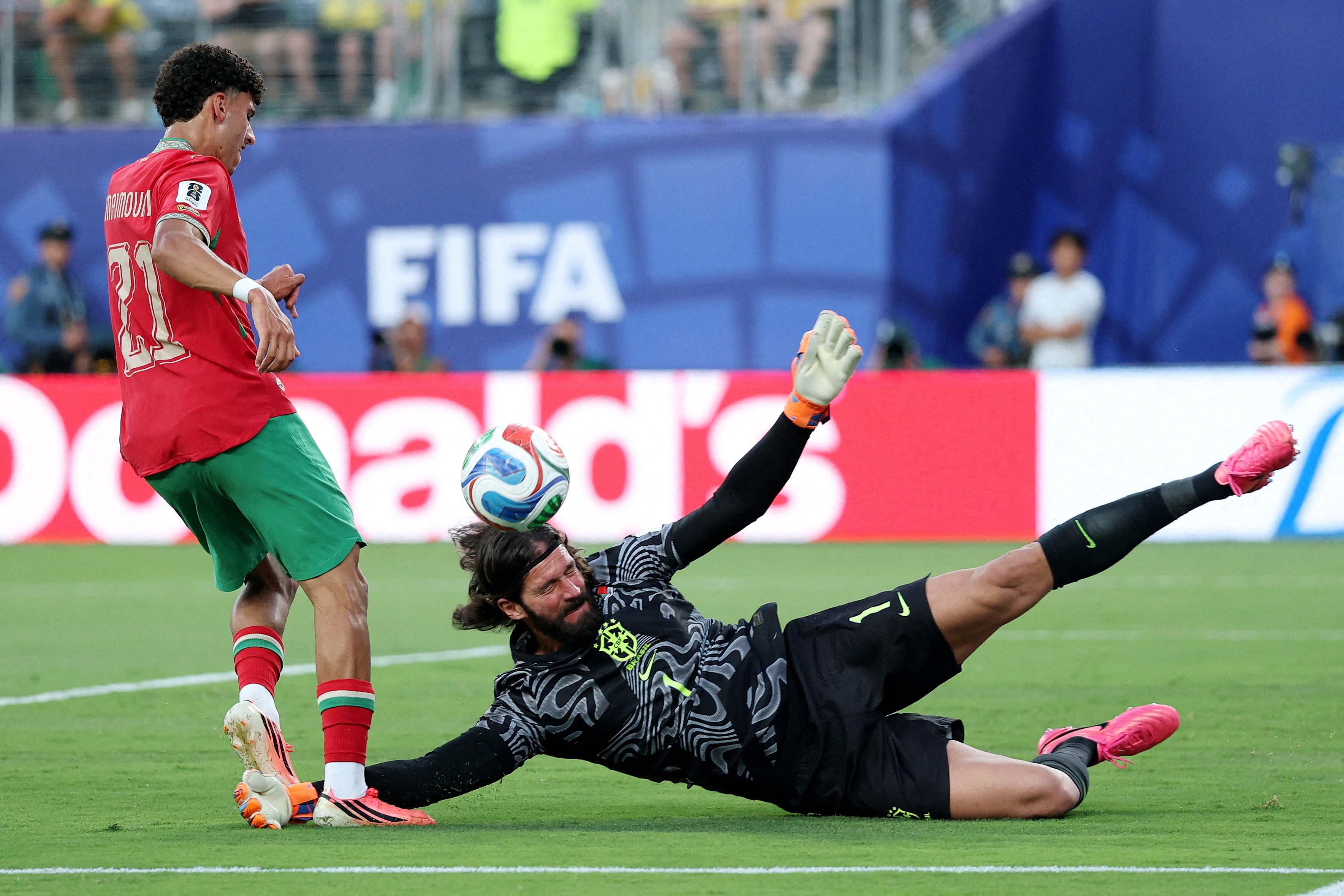 |
Behind the goals and titles lies a battle of interests between FIFA and the clubs, where injuries, transfers, and millions of dollars become part of the modern World Cup. |
Conversely, injuries remain a constant concern. FIFA currently has its own insurance scheme for players who suffer injuries while serving their national teams. However, compensation only helps mitigate financial losses and cannot replace the professional value that players bring.

For big clubs like Real Madrid, Barcelona, or Atletico Madrid, the reimbursement might not make a huge difference because their wage bills are very high. However, for smaller clubs, this is a significant source of revenue that helps balance their budgets and reduce financial pressure.
The 2026 World Cup is therefore more than just a race on the pitch. Behind the goals, the high-stakes matches, and the title competition lies a massive economic game, where hundreds of millions of dollars are allocated to maintain a balance between FIFA and the clubs.
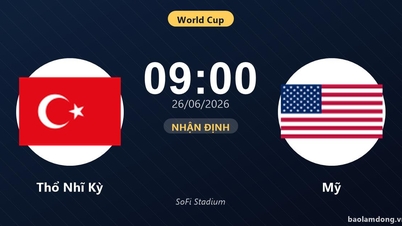
When the ball started rolling in the US, Canada, and Mexico, a significant part of the battle had already been underway in the executive offices. Because in modern football, the World Cup is no longer simply a story of champions, but also a calculation of interests between the most powerful organizations in the sport .
Source: https://znews.vn/cuoc-chien-355-trieu-usd-phia-sau-world-cup-post1659650.html


![[Image] Ho Chi Minh City: Ma Lang area, Chicken-Rice Market about to change its appearance](https://vphoto.vietnam.vn/thumb/1200x675/vietnam/resource/IMAGE/2026/06/25/1782377698627_ndo_br_m1-jpg.webp)
![[Photo] General Secretary and President To Lam receives Palestinian Ambassador Saadi Salama](https://vphoto.vietnam.vn/thumb/1200x675/vietnam/resource/IMAGE/2026/06/25/1782365384740_a1-bnd-9423-8322-jpg.webp)

![[Image] Schools organize meetings and introduce teaching models to students admitted to grade 10.](https://vphoto.vietnam.vn/thumb/1200x675/vietnam/resource/IMAGE/2026/06/25/1782368077271_ndo_br_z7970052192242-1ec8daeb77a6eed1a4e9f58c564ddd3e-jpg.webp)