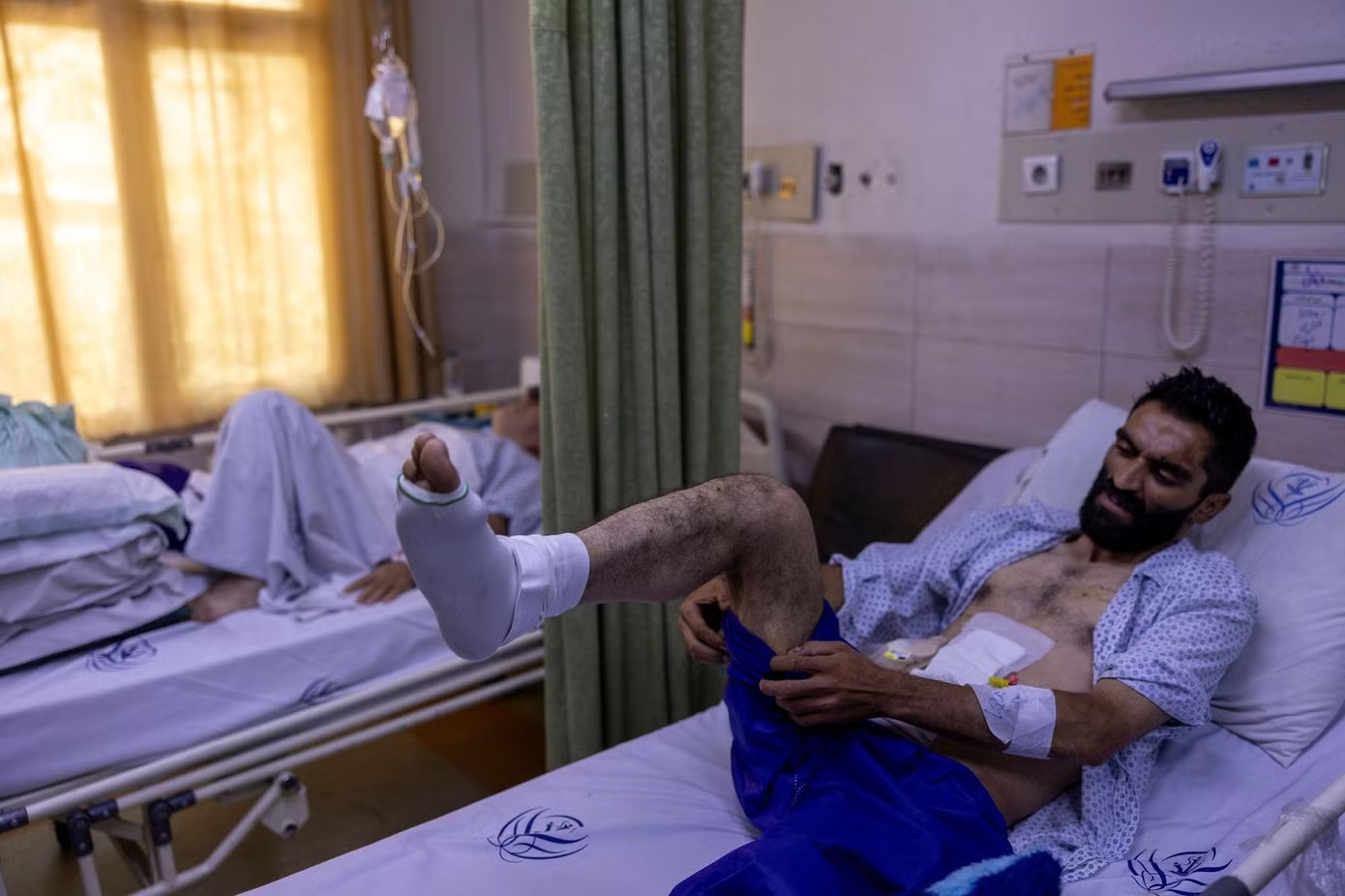
3,636 lives lost: Casualties in Iran
The US-based human rights organization Human Rights Activists News Agency reported in April that 3,636 Iranians had been killed since the war began.
Aggregate figures from government statements, the health ministry , and human rights organizations indicate that at least 2,100 of those killed were civilians, the majority of whom perished in US-Israeli airstrikes.
Another important indicator is the economy . The Iranian economy has been weak for a long time, and its currency is currently the weakest in the world, according to Forbes.
In April, the Iranian government told Russian news agencies that the war had caused direct and indirect damage totaling $270 billion.
Iranian officials argue that any peace agreement must include the release of some or all of the tens of billions of dollars in Iranian assets frozen abroad, which are immobilized due to sanctions, banking restrictions, and legal disputes. The most recent framework agreement states that Iran's "frozen or restricted funds and assets" would be "allowed to be fully utilized," although the timing and scope remain unclear.
$2.2 trillion: The cost of closing the Strait of Hormuz
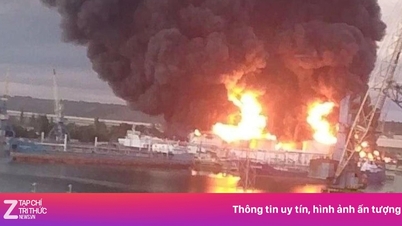
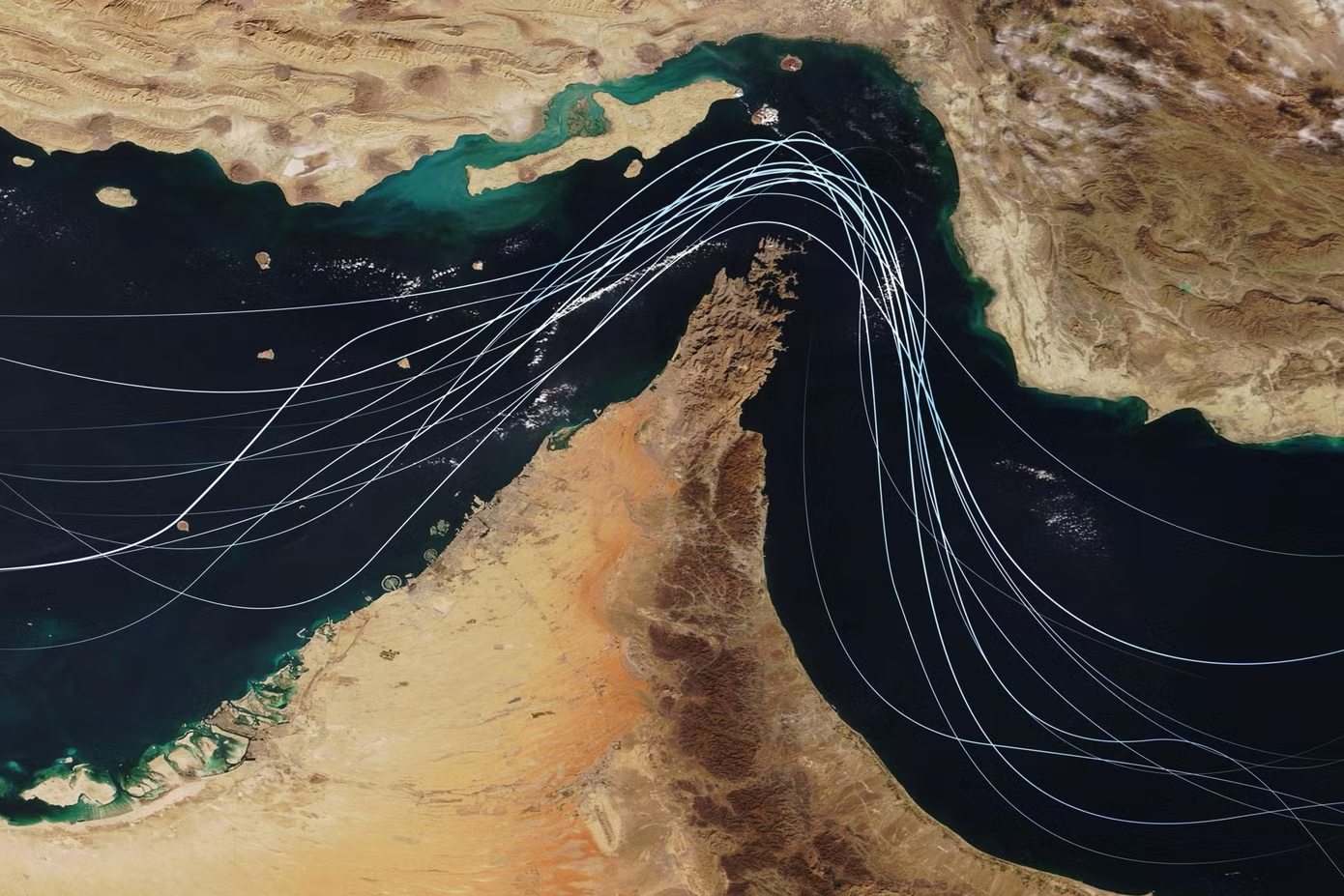
The closure of the Strait of Hormuz, through which 20% of the world's oil passes, has had economic consequences on a global scale.
The Institute for Economics and Peace estimated in June that the US-Iran war is reducing global GDP by approximately $2.2 trillion annually – a figure that could increase sharply if peace talks fail or fighting resumes.
Oil prices surpassed $100 per barrel in early 2026. Before the conflict, prices typically fluctuated around $67-$71 per barrel.
Eight countries—Iran, Iraq, Kuwait, Saudi Arabia, the UAE, Qatar, Bahrain, and Oman—depend on the Strait of Hormuz for the export of most of their oil and gas, but its closure would also cause energy shortages and force countries further afield, such as Australia, Bangladesh, and South Korea, to adopt austerity measures.
The CEO of the International Energy Agency, Fatih Birol, called the crisis "the biggest energy security challenge in history."
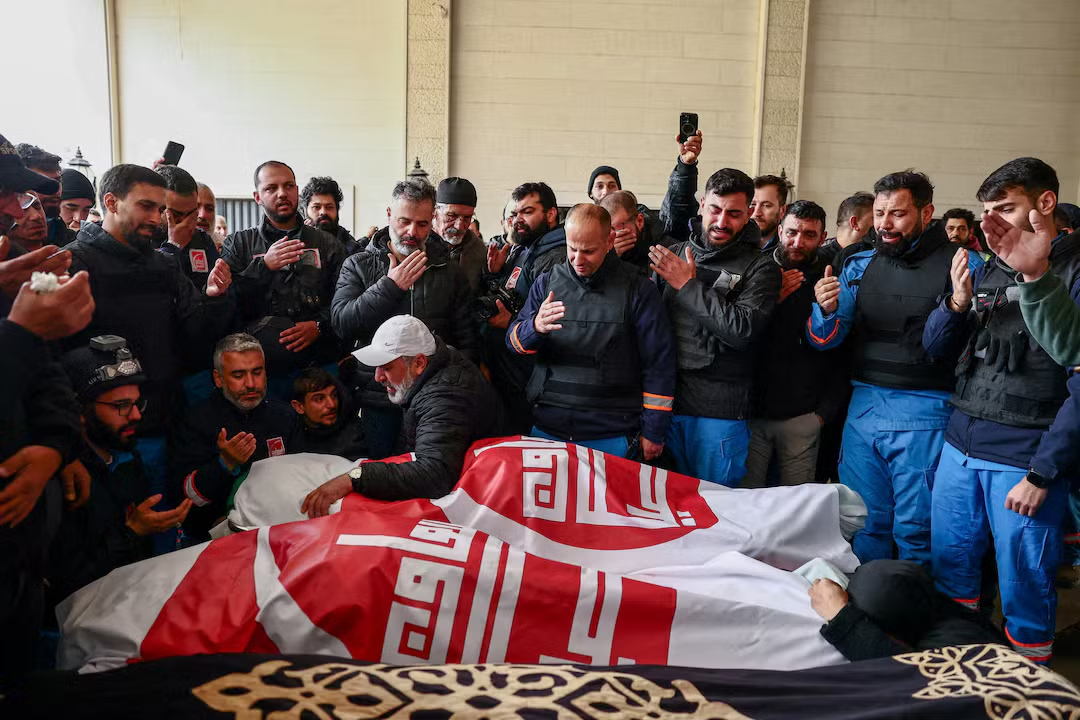
One million people: Lebanese displaced due to Israel-Hezbollah conflict.
The United Nations Office for Humanitarian Coordination (UNHCC) says more than 1 million Lebanese have been displaced since the US-Iran war began. The agency also estimates that nearly a quarter of Lebanon's population will face a "crisis and emergency regarding food security."
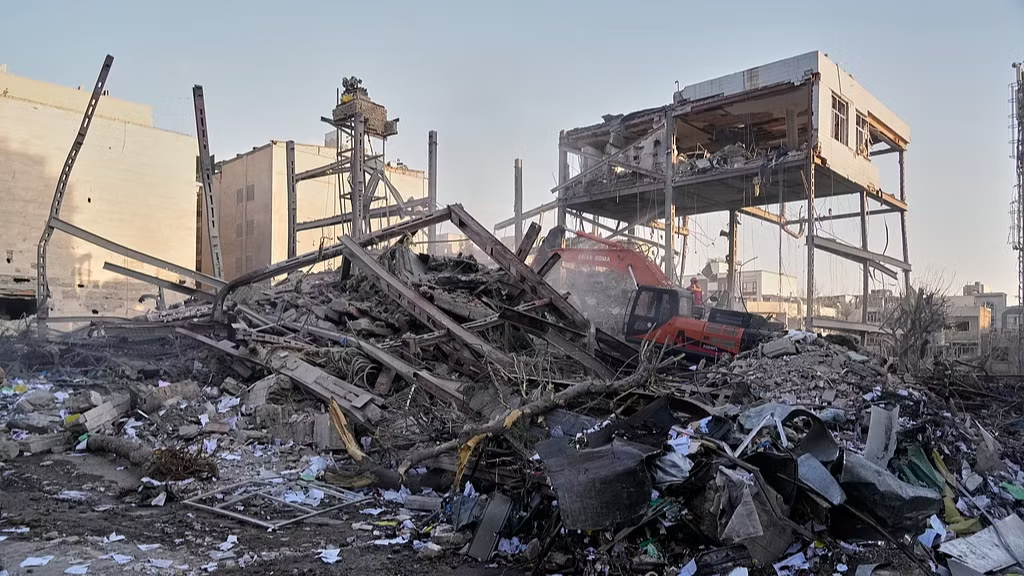
Much of this displacement stems from Israel's ongoing military activities in Lebanon, despite numerous ceasefire announcements.
Israeli Prime Minister Benjamin Netanyahu said the attacks were aimed at establishing “security zones” around Israel. “We have established deep security zones around the State of Israel. We have done that in Gaza, Lebanon, and Syria,” he said at a press conference on June 15.


According to maps released by Israel after the ceasefire, the buffer zone, approximately 600 km², includes 57 towns and villages. Airstrikes continued outside this area until the end of May, and evacuation orders still covered about one-fifth of Lebanese territory.
At least 4,000 people (both civilians and fighters) have been killed in Lebanon, according to the country's Ministry of Health.
One of the deadliest days was June 18th, when the Israeli air force attacked the outskirts of Nabatieh, Sidon, and Tyre, killing at least 47 people and injuring 97 others.
The Israel Defense Forces (IDF) say that more than 1,700 Hezbollah fighters have been killed in the operation.
Meanwhile, an Israeli source said that 35 IDF soldiers and at least four Israeli civilians have been killed since March 2nd.
Despite the US-Iran memorandum demanding an “immediate and permanent cessation of all military activity,” Israel maintains a military presence 10 km deep within Lebanese territory.
Israeli Defense Minister Israel Katz declared that Israel would not withdraw troops and would not be subject to “any restrictions.” He said the ceasefire agreement with Hezbollah “allows the IDF to maintain its full position in the security zone,” in order to protect residents of northern Israel.
$29 billion: Impact on the US
U.S. War Secretary Pete Hegseth didn't reveal much about the budget for the conflict, but Jay Hurst, a Pentagon auditor, testified in May that Operation Fury cost approximately $29 billion of American taxpayers' money.
Some news outlets have reported that the true cost of the war for the US could be closer to $50 billion if it includes repairing extensive damage to military bases and replacing damaged or lost unmanned aerial vehicles (UAVs/drones) and missiles.
Analysts believe the war will have a long-lasting impact on economic growth as the U.S. grapples with years of accumulated costs. Goldman Sachs stated in March that the war had “reduced U.S. growth forecasts for 2026 and raised inflation forecasts for 2026” due to rising oil prices – a direct consequence of Iran’s closure of the Strait of Hormuz.
The war also caused significant losses in ammunition for the United States. “To put it into perspective, we fired more Patriot missiles in the first four days of the Iran war than we’ve delivered to Ukraine in the last four years,” said Professor Linda Bilmes of the Harvard Kennedy School in April.
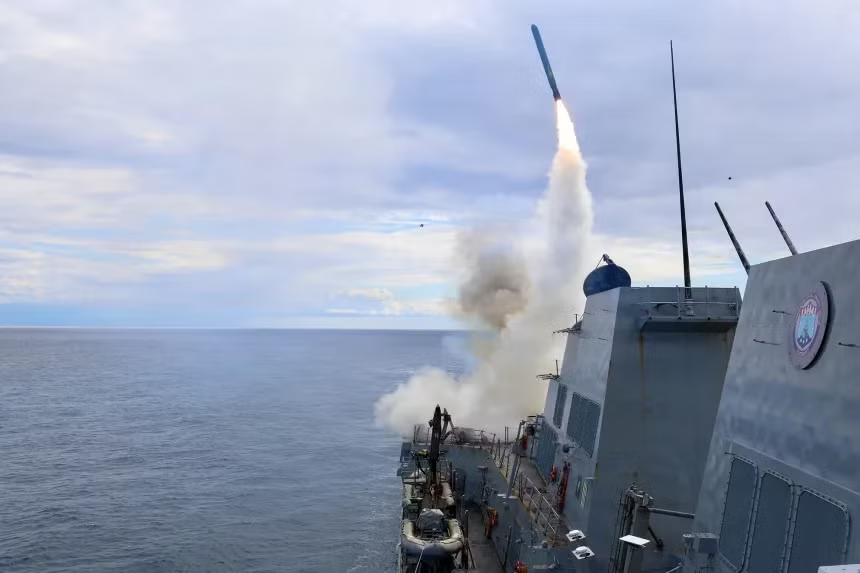
Senator Mark Kelly stated on the "Face the Nation" program that the U.S. may need "years" to replenish its stockpile, a view shared by defense experts. For example, the replacement cost for each Tomahawk missile is $3-3.5 million, while for a Patriot missile it is $4-5 million.
The conflict also resulted in casualties. Pentagon figures indicate 13 soldiers were killed and approximately 400 wounded in Operation Fury.
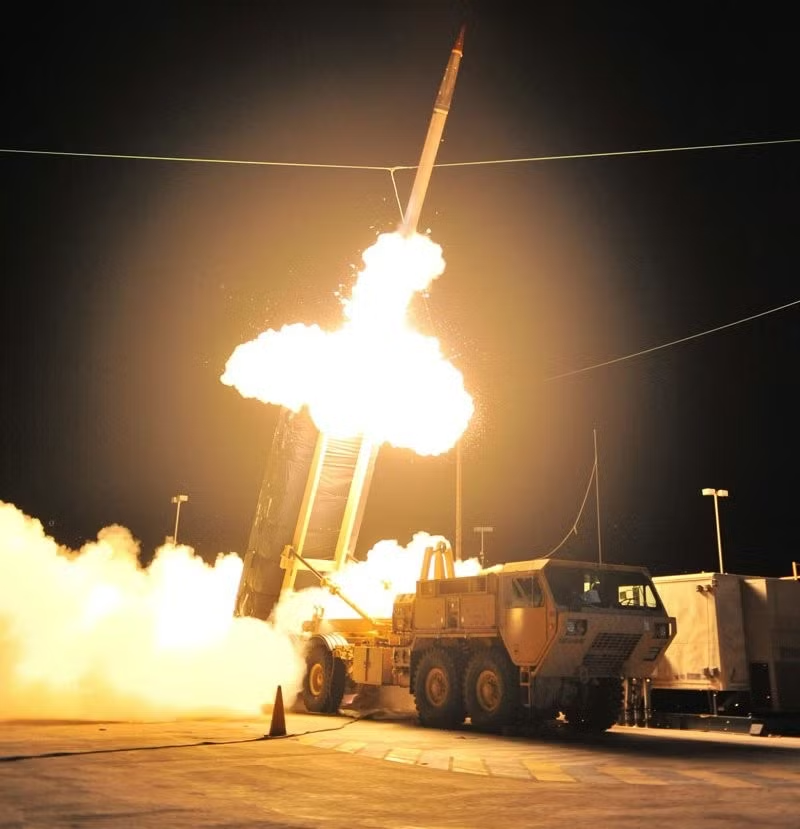
The listed cost of the war was approximately $40 billion, but the total cost was much higher.
The cost of a US-Iran conflict for the US War Department is estimated at around $40 billion, CNN reported on June 21, citing preliminary figures from an upcoming analysis by the Center for Strategic and International Studies (CSIS).



This figure includes the cost of ammunition, destroyed equipment, and damage to bases, but excludes operating costs, which are already included in the Defense Department's more than $1 trillion budget for fiscal year 2026, according to Mark Cancian, a senior adviser at CSIS, who spoke to CNN .
The Pentagon has submitted a request for an additional $80 billion in funding, according to two U.S. government sources who spoke to CNN . Of that amount, less than $20 billion is directly related to the immediate needs of the Iran conflict, and this figure does not include costs such as repairing infrastructure and maintaining military bases in the region.
Approximately $26 billion was spent on ammunition. Ammunition was the largest expenditure, according to Cancian, who stated that the U.S. used a large number of long-range, sophisticated, and expensive weapons. For example, a Tomahawk missile costs about $2.5 million, and the U.S. used about 1,000 of them in the campaign, according to Cancian.
The conflict is putting pressure on U.S. arms stockpiles. Experts and officials told CNN that the U.S. military has used a significant portion of its critical missile arsenal. President Donald Trump invoked the Defense Production Act in early June to force defense companies to increase weapons production.
The cost of war gradually decreases over time as attacks become less frequent and the use of expensive weapons diminishes, according to CSIS. The research team estimates that the first 100 hours of the war cost approximately $3.7 billion. By day 12, the total cost had risen to around $16.5 billion.
In addition to the Department of War, other agencies also bore the costs. Although the Department of War covered the majority of the expenses, the conflict also cost other agencies such as the Department of Homeland Security and the Department of Veterans Affairs approximately $1 billion, according to preliminary figures from CSIS.
Of that amount, approximately $165 million is believed to be related to "rising fuel prices," according to Cancian.
Source: https://tienphong.vn/cuoc-chien-my-iran-qua-cac-con-so-dau-long-post1853339.tpo