

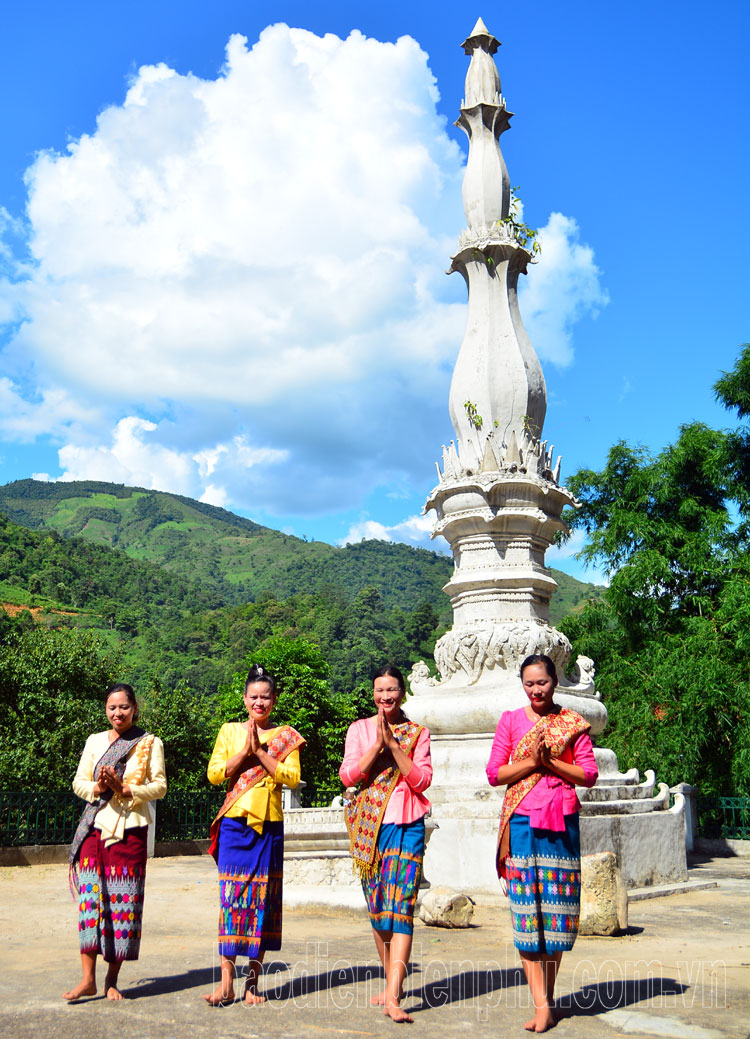
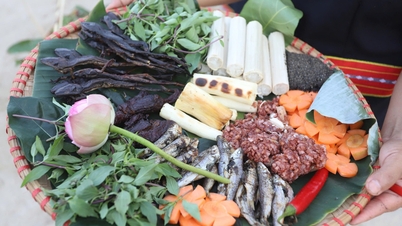
The richness of the cultural heritage of the ethnic groups has created an extremely diverse and unique cultural space in Dien Bien. This is also the potential for the province to exploit and develop cultural, ecological, and community-based tourism, which the province has identified as its key economic sector . Tourism development is based on three main pillars: historical and spiritual cultural tourism; ecological tourism, exploring natural landscapes; and resort, entertainment, and health care tourism, all based on exploiting and promoting the value of the cultural heritage of the ethnic groups.
This year, Dien Bien province has been chosen as the host locality for the National Tourism Year. This is an opportunity for the province to exploit its cultural heritage potential to develop various types and products of tourism; to promote and attract tourists to learn, experience, and explore. Along with the series of activities commemorating the 70th anniversary of the Dien Bien Phu Victory, this has created an important impetus for tourism development. More tourists are coming to Dien Bien to visit, experience, and learn about the culture of the ethnic groups, resulting in an increase in the number of days of stay and creating a ripple effect of Dien Bien's image throughout the country. Statistics for the first six months of 2024 show that Dien Bien welcomed nearly 1.37 million visitors (a 2.19-fold increase compared to the same period last year, exceeding the annual plan by 5.38%), including over 6,800 international visitors. Revenue from tourism activities is estimated at 2,500 billion VND, a 2.26-fold increase compared to the same period last year, exceeding the annual plan by 12.5%.
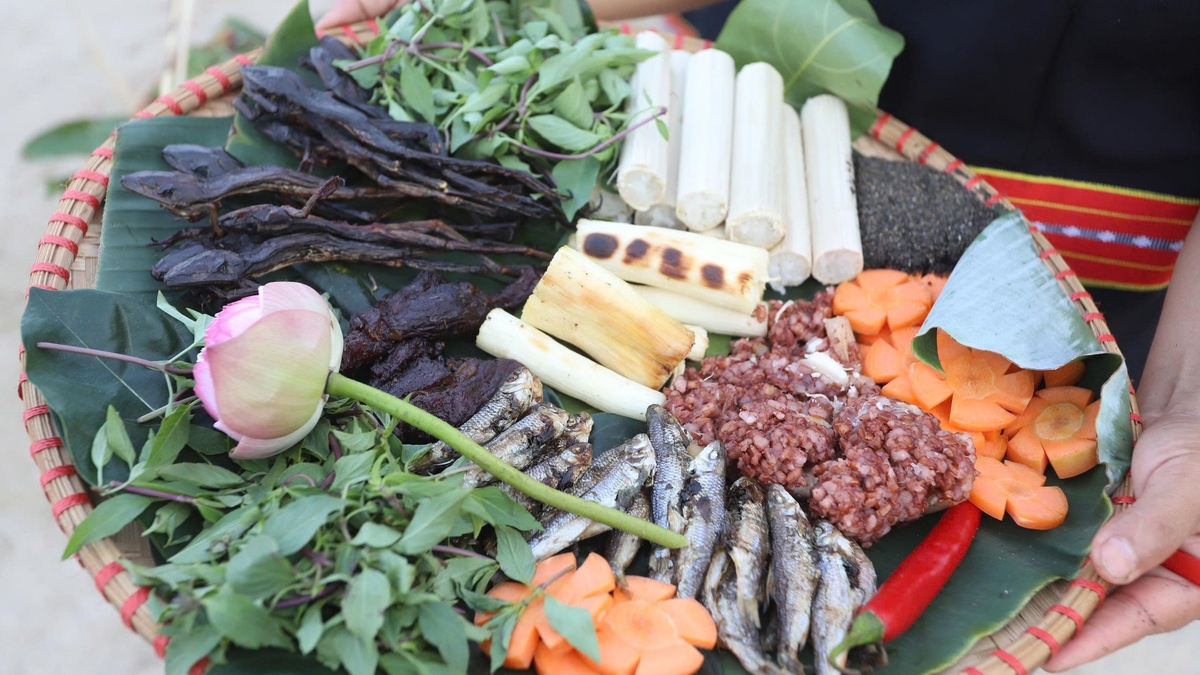
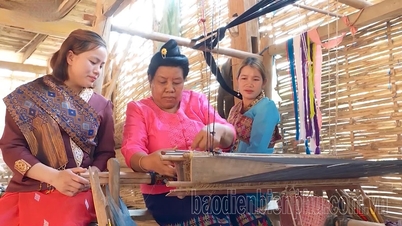
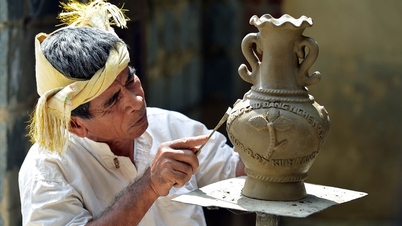
The figures above show that Dien Bien has been gradually exploiting and promoting the value of its cultural heritage in conjunction with tourism development; building tourism products and services related to the culture and cuisine of ethnic groups. However, in reality, the exploitation and promotion of cultural heritage values in conjunction with tourism has not been effectively implemented, lacking high-quality and impressive services and products. The preservation, restoration, and development of cultural, experiential, and culinary tourism products and services are not diverse enough and lack linkages. Many traditional cultural heritage values of ethnic groups are fading away, and there are no effective solutions for their preservation and promotion. Meanwhile, the number of outstanding artisans – those who understand, possess, and transmit the traditional cultural values of ethnic groups – is increasing, and few young people are interested in learning about, inheriting, and promoting the traditional culture of their ethnic groups. The impact of market mechanisms and modern technology is creating pressure and challenges for the preservation and promotion of cultural heritage values. For example, the blacksmithing craft of the Hmong people and the shoe embroidery craft of the Xa Phang people are now almost entirely self-sufficient within each family, not becoming commercial products. When someone needs them, they just go to the market, or even order them online, and the goods are delivered right to their door.
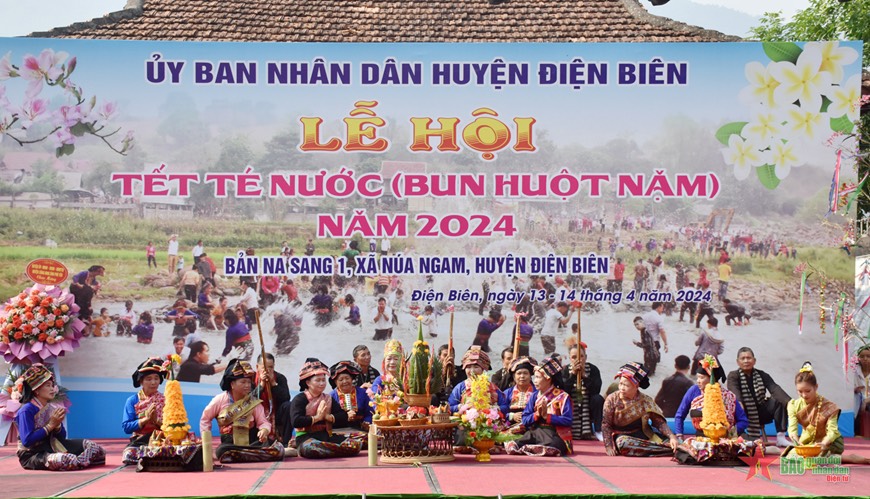
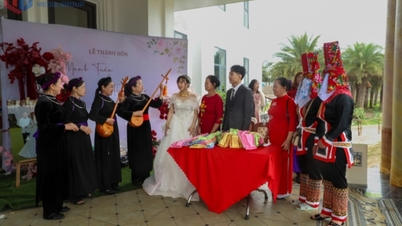
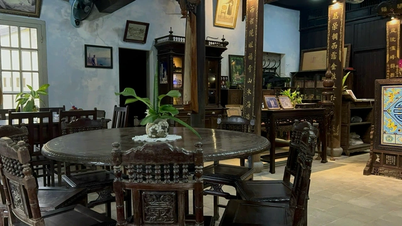
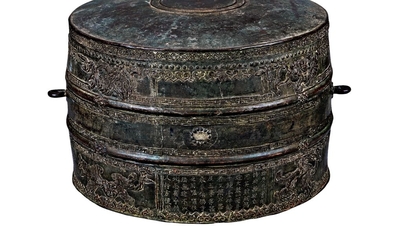
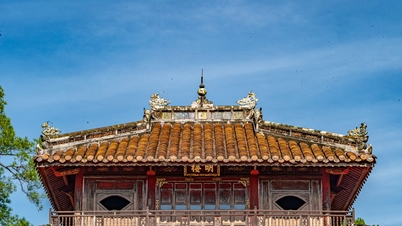
Each traditional house, each custom and practice of each ethnic group has contributed to Dien Bien's rich cultural identity. The system of cultural heritage of ethnic groups in Dien Bien has created a unique cultural space for the locality. Cultural heritage is an invaluable resource, an important resource for tourism development if its value is properly exploited and promoted. The Resolution of the 13th National Congress of the Party emphasized "linking cultural development with tourism development, making tourism a key economic sector, while protecting and preserving cultural resources for future generations." Therefore, to exploit the potential of cultural heritage in conjunction with tourism development, Dien Bien needs to assess, identify the causes, and have specific and appropriate solutions to preserve and develop cultural and community-based tourism products and services.
Strengthening communication is a solution to raise awareness and a sense of responsibility among the political system and each citizen in preserving and promoting cultural heritage and traditional cultural practices. The forms and content of communication should be flexible, diverse, easy to understand, and appropriate to the specific characteristics and cultural features of each ethnic group. Integrating cultural heritage education into schools will create motivation to encourage the younger generation to learn about and continue the traditions and cultural identity of their ethnic groups. Emphasis should be placed on promoting the unique cultural beauty of the ethnic groups in Dien Bien to friends and tourists both domestically and internationally.
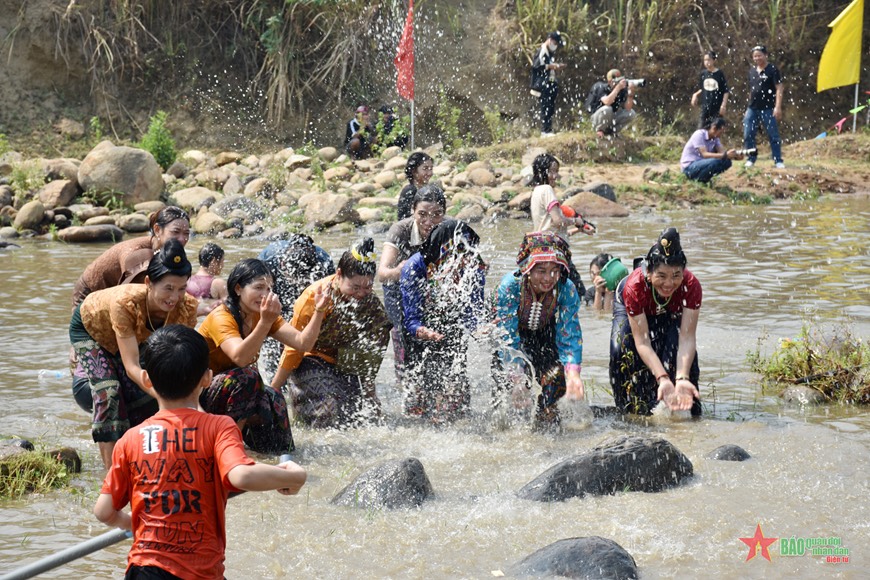
Improving the cultural, material, and spiritual lives of ethnic minorities in the province through livelihood support. Developing cultural tourism, resort tourism, community tourism, experiential tourism, and culinary tourism models based on the cultural resources of ethnic groups. Implementing cultural village models for each ethnic group, such as the Hmong, Thai, and Ha Nhi, creating opportunities for tourists to experience and learn about the unique cultural characteristics of each ethnic group.
One important solution that needs attention is improving the quality of human resources working in the fields of culture and tourism to advise and propose plans and strategies for promoting the value of cultural heritage in conjunction with tourism development.
By clearly identifying the causes and implementing appropriate solutions, Dien Bien's cultural heritage system will be awakened, exploited, and its value promoted in conjunction with tourism development. During the tourism development process, attention must be paid to preserving cultural heritage to ensure sustainable tourism development and safeguard cultural heritage for future generations.
Source: https://baodienbienphu.com.vn/tin-uc/van-hoa/217631/danh-thuc-di-san-van-hoa


![[Photo] General Secretary and President To Lam presides over a meeting on assessing national development resources.](https://vphoto.vietnam.vn/thumb/1200x675/vietnam/resource/IMAGE/2026/05/20/1779253785852_a1-bnd-2943-8519-jpg.webp)


















































Comment (0)