Pregnancy is a period when a woman's body needs more nutrients to meet the developmental needs of the fetus. Without adequate supplementation, pregnant women may experience micronutrient deficiencies, affecting both their own health and the baby's development.
It's worth noting that many signs of nutrient deficiencies are quite similar to common pregnancy symptoms, leading many women to overlook them or discover them late.
Persistent fatigue and pale skin can be signs of iron deficiency.
According to the Cleveland Clinic, iron is an essential mineral for the production of hemoglobin—the component that carries oxygen in the blood. During pregnancy, the mother's blood volume increases significantly, leading to a corresponding increase in iron requirements.
When the body doesn't get enough iron, pregnant women may experience symptoms such as persistent fatigue, dizziness, shortness of breath, rapid heartbeat, or pale skin. In some cases, pica may also occur, which is a craving for non-food items like ice, clay, or paper.
Chronic iron deficiency can increase the risk of premature birth, low birth weight babies, and affect the health of both mother and fetus.
 |
Pregnant women with iron deficiency may experience symptoms such as persistent fatigue, dizziness, shortness of breath, rapid heartbeat, or pale skin. Photo: Shutterstock. You may also like  Multimodal treatment: The key to unlocking a chance of survival for liver cancer patients.(Dan Tri Newspaper) - Hoan My Saigon Hospital has developed a multi-modal liver cancer treatment model, implementing many modern techniques in diagnosis and treatment.  Director of the Central Institute of Hygiene and Epidemiology: The epidemiology of pneumococcal disease is becoming increasingly complex.Environmental pollution, urbanization, and the uncontrolled use of antibiotics are making the epidemiological picture of pneumococcal infections increasingly complex, with the emergence of many new, highly virulent serotypes resistant to multiple antibiotics.  From July 1, 2026:From July 1st, 2026, many new regulations of the Health Insurance Law will officially come into effect, most notably the expansion of benefits for health insurance participants when seeking outpatient medical treatment on their own. This new policy is expected to facilitate easier access to healthcare services for the public and reduce the financial burden of medical examinations and treatments. |
Forgetfulness and difficulty concentrating may be related to folic acid deficiency.
Folic acid (vitamin B9) is a particularly important nutrient during the early months of pregnancy, playing a crucial role in supporting the development of the fetus's brain and nervous system. According to the UK National Health Service (NHS), pregnant women deficient in folic acid often experience fatigue, reduced concentration, irritability, or mood swings. Some may also suffer from mouth ulcers, glossitis, or persistent tongue soreness.
A deficiency of folic acid in early pregnancy can increase the risk of neural tube defects in the fetus, including spina bifida and several other birth defects.
Muscle pain and weakness can be caused by a vitamin D deficiency.
Vitamin D helps the body absorb calcium more effectively, thereby supporting the development of the fetus's skeletal system and maintaining bone and joint health for the mother. Without sufficient vitamin D, pregnant women may experience muscle aches, weakness, bone pain, or persistent back pain. Some studies have also noted that vitamin D deficiency may be linked to hair loss and an increased risk of infections.
Symptoms such as persistent fatigue, frequent dizziness, shortness of breath, rapid heartbeat, or pale skin should not be taken lightly. If these symptoms persist or worsen, pregnant women should seek medical attention. The doctor may order blood tests to assess for iron deficiency, vitamin deficiencies, or other nutritional disorders so that appropriate adjustments can be made.
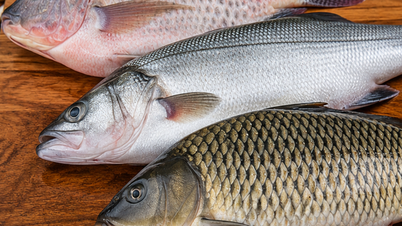
To minimize the risk of micronutrient deficiencies, pregnant women should maintain a balanced diet with all food groups. Their daily diet should include plenty of green vegetables, fruits, whole grains, legumes, meat, fish, eggs, and dairy products. Additionally, pregnant women should supplement with vitamins and minerals as directed by their doctor, especially iron, folic acid, and vitamin D.



Early recognition of nutrient deficiencies not only helps expectant mothers have a healthier pregnancy but also lays a good foundation for the baby's holistic development right from within the womb.
Source: https://znews.vn/dau-hieu-me-bau-thieu-chat-post1663296.html