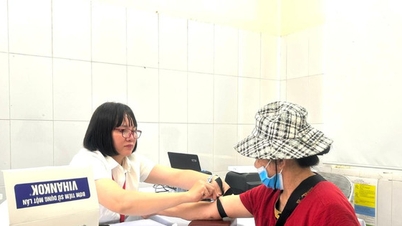
Expanding benefits for outpatient visits outside of designated healthcare facilities.
According to current regulations prior to July 1, 2026, individuals participating in health insurance who seek outpatient treatment at a facility other than their initially registered healthcare provider (commonly known as "out-of-network treatment") will only have 100% of their benefits reimbursed by the health insurance fund for certain diseases and disease groups listed by the Ministry of Health . For other diseases and disease groups, patients must pay the full cost of outpatient treatment themselves.
However, according to Vietnam Social Security, from July 1, 2026, this regulation will be adjusted to expand benefits.
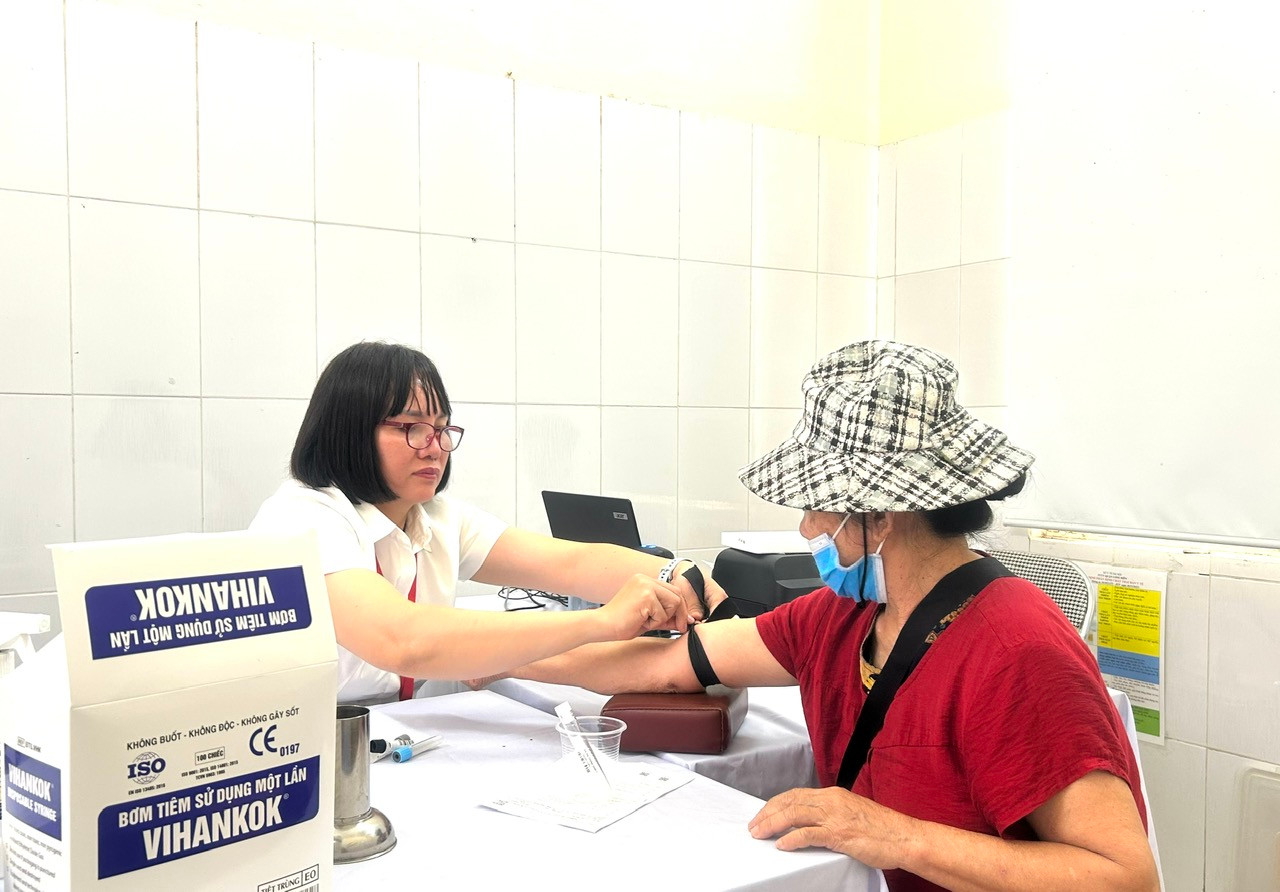
Specifically, for diseases and groups of diseases listed in Circular No. 01/2025/TT-BYT, health insurance participants will still receive 100% reimbursement from the health insurance fund within the scope of their benefits.
Notably, for diseases and disease groups not included in the above list, patients will have 50% of their coverage reimbursed by the health insurance fund. This is a new and important point because previously, these cases were not covered at all by the health insurance fund when patients sought outpatient treatment outside their designated network.
According to Vietnam Social Security, the new policy contributes to expanding the scope of health insurance coverage, helping people receive additional support for medical expenses in cases where they need medical examination and treatment outside their initial registration location.
Understanding the 50% payment amount correctly.
One of the most confusing aspects is the regulation that the health insurance fund pays "50% of the benefit amount".
According to Ms. Nguyen Lan Huong, Deputy Head of the Health Insurance Policy Implementation Board (Vietnam Social Security), many people understand that the health insurance fund will cover half of the total medical examination and treatment costs stated on the invoice. However, this understanding is inaccurate.
In reality, the 50% rate is calculated based on the health insurance benefit level of each individual and only applies to expenses within the scope covered by the health insurance fund as stipulated.
Currently, those participating in health insurance enjoy three main benefit levels: 80%, 95%, and 100% of medical examination and treatment costs within their coverage area. Under the new policy, patients receiving outpatient treatment outside their designated network will be reimbursed at 50% of these benefit levels.
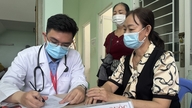


For example, if a person has an 80% health insurance coverage level and is eligible for 50% reimbursement, the health insurance fund will pay the equivalent of 40% of the costs within the coverage limit.
Those with a 95% coverage level will receive payment equivalent to 47.5% of their expenses within their coverage limit. Those in the 100% coverage group will receive payment equivalent to 50%.
When the new regulations come into effect on July 1, 2026, the payment rates will be calculated as follows: Individuals with an 80% health insurance coverage will have 40% of their expenses covered by the health insurance fund; those with a 95% coverage will have 47.5% of their expenses covered; and those with a 100% coverage will have 50% of their expenses covered.
For example, if the total cost of medical examination and treatment covered by health insurance is 2 million VND and the patient belongs to the 80% coverage group, when eligible for the new regulations, the health insurance fund will pay 800,000 VND (equivalent to 40% of 2 million VND), instead of not paying at all as before.
For expenses outside the scope of health insurance coverage, on-demand services, medications, or medical supplies not included in the reimbursement list, patients must still pay for them themselves according to regulations.
The new policy is considered practical by many health insurance participants, especially for those who frequently need specialist consultations or treatment for chronic diseases at medical facilities other than their initial registration location.
Mr. Tran Van Minh (Hoan Kiem Ward, Hanoi ) shared: "Sometimes, due to work or travel conditions, I cannot go to the place where I initially registered for medical examination and treatment. If the health insurance fund could partially cover the cost of outpatient examinations at other facilities, people would feel more secure, reduce financial pressure, and proactively choose a place for examination that suits their health condition."
Not all cases are eligible.
However, the Vietnam Social Security notes that the new regulation does not mean that from July 1, 2026, people with health insurance cards can go for outpatient examinations at any hospital and have 50% of their benefit covered by the health insurance fund.
Determining benefits depends on several factors, including: the technical expertise level of the medical facility (initial, basic, or advanced level); the disease or group of diseases diagnosed; the level of health insurance coverage for the insured; and the scope of expenses covered by the health insurance fund as stipulated.
Therefore, the new payment rates do not apply to all outpatient visits outside of the designated network.
To fully enjoy health insurance benefits, the Social Insurance agency recommends that participants continue to prioritize medical examinations and treatment at their initially registered facility or comply with regulations regarding transferring to another medical facility when necessary.



In cases where outpatient consultations are necessary, patients should proactively research the hospital's specialization level, the disease categories covered by the policy, and the scope of health insurance coverage. If unsure, they can contact the healthcare facility or the Social Insurance agency directly for specific guidance.
A 50% reimbursement rate applies when insured individuals self-refer for outpatient examinations at certain groups of facilities, including the following:
- Firstly, basic-level medical examination and treatment facilities that, before January 1, 2025, were determined by competent authorities to be at the provincial, central, or equivalent level.
- Secondly, medical examination and treatment facilities are classified at the basic level, with a total professional capacity assessment score from 50 to under 70 points according to the regulations on professional and technical classification, excluding facilities that were determined by the competent authority to be at the district level before January 1, 2025.
- Thirdly, specialized medical examination and treatment facilities that, before January 1, 2025, were determined by competent authorities to be at the provincial level or equivalent.
Source: https://hanoimoi.vn/tu-1-7-2026-mo-rong-quyen-loi-bhyt-doi-voi-nguoi-tu-di-kham-ngoai-tru-1209355.html