|
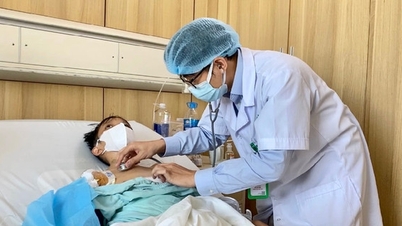
Prolonged calcium deficiency can cause children to grow more slowly than normal. Photo: Shutterstock . |
Calcium is one of the most important minerals for a child's development. Not only does it help form strong bones and teeth, but it also participates in the functioning of muscles, the nervous system, and many other vital functions.
However, many children today suffer from calcium deficiency due to inadequate diets or difficulties in absorbing this nutrient. If prolonged, calcium deficiency can affect a child's physical development and long-term health.
According to The Asian Parents, calcium deficiency in children often develops silently. When it persists or becomes severe, children may exhibit the following symptoms:
Signs of calcium deficiency in children
Weak bones, easily fractured.
Calcium is the main component of bones. When the body does not receive enough calcium, bone density can decrease, making bones weaker and increasing the risk of pain or fractures upon impact.
Stunted growth
Calcium plays a vital role in bone development. A prolonged deficiency can lead to stunted growth in children, preventing them from reaching age-appropriate physical milestones.
Dental problems
Children who are deficient in calcium often have a higher risk of cavities, weak enamel, or slower tooth eruption than normal.


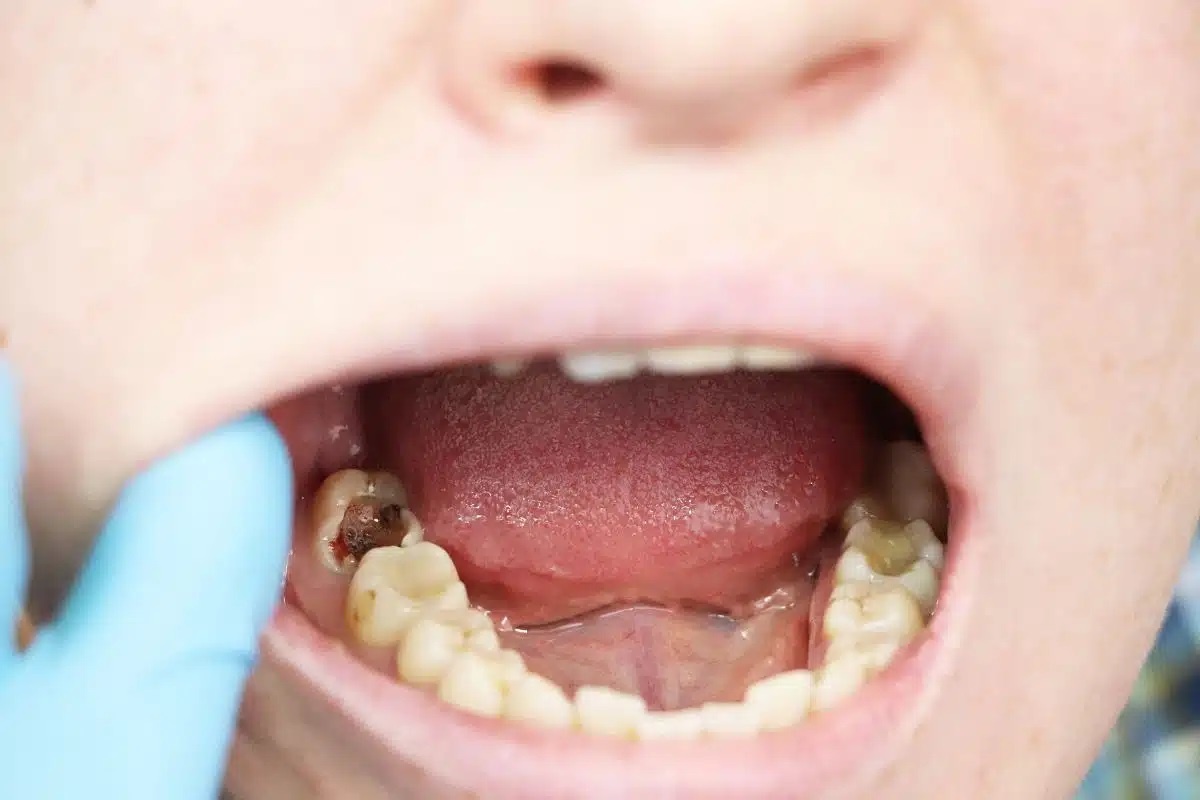 |
Children who are deficient in calcium often have a higher risk of cavities, weak enamel, or slower tooth eruption than normal. Photo: Adobe Stock. |
Brittle, easily broken nails
Healthy nails are usually smooth and strong. If a child's nails are prone to chipping, cracking, or breaking, it could be a sign that the body is lacking important nutrients, including calcium.
Muscle cramps, spasms, or weakness.
Calcium is involved in regulating muscle contraction and relaxation. When calcium levels in the body are low, children may experience cramps, muscle stiffness, or muscle weakness.
Irritability, fatigue
This mineral also affects the functioning of the nervous system. Children who are deficient in calcium may frequently experience fatigue, reduced concentration, irritability, or mood swings.
Complications to watch out for
In cases of severe and prolonged calcium deficiency, children may develop rickets – a condition that makes bones soft and easily deformed. Some severe cases of hypocalcemia can also cause seizures or spasms in the limbs.
Parents should take their children to the doctor early if symptoms such as cramps, muscle aches, slow growth, recurring tooth decay, or persistent fatigue appear frequently and do not improve despite dietary adjustments.
In particular, children should be taken to a medical facility immediately if they exhibit serious symptoms such as seizures, generalized muscle spasms, numbness around the mouth or fingertips, difficulty breathing, irregular heartbeat, or lethargy and reduced responsiveness. These symptoms may be related to severe hypocalcemia and require prompt treatment.



Experts recommend that parents prioritize calcium supplementation through a balanced diet with calcium-rich foods such as milk and dairy products, small fish eaten whole with bones, tofu, shrimp, crab, and dark green leafy vegetables. In addition, it is necessary to ensure children receive sufficient vitamin D through adequate sun exposure or foods rich in vitamin D to enhance calcium absorption.
Parents should not give children high-dose calcium supplements for extended periods without a doctor's prescription.
If a calcium deficiency is suspected in a child, the doctor may order a nutritional assessment, check physical development, and in some cases, perform blood tests to determine calcium and vitamin D levels or to find the cause of the deficiency.
Source: https://znews.vn/dau-hieu-tre-thieu-canxi-nang-post1662310.html
![[Image] Ho Chi Minh City: Ma Lang area, Chicken-Rice Market about to change its appearance](https://vphoto.vietnam.vn/thumb/1200x675/vietnam/resource/IMAGE/2026/06/25/1782377698627_ndo_br_m1-jpg.webp)

![[Photo] General Secretary and President To Lam receives Palestinian Ambassador Saadi Salama](https://vphoto.vietnam.vn/thumb/1200x675/vietnam/resource/IMAGE/2026/06/25/1782365384740_a1-bnd-9423-8322-jpg.webp)


![[Image] Schools organize meetings and introduce teaching models to students admitted to grade 10.](https://vphoto.vietnam.vn/thumb/1200x675/vietnam/resource/IMAGE/2026/06/25/1782368077271_ndo_br_z7970052192242-1ec8daeb77a6eed1a4e9f58c564ddd3e-jpg.webp)