

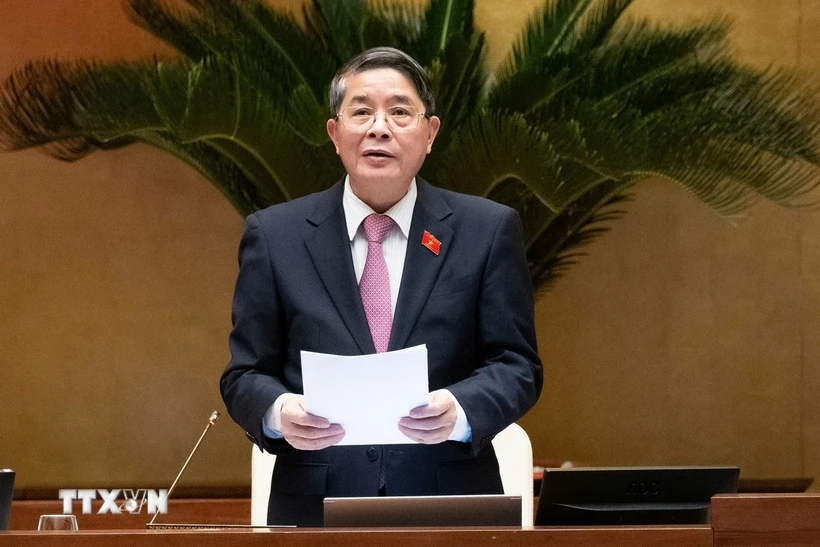
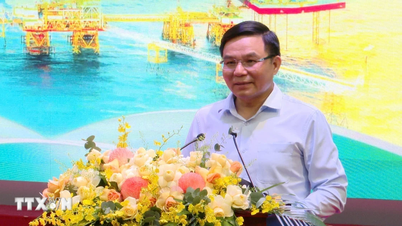
 Deputy Speaker of the National Assembly Nguyen Duc Hai delivers a speech. (Photo: Doan Tan/VNA)
On the afternoon of February 15th, continuing the program of the 9th extraordinary session, the National Assembly discussed in the plenary hall the investment policy for the construction project of the Lao Cai- Hanoi -Hai Phong railway line; and the draft resolution on piloting some specific and special mechanisms and policies to develop the urban railway network system in Hanoi and Ho Chi Minh City.
Promoting decentralization in project implementation.
These projects are expected to lay the groundwork and provide impetus for national development, enhance national competitiveness, and restructure transportation to maximize the advantages of each mode.
Speaking at the meeting, Minister of Transport Tran Hong Minh stated that, with specific policies and mechanisms for urban railway development, the Transport for Development (TOD) model is receiving significant attention in order to effectively utilize land resources, stabilize people's lives, and improve the environmental landscape.
Regarding information on some proposed procedures and policies for investment in projects, the Minister stated that, according to standard regulations, a project requires a pre-feasibility study report, a feasibility study report, bidding, construction, and project implementation, taking 3-5 years, or even 5 years in two cities.
Therefore, if the city is required to strictly adhere to procedural regulations, urban railway projects will not be able to meet deadlines and requirements, while the need for construction is essential, and the projects are eligible to determine scale, route, and feasibility.
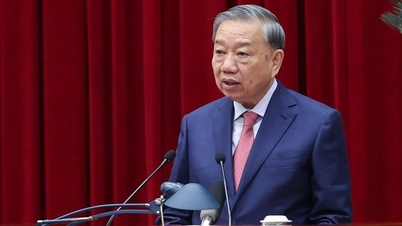
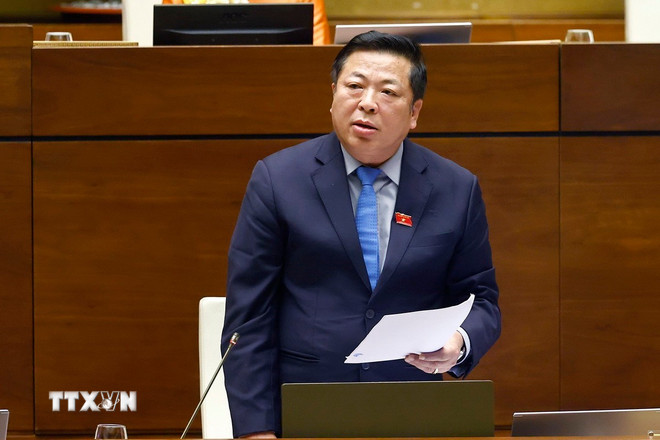 Minister of Transport Tran Hong Minh speaks to clarify some issues raised by National Assembly deputies. (Photo: Doan Tan/VNA)
Based on that, the Minister stated that they will promote decentralization and delegation of authority to shorten the timeframe, reducing it from 3-5 years, and streamline the approval process according to the principle that localities decide, implement, and take responsibility.
Commenting on the construction of railway lines and urban railways, some delegates suggested that the transfer of technology, operation, and exploitation of the project after completion need to be clarified further to avoid technological dependence.
In addition, priority should be given to ordering and assigning tasks to domestic enterprises to participate in the construction of roads, bridges, and tunnels; the production of railway tracks, and the manufacturing of railway carriages.
There will be a separate resolution on the development of the private economy.
Speaking at the end of the National Assembly's discussion session on the supplementary plan for socio-economic development in 2025 with the goal of achieving GDP growth of 8% or more on the afternoon of February 15th, Minister of Planning and Investment Nguyen Chi Dung stated that the Government has set the principle of rapid but sustainable growth, ensuring environmental protection, preventing inflation, and maintaining major balances.
Regarding the favorable conditions for achieving GDP growth above 8% this year, Minister Nguyen Chi Dung mentioned the consensus of the political system and the strengthened confidence of businesses and the people.
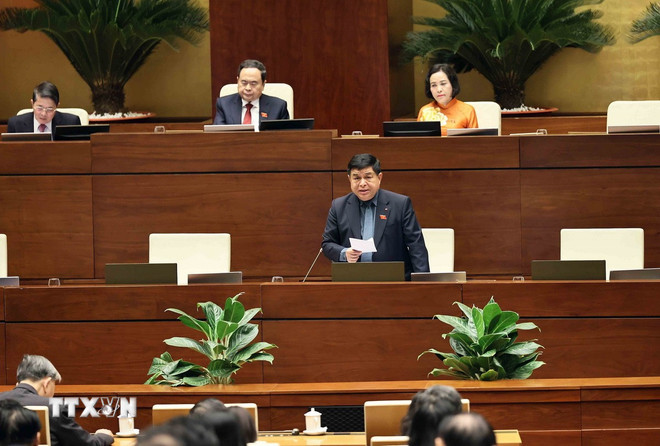 Minister of Planning and Investment Nguyen Chi Dung delivers a speech. (Photo: An Dang/VNA)
Along with that, groundbreaking new regulations promoting decentralization and delegation of power have been issued and put into practice; many long-standing bottlenecks have been fundamentally removed; and many strategic infrastructure projects have accelerated their progress. New opportunities arise from free trade agreements. Negotiations are currently underway with many new markets and FTAs. The shift in global supply chains is creating opportunities for Vietnam.
In light of the difficulties and complex global developments, particularly the impact of US policy, the Government is directing ministries and agencies to proactively develop solutions to respond to US policy on the Vietnamese economy.
In addition, stalled and delayed projects, along with the difficulty in improving the quality of human resources and labor productivity, are also challenges that need to be addressed.
Regarding solutions, the Minister stated that the Government has identified six main groups of solutions, including short-term and long-term measures. Short-term solutions that need to be implemented immediately include perfecting the legal framework to meet the new situation; completing the reorganization of the administrative apparatus quickly without affecting the production and business activities of enterprises; and developing new growth drivers (green economy, digital economy, circular economy, etc.).
The Minister stated that the Prime Minister had instructed ministries and agencies that, immediately after the National Assembly approves this plan, the Government will hold a conference with localities to review and promote solutions to ensure each locality achieves a growth target of over 8%.
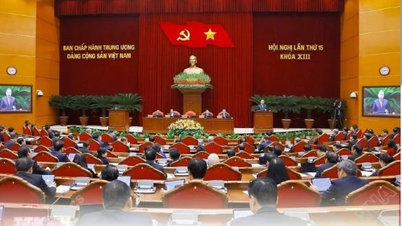
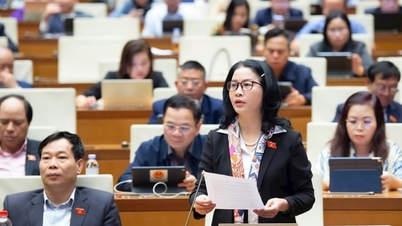
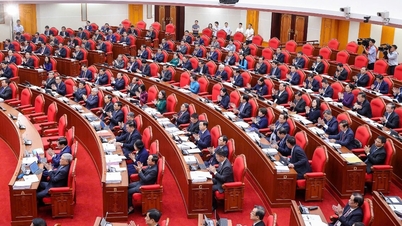
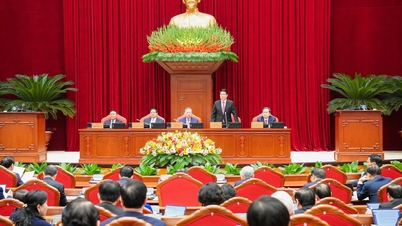
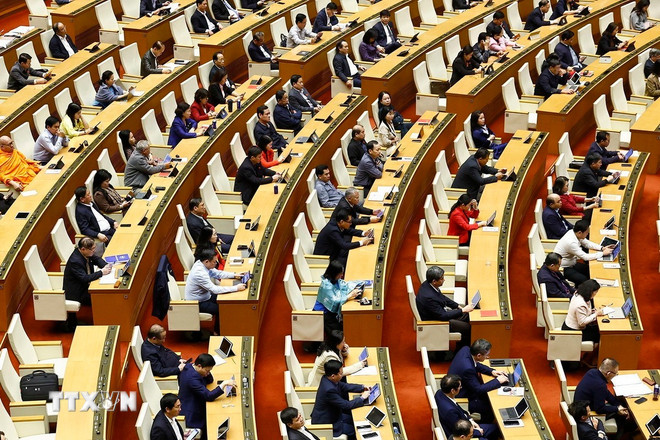 The scene at the meeting. (Photo: Doan Tan/VNA)
In addition, the Government will report to the Central Committee to issue a separate resolution on the development of the private economy, including household businesses, small and medium-sized enterprises, and large-scale private enterprises with leadership potential.
In the long term, according to the Minister, it is necessary to continue improving the institutional framework for more thorough decentralization and delegation of power; effectively implement Resolution 57, promote high-quality human resources, and develop the private economic sector.
(VNA/Vietnam+)









































































Comment (0)