

In some countries, teachers and organizations providing supplemental education must register with the local education authority; even the curriculum must be reported, and infrastructure, schedules, and fees must be monitored.
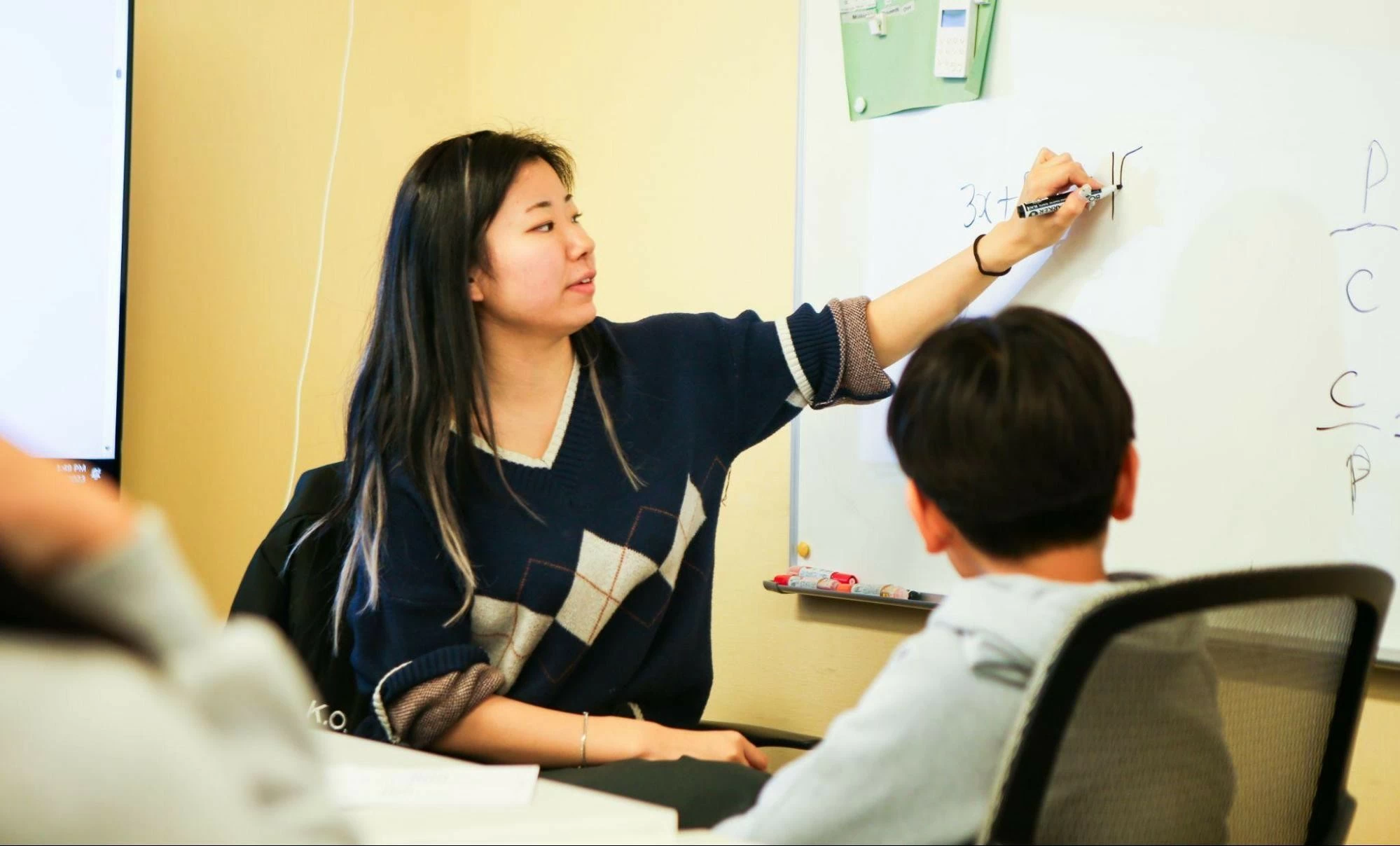 |
| Different countries have different regulations regarding extracurricular tutoring. (Source: Tokyo Academics) |
Japan
Teachers in Japan are expected to dedicate themselves entirely to teaching at school, and any additional classes or activities they wish to organize are subject to regulation.
According to guidelines issued by the Ministry of Education, Culture, Sports, Science and Technology (MEXT), teachers may organize extra classes, but these activities must be coordinated with and approved by the school administration.
However, extracurricular tutoring is generally discouraged, as it can lead to conflicts of interest or unequal opportunities for students. The primary goal of Japanese education remains to maintain fairness and ensure that all students have access to quality education.
Instead, Japanese teachers often support students through after-school clubs and extracurricular activities.
However, these activities are usually organized as part of the formal curriculum and ensure alignment with the school's educational goals.
Singapore
The Singapore Ministry of Education mandates that tutoring centers with 10 or more students must register with the Ministry. The registration process requires centers to comply with specific standards regarding infrastructure and fire safety.
Teachers working at these centers must also register their background and qualifications with the education authority. The Ministry applies strict conditions, rejecting any cases that violate professional teaching standards and break the law, especially sexual offenses.
However, Singapore also recognizes the importance of supplementary education in helping students achieve their academic goals. Schools often organize extra classes or supplementary sessions, especially for students who need support. These sessions are conducted within the school framework and are free of charge, ensuring accessibility for all students.
Korea
In South Korea, rising costs for the out-of-school education industry have become a major concern, with the top 20% of households spending approximately 1.14 million won (about 21.3 million VND) per month on private education. Despite declining student numbers, total spending on private education reached 26 trillion won (about 486 trillion VND) in 2022, a 10% increase year-on-year, according to the Korea Times .
Experts in the country believe that the South Korean public education system is increasingly failing to meet the needs of students, forcing parents and even teachers to rely heavily on private tutoring centers, known as "hagwon" (private after-school academies).
Some teachers even advise parents to send their children to hagwon (private tutoring centers) for subjects they struggle with, instead of providing additional support through school.
Previously, schools offered extra classes and evening study sessions. However, the reliance on hagwon (private tutoring centers) shifted this responsibility away from the school, causing students to prioritize hagwon assignments over school assignments and even leading to them falling asleep during regular classes.
Although teachers are qualified and dedicated, policies within the public education system leave them with no choice but to encourage hagwon (private tutoring).
Regulations governing hagwons include limiting classes to before 10 p.m. to ensure students get enough rest. Tuition fees are capped, and hagwons must employ qualified instructors.
Transparency is ensured through mandatory reporting on tuition fees and schedules, learning materials used, etc. Local education authorities also conduct regular inspections.
China
In August 2021, China issued regulations for after-school training organizations. Accordingly, existing organizations must transition to a non-profit model, and stricter regulations are applied to their operations and course content.
Extracurricular classes are not permitted on weekends, national holidays, school holidays, or after 9 PM. The training content must not be based on foreign educational programs or teach ahead of the school year's curriculum.
In September 2023, China's Ministry of Education announced that unlicensed after-school tutoring services could face fines of up to 100,000 RMB (approximately 349 million VND).
In February 2024, China's Ministry of Education sought feedback on the Draft Regulations on the Management of Extracurricular Education. This new draft continues to focus on the tutoring industry following a broader reform initiated in mid-2021.
For the first time, the draft regulations clearly define extracurricular education, identifying it as educational activities organized outside the formal school system, aimed at improving academic performance or developing students' interests and talents from kindergarten to high school.
The regulations establish a framework for managing and classifying after-school tutoring organizations, distinguishing between academic tutoring based on the curriculum and non-academic tutoring.
After-school educational institutions must go through a licensing and approval process to obtain a "License to organize off-school training," and must operate as a non-profit organization if they provide academic supplementary education.
Online tutoring services also require approval from the provincial education authority.
A key aspect of the regulations is the restriction on after-school tutoring. These sessions must be held outside of official school hours and cannot take place on national holidays or school breaks. Provincial education authorities may provide further guidance on the duration and type of these sessions.
In addition, the regulations prohibit these institutions from organizing exams or competitions, and from publicly disclosing students' academic results or rankings.
The cost of academic tutoring must comply with government pricing guidelines, while other tutoring services need to register with the relevant authorities. Fees collected are primarily used for operational expenses and must be transparent and subject to oversight.
To enforce these regulations, a national monitoring platform will be established to track after-school tutoring organizations. These organizations must update relevant information on the platform.
Organizations, individuals, and local education management agencies that violate regulations, including unauthorized tutoring or poor management, will be held accountable under education laws and related regulations.
Source: https://baoquocte.vn/day-them-hoc-them-o-cac-quoc-gia-tren-the-gioi-duoc-quy-dinh-the-nao-284578.html
















![[Photo] Prime Minister Pham Minh Chinh presides over the conference announcing the establishment of the International Finance Centre in Vietnam.](/_next/image?url=https%3A%2F%2Fvphoto.vietnam.vn%2Fthumb%2F1200x675%2Fvietnam%2Fresource%2FIMAGE%2F2025%2F12%2F21%2F1766309817714_ndo_br_dsc-3400-jpg.webp&w=3840&q=75)











































Comment (0)