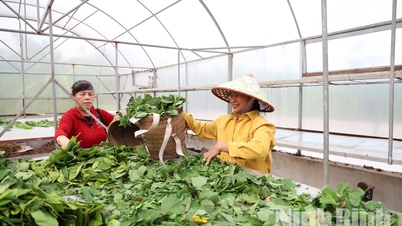
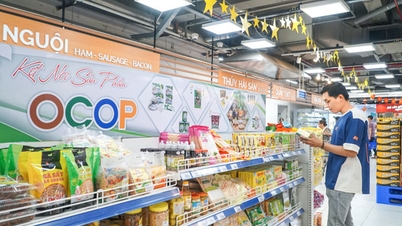
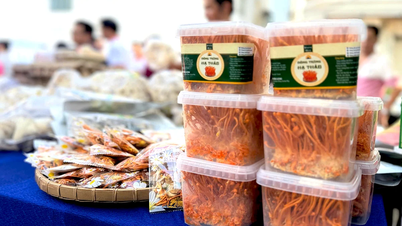
With over 2,640 hectares, tea has truly become the main crop in Ban Lau commune. In the first five months of the year, the production of fresh tea leaves in the area reached nearly 7,000 tons. Thanks to tea, Ban Lau currently has 13 OCOP products with 3 stars or higher, along with 7 cooperatives, 4 businesses, and 12 cooperative groups operating effectively, contributing to the promotion of rural economic development.
The province currently has 15,475 hectares of tea plantations, of which 13,297 hectares are for commercial production and 2,419 hectares meet organic standards. By 2025, the production of fresh tea leaves is expected to reach nearly 130,000 tons, with an estimated value of over 960 billion VND. Tea cultivation has provided a sustainable livelihood and created year-round employment for tens of thousands of households, especially ethnic minorities in many localities.
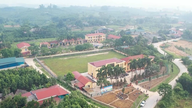
Similarly, in Ban Lau commune, with 343 hectares of tea plantations and an annual production of nearly 2,500 tons, tea cultivation has provided a stable income for many households in Thac Ba commune.
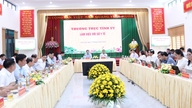
Mr. Nguyen Vinh Quang, Vice Chairman of the Thac Ba Commune People's Committee, said: "Tea cultivation has contributed significantly to the commune's economic growth. The average income in Thac Ba in 2025 is expected to reach 62.5 million VND/person/year, and the poverty rate will decrease to 1.31%."
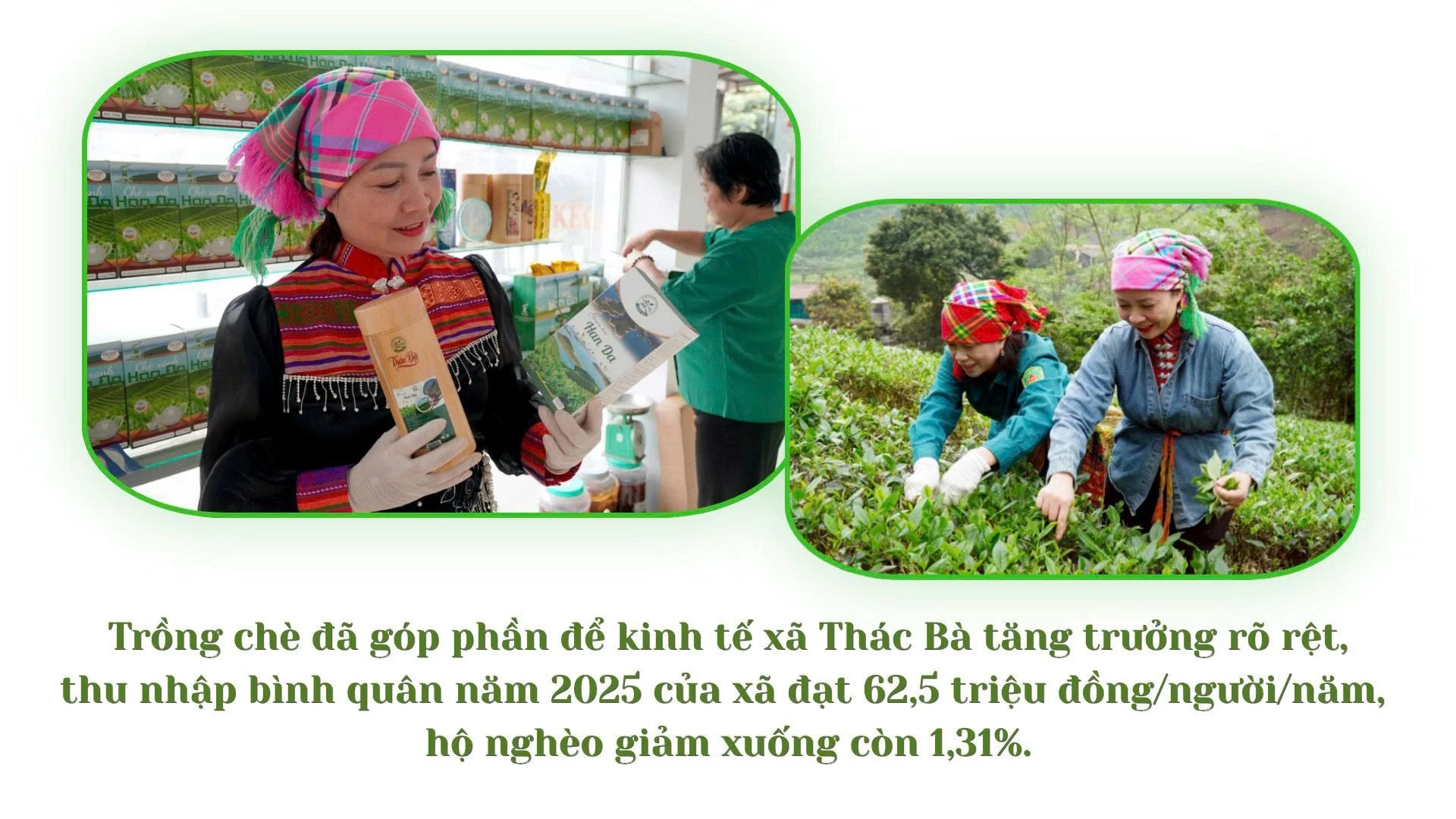
Tea production not only provides income but also changes the farming mindset of the people, gradually shifting from traditional methods to safe and clean processes. This protects people's health, prevents soil pollution, and enhances the brand image of Lao Cai tea.
The products are not only consumed domestically but are also largely exported to the Middle East, Taiwan (China), and many other countries around the world , helping to bring a stable source of foreign currency to the locality.
The development of tea growing areas has attracted many large enterprises to invest in building large-capacity deep processing plants, increasing the added value of local agricultural products.
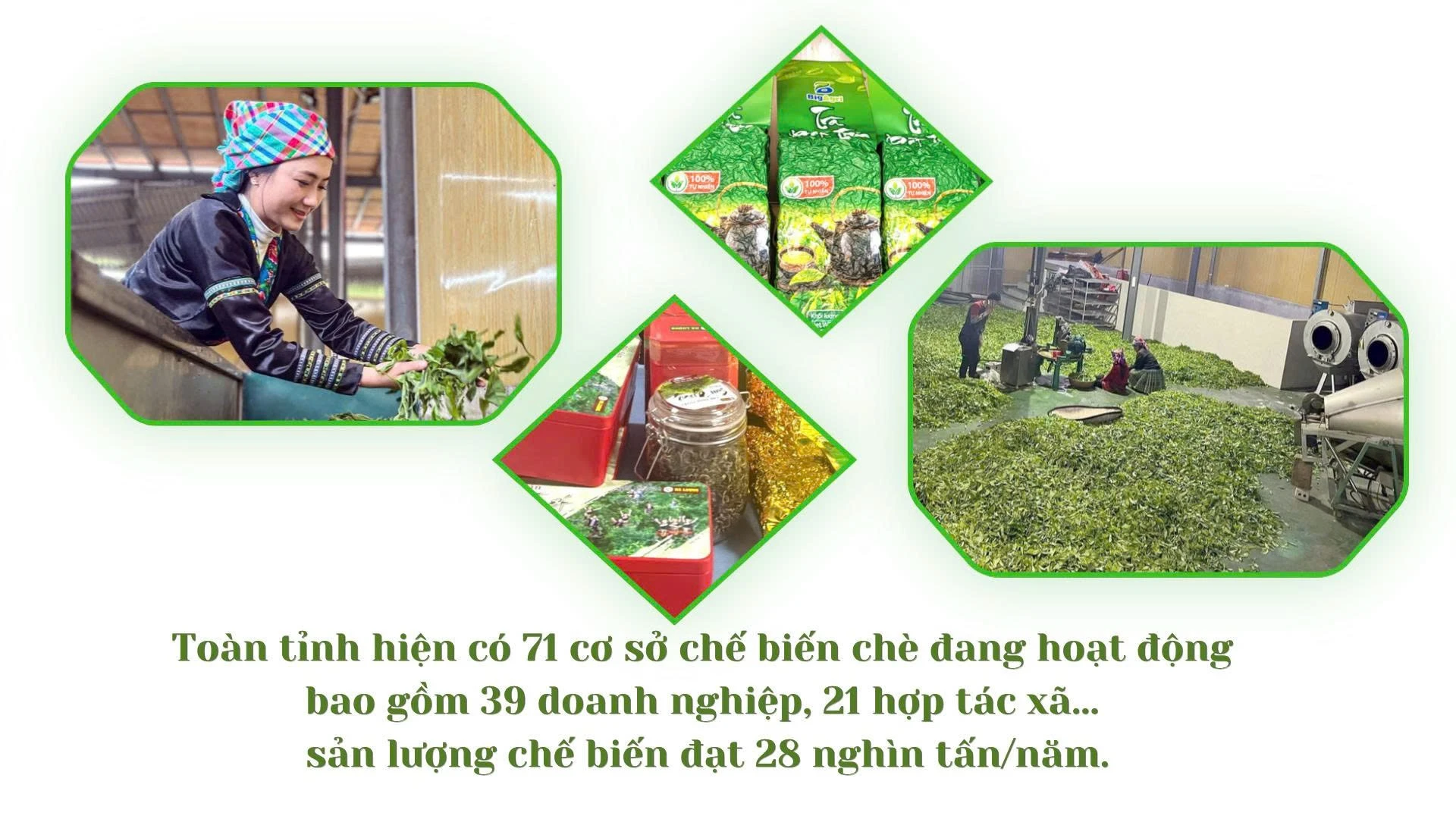
Despite the achievements, maintaining and developing tea cultivation currently faces many obstacles. The fragmented terrain results in small-scale production, making mechanization difficult. The transition to intensive organic farming is slow due to high costs and a lack of support from businesses.

The linkages between businesses, cooperatives, and farmers are not strong enough, leading to price manipulation and contract breaches. Exported products are mainly in raw form, with low added value and weak international brands. Extreme weather and geopolitical instability also have negative impacts, leading some people to abandon tea cultivation and switch to other crops... Therefore, "impetus" is needed to resolve these "bottlenecks".
Mr. Ngo Quyen - Deputy Head of the Provincial Department of Crop Production, Plant Protection, Livestock, Veterinary Medicine, and Fisheries: "It is necessary to implement a comprehensive set of key solutions, namely: effectively implementing planning and techniques; organizing production; promoting trade and processing; building brands, expanding markets, and linking with experiential tourism."
By 2030, Lao Cai aims to maintain 15,800 hectares of tea plantations, applying VietGAP and organic farming practices; improving and intensifying cultivation to increase productivity to 10-15 tons/ha/year, and increasing the processing of high-quality green tea by 30-40%.
Reduce exports to less demanding markets, expand to the EU, Eastern Europe, and Taiwan (China), reaching 20-30% of production, with domestic consumption accounting for 30%. Expand the area of highland tea plantations and organic ancient tea trees, preserve indigenous varieties, combine the application of science and technology, and build brands for Shan Tuyet tea products from Suoi Giang, Bac Ha, and Muong Khuong.
To achieve the set goals, in addition to doing a good job of promoting and encouraging people to commit to tea cultivation, localities need to form large-scale raw material areas to optimize the use of machinery in land preparation, irrigation, and harvesting.
Mr. Nguyen Vinh Quang, Vice Chairman of the Thac Ba Commune People's Committee, said: "We need to continue focusing on training and transferring scientific and technical advancements, expanding the area of organic tea cultivation, and gradually replacing old tea plantations with new, high-yield tea varieties."
Helping tea growers feel secure in their production hinges on an organic link between businesses, cooperatives, and farmers. Therefore, the government plays an arbitrator role with clear monitoring and enforcement mechanisms. Businesses need to commit to stable purchasing; conversely, farmers must strictly adhere to safe farming practices.
At the same time, the effective implementation of Resolution No. 21/2025/NQ-HĐND dated December 9, 2025, of the Provincial People's Council on policies to encourage and support the development of agricultural, forestry, and fisheries production is considered an important "lever" to help reduce the initial cost burden for households, businesses, and cooperatives in developing tea-growing areas.
Effectively implement incentive mechanisms to encourage factories to upgrade their production lines and increase processing capacity, shifting from processing raw materials such as green tea and semi-finished black tea to refined products with high added value.
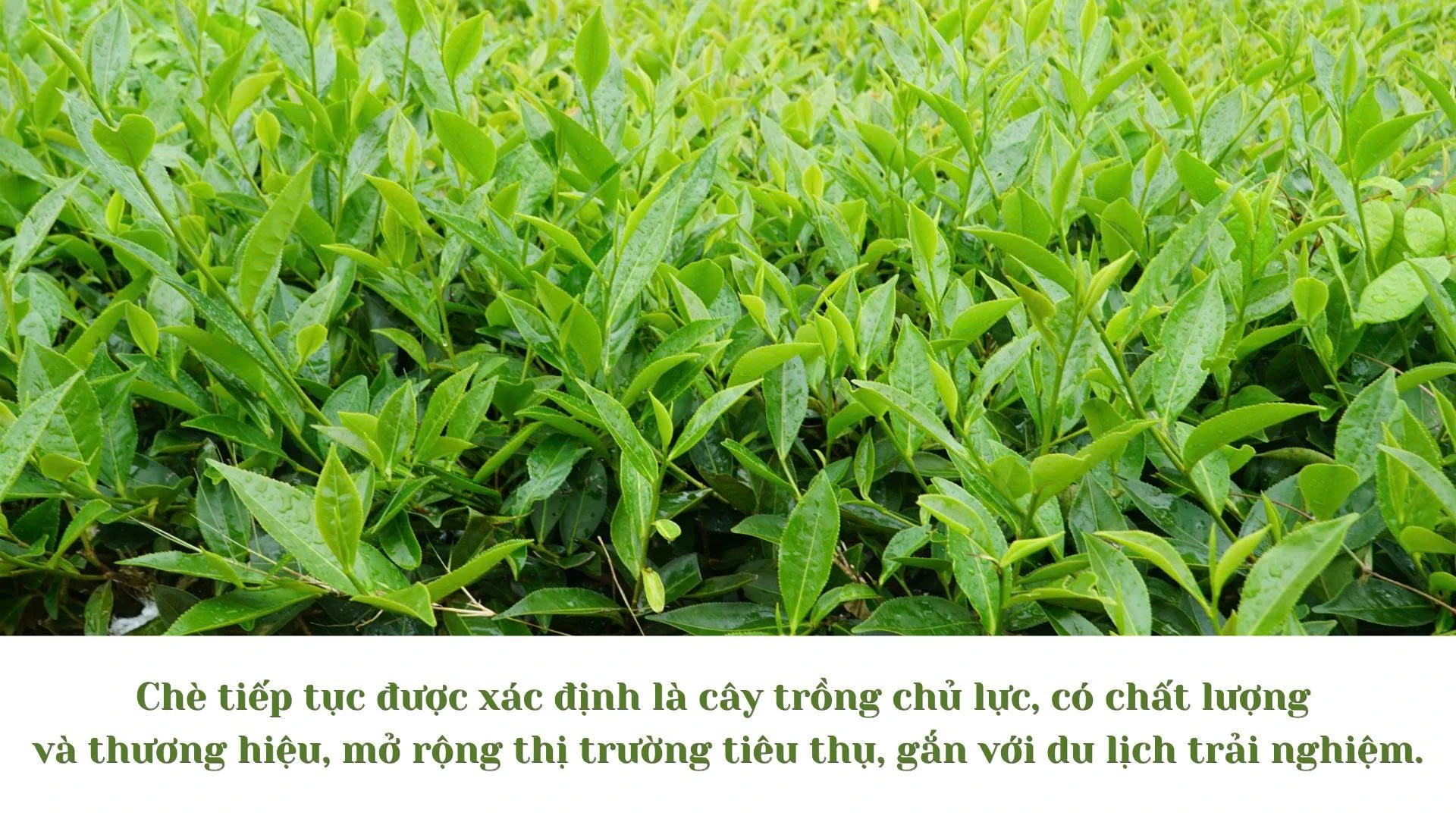



Continuing to apply technology and digital transformation in product promotion, the government needs to take the lead in building brands, collective trademarks, and geographical indications for tea products to enhance recognition on the world tea map... and expand export markets.
One sustainable approach is to transform the beautiful tea hills and high-altitude Shan tea forests into agro-tourism destinations. Visitors come not only to admire the scenery but also to experience picking tea leaves themselves, learning how to process tea, and enjoying tea with the local people. This "double benefit" model effectively promotes local products while opening up a second livelihood channel, helping the people increase their income sustainably.
With well-planned policies and the concerted efforts of the government, businesses, and people, the Lao Cai tea brand will surely establish a firm position, spreading its rich, sweet and bitter taste from the high mountains to the world.
Source: https://baolaocai.vn/de-cay-che-mai-ngat-huong-post901757.html

































![[Image] Ho Chi Minh City: Ma Lang area, Chicken-Rice Market about to change its appearance](https://vphoto.vietnam.vn/thumb/1200x675/vietnam/resource/IMAGE/2026/06/25/1782377698627_ndo_br_m1-jpg.webp)