

"Treasures" of the homeland of "courage and resilience"
To date, the province has 223 classified historical sites. Among them, the National Special Historical Site of the Central Committee Base of the Southern Region, the Southern Regional Party Committee and Administrative Committee of the Southern Resistance, the Provincial Revolutionary Base, etc., are considered "red addresses" for educating about revolutionary traditions, and also have great potential for developing historical tourism.
In addition, there is the Ba Den Mountain National Tourist Area, unique architectural works such as the Cao Dai Holy See, Binh Thanh ancient tower, Chot Mat ancient tower,... along with 14 national intangible cultural heritage sites, mainly traditional crafts and festivals. All of these are important resources for Tay Ninh to develop distinctive and attractive tourism products, aiming to make tourism a key economic sector of the province.
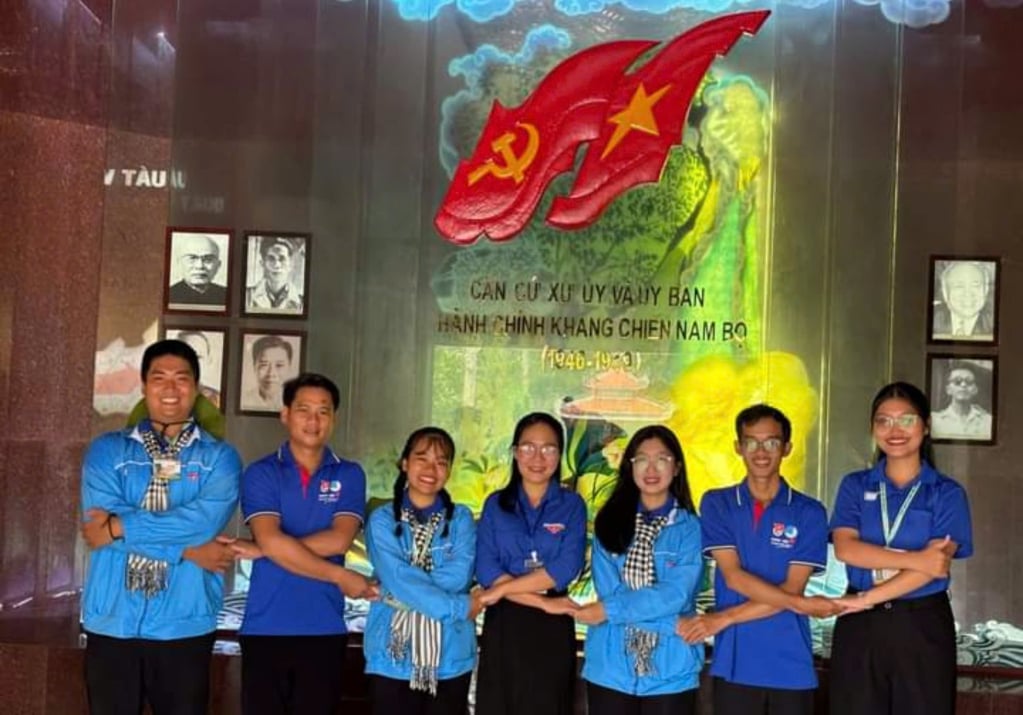
Recognizing that preserving historical sites is fundamental to tourism development, the province is paying special attention to the restoration and enhancement of tourist destinations. Many projects are being implemented to combat degradation and improve the aesthetic value of these sites.
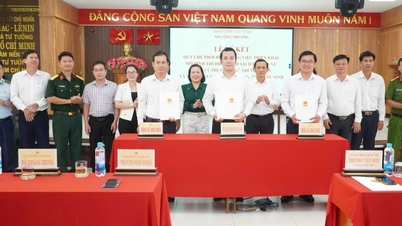
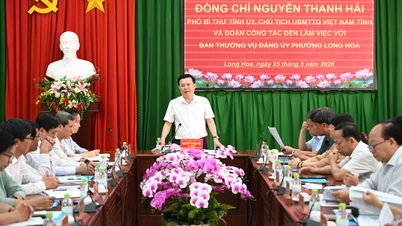
Recently, the leaders of the Provincial People's Committee have conducted direct surveys of the current status of several historical sites in the province, such as the National Special Historical Site of the Central Committee Base of the Southern Region, the Provincial Revolutionary Historical Site, the relics of the Southern Regional Party Committee and the Southern Resistance Administrative Committee Base, etc.

Through the survey, the delegation found that some structures within the historical site had deteriorated and needed investment for upgrading and repair. After understanding the current state of the structures, the provincial leaders requested relevant units to urgently review and propose appropriate investment, restoration, and preservation plans; ensuring the maximum preservation of the original value of the historical site. Chairman of the Provincial People's Committee Le Van Han requested the Department of Culture, Sports and Tourism to coordinate with other departments, agencies, and localities to continue preserving, exploiting, and effectively promoting the historical sites to attract tourists, develop tourism, and contribute to the socio-economic development of the province in the future.
Efforts to turn historical sites into tourist destinations.
In order to promote the value of historical sites, some localities have begun to implement activities to attract tourists. Among these, emphasis is placed on exploiting the existing unique characteristics of the locality.
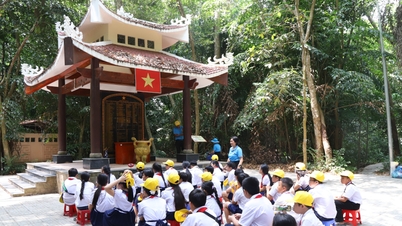
In Nhon Hoa Lap commune, the "Rural Market" model is being implemented at the Southern Resistance Party Committee and Administrative Committee Historical Site. The commune's People's Committee has invested in building stalls and organized registration for residents to participate in selling traditional, locally-flavored goods such as folk cakes, OCOP products, characteristic agricultural products, and local cuisine.
“The rural market is planned to be held once a month on Sundays. Besides the stalls, the space will also include traditional folk music performances and potentially develop some eco-tourism destinations connected to the market to enrich the visitor experience,” said Tran Luu Niem, Vice Chairman of Nhon Hoa Lap commune.
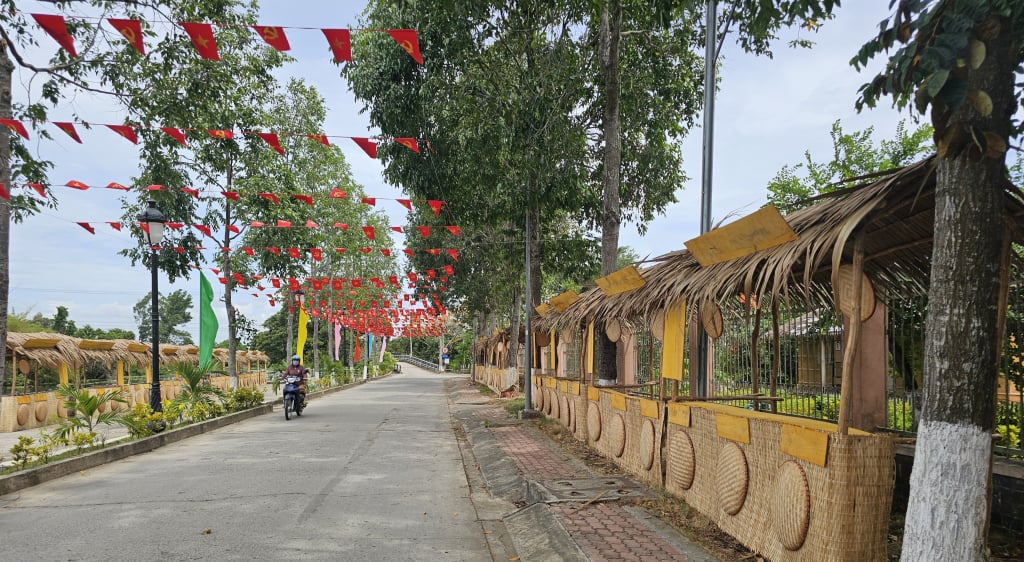
Initially, the target tourists will be local residents, especially students from schools in the commune and neighboring communes in the Dong Thap Muoi area.
The Southern Resistance Party Committee and Administrative Committee Base, once dubbed "Viet Bac in the South" during the anti-colonial struggle, is a prominent "red address" for learning about the history of "courage and unwavering loyalty." Furthermore, the site boasts a spacious, tree-shaded grounds and many distinctive features of the Dong Thap Muoi region, making it a captivating destination for visitors.
In the communes of Tra Vong and Thanh Binh, the potential of the Tra Vong Quan Lon Festival and the ancient Chot Mat tower is also being realized. Over the years, state management of historical sites in the two communes of Tra Vong and Thanh Binh has received attention and guidance, and the promotion of the value of historical sites and festivals has been implemented synchronously. The historical sites are relatively well protected, contributing to the preservation of the local historical and cultural values.
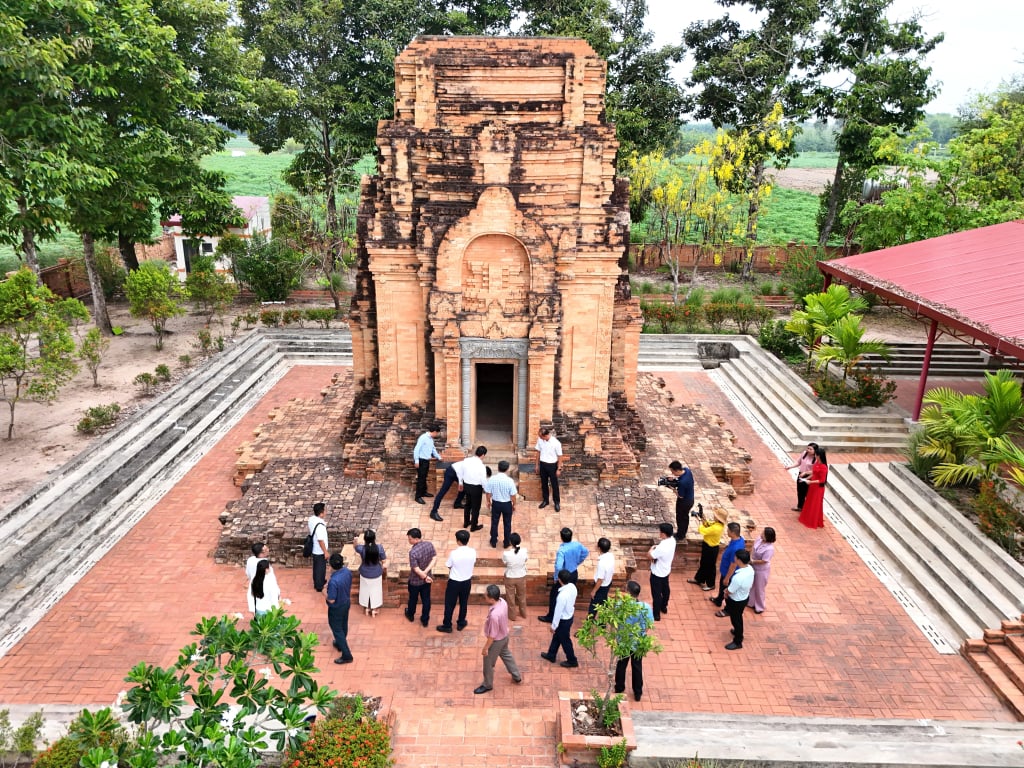
According to the assessment of the provincial People's Committee leaders during their survey trip to the two localities, the ancient Chot Mat tower and the relics of the temple, tomb, and festival of Quan Lon Tra Vong Huynh Cong Gian are not only "red addresses" of culture and history that need to be preserved and protected, but can also be invested in and developed for tourism, especially when synchronously connected with the Ba Den Mountain National Tourist Area, Lo Go - Xa Mat National Park, and the Central Committee Base of the Southern Region historical site.
The Provincial People's Committee will include the two historical sites of Chót Mạt Ancient Tower and the Temple, Tomb, and Festival of Quan Lớn Trà Vong Huỳnh Công Giản in the overall plan for the renovation and restoration of historical sites, and will allocate investment in phases annually.
Vice Chairman of the Provincial People's Committee Pham Tan Hoa emphasized: "Both localities need to continue to effectively manage historical sites, focus on training human resources, guide people in tourism activities, and build a transparent revenue and expenditure management mechanism at these sites." At the same time, the Vice Chairman of the Provincial People's Committee also directed the integration of information from the two historical sites into the plan to develop tourism as a key economic sector of the province.
The potential for tourism development from historical sites is enormous; however, in reality, many historical sites face numerous difficulties in developing tourism.
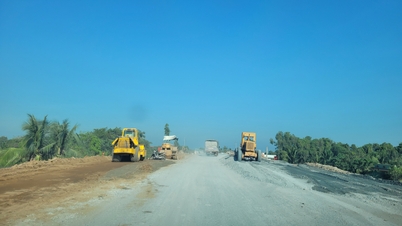
These include the deterioration of some structures within the historical site, requiring investment in restoration and repair; the narrow and small roads leading to the site, which need to be expanded soon; limited connectivity with other destinations; and the underdeveloped service facilities within the historical site area, which do not yet meet the needs of tourists.
In addition, limitations in applying digital technology to heritage site management, and a shortage of specialized human resources in cultural and tourism management, are also issues worth noting.
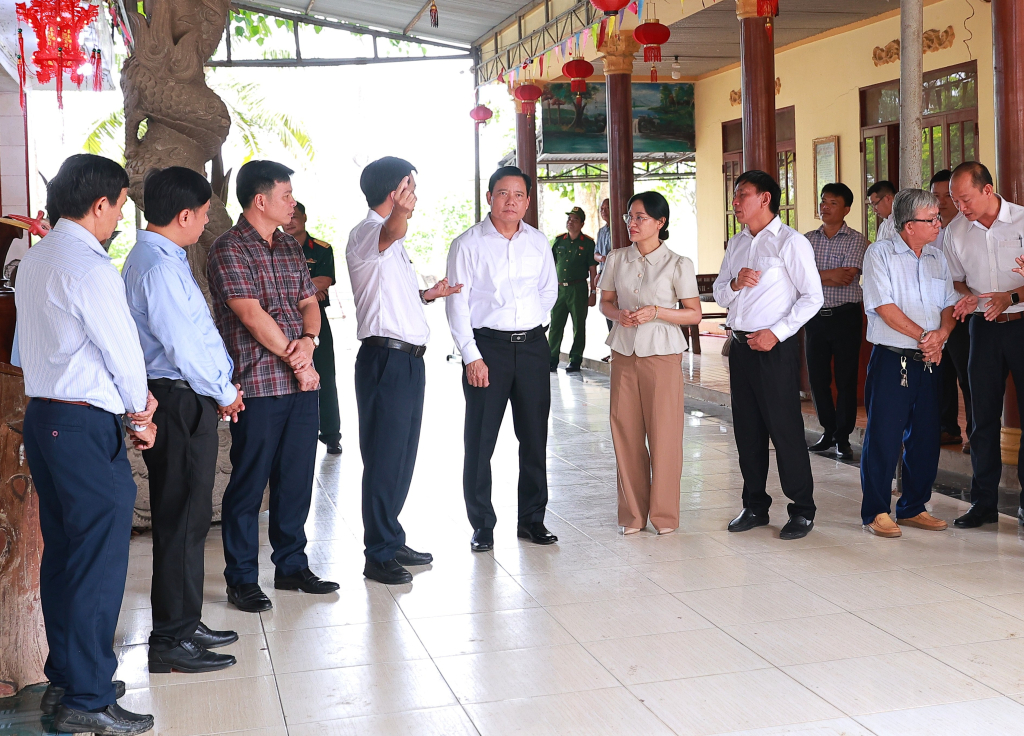
According to Le Do Thuan, Vice Chairman of the People's Committee of Thanh Binh commune: “To ensure the progress of the project to restore and prevent the deterioration of the ancient Chot Mat tower, the commune requests the Department of Culture, Sports and Tourism to continue to pay attention and guide the People's Committee of the commune in completing the dossier and carrying out the next steps after the Ministry of Culture, Sports and Tourism has appraised the economic and technical report. Regarding transportation infrastructure, the commune requests the province to pay attention to supporting surveys and supplementing funds to expand the road to the tower to attract large groups of tourists and large buses to visit more conveniently; and to provide guidance and support on digital transformation, communication and promotion of the relic as well as management and operation after investment.”
In order to promote the value of cultural works and historical sites associated with tourism development, and to effectively exploit these sites, cultural heritage, and festivals to attract tourists for sightseeing and research, the province has set out key solutions to be implemented. First and foremost, this includes investing budget and social resources in the preservation and promotion of the value of historical sites and cultural heritage in the province; implementing digitalization and applying digital platforms to tangible and intangible cultural heritage; and developing advantageous cultural industries, including cultural and spiritual tourism, to contribute to the province's development.
To achieve this goal, it is crucial to focus on improving the quality of human resources, especially local tour guides and instructors who can teach people community-based tourism skills. Investing in transportation infrastructure to facilitate access for tourists is also extremely important. Furthermore, regional linkages need to be strengthened and prioritized.
It is clear that Tay Ninh possesses a "gold mine" of valuable heritage. When conservation efforts are carried out systematically, infrastructure is invested in comprehensively, human resources are improved, and tourism products are developed professionally, these cultural values will become a driving force contributing to socio-economic development.
Unlocking the potential of heritage is one of the right steps towards the goal of making tourism a key economic sector of the province.
Source: https://baotayninh.vn/de-di-tich-tro-thanh-diem-den-147270.html





















































































Comment (0)