Practical experience from the grassroots level.
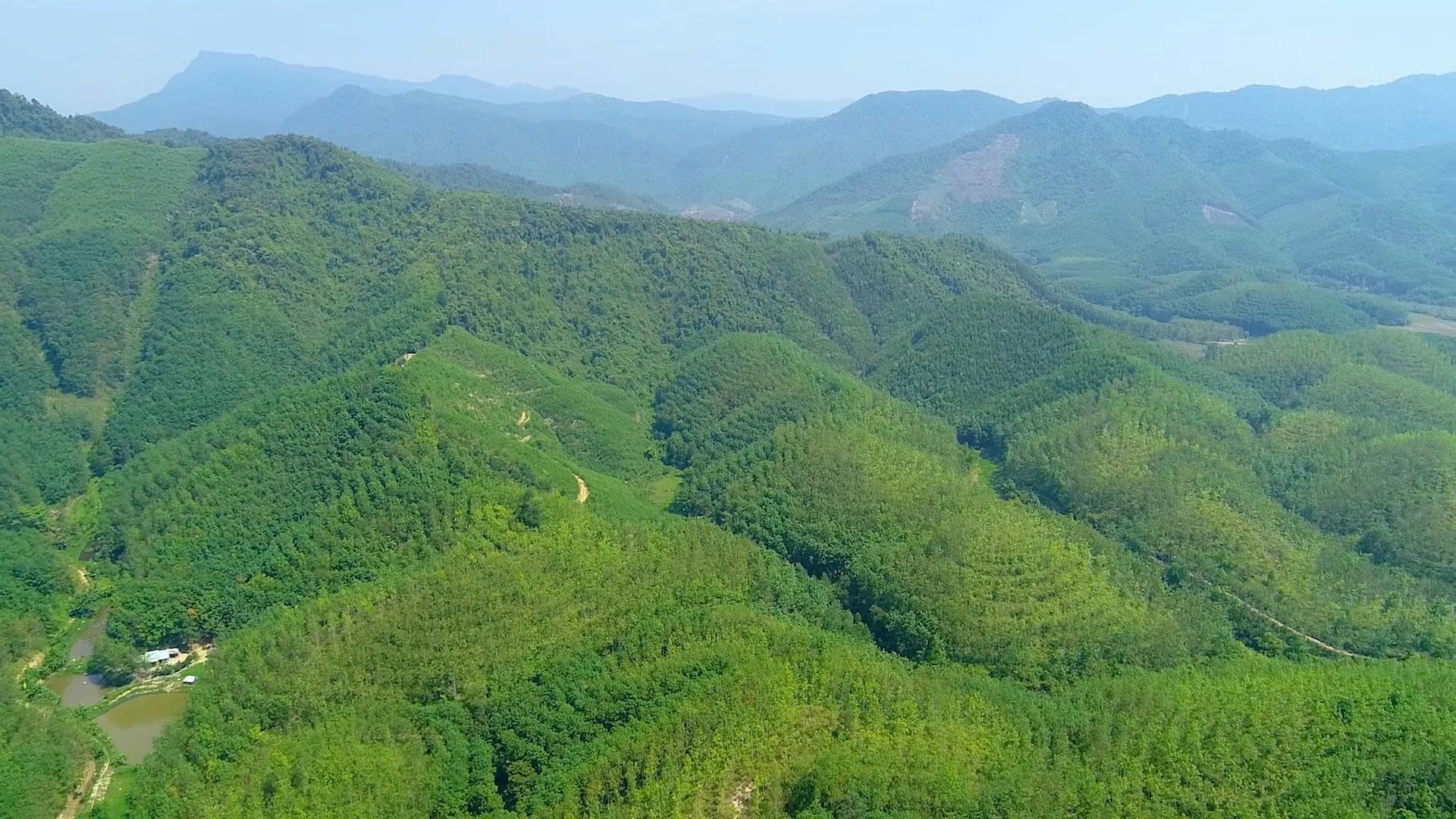
In the forestry landscape of Da Nang city, a pivotal shift is taking place on the hillsides. It's a journey of change from the practice of planting short-term acacia trees to developing sustainable, large-scale timber forests. This is not just a change in tree species, but a profound shift in economic thinking and environmental responsibility.
For decades, acacia trees have been the main economic crop for many households. However, their negative aspects are gradually becoming apparent.
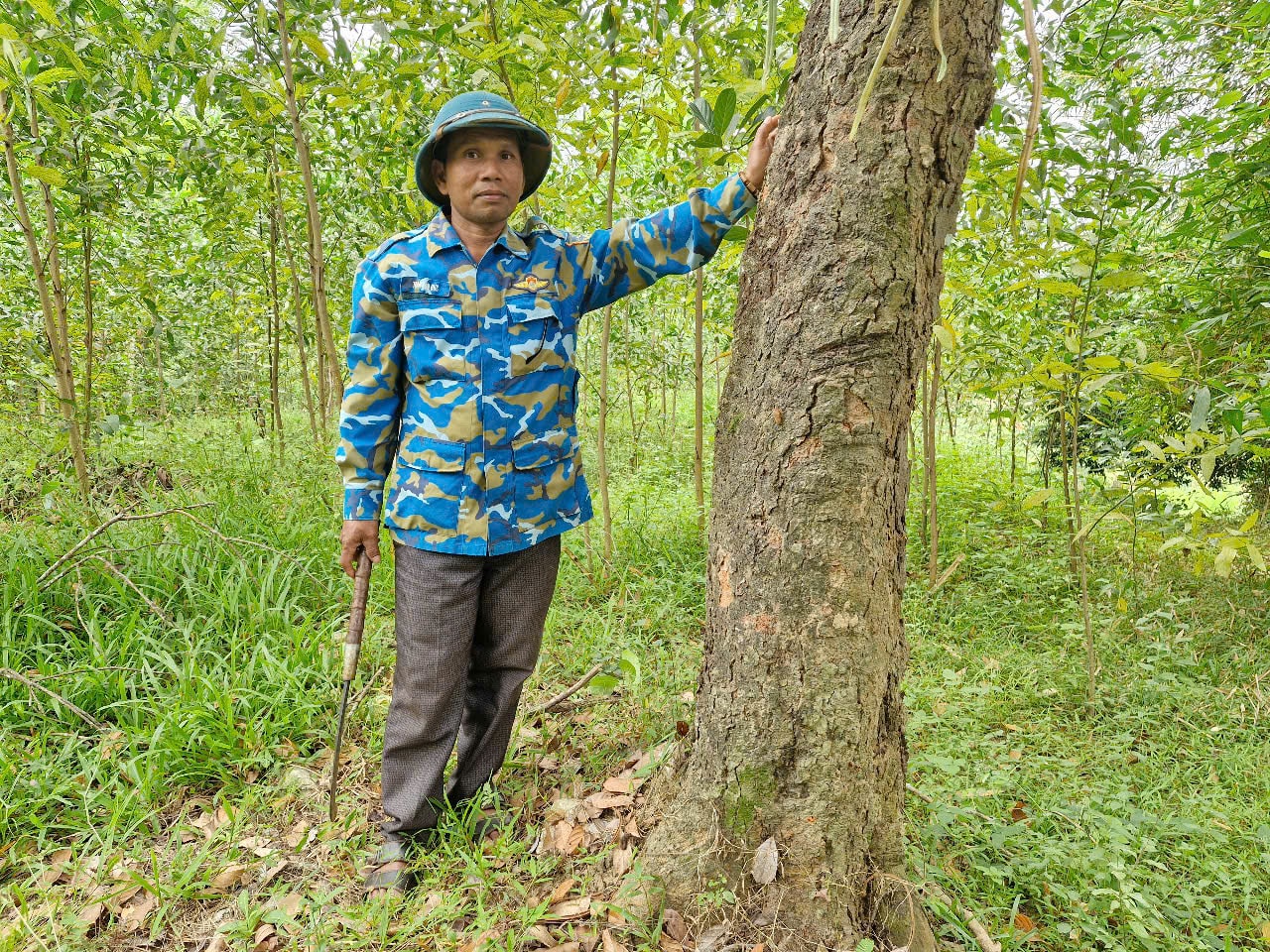
In Ta Lang residential area (Hai Van ward), Mr. Nguyen Van Trung, who has been closely associated with the forest for many years, cannot hide his worry when looking at the acacia forests around the area. According to him, after more than 30 years of continuous acacia planting, the land has been severely degraded and infertile. Even more worrying, every time the rainy season arrives, the acacia forests that have been completely cleared become the root cause of flash floods and landslides.
“Planting large timber trees is a long journey, taking at least 10 years before harvesting, while people face daily financial pressure,” Mr. Trung lamented. According to him, the biggest bottleneck is access to loans. People lack the funds to maintain the trees and are particularly worried about not having enough money to pay the monthly bank interest when the trees are not yet ready for harvesting. This is why many households, despite wanting to change, are still hesitant to take the plunge.
In An Chau village (Hoa Vang commune), Mr. Nguyen Phan Bon is currently cultivating about 6 hectares of acacia trees. He acknowledges that the regular harvesting of acacia trees after a 5-year cycle has a negative impact on the environment. The trend of planting large-timber forests is being strongly promoted by the government. Mr. Bon himself plans to register to plant 3 hectares of large-timber forest.



"Planting large timber trees is very beneficial for the people, ensuring environmental protection and providing carbon credits later to create a sustainable source of income. However, planting them individually is very difficult to manage; there needs to be a centralized registration plan for each region so that the State can easily manage and support it," Mr. Bon suggested.
Que Phuoc is a mountainous commune with a forest cover rate of 72.26%. Mr. Nguyen Van Lanh, Vice Chairman of the Commune People's Committee, said that the mentality of "playing it safe" with the 4-5 year cycle of acacia trees is still prevalent. Especially in the Central region, which frequently experiences storms, people are concerned about the risks of large timber forests with a cycle of over 10 years. The long waiting period for harvesting is a real obstacle that households are having to consider. In the future, the locality will develop a sustainable forestry development strategy to promote the planting of large timber forests.
Leveraging supportive policies
Recognizing the difficulties and bottlenecks in practice, Da Nang city has taken decisive policy steps to support its people.
Since 2019, the Da Nang City People's Council has issued Resolution No. 254/2019/NQ-HĐND to encourage and support people in converting to economic forest planting models, enhancing value and sustainable development. However, the effectiveness has not been high, the number of individuals benefiting remains small, and it has not created a strong incentive. Therefore, on February 11, 2026, the City People's Council issued Resolution No. 03/2026/NQ-HĐND regulating investment levels and support for forestry activities. One of the notable points of the resolution is the policy to support the planting of large-timber production forests.
Specifically, the city will subsidize 100% of the difference between commercial loan interest rates and state-funded investment credit interest rates, calculated on the actual outstanding balance at the time of consideration for support for large-scale timber forest planting activities. In particular, the city will provide 55 million VND/hectare/cycle to households planting large-scale timber forests to purchase seedlings, fertilizers, and cover labor costs for planting and caring for the forest.
The policy applies to forestry species (timber and multipurpose trees), excluding acacia and eucalyptus. Eligibility requirements include: legal land use rights; commitment to planting and harvesting when the forest meets the criteria for large timber; and ensuring seedlings meet the required documentation. Recipients are entitled to all forest products harvested in accordance with regulations; they must also implement all necessary silvicultural techniques.
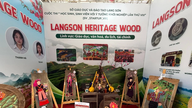
According to the city's agricultural sector, Resolution No. 03/2026/NQ-HĐND not only adheres to central government regulations but also includes provisions that offer greater incentives to attract investment from households and individuals. The core objective is to create fairness, improve management efficiency, and develop forests in a multi-value direction. Encouraging the planting of native trees not only helps increase long-term income for people through the value of high-quality timber and the potential of the carbon market, but also serves as a fundamental solution to protect the ecological environment, mitigate erosion, and address climate change.
The city's support policies are gradually becoming a solid foundation, helping farmers feel more secure on their transformation journey. Difficulties regarding capital and natural disaster risks still remain. The timely support from Resolution No. 03/2026/NQ-HĐND is gradually strengthening people's confidence. Large timber forests will not only offer hope for a high income in the future, but also represent a commitment to preserving "green gold" for future generations, contributing to building the city into a green, ecological, and sustainably developed urban area.
Source: https://baodanang.vn/de-rung-go-lon-mang-lai-gia-tri-ben-vung-3340196.html
![[Photo] Prime Minister Le Minh Hung presides over the thematic session on promoting science and technology development and innovation.](https://vphoto.vietnam.vn/thumb/1200x675/vietnam/resource/IMAGE/2026/06/23/1782207872934_ndo_br_dsc-1724-jpg.webp)



![[Image] Paris's oldest bridge goes viral after transforming into a giant cave.](https://vphoto.vietnam.vn/thumb/1200x675/vietnam/resource/IMAGE/2026/06/24/1782283441197_ndo_br_dsc05314-jpg.webp)