

According to many startups, the difficulties they face include accessing land for production, especially for small and medium-sized enterprises (SMEs); followed by issues with administrative procedures, access to credit, and funding for research and development. In addition, a shortage of high-quality human resources is also a hindrance in the early years of their business. Not to mention the intense competition domestic businesses face from foreign companies.
 |
| Startup products on display at the Dak Lak Province Innovation and Startup Festival 2024. |
According to the World Bank's 2024 Vietnam Business Review Report, up to 69% of surveyed businesses reported difficulties in accessing finance during their development. The report also indicated that 37% of businesses struggled to find employees with sufficient management and leadership skills. Regarding administrative procedures, the World Bank in Vietnam stated that, compared to other Pacific Rim countries, the cost of establishing a startup in Vietnam is relatively low, contributing to a high market entry rate. However, the number of procedures is higher, the processing time is longer, and the process for obtaining sub-licenses is complex and lacks a clear legal framework.
Mr. Tran Thieu Nha, Standing Vice Chairman of the Dak Lak Young Entrepreneurs Association and Director of Phu Nhuan Jewelry Joint Stock Company (PNJ) Central Highlands - South Central Region Branch, believes that the "death traps" for startups are that the product is only appealing to the founder, not to the market, and that businesses create the product first and then seek customers. Besides the lack of capital, most startups don't know how to manage cash flow. They often "burn" all their money on office investments, marketing, etc., without generating any real cash flow.
Furthermore, some startups lack a long-term market perspective, focusing only on a few local connections without considering national and international markets. Not to mention, the staff of these startups often lack management experience. In addition, current startups lack a supportive ecosystem, mentors, investors, and connections with universities and large businesses.
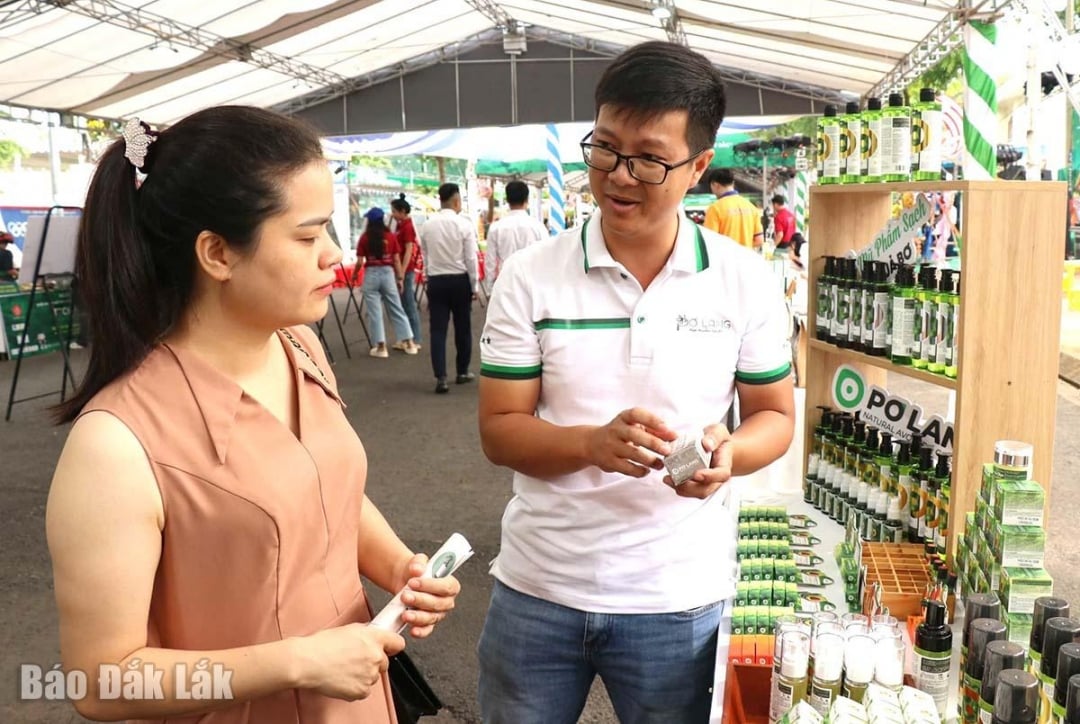 |
| Pơ Lang Production and Trading Co., Ltd. has successfully started a business with cosmetics made from avocados. |
"Startups don't fail because of their products, but because of a lack of systems, connections, and weak management. Therefore, to succeed, you must build a real ecosystem, which includes creating local startup funds to address capital issues, establishing 'incubator' centers for rapid product testing, and providing legal, marketing, and financial support for startups. At the same time, each startup needs a mentor, and most importantly, it needs to train a team of personnel with management, fundraising, and product development skills," - Standing Vice President of the Young Entrepreneurs Association of Dak Lak Province |
Recognizing the difficulties faced by businesses, the Politburo issued Resolution No. 57-NQ/TW on breakthroughs in the development of science, technology, innovation, and national digital transformation (Resolution 57) and Resolution No. 68-NQ/TW on the development of the private economy (Resolution 68) – considered guiding principles for the young business community. In the coming period, the National Project on Innovative Startups will concretize these orientations, creating a legal framework, financial mechanisms, and a collaborative environment to bring ideas from the laboratory to the market, aiming for Vietnam to become an innovative nation by 2045.
In order to address the "bottleneck" of production space for businesses, right from the drafting of Resolution 68, the Government requested attention to the issue of allocating and subdividing land for SMEs and innovative startups because they cannot access overly large planned land areas. This spirit is also clearly guided in Resolution 198 of the National Assembly on some special mechanisms and policies for the development of the private economy.
According to the Department of Private Enterprise and Collective Economy Development (Ministry of Finance), for industrial parks that are already fully occupied, it is not possible to require the allocation of land. However, for parks under construction or with vacant land, allocating a portion of the area for SMEs is mandatory. The Ministry of Finance is coordinating with the Ministry of Agriculture and Environment to draft a policy to support 30% of land rent for SMEs and innovative startups when they move into planned industrial parks. The funding for this support will come from local budgets.
Drawing from the experience of a successful startup, Y Pot Nie, Director of Ede Cafe Co., Ltd., shared that startups need a genuine startup story, a unique product, clear goals, and a compelling plan. Thorough preparation is essential, along with a well-structured plan covering branding, marketing, product segmentation, market, customers, and long-term financial planning. Instead of focusing solely on a name and advertising, prioritize risk management and problem-solving skills.
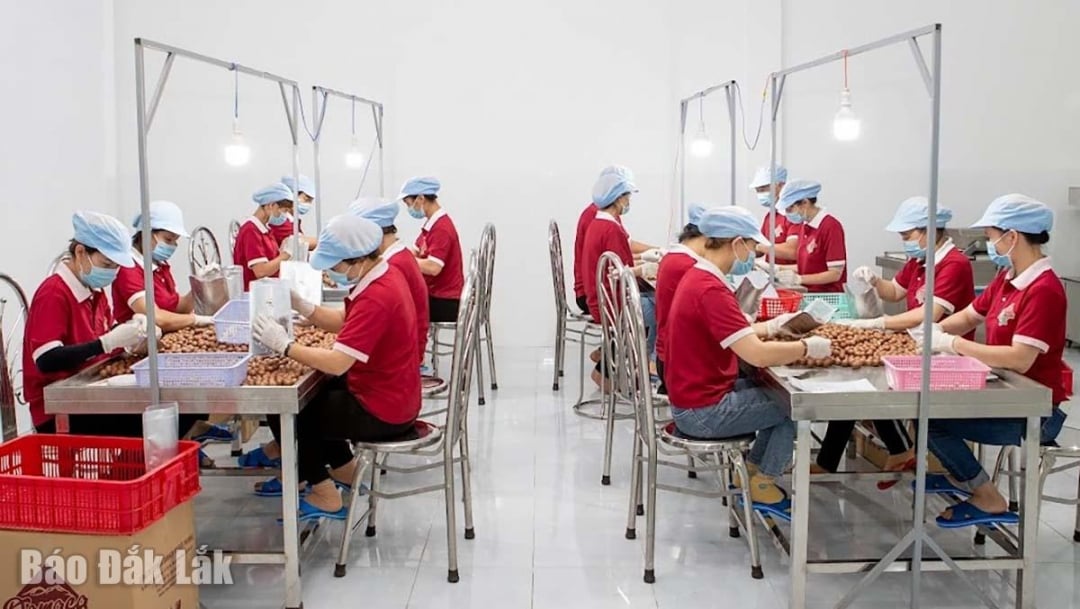 |
| Damaca Nguyen Phuong Joint Stock Company is one of the successful startups in Dak Lak province. |
According to many successful startups, when starting a business, entrepreneurs should know how to share risks and attract capital through investment. Having suitable investors will ease the financial pressure on the entrepreneur and provide more ideas and solutions to problems. Furthermore, startups should adopt a lean business model, build a sound project and business model, and conduct thorough market research to sell products that have a market and meet the needs of their target customers.
Ms. Luong Thi Thuy Anh, Director of the Daklak Innovation Hub (DIH), stated: After startup idea competitions, even with high awards and products that have significant social impact, many startups stop there due to a lack of experience and guidance. Therefore, for startup ideas to develop sustainably, guidance from "big players" and leading businesses is essential. Simultaneously, more programs supporting the startup ecosystem need to be organized in the future.
Source: https://baodaklak.vn/kinh-te/202508/de-startup-phat-trien-ben-vung-b870d54/
![[Photo] Prime Minister Pham Minh Chinh presides over meetings of the Government Standing Committee to discuss several important issues.](https://vphoto.vietnam.vn/thumb/1200x675/vietnam/resource/IMAGE/2026/03/16/1773674631996_ndo_br_img-5789-jpg.webp)




























![[Photo] Prime Minister Pham Minh Chinh holds a phone call with Angolan President João Manuel Gonçalves Lourenço](https://vphoto.vietnam.vn/thumb/1200x675/vietnam/resource/IMAGE/2026/03/16/1773674632171_ndo_br_dsc-4772-jpg.webp)
























































Comment (0)