

 |
While a high life expectancy is a positive development, the World Health Organization estimates that the healthy life expectancy of Vietnamese people is only 65.4 years. This means that in the last 8-10 years of their lives, elderly people have to live with illness or declining health.
The burden of disease in old age
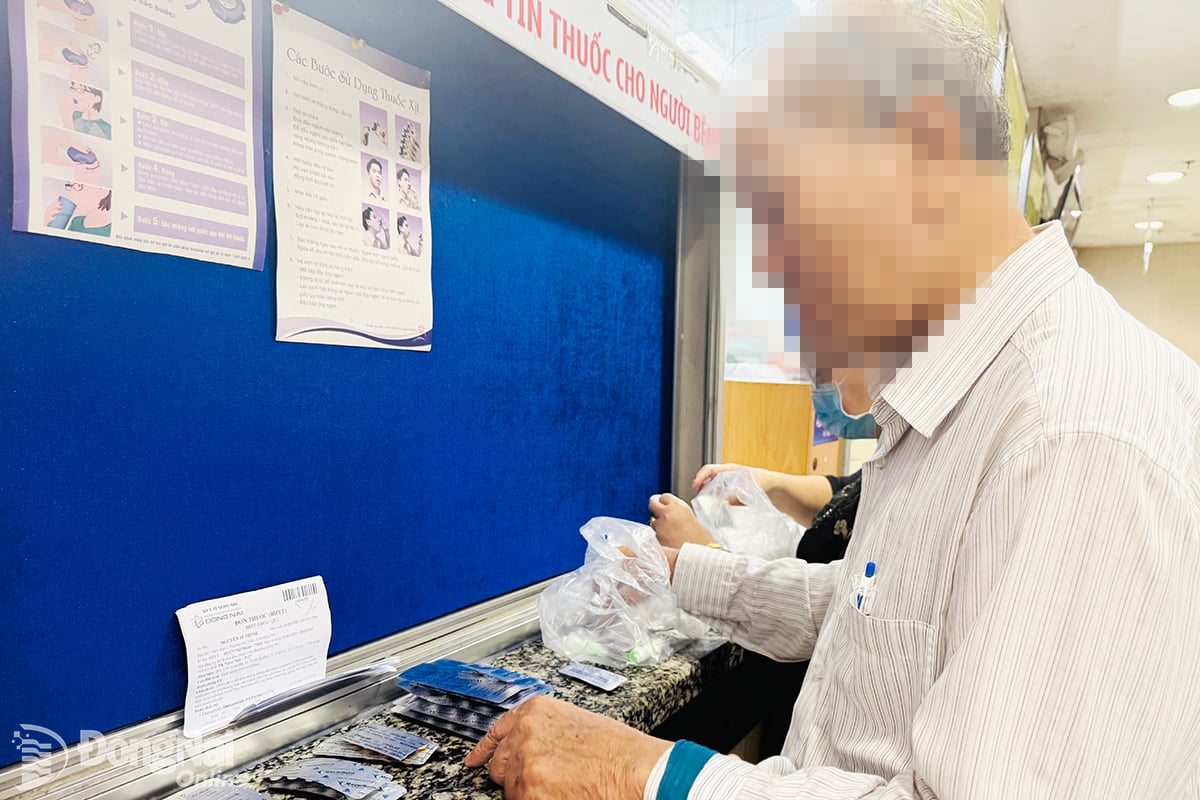
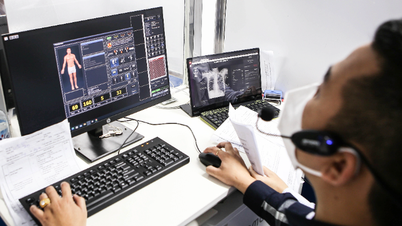
At 75 years old, Mr. NST (residing in Tan Trieu ward, Dong Nai province) has been living with various non-communicable diseases for over 10 years. During his most recent examination at Dong Nai General Hospital, in addition to his long-standing diabetes with neurological complications, Mr. T. was also diagnosed with stage 3 chronic kidney disease. He also has an enlarged prostate, a herniated disc, a 5mm gallbladder polyp, mixed hyperlipidemia, tachycardia, and prostate enlargement.
The General Statistics Office ( Ministry of Finance ) forecasts that by 2029, Vietnam will have an estimated 17.2 million elderly people, and this number will increase to 31.6 million by 2069. Without feasible solutions, it is projected that Vietnam will enter the aging population phase by 2038.
After the examination, Mr. T. was prescribed 14 days of medication by the doctor and instructed to return for regular check-ups and not to stop taking the medication on his own.
Mr. T shared: For over 10 years, he has been going to the hospital for checkups and medication as often as going to the market. The illnesses he has contracted cannot be completely cured and require lifelong treatment. Therefore, Mr. T always carries his medication with him, never daring to forget a day. Due to his illnesses, Mr. T's health has deteriorated, and he can only do light work.
As for Mr. PMH (65 years old, residing in Tran Bien ward, Dong Nai province), he was diagnosed with hypertension and atherosclerosis a few months after retiring.
"Before retiring, I had planned a trip for my wife and me, but due to illness, we couldn't make it happen. If we want to go anywhere, it's only for a few days, and we always have to carry our blood pressure medication with us. Several times, my blood pressure spiked, and I had to be rushed to the hospital," Mr. H. confided.
According to Dr. Nguyen Tat Trung, Head of the Planning and General Affairs Department at Dong Nai General Hospital, common diseases among the elderly include cardiovascular diseases (including hypertension), cancer, diabetes, osteoarthritis, and cataracts.
Many elderly people suffer from multiple illnesses simultaneously due to factors such as: an unbalanced diet, unhealthy habits like smoking, alcohol abuse, high salt intake, low vegetable consumption, a sedentary lifestyle, and being overweight. In addition, environmental factors and climate change also play a role. The fact that elderly people suffer from multiple illnesses at the same time places significant pressure not only on the family's finances but also on the healthcare and social welfare systems.
To be happy and healthy in old age
At 90 years old, Mrs. Ha Thi Kim (residing in Tan Trieu ward) still regularly practices folk dance at the Tan Chau Club (Tan Trieu ward). Along with members aged 40-50, Mrs. Kim frequently participates in folk dance performances and exchanges with other clubs in the province. Mrs. Kim is a shining example for her children, grandchildren, and club members to follow in terms of persistent and unwavering practice.
Also very concerned about health and enjoyment in old age, Ms. Ngo Thi Huyen (70 years old, residing in Tam Hiep ward, Dong Nai province) has been practicing folk dance for over 10 years. Ms. Huyen frequently shares video clips of her dances, using artificial intelligence (AI) applications to change the background in a very interesting way.
Ms. Huyen said: "Aging is a natural process, and no one can avoid the aging of their body. However, it depends on how we approach old age to best treat ourselves. I am always content with what I have, think positively, and live optimistically."
According to Dr. Nguyen Tat Trung, to live happily and healthily in old age, first and foremost, each elderly person needs to be financially independent. At the same time, they should maintain good habits such as: regular exercise to improve blood circulation and mental well-being; maintaining interaction with family, friends, and the community; following a balanced and healthy diet; paying attention to regular health check-ups; taking medications as prescribed by their doctor; getting enough sleep; quitting smoking; and minimizing alcohol and stimulants.
Dr. Nguyen Tat Trung noted: To prevent non-communicable diseases, elderly people should pay attention to reducing salt, fat, and sugar intake. They should also take nutritional supplements to compensate for deficiencies in the body. If any health problems arise, they should contact a doctor for examination, consultation, and appropriate medication, avoiding self-medication or discontinuing medication without consulting a doctor.
Hanh Dung
Source: https://baodongnai.com.vn/dong-nai-cuoi-tuan/202509/de-tuoi-cao-van-song-khoe-02e2bc3/

![[Photo] General Secretary and President To Lam presides over a working session with the Central Policy and Strategy Committee on the development of the materials industry.](https://vphoto.vietnam.vn/thumb/1200x675/vietnam/resource/IMAGE/2026/05/21/1779359935432_a3-bnd-3129-1412-jpg.webp)


![[Photo] National Assembly Chairman Tran Thanh Man working with the Standing Committee of the Law and Justice Committee](https://vphoto.vietnam.vn/thumb/1200x675/vietnam/resource/IMAGE/2026/05/21/1779378929214_ndo_br_1-4610-jpg.webp)








































































Comment (0)