Legal aid should not be limited by place of residence.
Contributing his opinion on the eligibility criteria for legal aid, delegate Duong Khac Mai (Lam Dong delegation) suggested that, for ethnic minorities, the draft law should abolish the condition of "residing in areas with particularly difficult socio -economic conditions." Maintaining this condition is no longer appropriate in practice.
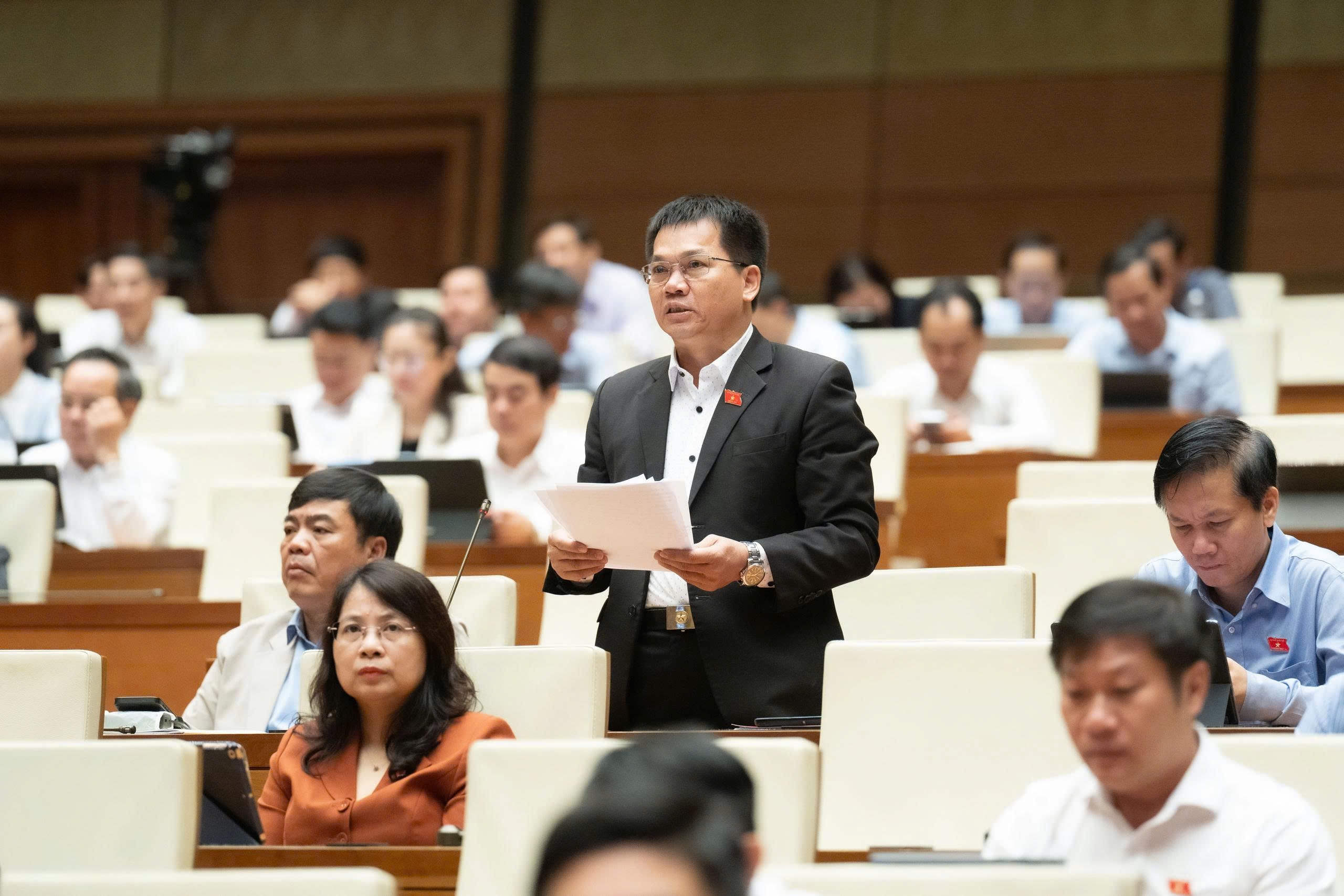
In addition, delegates proposed adding specific target groups to the list of those eligible for support, including: Victims (or those in the process of being identified as victims) of human trafficking; and individuals recommended for compulsory drug rehabilitation. For the elderly, specific criteria (such as lonely elderly people without support) should be reviewed instead of a broad, indiscriminate regulation, in order to focus resources on the right target groups.
Meanwhile, delegate Cao Thi Xuan ( Thanh Hoa delegation) argued that the current method of identifying eligible recipients for legal aid is still primarily based on fixed administrative groups, heavily reliant on management, and does not guarantee the "right" to proactively access information. She proposed a strong shift in support towards a system based on legal vulnerability; simultaneously, she suggested legalizing criteria for the quality of legal aid services, and researching an independent evaluation mechanism that assigns specific responsibilities to legal aid providers to ensure thorough assistance and protect the rights of citizens.
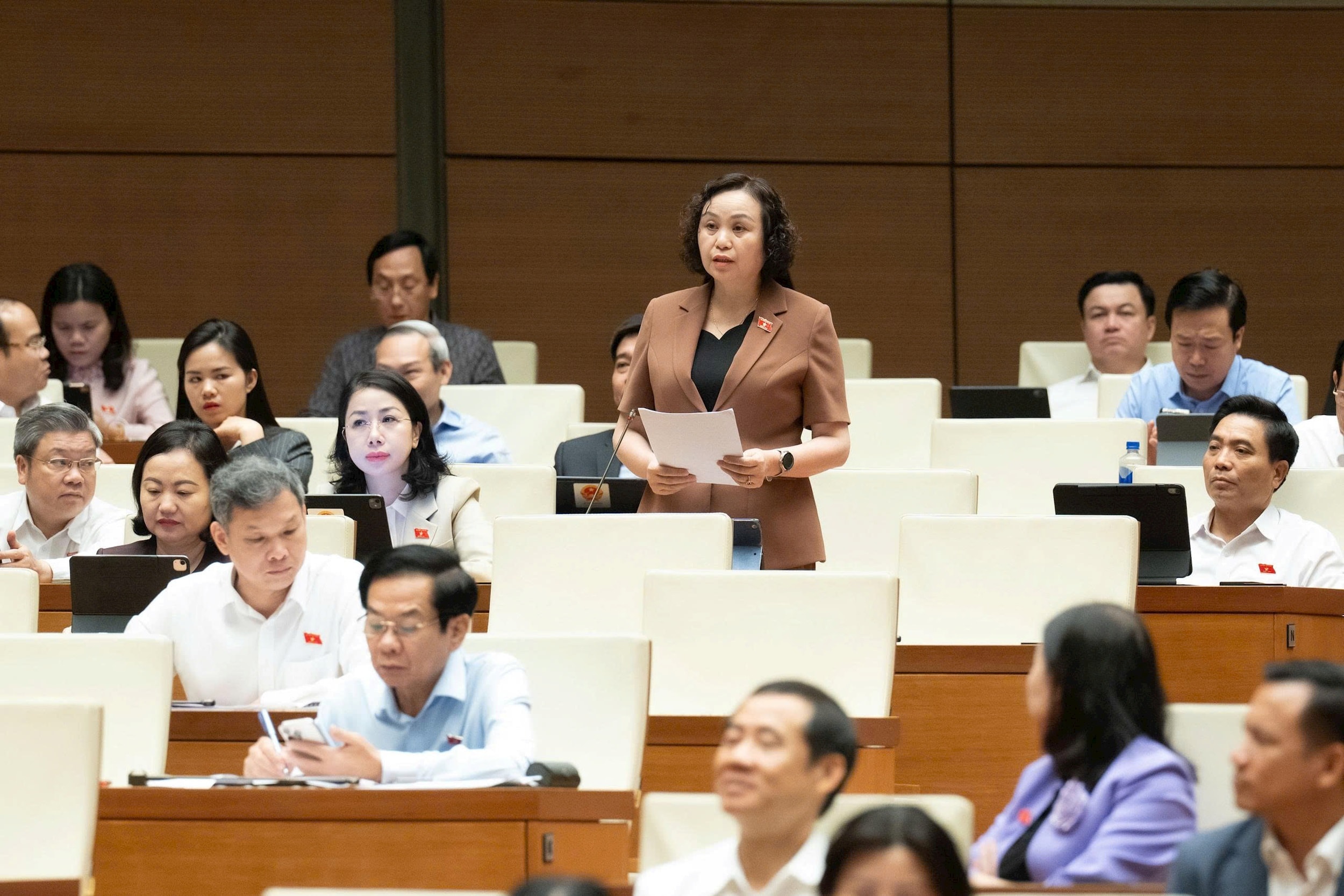
In addition, the delegates analyzed that, according to current regulations, legal aid is provided in all areas of law except for business and commercial law.



In the context of the Party and State promoting the development of the private economy, many people from impoverished households who wish to receive advice on investment, business loans, and economic activities to escape poverty urgently need legal assistance. Therefore, the representative proposed that the National Assembly allow the provision of legal assistance in the form of legal consultation in the field of business and commerce for poor households, near-poor households, ethnic minorities, and individuals engaged in business for a living.
Adding criteria regarding the professional competence of collaborators.
Representative Nguyen Thi Yen Nhi (Vinh Long Delegation) suggested that the drafting agency should study the possibility of legalizing the model of an inter-agency coordinating council on legal aid in litigation activities. According to the representative, including this provision in the Law is not merely a legislative technique but also reflects a shift in thinking: moving from "professional coordination" to "institutionalizing the State's responsibility" in protecting human rights.
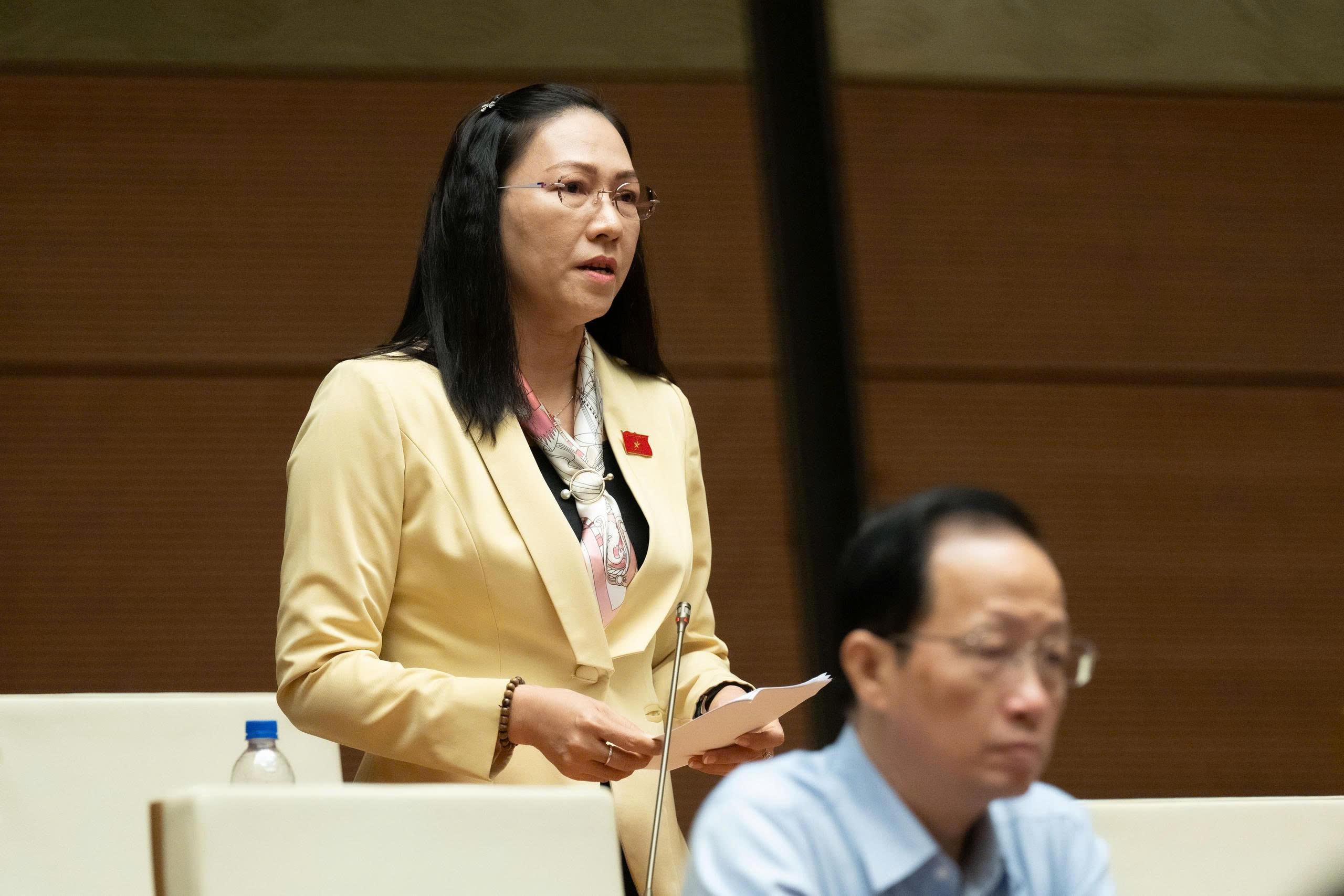
Commenting on the funding and budget for legal aid, delegate Doan Thi Le An (Cao Bang delegation) argued that the regulations in the draft Law are still merely a list of formalities, failing to clarify the actual allocation mechanism and establish a financial mechanism linked to output results; the regulations on supporting localities are still general and lack criteria for defining "complex work"...
Delegates proposed that the draft Law establish clear criteria for budget allocation, based on the number of people eligible for legal aid, the level of difficulty in the area, and the complexity of the case to ensure fairness; shift the allocation method to a system of commissioning or contracting based on work efficiency and case quality; promote socialization, establish a Legal Aid Fund, and implement tax exemptions and reductions to encourage the participation of legal practice organizations.

Stating that the draft Law does not yet stipulate professional competency standards and lacks a mechanism to control the activities of legal aid collaborators, Representative Le An proposed adding professional competency standards to ensure service quality; and also adding a mechanism to control and hold this team accountable.



Also concerned with this issue, delegate Duong Khac Mai proposed expanding the legal aid collaborator network to include working professionals with relevant legal expertise and allowing them to participate more deeply in complex cases if they meet the necessary conditions.
In particular, in the context of accelerating digital transformation, the issue of information security in legal aid files was a top priority for delegates. Because legal aid files contain a large amount of data, the law needs to clearly define the principles of confidentiality and the strict legal liability if information leaks occur; at the same time, more attention should be paid to the compensation system for legal aid providers.
Source: https://hanoimoi.vn/de-xuat-mo-rong-doi-tuong-tro-giup-phap-ly-744351.html