From Dan Tuong Mountain, Tuong Village was also formed and has existed in community life for many generations. Around the 19th century, the first inhabitants belonging to the Ly, Pham, and other families came here to clear land and establish a village. During the process of land reclamation, the need for a spiritual space to express faith and seek the protection of deities gradually arose, and thus the Tuong Temple was built. For many years, the temple has not only been a place of worship but also a center of cultural activities, a place of community cohesion, and a repository of memories about the formation of Hop Thanh area.
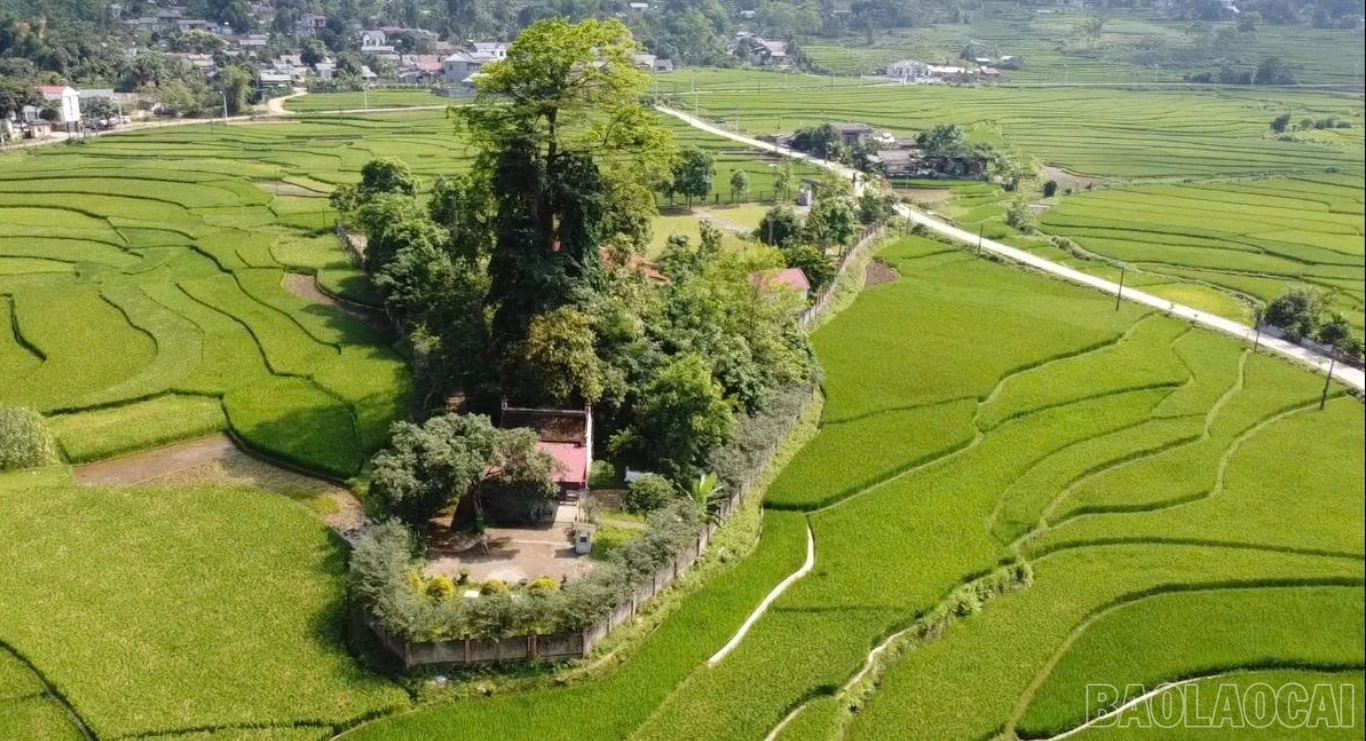
The temple faces northeast, with the Bat stream in front and the Dan Tuong mountain behind, creating a "mountain-backed, water-facing" landscape. Behind the temple are ancient trees providing cool shade, creating a beautiful landscape and holding spiritual significance in folk religious life.
The outstanding value of Tuong Temple lies in its worship system, deeply rooted in Vietnamese folk beliefs. The main deities worshipped at the temple are the Three Mountain Gods: Saint Tan Vien, Saint Cao Son, and Saint Quy Minh. These deities hold a special place in the folk religious life of the Vietnamese people for thousands of years, associated with the belief in worshipping supernatural forces that are sanctified to protect agricultural communities.
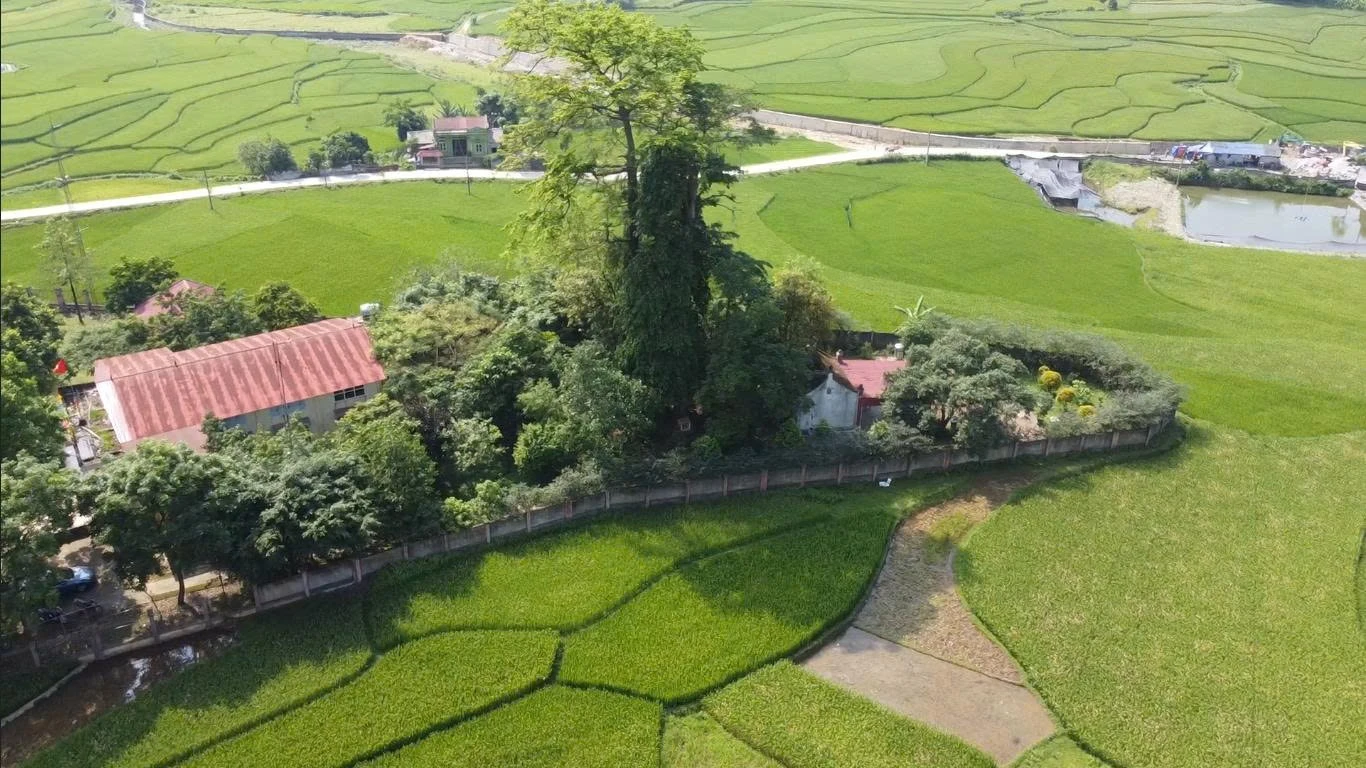
Besides the Three Mountain Deities, the Temple of Statues also houses the altars of eight Le Dynasty kings. According to documents in the scientific records of historical relics and the memories of the local community, these are believed to be kings of the Later Le Dynasty – the dynasty that swept away the Ming Dynasty's rule from the country, firmly protected the borders, built a highly centralized monarchical state, and made leaps forward in national independence, law, economy , and culture of Dai Viet.
Although the exact identities of each king worshipped at the Temple of the Mountain God are currently unknown due to the loss of original documents over time, the tradition of worshipping the spirits of the Tran kings has been maintained by the community through many generations, demonstrating respect for the ancestors who contributed to the nation. The combination of the belief in worshipping the Mountain God and the belief in honoring the emperors who made great contributions to the nation has created a unique feature in spiritual life, reflecting the blend of folk beliefs and national historical traditions.
The worship space inside the temple always maintains a solemn atmosphere. The main altar is arranged in the traditional order with the Three Mountain Gods in the center, and below them is the altar of the Five Tigers – symbolizing the five deities who govern the five directions and protect the sacred space of the temple.


In particular, the two side chambers are dedicated to the worship of the Ly and Pham families – who contributed to the founding and establishment of villages in this area, reflecting the distinctive worship of the village's tutelary deity. This is a unique feature that demonstrates the tradition of "drinking water, remembering the source," expressing gratitude to those who laid the foundation for the formation and development of the locality. Alongside these are the Earth God Shrine and the Water Goddess Shrine, reflecting the people's belief in worshipping deities who protect the land, water sources, and their lives.
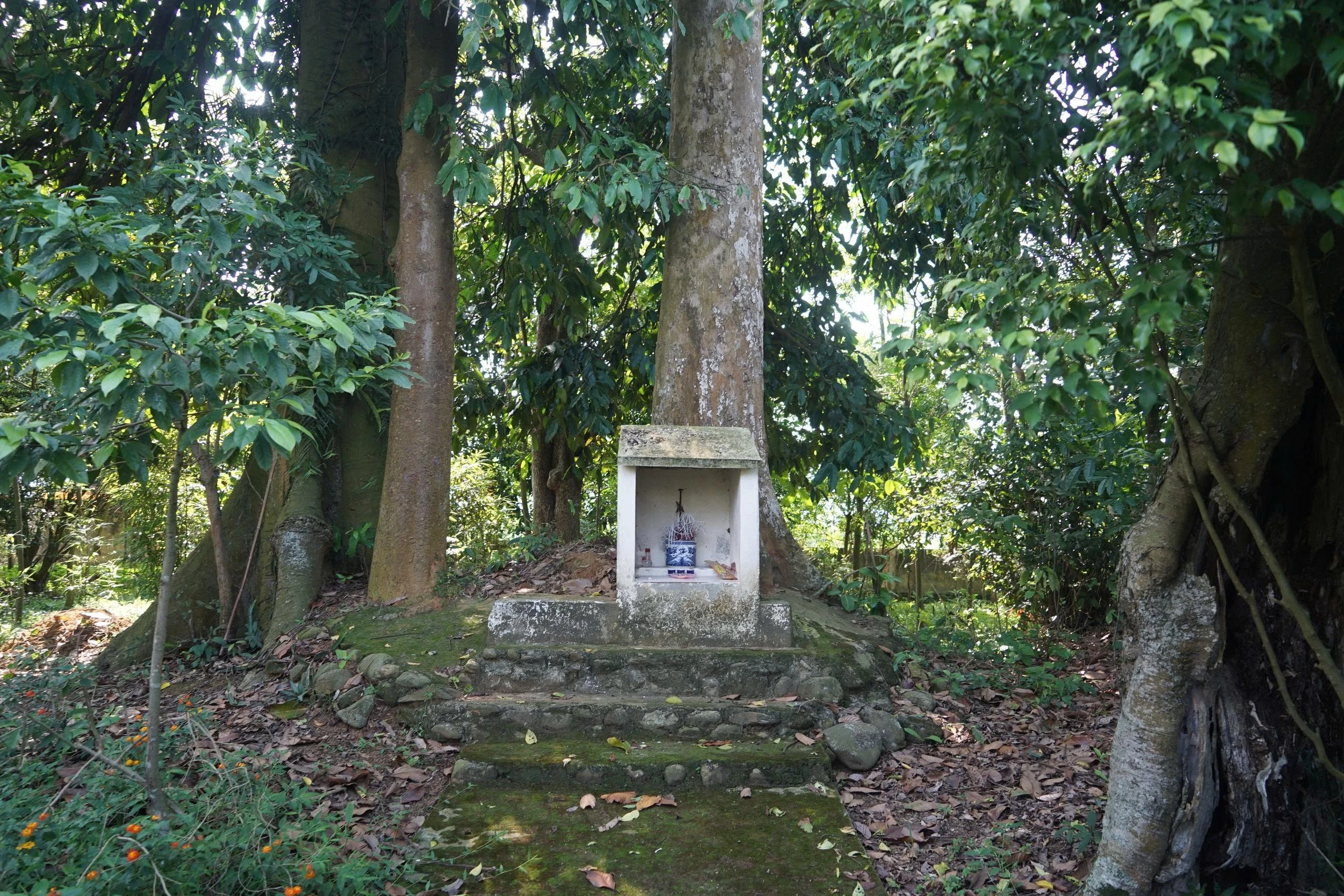
For decades, the temple served as a center of religious activity for the local people. However, historical upheavals affected religious practices there. By 1964, the old temple had deteriorated severely and completely collapsed. The physical structure was gone, but the people's faith remained. Local people still offer incense at the old temple site, continuing to tell their children stories about the deities, the festivals, and the traditional values associated with the temple.
In 2004, with the consensus of the government and the people, the Tuong Temple was restored to meet the religious needs of the community. This event marked the revival of a spiritual space that had been associated with many generations of local residents; it reflects the spiritual feelings, beliefs, and dreams of the people in preserving and promoting the sacred values of the monument.
Although not many original artifacts remain, the value of the Temple of Statues lies in the vitality of its heritage within the community. Stone slabs believed to be the foundations of the old temple, along with pottery fragments dating back to around the 17th century discovered behind the temple, are valuable material evidence that provides further basis for studying the history of the monument's formation and existence through various periods.
The greatest value of Tuong Temple lies in its collective memory, the continuous preservation of the belief in worshipping the Mountain God, the veneration of the Le Dynasty kings, the worship of the ancestors who pioneered the village and expanded the territory, and the indigenous folk worship practices that are still maintained today; the Long Tong festival is still held annually, and the principle of "drinking water, remembering the source" continues to be preserved in the local cultural life. This inheritance and enrichment over many generations reflects the long-term formation and development of the community in Hop Thanh, creating the unique character of Tuong Temple within the local cultural space.
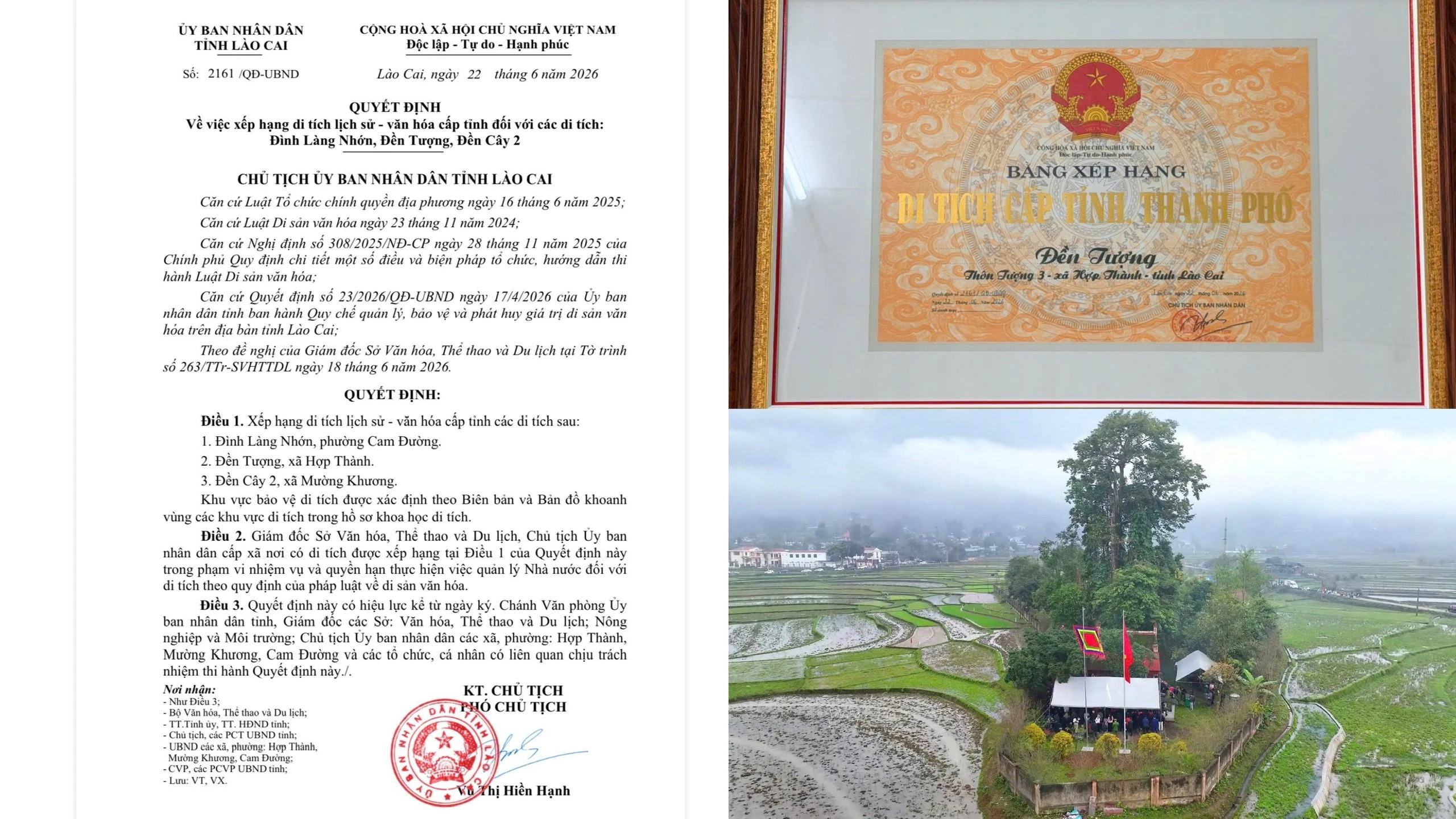
Recently, the Tuong Temple was classified as a provincial-level historical and cultural relic by the People's Committee of Lao Cai province. This is a well-deserved recognition of the historical, cultural, and religious values that the relic preserves. This is not only a recognition of a folk religious structure but also a recognition of the generations of people in Hop Thanh who have preserved the cultural flame of their homeland.



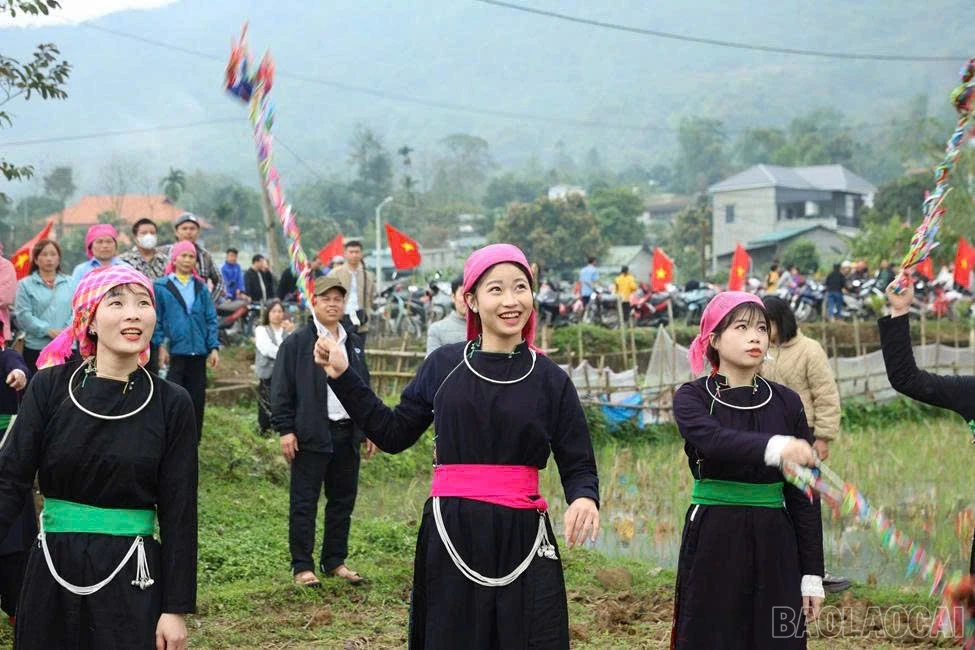
For over a century, amidst the vicissitudes of history, the Temple of Statues has quietly stood at the foot of Dan Tuong Mountain, a historical and cultural witness to the Hop Thanh region. The Bat stream still flows day and night through the mountains and forests. The Long Tong season returns with the Hop Thanh rice festival, a time of hope for a peaceful and prosperous new year. The smoke of incense still lingers in the sacred space of the temple, connecting the present with the past, linking today's generations to their ancestral roots and the lifeblood of the land.
Source: https://baolaocai.vn/den-thieng-duoi-chan-nui-dan-tuong-post902783.html
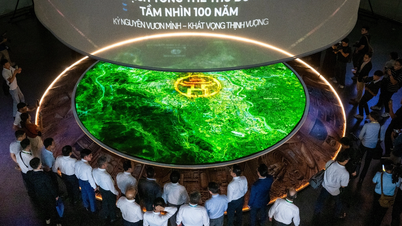
![[Image] A look back at the capital's preparations for the century-long master plan.](https://vphoto.vietnam.vn/thumb/1200x675/vietnam/resource/IMAGE/2026/06/29/1782750453122_quy-hoach-100-nam-minh-duy-1-2118-jpg.webp)
![[Photo] National Assembly Chairman Tran Thanh Man attends the Conference to announce the Master Plan for Hanoi Capital City with a 100-year vision.](https://vphoto.vietnam.vn/thumb/1200x675/vietnam/resource/IMAGE/2026/06/29/1782709639728_ndo_br_1-jpg.webp)
![[Photo] General Secretary and President To Lam works with the Party Committee of the Government on the work of preventing and combating storms, floods, extreme natural disasters and climate change.](https://vphoto.vietnam.vn/thumb/1200x675/vietnam/resource/IMAGE/2026/06/29/1782729441945_a1-bnd-0385-9454-jpg.webp)










































![[Image] Building an elevated road through the Ma Da forest.](https://vphoto.vietnam.vn/thumb/402x226/vietnam/resource/IMAGE/2026/06/29/1782724737750_anh-man-hinh-2026-06-29-luc-16-18-43.png)