

The victory at Dien Bien Phu is not only a glorious milestone in the nation's history but also an endless source of inspiration, unleashing a powerful current in Vietnamese literature. Within this current, local literature contributes its own unique, authentic, and vibrant colors. Through the novels of writer Nguyen Hien Luong and the six-eight syllable poems of author Le Van Cuong, readers once again relive those historical moments, where national will intertwines with love for the homeland.
In the Dien Bien Phu campaign (a chapter in the novel "The Market Village"), writer Nguyen Hien Luong chose a direct yet subtle perspective to recreate the arduous struggle of our army and people. The work is set against a backdrop of turbulent history when the French colonialists, with the support of the US, were trying to salvage their predicament with the Nava plan. The construction of Dien Bien Phu as an "impregnable fortified complex" with the ambition of strangling the resistance forces transformed the Muong Thanh valley into a global focal point. Faced with this situation, the Central Party Committee and the Government's decision to launch strategic offensives created a massive shift in military forces.
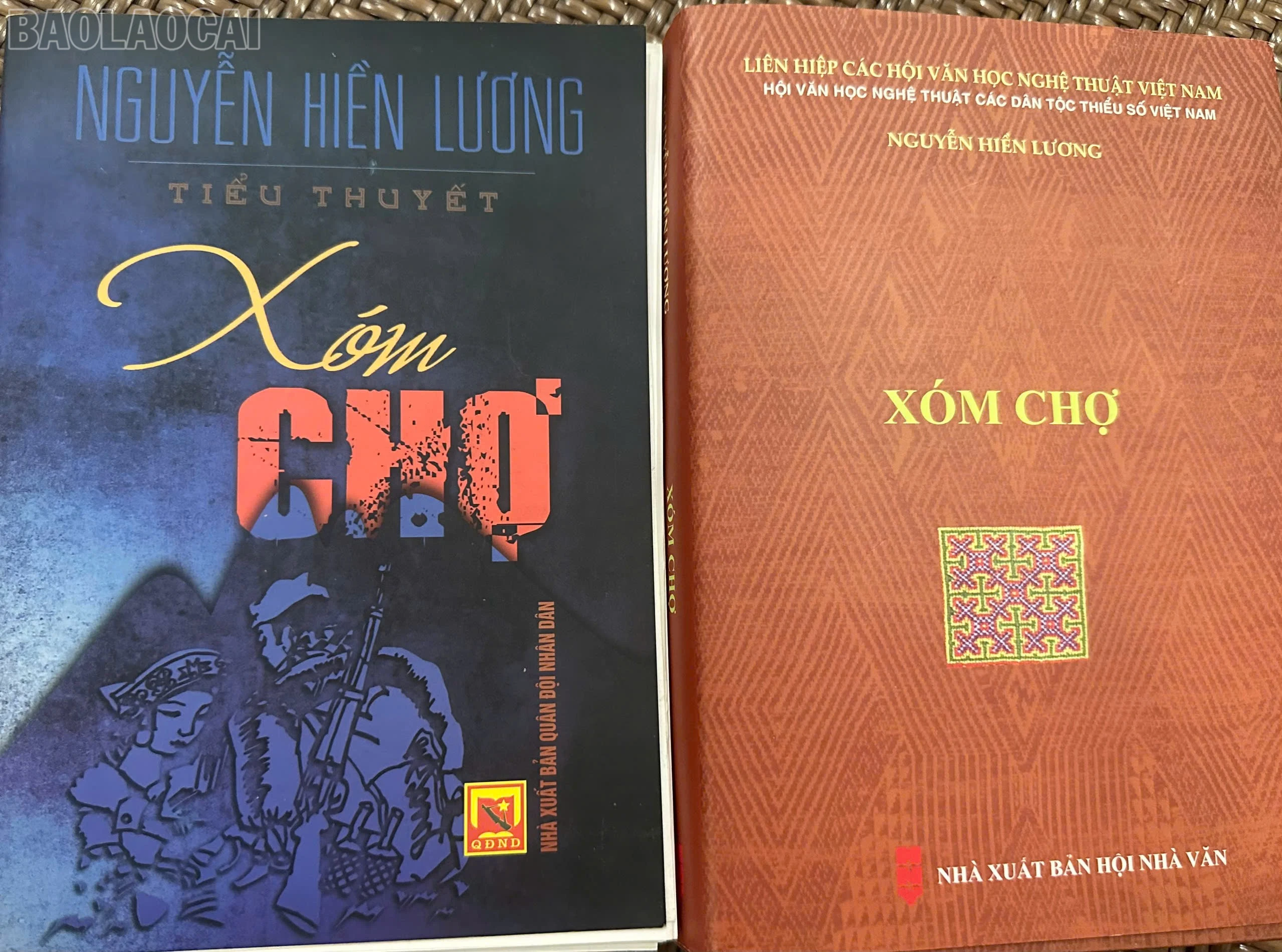
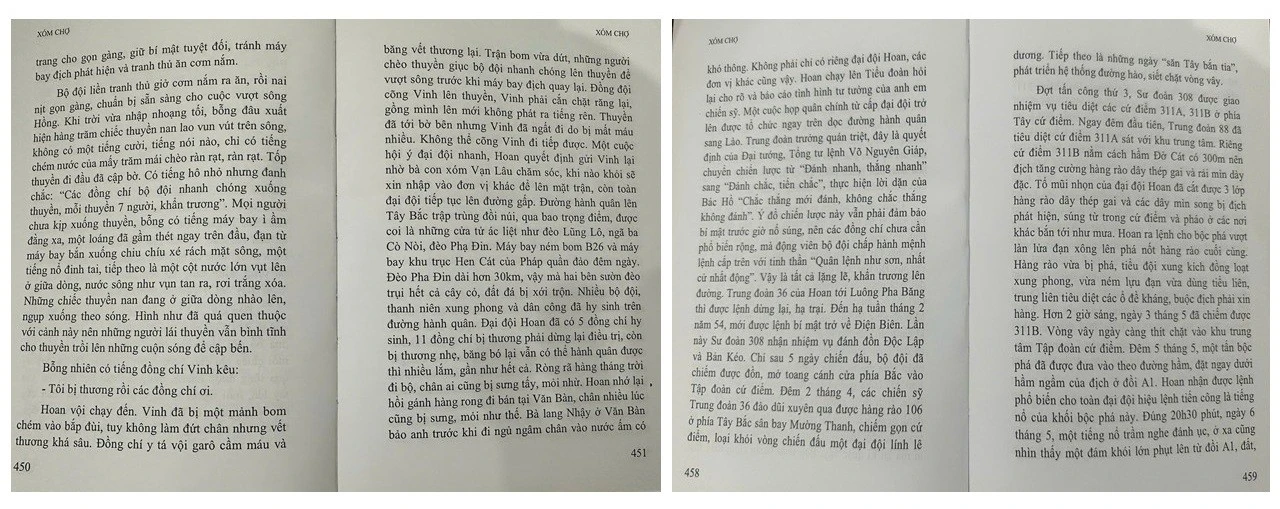
The character Hoan and his unit, belonging to the 308th Division in the novel "The Market Village," are typical representatives of the youth generation of the Ho Chi Minh era. The rapid march from Yen Bai (now part of Lao Cai province) to the Northwest is realistically described in detail by the writer Nguyen Hien Luong. It depicts sleepless nights, hurried steps facing countless dangers from bombs and bullets at the Red River crossing, where "bomb pockets" lurked, ready to devour the ferries. Places like Pha Din Pass and Co Noi Junction appear as "death traps," where life and death are separated by only a hair's breadth. However, the ferocity of the battlefield could not extinguish the iron will of these young soldiers.
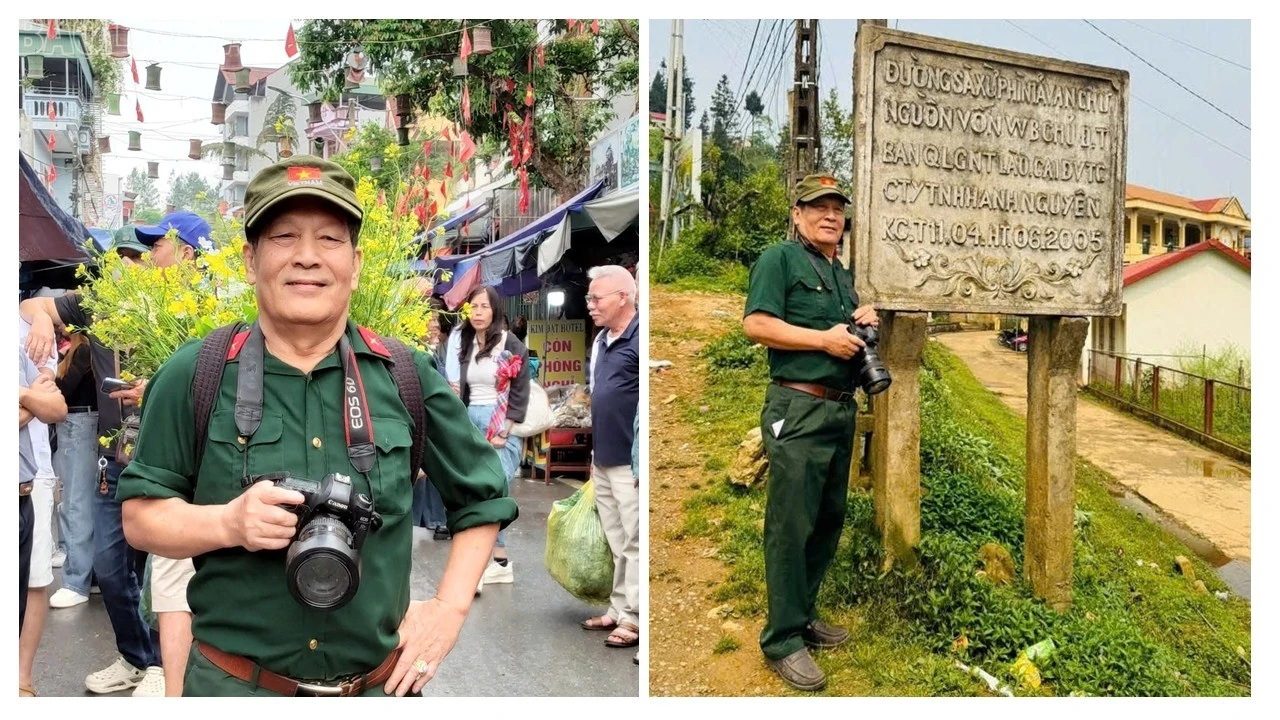
Besides depicting the ferocity of the battle, writer Nguyen Hien Luong also devoted emotionally charged pages to the bond between soldiers and civilians – the underlying force that fueled the strength of the resistance. Everyday details, such as Hoan's initiative to soak his feet in saltwater to alleviate fatigue from the long journey, or the attentive care and sharing of cassava and sweet potatoes by the people for the wounded, became invaluable sources of moral support. It was this mutual support that transformed Dien Bien Phu into the most steadfast battleground of popular support.
The turning point of the campaign is vividly portrayed by writer Nguyen Hien Luong through General Vo Nguyen Giap's historic decision: to shift the combat strategy from "Attack quickly, win quickly" to "Attack surely, advance surely." This was a carefully considered decision, demonstrating outstanding military foresight and a deep sense of responsibility for the lives of the soldiers. After a period of feigning attacks in Laos, Hoan's unit returned to directly participate in capturing key strongholds. The trench digging and encirclement battles, the close-quarters fighting tightening the siege around the center of Muong Thanh, are described with a rapid pace, immersing the reader in the suffocating atmosphere of the battle.
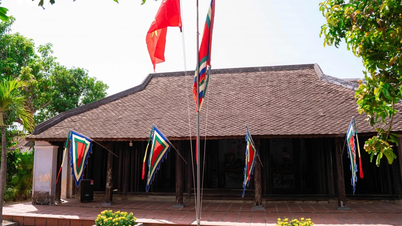
The campaign ended gloriously on the afternoon of May 7, 1954, when our troops completely took control of the De Castries bunker. The image of soldiers setting foot on the roof of the defeated general's bunker, with the "Determined to Fight - Determined to Win" flag flying high in the Dien Bien Phu sky, carries profound symbolic meaning. It ended 80 years of enslavement under French colonial rule, affirming the strength of the national will and aspiration for freedom. The excerpt concludes with a moving encounter between President Ho Chi Minh and the soldiers at Hung Temple on their way back to take over the capital. His admonition: "The Hung Kings built the nation; we, their descendants, must together preserve it" is not only a summary of the value of the Dien Bien Phu victory but also a rallying cry, opening a new chapter in the nation's history.
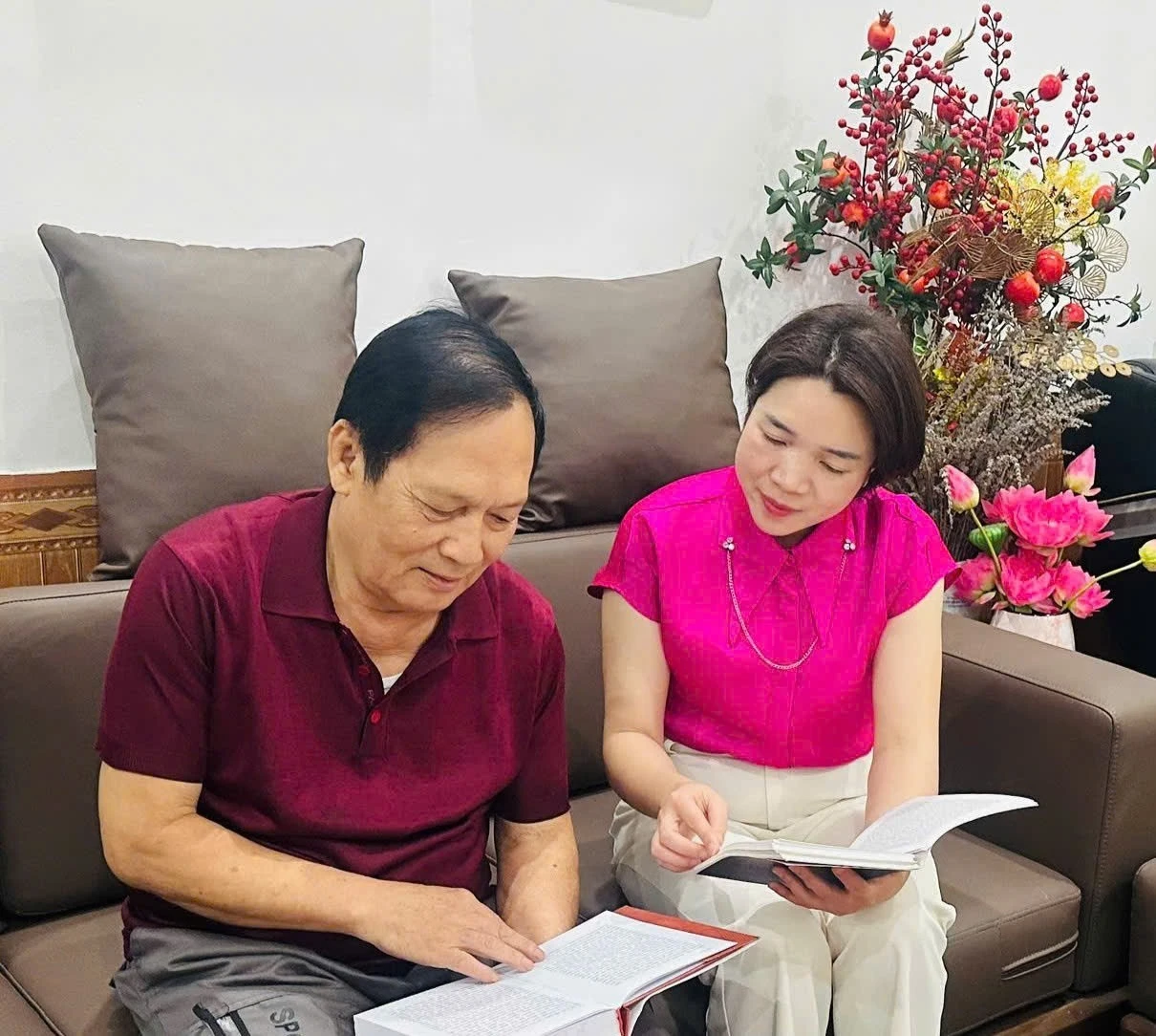
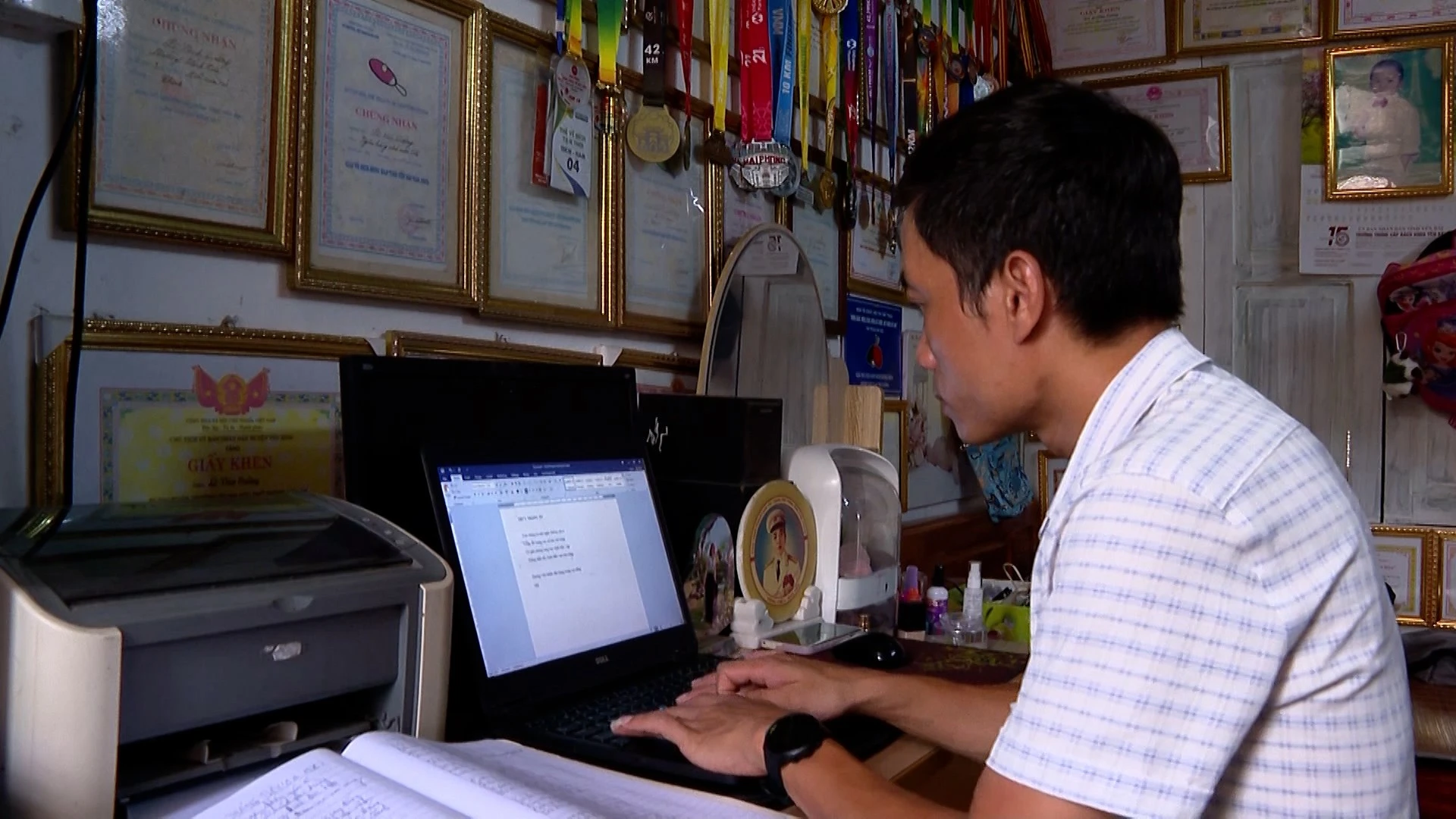
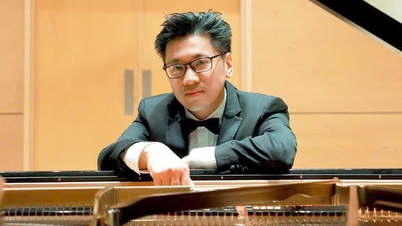
Besides prose, local poetry also plays an important role in preserving the memory of Dien Bien. Author Le Van Cuong, a son deeply committed to historical poetry, has used the traditional six-eight verse form to recreate the flow of the national epic.
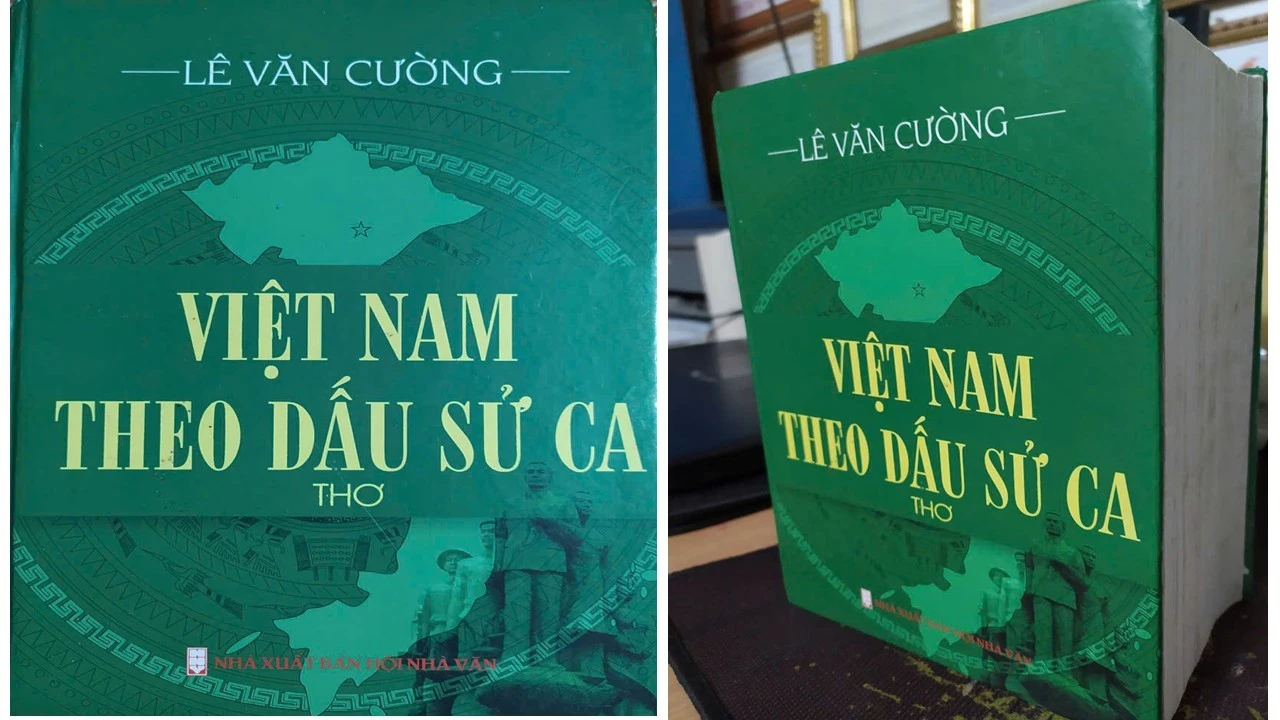
The book "Vietnam Following the Footsteps of Epic Poems" recreates Vietnamese history from prehistoric times to 2016 with 36,888 verses. The work has been recognized by the Vietnam Record Organization as the longest historical work written in lục bát (six-eight syllable) verse. In it, the author dedicates an entire chapter to the victory at Dien Bien Phu, using verses that are both simple and solemn: "Dien Bien Phu's general offensive / The historic campaign begins."
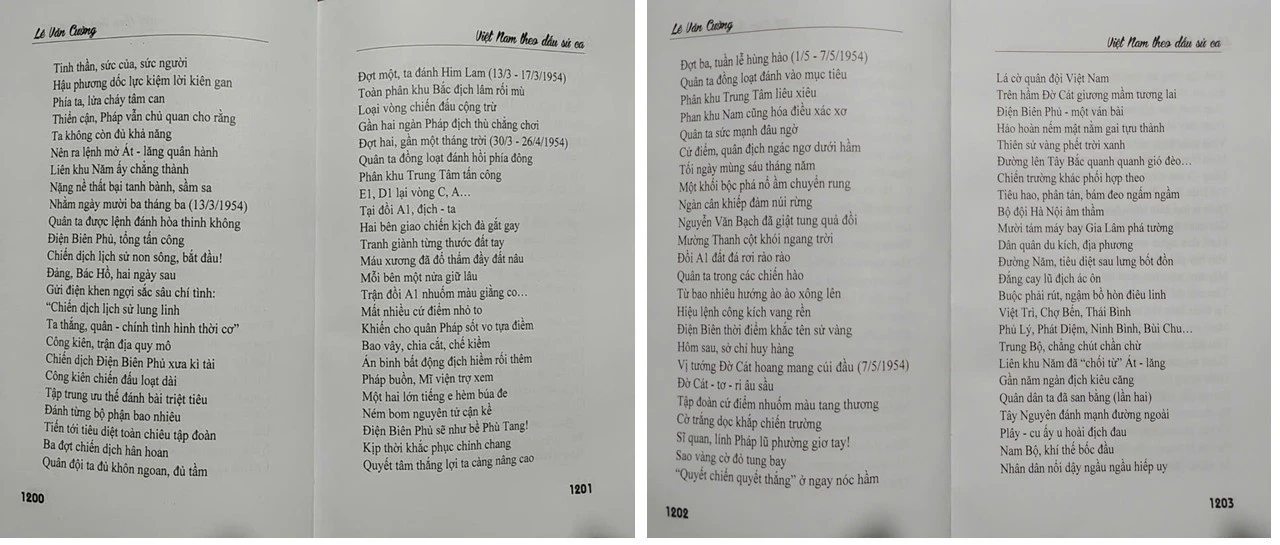
Not stopping at just numbers, the author skillfully weaves the unfolding events of the subsequent attacks into the graceful rhythm of the six-eight syllable verse:
...The second phase lasted almost a month (March 30 - April 26, 1954)
Our troops launched a simultaneous attack from the east.
The choice of the lục bát (six-eight) verse form – a familiar poetic form of the Vietnamese people – to write about a victory of epochal significance is a clever and deliberate choice. The verses of author Lê Văn Cường are rich in evocative power, transforming the brutal dates and places into a melody of the soul.
This approach offers profound educational value, especially for the younger generation. Instead of having to memorize dense, detailed historical texts, readers can absorb their ancestors' traditions through rhyming verses, thereby fostering pride and understanding of the value of peace and independence.
Amidst the flow of the new era, these works serve as a bridge connecting generations. For the older generation, they are a place to rediscover the memories of a glorious past; for the younger generation, they are a textbook in the spirit, teaching patriotism in the most natural and profound way.
The spirit of Dien Bien Phu, therefore, never grows old – it continues to flow, present in every word and verse, reminding us of our responsibility to preserve and promote the values that our ancestors sacrificed their blood and tears to build, so that the spirit of Dien Bien Phu will forever resonate in the hearts of every Vietnamese person.
Source: https://baolaocai.vn/dien-bien-phu-trong-dong-chay-van-hoc-lao-cai-post899150.html






































































Comment (0)