

 |
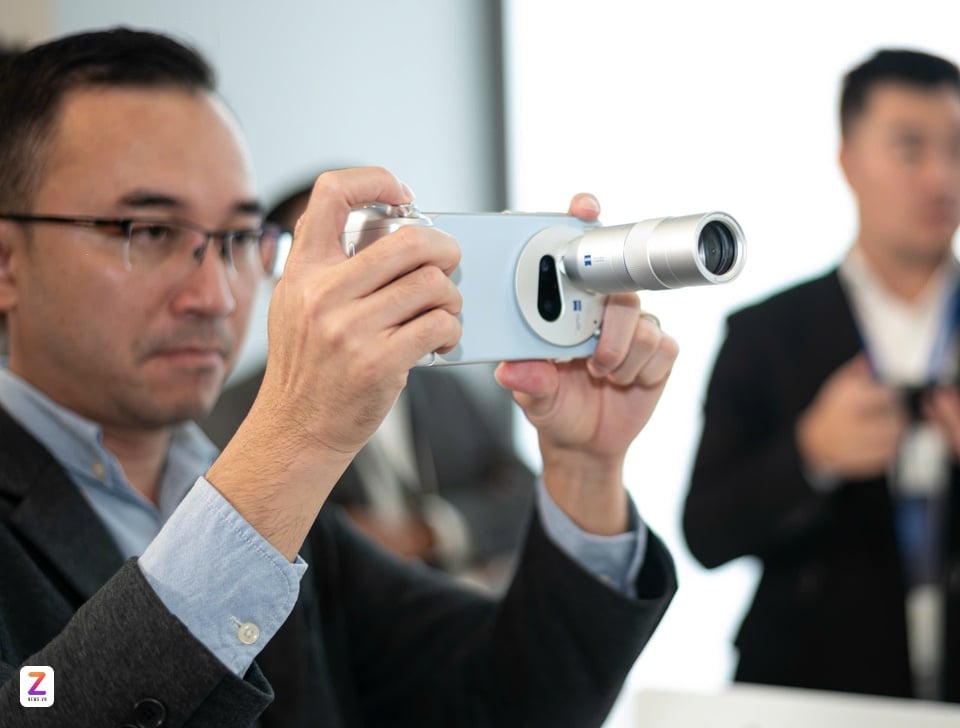
The Vivo X300 series has just gone on sale in Vietnam. |
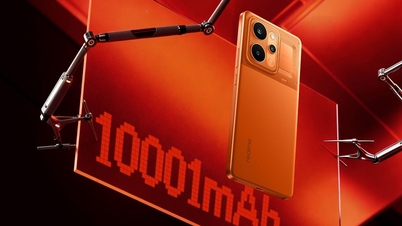
On November 19th, Vivo launched the X300 and X300 Pro in Vietnam. After three years, this high-end phone series from the Chinese brand is finally being sold officially. In the high-end phone race, this series boasts high specifications, a large battery, and a better camera. However, the software changes are what offer the most significant improvement in user experience.
Specifically, the models sold in Vietnam come pre-installed with OriginOS instead of the previous Funtouch interface. Vivo's user interface has previously been criticized by users for being outdated, lacking features, and not being smooth. What's even more frustrating for customers is that the Chinese domestic version of the models runs on the more stable and feature-rich OriginOS operating system.
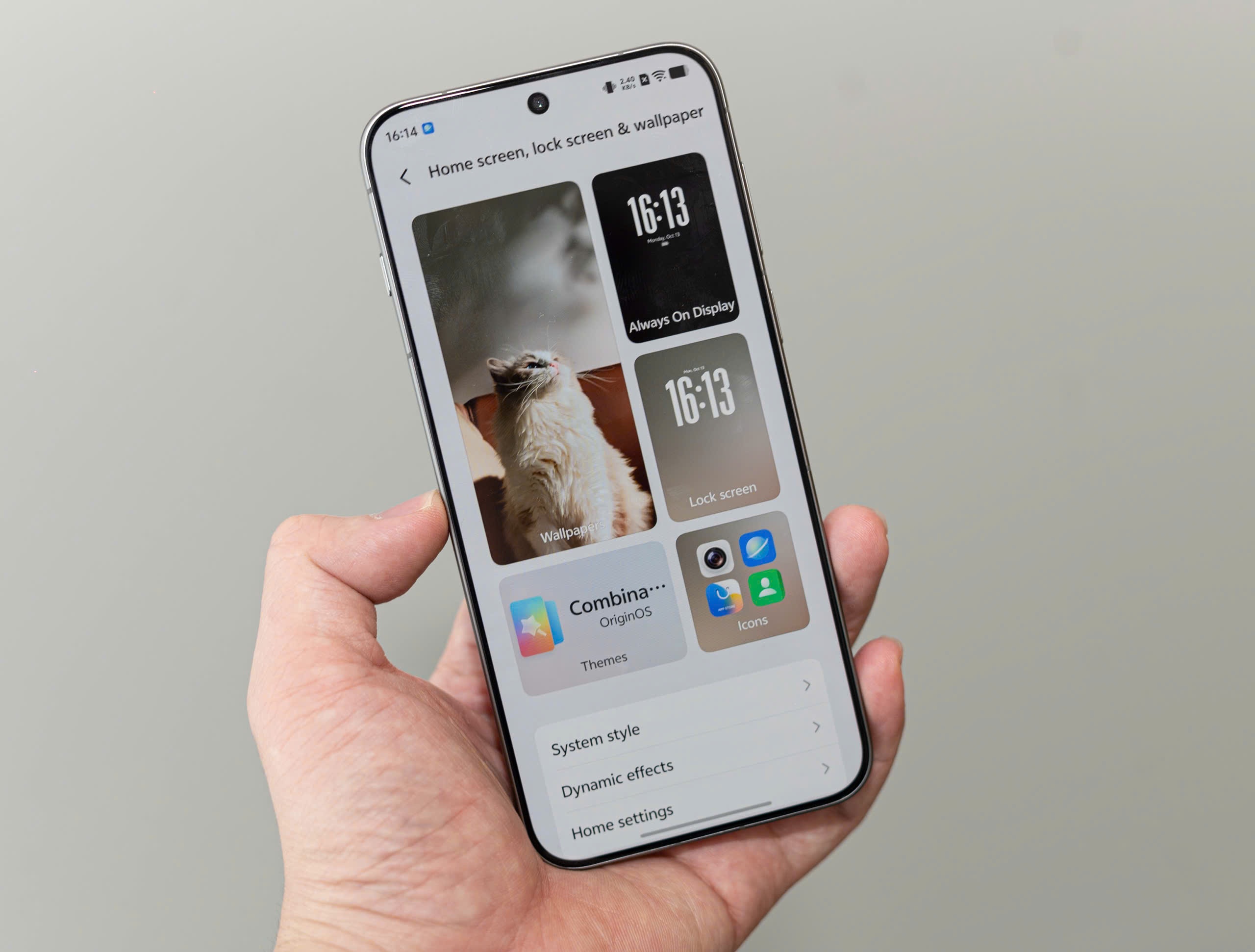 |
The OriginOS user interface is smoother and more feature-rich than Funtouch. |
Similarly, Oppo's ColorOS, installed on the recently released Find X9 series, is no longer the version criticized by users on the F-series or Reno models. This operating system from the company had long suffered from issues with smoothness, excessive features, and overly flashy designs.
After years of investment, Chinese brands like Vivo and Oppo have made significant improvements to their software. Beyond graphics, the transition effects, which greatly impact device smoothness, have been completely redesigned. For those unfamiliar with Android phones, the responsiveness of these Chinese flagships might surprise them.
Among the three major Chinese brands in Vietnam, Xiaomi is still struggling with HyperOS. Since switching to the new operating system, the manufacturer has focused on expanding its functionality within its ecosystem, including smart homes and electric vehicles. In return, investment in smoothness and stability has been neglected. With the same configuration, phones running HyperOS 2.0 are often not as smooth as those from Oppo or Vivo.
Furthermore, these companies also tend to copy and try to penetrate the Apple ecosystem, their biggest competitor in the high-end segment. The Find X9 and Vivo X300 series both have their own Dynamic Island versions or the ability to AirDrop directly with iPhones. Vivo's model, in particular, connects and is compatible with MacBooks, AirPods, and Apple Watches.
The upgraded software experience has given Chinese manufacturers more confidence in pricing. Models like the Find X9 and X300 are comparable to the iPhone 17. The Pro variant is also priced above 30 million VND, approaching the iPhone Pro Max. The sales of several thousand units in the initial launch show that there is still a group of Vietnamese customers who appreciate Chinese flagship phones with their innovative features and unique cameras.
However, these products need to prove themselves in the long run. Maintaining sales for many months and continuing to launch flagships annually is what proves a brand's success. This is a difficult challenge for these manufacturers, given Apple's dominance in the high-end segment in Vietnam.
Source: https://znews.vn/dien-thoai-vivo-doi-thay-tu-loi-post1605053.html




























































































Comment (0)