

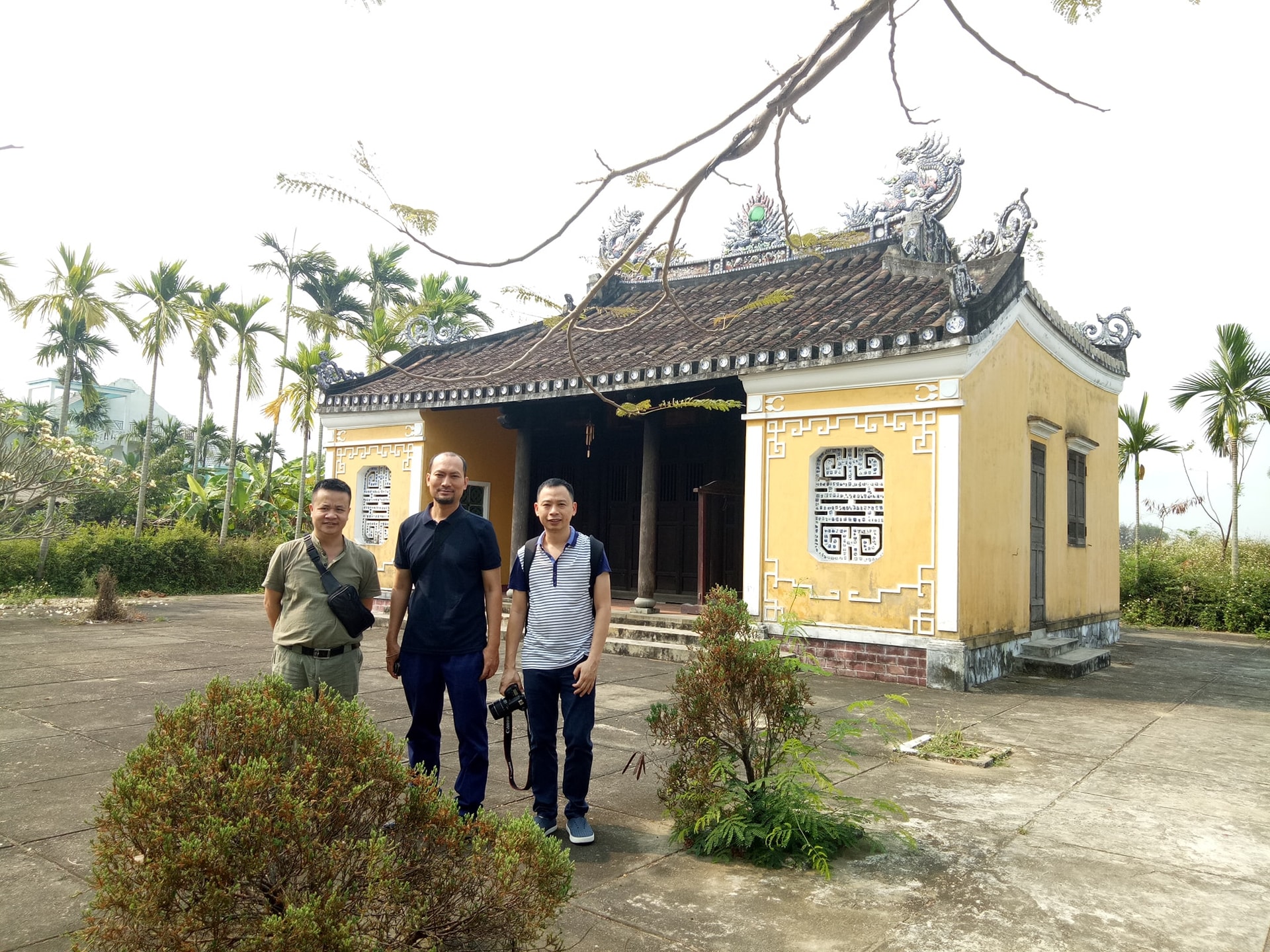
When young people explore their roots
The story of the Vietnamese Village Club began on September 1, 2014, when artist and art researcher Nguyen Duc Binh initiated its establishment on Facebook. From a small exchange forum, the club has grown remarkably with over 36,000 members, becoming a widely influential voluntary club.
The strength of Vietnamese village communal houses lies in the diversity and cohesion of their members. This network not only brings together scientists , architects, and artists, but also attracts a large number of students and young people eager to learn about their roots.
Notably, the membership list is not limited to domestic members but also extends to the Vietnamese diaspora abroad and foreigners living and working in Vietnam. This diversity in professions, ages, and regions has ensured that the group's activities go beyond simply sharing theoretical knowledge and remain closely aligned with the realities of life.
One of the core activities that defines the club's identity is field trips to historical sites. These trips become practical learning sessions where knowledge of architecture and sculpture is exchanged directly, helping members accumulate experience in research and conservation.
It was through these field trips that the club became a keen and responsible channel for social monitoring. In 2015, the exhibition "Vietnamese Village Temples - What Remains and What Has Been Lost," held in Hanoi, created a huge stir by showcasing hundreds of photographs reflecting the heartbreaking reality of these historical sites. The exhibition not only highlighted the exquisite beauty but also pointed out the mistakes in restoration and the alarming deterioration, drawing attention to state management agencies and the community.
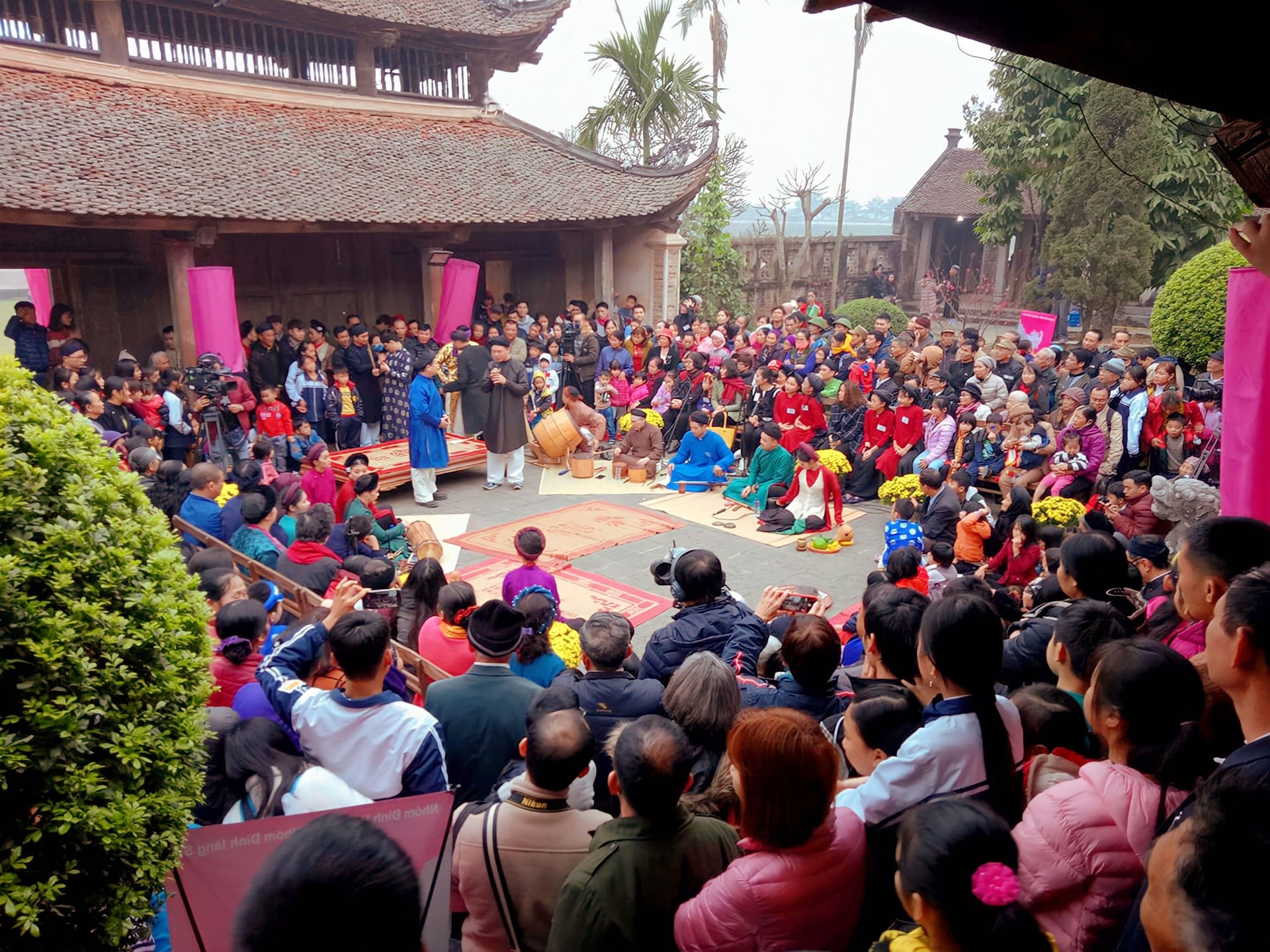
Reviving the "soul" of the old communal house.
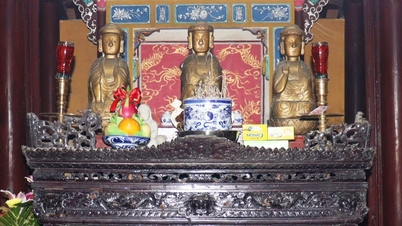
The founders of the Vietnamese Village Temple Club have always believed that the value of a village temple lies not only in its stunning architecture but also in the vibrant cultural space surrounding it.
Through their research, the club has conveyed the awareness that the cultural values surrounding the village communal house need strong community participation in preservation and promotion. The slogan "Return folk heritage to folk heritage" was put forward by the members and implemented through concrete actions. Therefore, the club has strived to deepen the restoration of intangible cultural values.
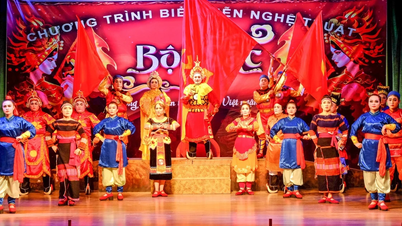
The establishment of the Vietnamese Village Temple Guild, headed by People's Artist Doan Thi Thanh Binh, is a prime example of the effort to revive intangible cultural values associated with the village temple space.
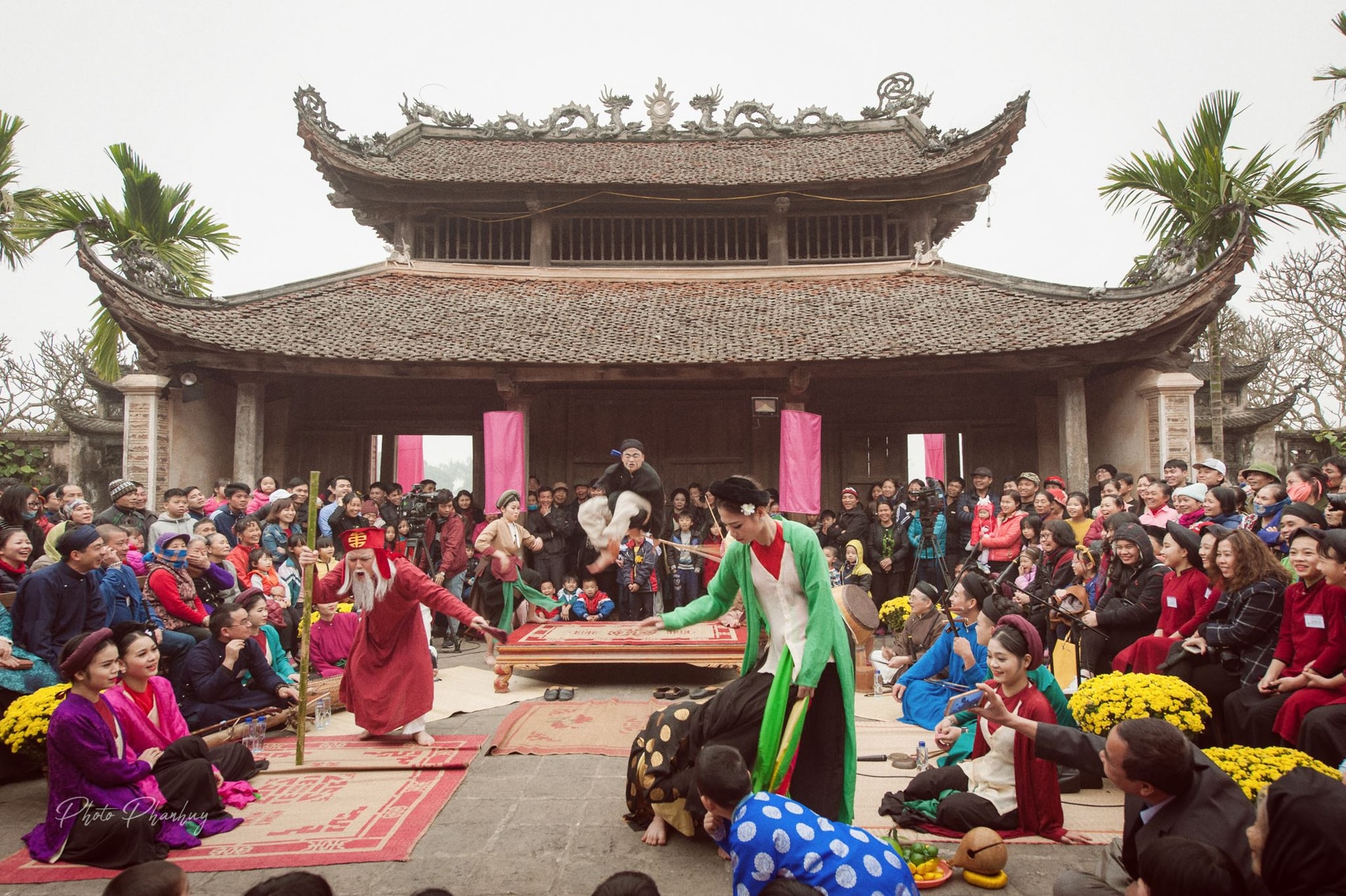
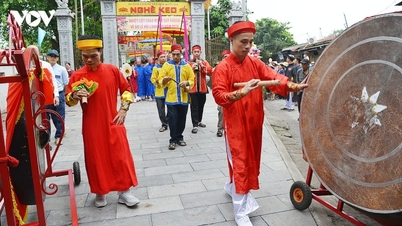
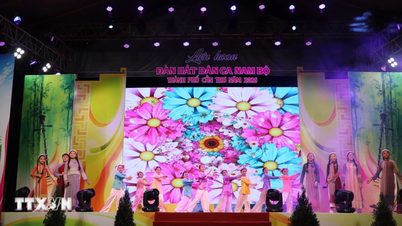
Thanks to the dedication of artisans and artists, many traditional performance forms such as temple gate singing and courtyard opera have been restored and brought back to be performed in their original cultural spaces.
Furthermore, the Vietnamese Village Club is also a leading organization in the movement to revive the traditional five-panel ao dai (Vietnamese long dress). Through research, connecting with artisans, and organizing practical activities, the club has contributed to bringing this garment back into contemporary life, while encouraging the development of creative products based on heritage, aiming to preserve cultural identity and traditional aesthetic values.
Preserving village communal houses is not solely the responsibility of management agencies or experts, but requires the collective effort of the entire society. For heritage to truly "live" and for the communal house not to become a ruin, related values such as customs, festivals, costumes, and performing arts need to be maintained, practiced, and continuously passed down through generations.
The architectural space of the village communal house should not be isolated, but should have its role expanded in community life, becoming a place for regular interaction and connection among the people. This natural connection will foster a sustainable awareness of heritage protection.
For over a decade since its inception, the operational model of the Vietnamese Village Temple Club demonstrates that heritage is not something frozen in the past, but rather a living entity that needs to be nurtured by the spirit of the times. For heritage to survive, and for the village temple to continue standing as a symbol of national pride, the tangible and intangible values associated with it must be preserved as a unified whole.
Village communal houses are inseparable from the sounds of communal house singing, from the presence of traditional five-panel ao dai dresses, and from the community-bonding festivals. The club's persistent efforts to revive these values are not only about reminiscing about a glorious past, but also about passing on cultural heritage to future generations, helping them confidently integrate without being assimilated.
Source: https://baodanang.vn/ket-noi-nguoi-yeu-di-san-3331091.html



























































































Comment (0)