 |
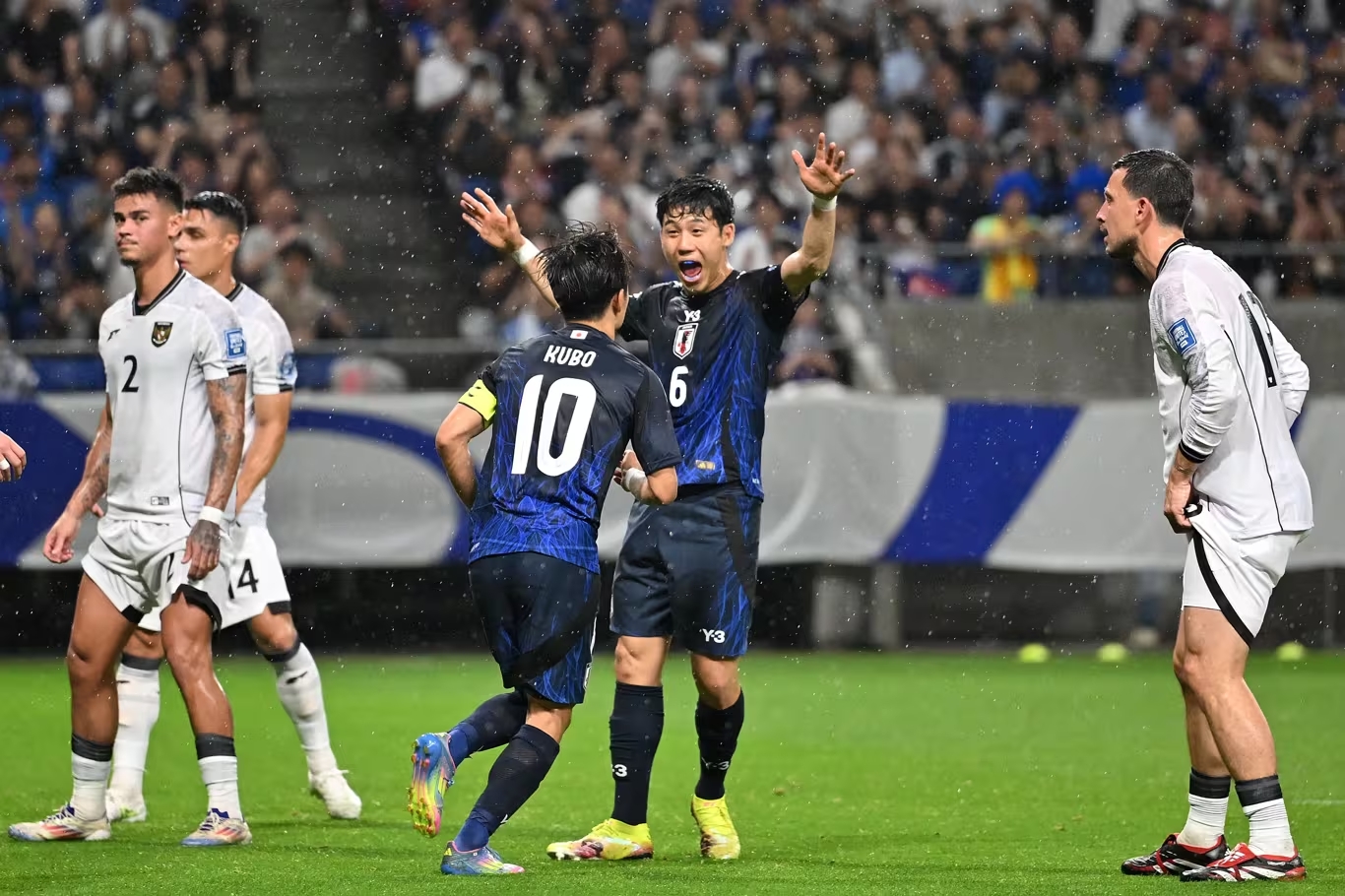
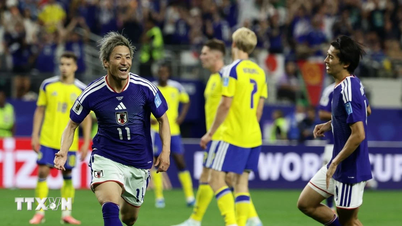
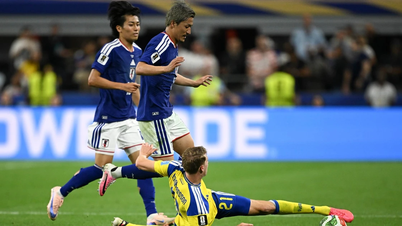
| Japan (in blue) - one of the teams that could spring a surprise at this World Cup. Photo: FIFA |
Moriyasu is a coach known for his pragmatism and cold-blooded discipline. This has greatly influenced the playing style he has built for the Japanese national team over the years. But besides pragmatism, the "Samurai Blue" are also quite creative and flexible in their operation between the 4-2-3-1 and 3-4-2-1 formations, in which the system of 3 central defenders and 2 central midfielders creates whirlwind attacks on both flanks.
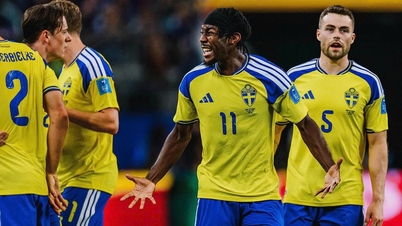
On the other side of the pitch, Sweden favors a balanced and dominant style of play with a 4-2-3-1 or 4-3-3 formation. In these two formations, the Nordic representatives proactively control the ball, press high up the pitch, and make the most of the strength of their attacking trio Alexander Isak, Viktor Gyokeres, and Anthony Elanga.
Although both teams play a pressing game, their approaches are completely different. Japan presses to win the ball back and then launch quick counter-attacks, while Sweden presses to maintain control and impose their game. This makes the midfield the decisive battleground.
Heading into the 2026 World Cup, the "Blue Samurai" possess one of the best defensive midfielders in Asia today: Wataru Endo. Endo's role is not only about intercepting passes but also about controlling the tempo of the game, shielding the defense, initiating attacks, and transitioning between phases of play.
However, facing Sweden presents a huge challenge for Endo because Sweden possesses an attacking duo capable of operating widely and constantly switching positions. Alexander Isak has individual technique and speed, while Viktor Gyokeres is strong in physical play, dribbling, and finishing.


The key lies with Endo. If he can neutralize Isak, Japan will have an easier time. Conversely, if Sweden's midfield dominates, Japan's defense will be under immense pressure from aerial balls and one-on-one challenges.
 |
| Sweden – Japan's rival in Group F. Photo: FIFA |
While Sweden is strong in the midfield, Japan possesses an abundance of unpredictability on both flanks. The mobility of Takefusa Kubo, Ritsu Doan, and Junya Ito is always a nightmare for any defense, thanks to their skillful dribbling and unexpected cuts into the center for shots or assists.
Interestingly, this Japanese weapon is a "knife" that cuts directly into Sweden's "Achilles' heel." The Nordic team favors an attacking style of play and is willing to push their formation very high up the pitch. This will be the perfect opportunity for the Japanese wingers. If Kubo has enough space to turn towards the opponent's goal, Sweden's tall but slow-reacting central defenders will immediately be on high alert.
With their advantage in aerial ability, Sweden will undoubtedly constantly bombard Japan with long balls, making the most of set pieces to punish them, and subjecting center-backs like Hiroki Ito and Tsuyoshi Watanabe to a grueling physical ordeal. And just a moment of lapse in concentration, Gyokeres or Isak could make the Asian representatives pay dearly.
However, Japan possesses something that the Swedes always fear: their tenacity. Their resounding victories against England and Brazil in the past are proof of how well the "Blue Samurai" can withstand blows. They may be at a disadvantage in terms of physique, but their Samurai spirit and extremely high level of organization always help them stand firm at the most difficult times.



And for 90 minutes in Dallas, this will be a high-paced game with powerful attacking exchanges. With this kind of game, the outcome could be decided by the composure and experience of the Asian representative.
Source: https://huengaynay.vn/the-thao/bong-da/dieu-ma-dai-dien-bac-au-khong-co-166474.html
























![[Image] Ho Chi Minh City: Ma Lang area, Chicken-Rice Market about to change its appearance](https://vphoto.vietnam.vn/thumb/1200x675/vietnam/resource/IMAGE/2026/06/25/1782377698627_ndo_br_m1-jpg.webp)