

Treatments for myasthenia gravis, such as immunosuppressant drugs and thymectomy, help reduce symptoms like muscle weakness, drooping eyelids, difficulty chewing, and choking while swallowing.
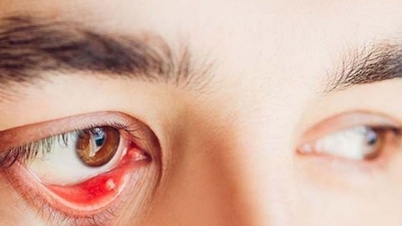
Myasthenia gravis is a chronic but treatable neuromuscular disease. Common symptoms include progressive drooping of both eyelids, paralysis of the masticatory and pharyngeal muscles, difficulty speaking, and paralysis of the oculomotor muscles causing double vision. Patients often experience poor appetite, constant fatigue, reduced or lost concentration, and difficulty integrating into society.
Dr. Nguyen Ngoc Cong, Department of Neurology, Center for Neuroscience , Tam Anh General Hospital, Ho Chi Minh City, said that the disease can cause several complications such as difficulty swallowing, impaired coughing and expectoration, pneumonia, respiratory failure... The main goal when treating myasthenia gravis is to help patients minimize symptoms and side effects of medication. Below are four main methods.
Medication is the initial treatment for most patients with mild to moderate myasthenia gravis to improve muscle strength. This method uses oral inhibitors that slow down the degeneration occurring in neuromuscular junctions (where electrical impulses connect and are transmitted between two different nerve cells or between a nerve cell and a muscle cell). Patients with myasthenia gravis who respond well to medication are monitored clinically.
Immunosuppressive therapy is used in patients with generalized myasthenia gravis at certain times. Doctors prescribe it for patients who still have symptoms or whose symptoms return after a temporary response to symptomatic treatment.
Dr. Cong explained that corticosteroids (fully written as glucocorticoids) are anti-inflammatory and immunosuppressant drugs found in many different medications, often used initially in this case. Many patients with generalized myasthenia gravis need to supplement with non-steroidal immunosuppressants to maintain and prevent the long-term side effects of glucocorticoids.
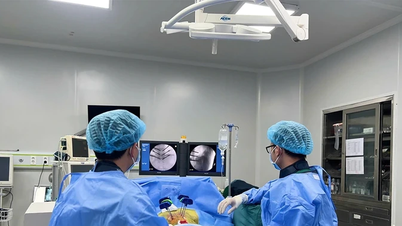
Thymectomy is used in the treatment of some selective myasthenia gravis patients, accounting for about 10-15%. Depending on the case, the doctor removes all or part of the thymus, followed by chemotherapy and radiation therapy. According to Dr. Cong, thymectomy treatment for certain cases of myasthenia gravis, such as elderly patients or ocular myasthenia gravis, is still controversial and requires careful consideration.
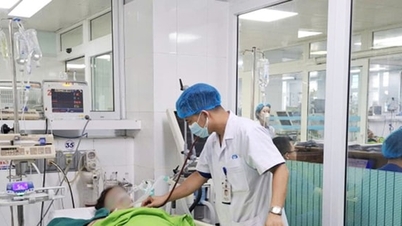
Treatment for acute exacerbations may be applied to myasthenia gravis patients who are pregnant, have recently given birth, have infections, have just undergone surgery, or are being tapered off immunosuppressant medications. These patients are at risk of developing severe myasthenia gravis leading to respiratory failure. Some medications, such as muscle relaxants, can cause side effects that worsen symptoms and threaten life. In such cases, doctors treat acute exacerbations by plasmapheresis to rapidly regulate the patient's immune system.
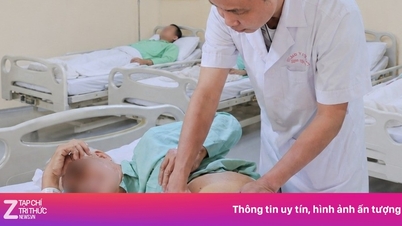
Dr. Cong advises patients not to self-medicate with myasthenia gravis medications at home, especially drugs such as respiratory depressants, antibiotics, muscle relaxants, beta-blockers, and statins, as this can be dangerous. Patients should attend scheduled appointments and adhere to treatment prescribed by their neurologist.
Kim Dung
| Readers can ask questions about neurological disorders here for doctors to answer. |
Source link


![[Photo] Standing Committee member of the Party Central Committee Tran Cam Tu working with the Central Inspection Committee](https://vphoto.vietnam.vn/thumb/1200x675/vietnam/resource/IMAGE/2026/05/28/1779969579668_ndo_br_bnd-2495-jpg.webp)




































































































Comment (0)