

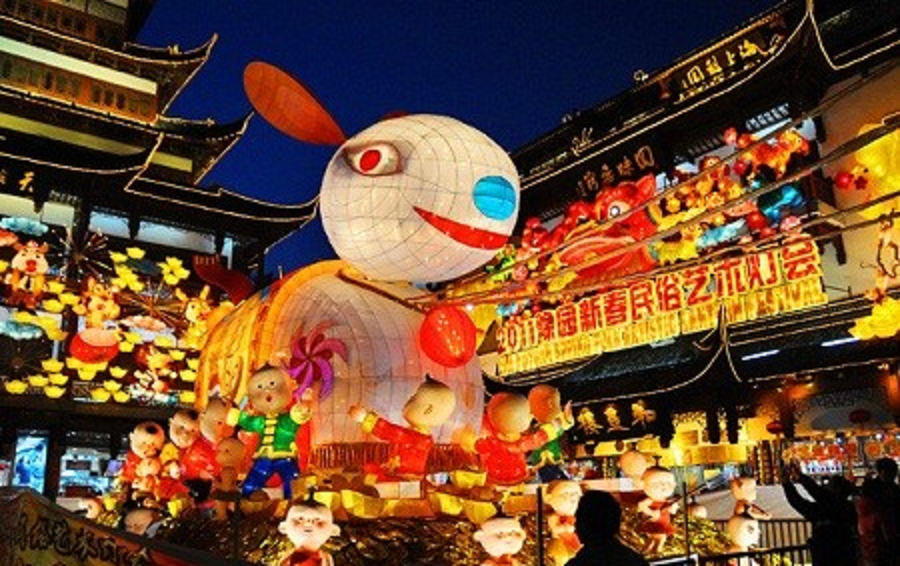
China
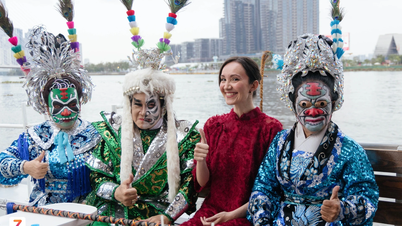
In China, the Mid-Autumn Festival takes place on the 15th day of the 8th lunar month each year and is considered the second most important holiday after the Lunar New Year. It's a time for family reunions, moon gazing, enjoying mooncakes, and participating in various community activities. Activities such as lion dances, dragon dances, lantern release ceremonies, and riddle-solving are held in many places. These activities not only create a joyful atmosphere but also help preserve the long-standing folk culture of the Chinese people.
A traditional and indispensable dish during the Mid-Autumn Festival in China is the mooncake. Its round shape symbolizes completeness and fulfillment. Chinese mooncakes are quite similar to Vietnamese ones, with a thin crust and fillings such as lotus seeds, mung beans, and salted egg yolks. In each region of China, this traditional cake also has variations depending on local tastes.
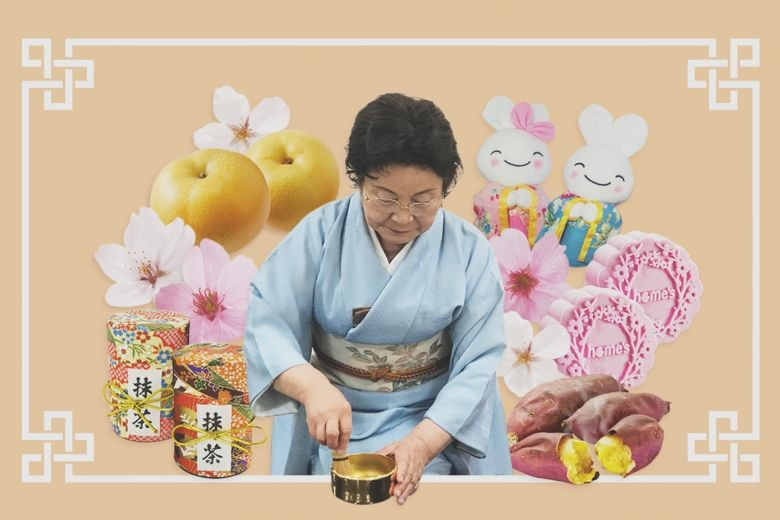
Japan
The Japanese Mid-Autumn Festival is also known as Tsukimi – the Moon-Viewing Festival. On this occasion, the Japanese typically display white tsukimi-dango rice cakes, pampas grass, and harvested flowers to give thanks for the harvest.
The legend of the jade rabbit on the moon is a familiar story associated with Tsukimi, reflecting the Japanese people's belief in nature and their refined spiritual life.
The Tsukimi festival is often celebrated at temples, in families, and at famous moon-viewing spots. It's a moment for people to find inner peace and express gratitude to nature for the bountiful harvest.
During the Mid-Autumn Festival, Japanese children are often bought carp-shaped lanterns by their parents to participate in lantern parades. In Japan, carp-shaped lanterns symbolize courage.
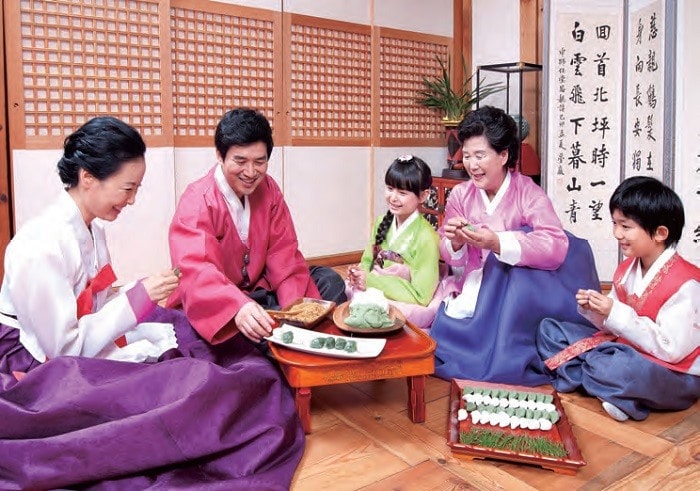
Korea
In South Korea, Chuseok, one of the biggest holidays of the year, falls on the same day as the Mid-Autumn Festival. It's a time when people return to their hometowns, reunite with family, prepare offerings for their ancestors (Charye), and clean graves (Seongmyo), demonstrating filial piety and the strong bonds between generations within families and communities.
During this occasion, the signature Korean dish is songpyeon – a type of sticky rice cake filled with sesame seeds, beans, and chestnuts, handcrafted and passed down through generations.
Korean children and adults alike wear Hanbok and participate in many fun activities such as mock battles, archery competitions, wrestling, and singing and dancing. Koreans often dress up as cows or turtles, accompanied by a musical procession, rather than performing lion or dragon dances.
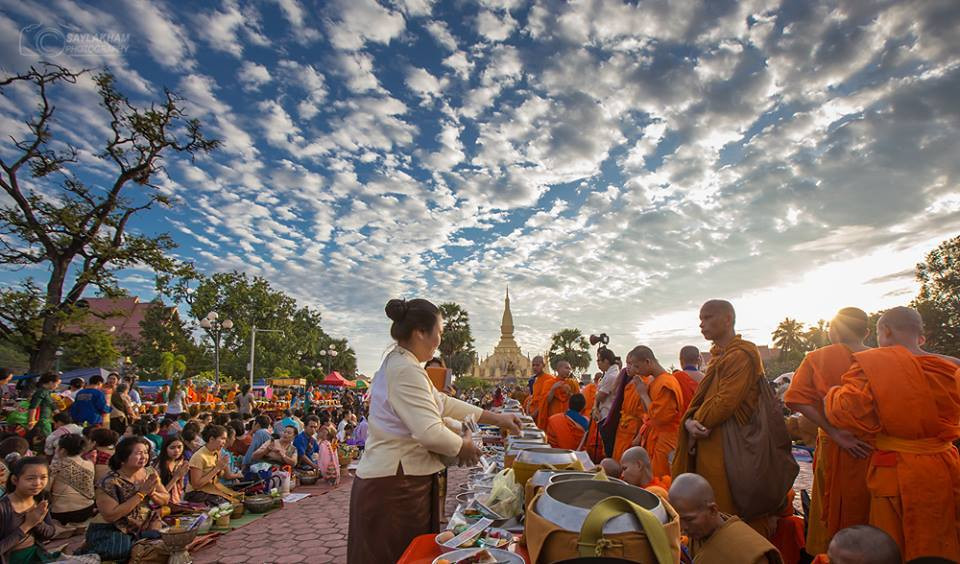
Laos
In Laos, this New Year's Day is called "Nguyet Phuoc Tiet" - the festival of the blessed moon.
For the people of Laos, the Mid-Autumn Festival (the 15th day of the 8th lunar month) is considered a time deeply connected to spiritual life. They gather to admire the moon, participate in singing and dancing, and express their wishes for a bountiful harvest and a peaceful life. These activities usually take place in a communal atmosphere, reflecting the close bond between people and nature. Although not overly elaborate, the Mid-Autumn Festival in Laos still plays an important role in the cultural and spiritual life of the people.
In addition, the Lao people have a very large festival related to the full moon. This is the Boun Thatluang Festival, held at Thatluang – a large and beautiful temple complex – during the full moon week of the 11th lunar month (12th Buddhist month). This is the largest Buddhist cultural festival of the year in Laos. The ceremonial part includes prayers for peace and blessings, lasting for three days. The festive part lasts up to a week, mainly consisting of various forms of entertainment and recreation.
Cambodia
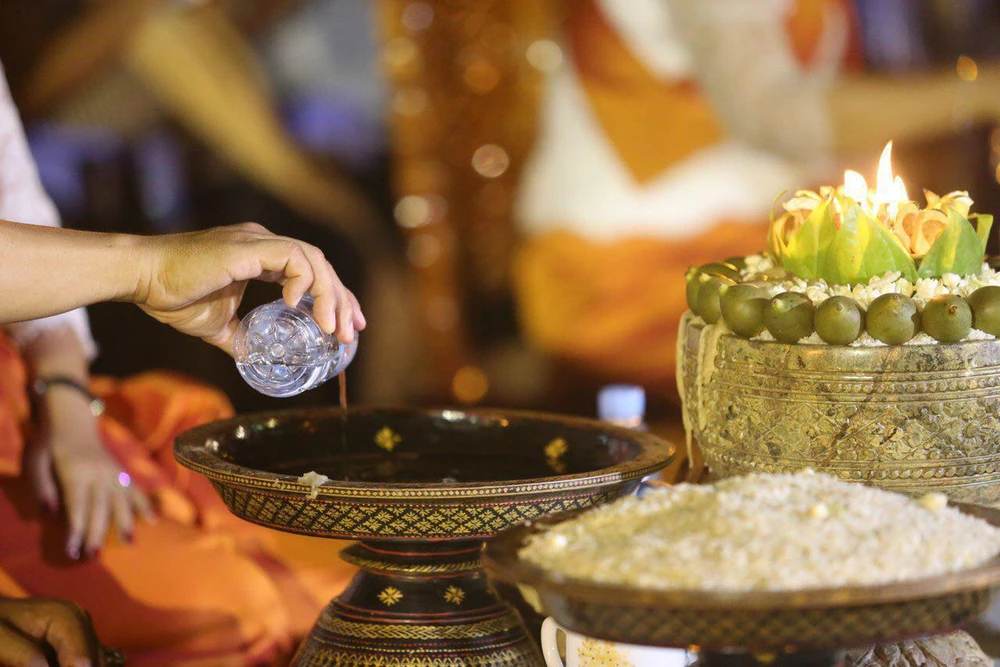
The Mid-Autumn Festival in Cambodia takes place much later than in other countries. It is the Ok Om Bok festival, also known as the moon worship festival, which occurs on the full moon day of the tenth lunar month. The festival originates from the Khmer belief that the moon is the deity that governs the weather.
The Ok Om Bok festival is an occasion to give thanks to the gods for bringing favorable weather, which helps crops grow well; and at the same time, to pray for a bountiful harvest in the next season, and a more prosperous and fulfilling life.
The main ritual of the moon worship ceremony usually takes place at a temple. Offerings to the moon include fresh flowers, cassava soup, flattened rice, and sugarcane juice. After worshipping the moon, people will put flattened rice into the mouths of children. This is because Cambodians believe that this act will pray for the children to have abundant food and a prosperous and fulfilling life later on.
During this occasion, people also release lanterns and sky lanterns, organize boat races, and participate in many other folk cultural activities.
Singapore
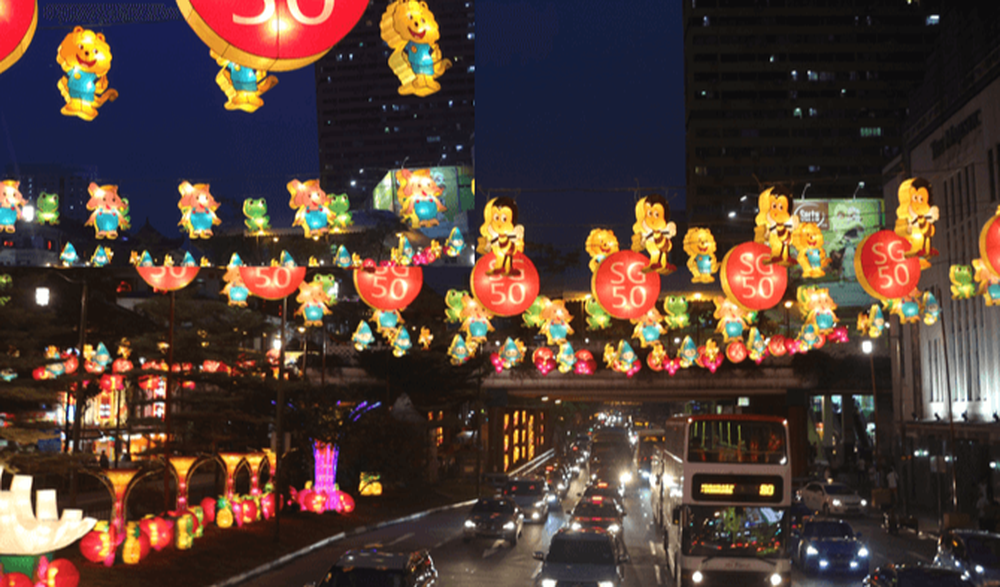
In Singapore, the Mid-Autumn Festival is celebrated with great fanfare, especially within the Chinese community. Neighborhoods are often decorated with dazzling lanterns, parades are held, art performances take place, and a variety of mooncakes are sold.
Children eagerly carry lanterns, while adults gather to drink tea, chat, and enjoy pastries. The festival not only holds cultural significance but also attracts international tourists, contributing to promoting the image of a multi-ethnic Singapore rich in tradition.
Myanmar
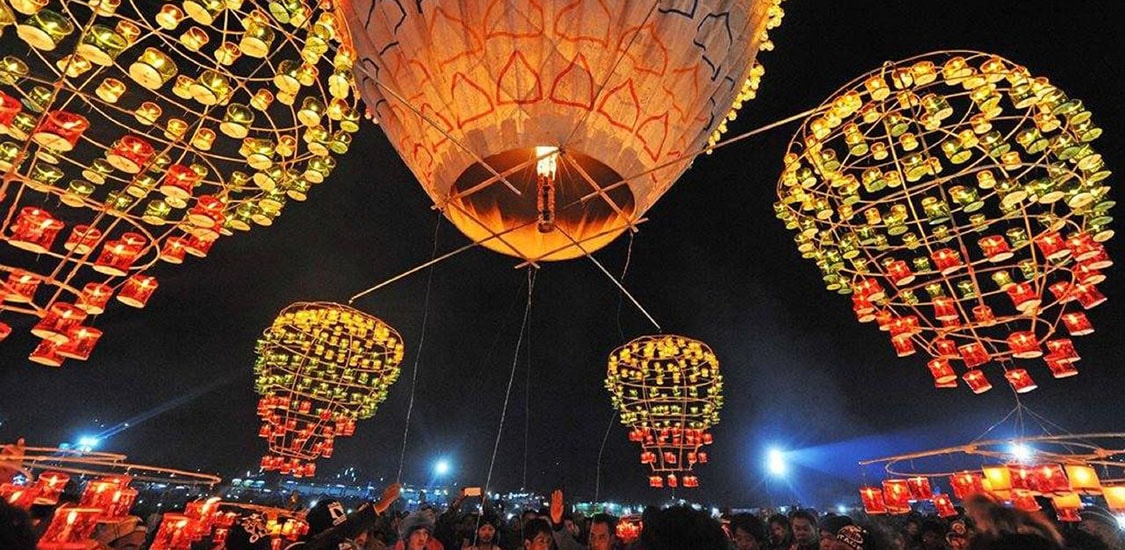
In Myanmar, the indigenous people have a unique festival associated with the full moon: the Thadingyut Festival of Lights. The festival takes place on the 15th day of the seventh month of the Buddhist calendar (usually around October in the Gregorian calendar). It is considered one of the most important cultural and religious events in the country. It is an occasion for people to remember the Buddha, express filial piety to their parents and teachers, and pray for a peaceful life.
During the festival night, from temples to streets, every house is brightly lit. Tens of thousands of candles, lanterns, and torches will burn throughout the night, creating a magnificent and sacred scene.
The festival not only holds spiritual significance but also serves as an opportunity to unite the community, showcasing the solidarity and filial piety traditions of the Myanmar people.
Malaysia
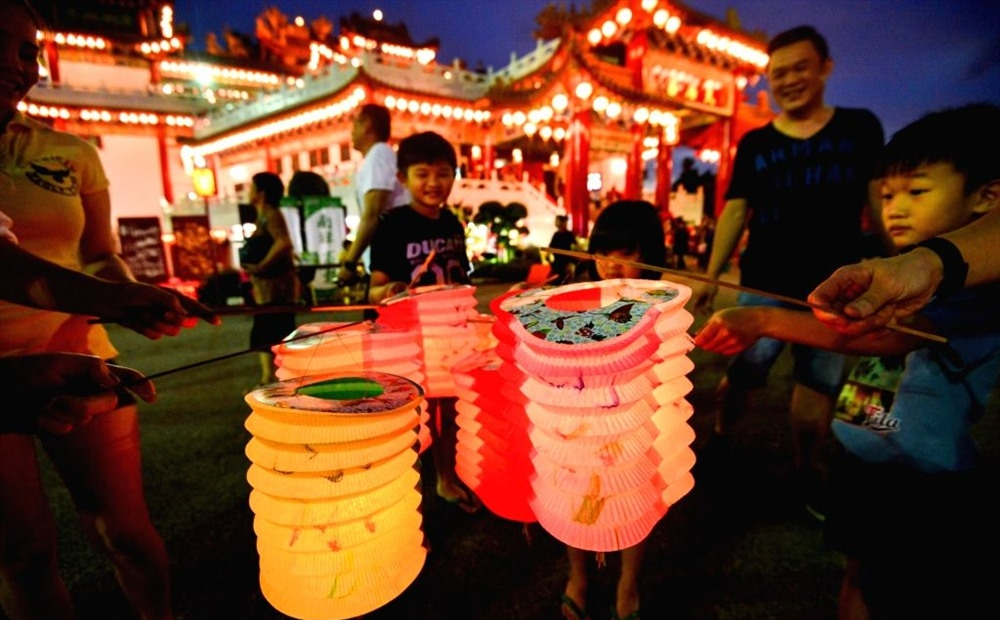
Malaysians typically make mooncakes on the 15th day of the 8th lunar month and light lanterns to celebrate the Mid-Autumn Festival.
In Malaysia, mooncakes are not only round or square, but also come in shapes like seashells, flowers, stars, and are especially colorful. There are also chilled mooncakes, also known as snow mooncakes, with cold fillings and crusts offering a completely different experience for the consumer.
During the Mid-Autumn Festival, lantern festivals and art programs are held in many major cities, creating a vibrant atmosphere.
Although the Mid-Autumn Festival varies from country to country, its core meaning remains focused on family, ancestors, and nature. Maintaining and promoting these customs not only preserves national identity but also contributes to strengthening community bonds in this era of globalization.
PV (compiled)Source: https://baohaiphong.vn/doc-dao-tet-trung-thu-o-mot-so-nuoc-chau-a-522230.html
![[Photo] General Secretary and President To Lam and the President of the Philippines hold talks.](https://vphoto.vietnam.vn/thumb/1200x675/vietnam/resource/IMAGE/2026/06/01/1780286997787_anh-man-hinh-2026-06-01-luc-11-09-43.png)





















































Comment (0)