 |
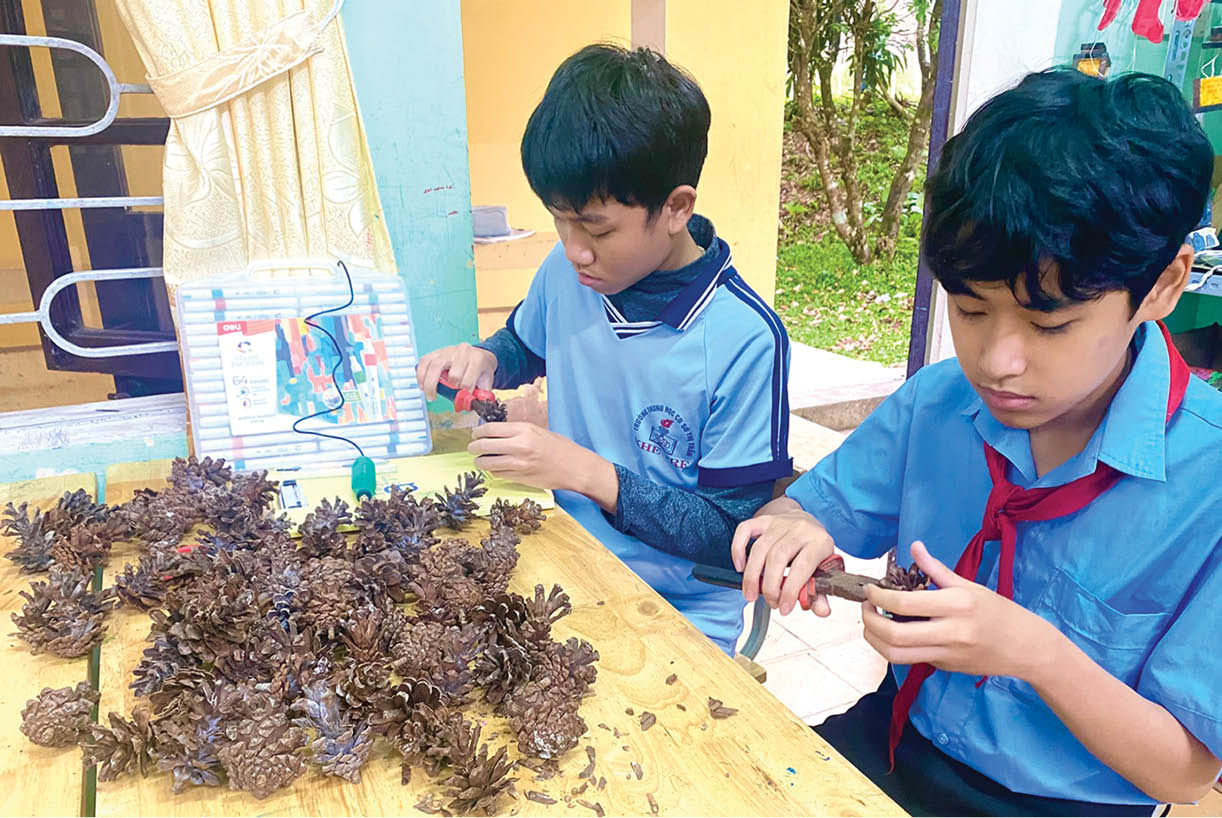
| The process of trimming pine cones. Photo: Nguyen Thi Nam |
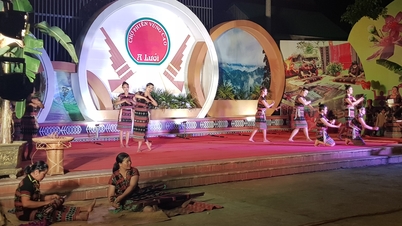
Khe Tre is a land rich in the cultural values of the Co Tu people, from the zeng fabric used in their traditional clothing to their folk festivals. However, the area still lacks distinctive souvenir products that tourists can take home after each trip.
Based on that reality, Nguyen Ho Y Hoan, a student at Khe Tre Town Secondary School, began to ponder the idea of creating a souvenir that would reflect her hometown. During an art class on the topic of souvenirs, Hoan came up with the idea of using fallen pine cones around the school to create paintings.
“Seeing so many pine cones lying around unused, I thought that if we knew how to make them, we could tell the story of Khe Tre in our own way,” Hoan shared. She discussed the idea with her friends Thanh Ngoc, Khanh Ngoc, and Nhat Minh. With the group's agreement and the active support from their art teacher, Ms. Nguyen Thi Nam, the students began creating their first paintings.
“The valuable aspect of the product lies not only in its creativity but also in the way the materials are utilized. Pine cones are very easy to find, and when combined with zèng fabric and local elements, the students have created a product that is both environmentally friendly and deeply rooted in the local culture,” Ms. Nam shared.
After school, the group of friends would go collect pine cones, wash them, and dry them. Each cone was then separated into petals and trimmed into flower shapes. The rough petals were then painted with vibrant colors like red, yellow, green, and purple. Although this process required time and skill, it was precisely through this process that the beauty of the flowers gradually emerged.

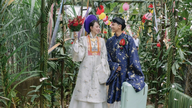

Meanwhile, on canvas, the children sketched and colored images characteristic of Co Tu culture, such as women in traditional clothing, patterns, and scenes of community life. When the canvas was complete, colorful pine cones were attached with hot glue, creating accents and depth.
"On average, it takes us 2-3 days to complete a 40x60cm painting. The production cost is around 200,000 VND, mainly for paint, canvas, and frame," Hoan said.
The most unique aspect is the use of zèng fabric scraps, trimmed and attached to the characters' costumes in the paintings. More than just decorative material, these zèng fabric scraps carry memories. They could be old pieces of cloth from a corner of the house, leftover fabric from a garment making project, or familiar colors that accompanied the children during village festivals.
After completing the first paintings, the group brought their creations to the local market for testing. Thanks to their uniqueness, the small stall quickly attracted locals and tourists; some stopped to look, others bought them as souvenirs.
“At Khe Tre market, I was surprised to see paintings made from pine cones. I really liked them and bought two as souvenirs and gifts for my relatives,” shared Ms. Nguyen Thu Huong, a tourist.
From December 2025 to the present, nearly 20 paintings have been sold, averaging about 1 million VND each. The money raised continues to be used to buy materials, make more paintings, and a portion is allocated to general school activities such as giving Tet gifts to underprivileged students or repainting old stone benches.


To make the product more widely known, Ms. Nam and her students also sought permission from the local authorities to display the paintings at the Ethnic Culture House in Khe Tre commune. "In the long term, the product could become a unique, environmentally friendly souvenir, and at the same time open up activities for hands-on experience in making pine flower paintings, contributing to spreading awareness of environmental protection and local identity," Ms. Nam hopes.
Source: https://huengaynay.vn/van-hoa-nghe-thuat/doc-dao-tranh-hoa-thong-165831.html