

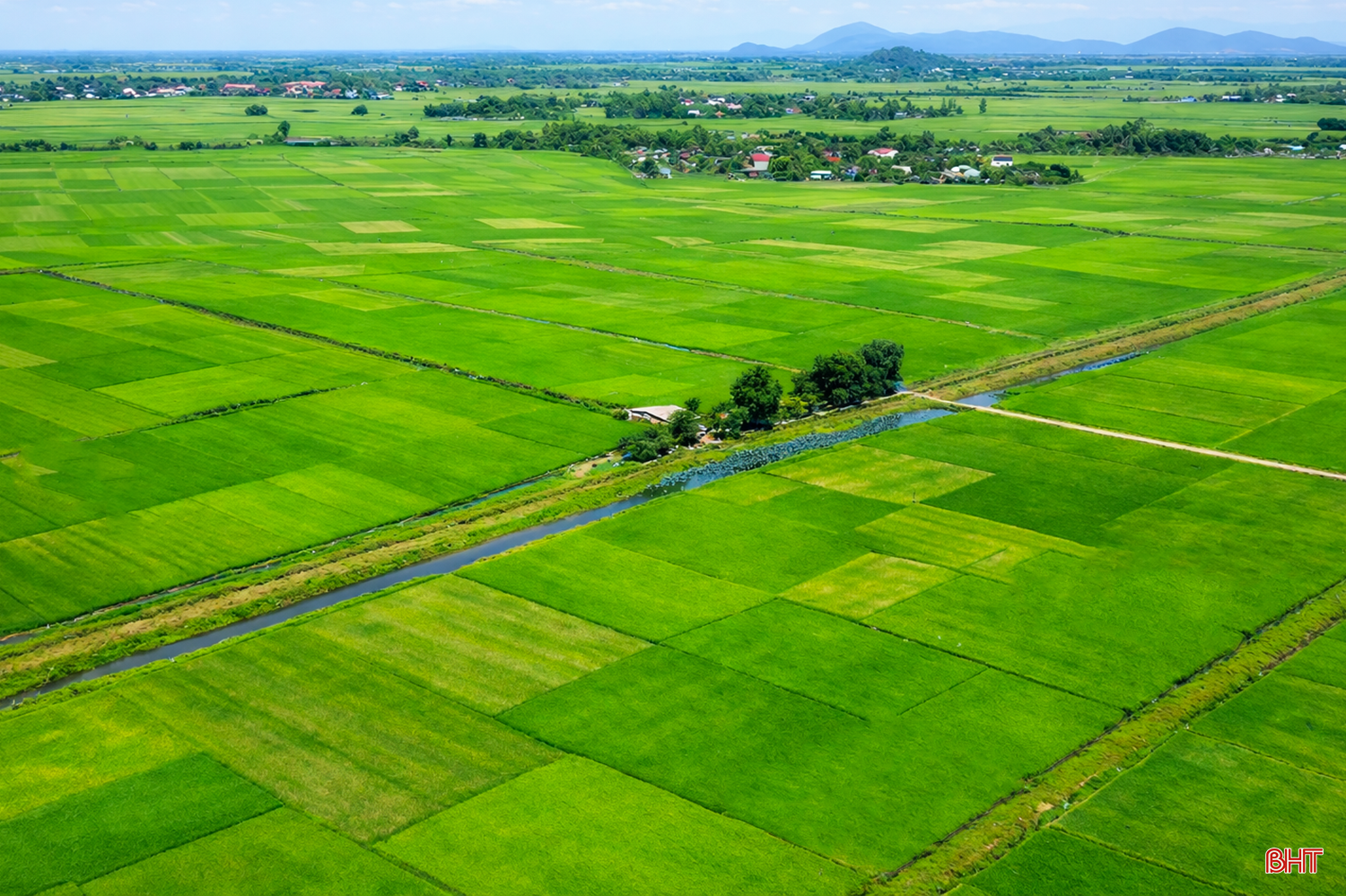
This spring, Ha Tinh province cultivated over 59,000 hectares of rice. Across the fields, the rice is entering the tillering and heading stage, creating a vast expanse of vibrant green.
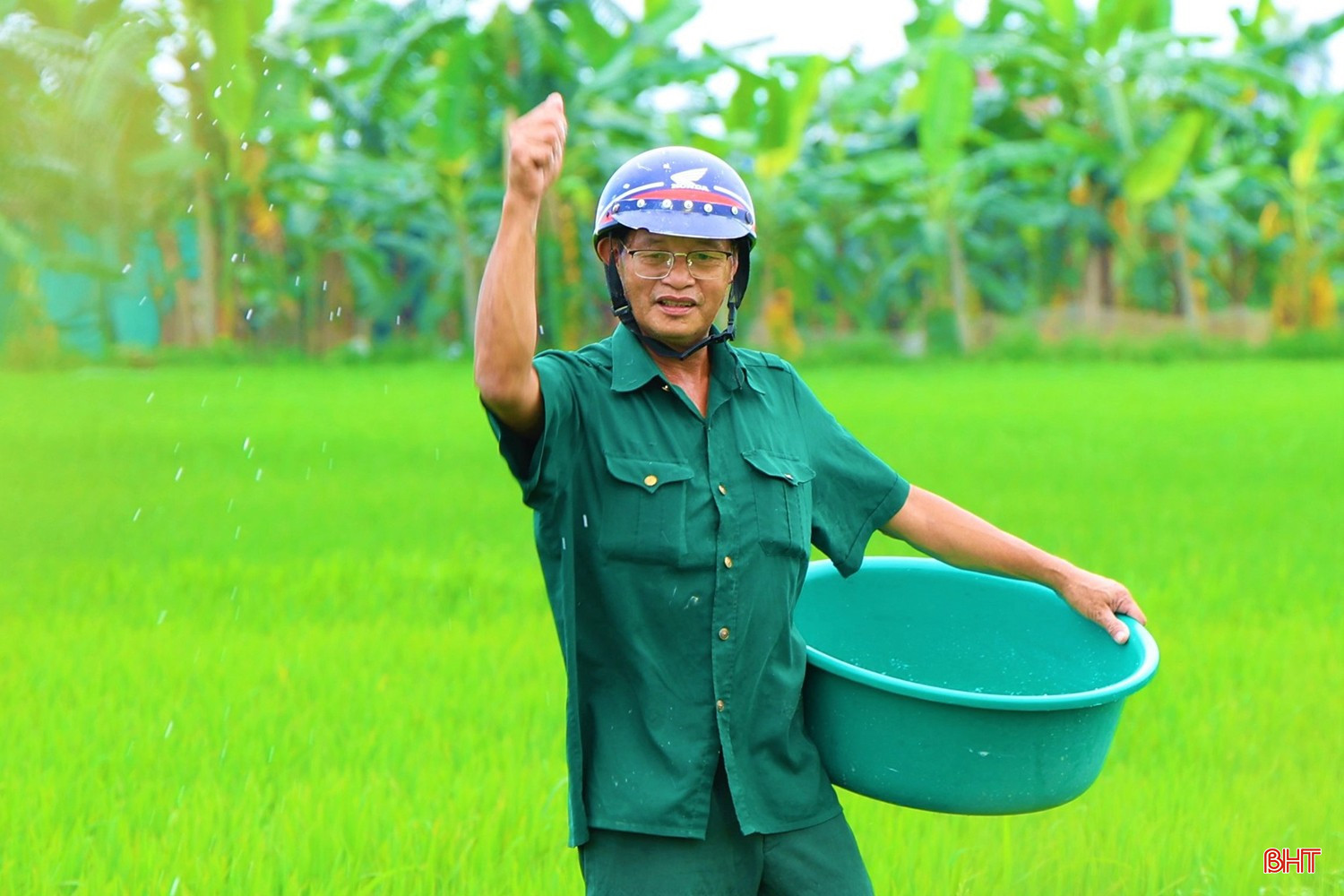
This is a crucial stage in the development of the rice plant, greatly determining the yield and production of the spring crop.
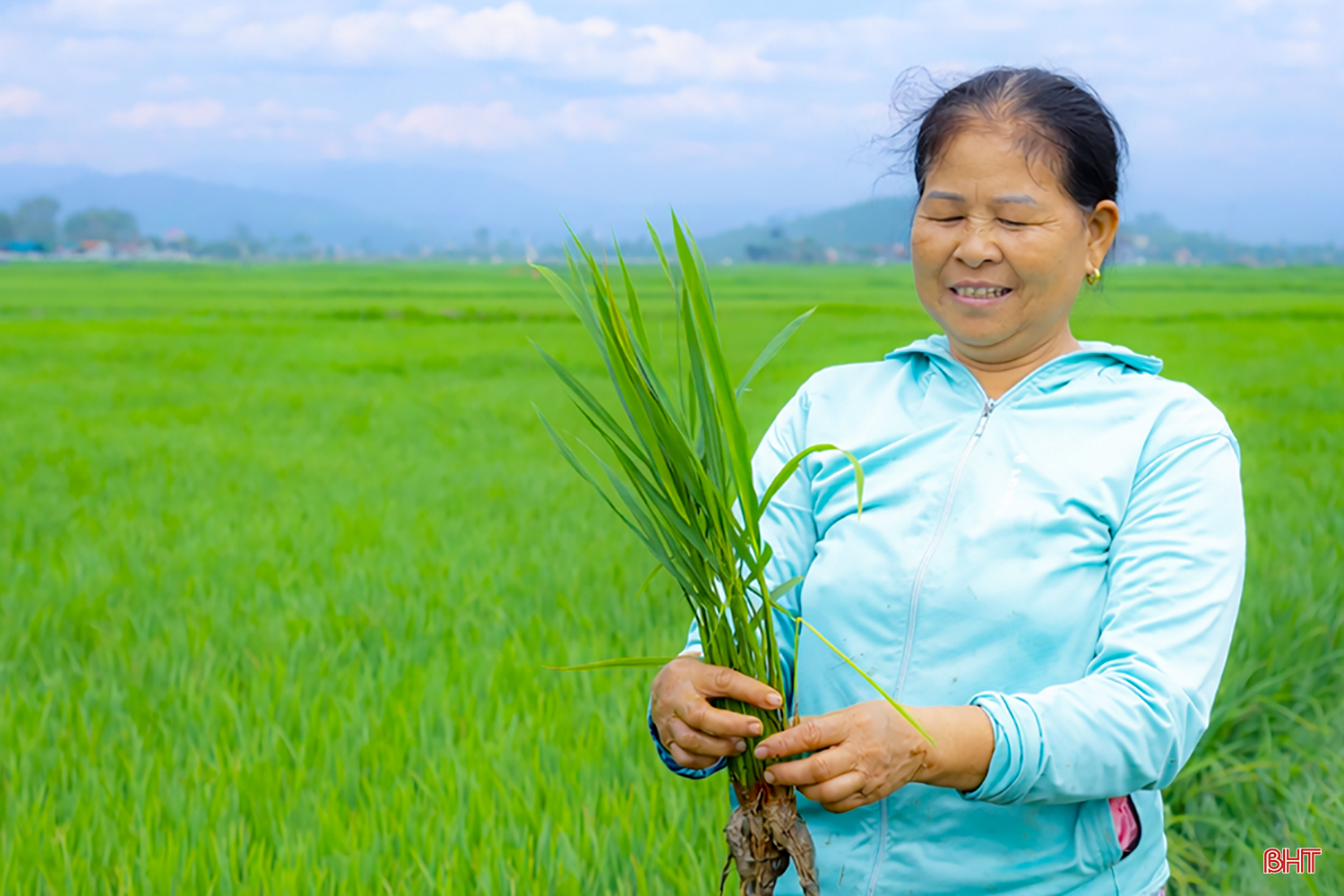
These days, Ms. Vo Thi Ha (Yen village, Tung Loc commune) regularly goes to the fields to monitor the development of the rice plants and complete the fertilization for panicle formation. Ms. Ha said: “Some early-sown rice varieties have shown signs of entering the panicle formation stage: the stems are stiff, the second leaf from the top begins to constrict, and the leaf color turns a light lemon yellow. Years of experience show that timely nutrient supplementation during this stage will help the plants grow and develop well.”
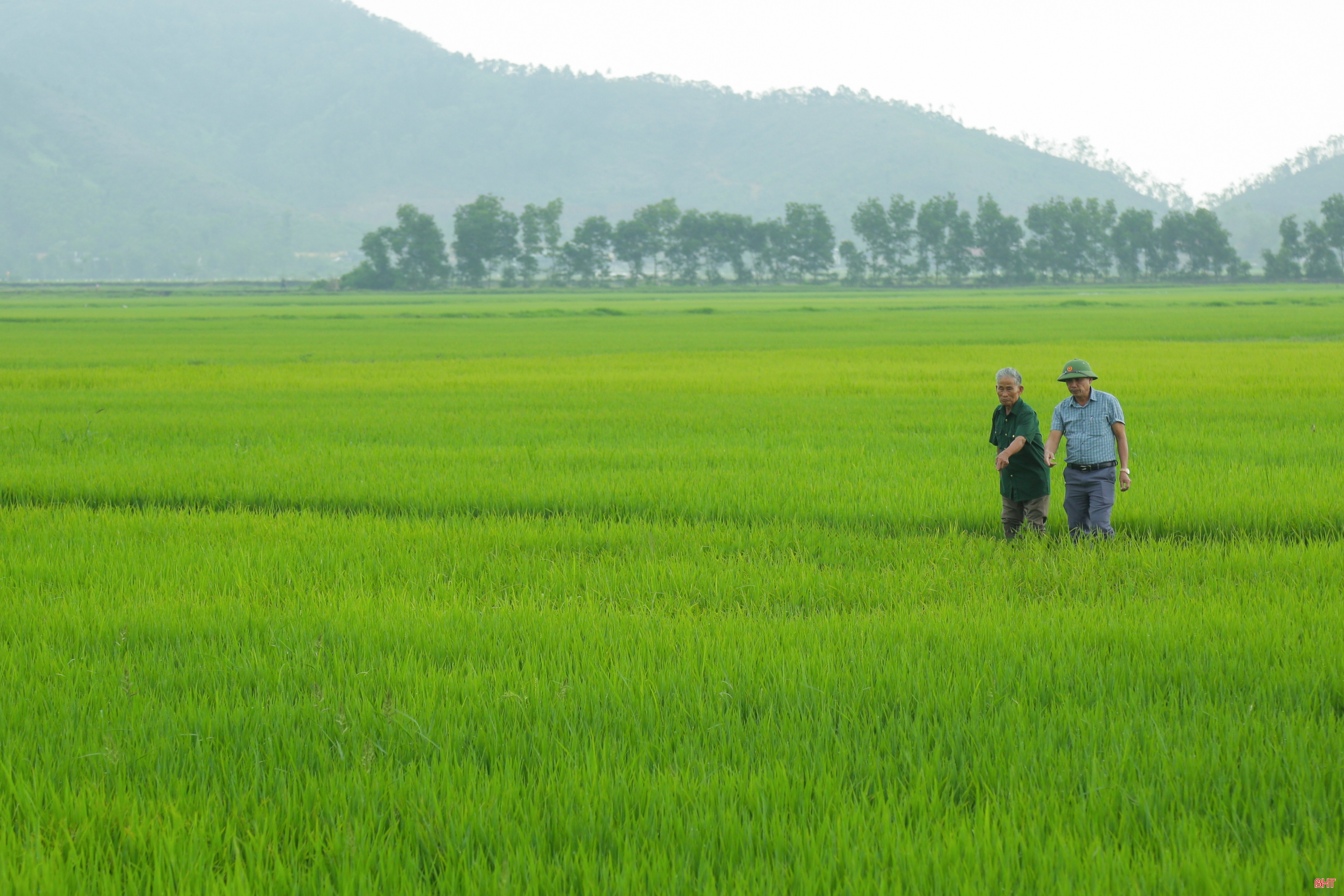
Reportedly, in the spring of 2026, Tung Loc commune planted rice on an area of over 980 hectares. The large fields, after land consolidation and conversion, make it easier for farmers to monitor, care for, and regulate irrigation.
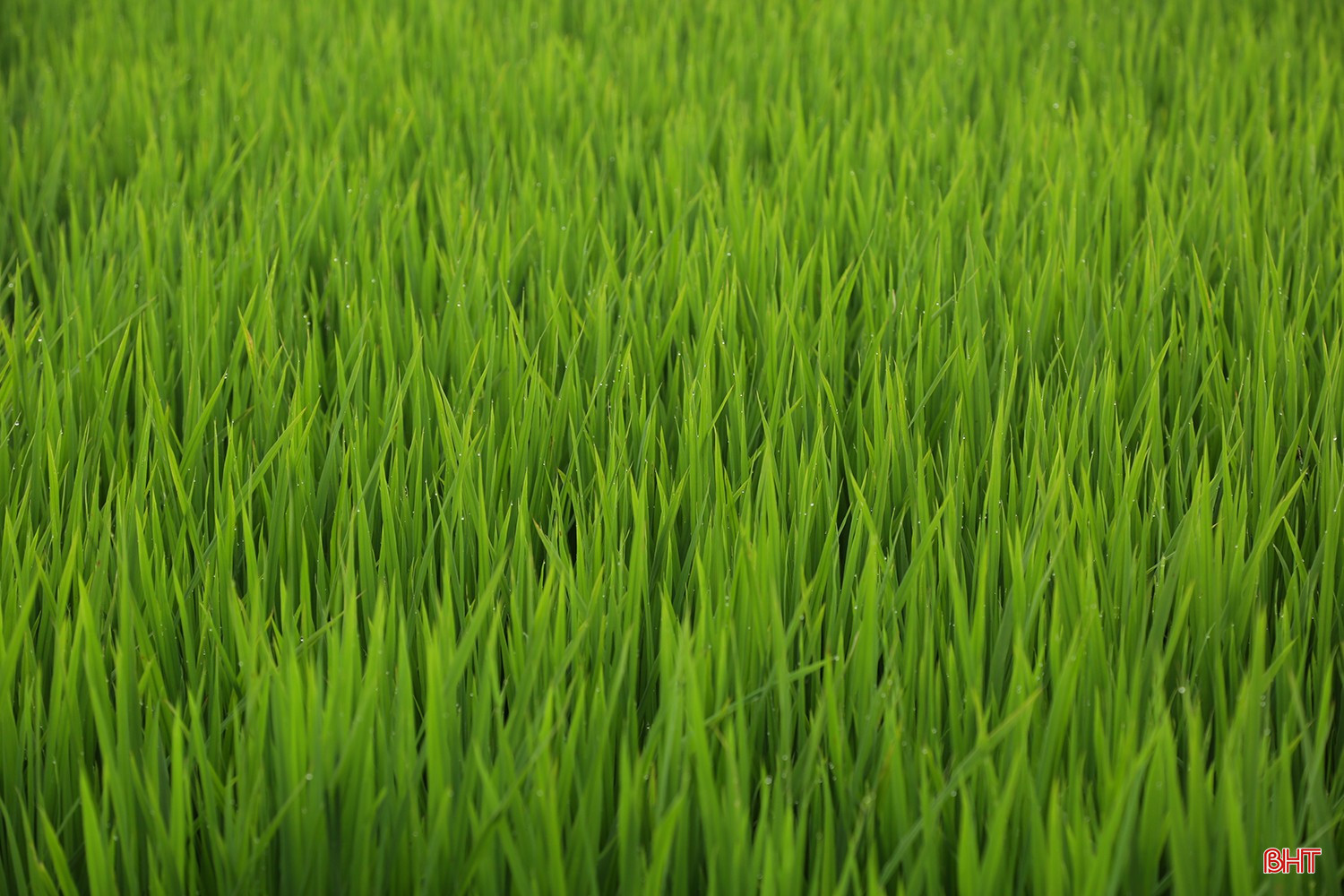
In Mai Phu commune, rice crops are preparing to enter the tillering and heading stage. Farmers are making the most of their time to weed the fields, apply the second round of fertilizer, and maintain adequate water levels in the rice paddies to ensure healthy growth.
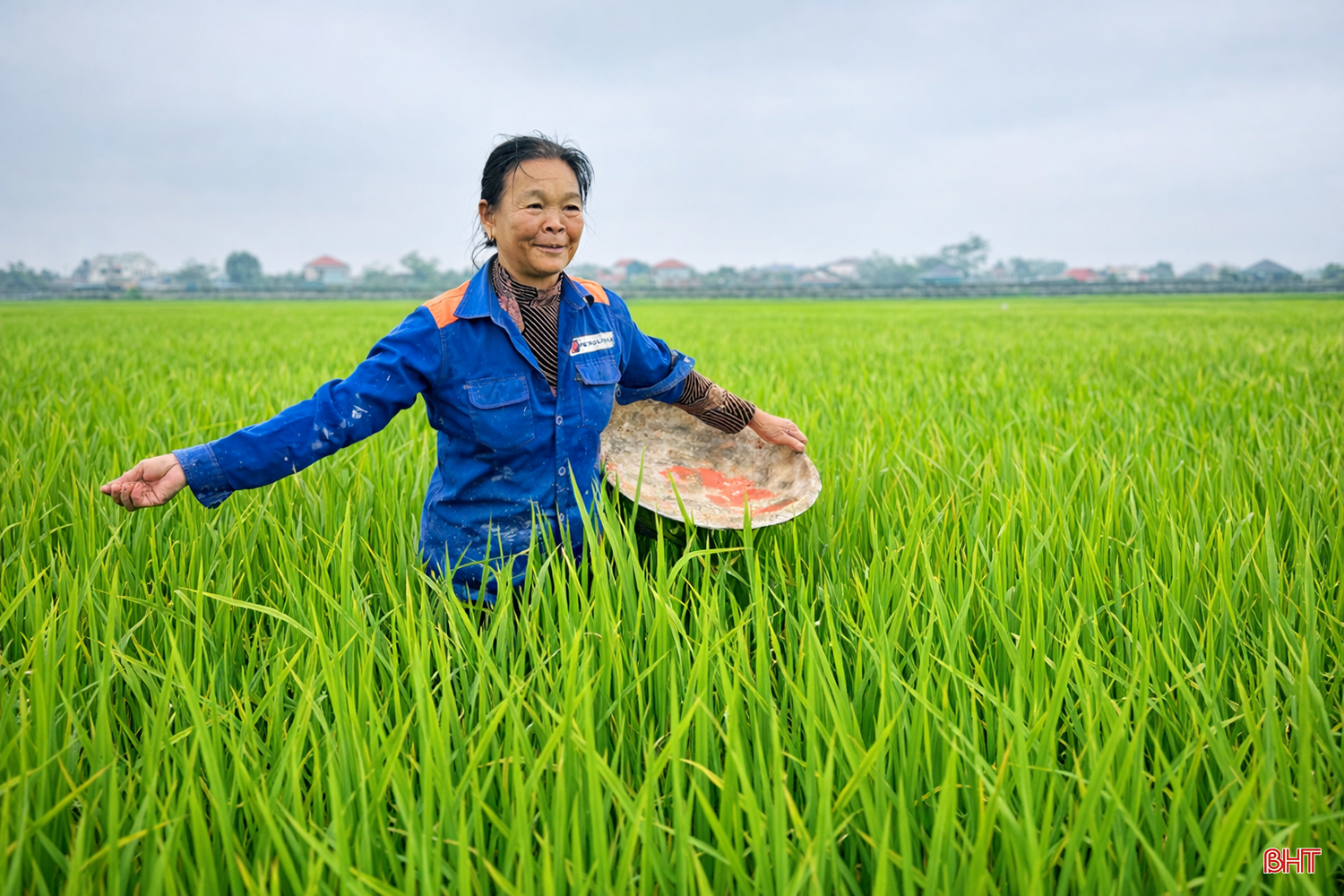
Ms. Tran Thi Tu (Dong Vinh village, Mai Phu commune) shared: “With my farming experience, I combine balanced fertilization with nitrogen, phosphorus, potassium, etc., to ensure the rice plants have strong, healthy ears and are less likely to fall over when heavy rains and strong winds occur in late April and early May.”
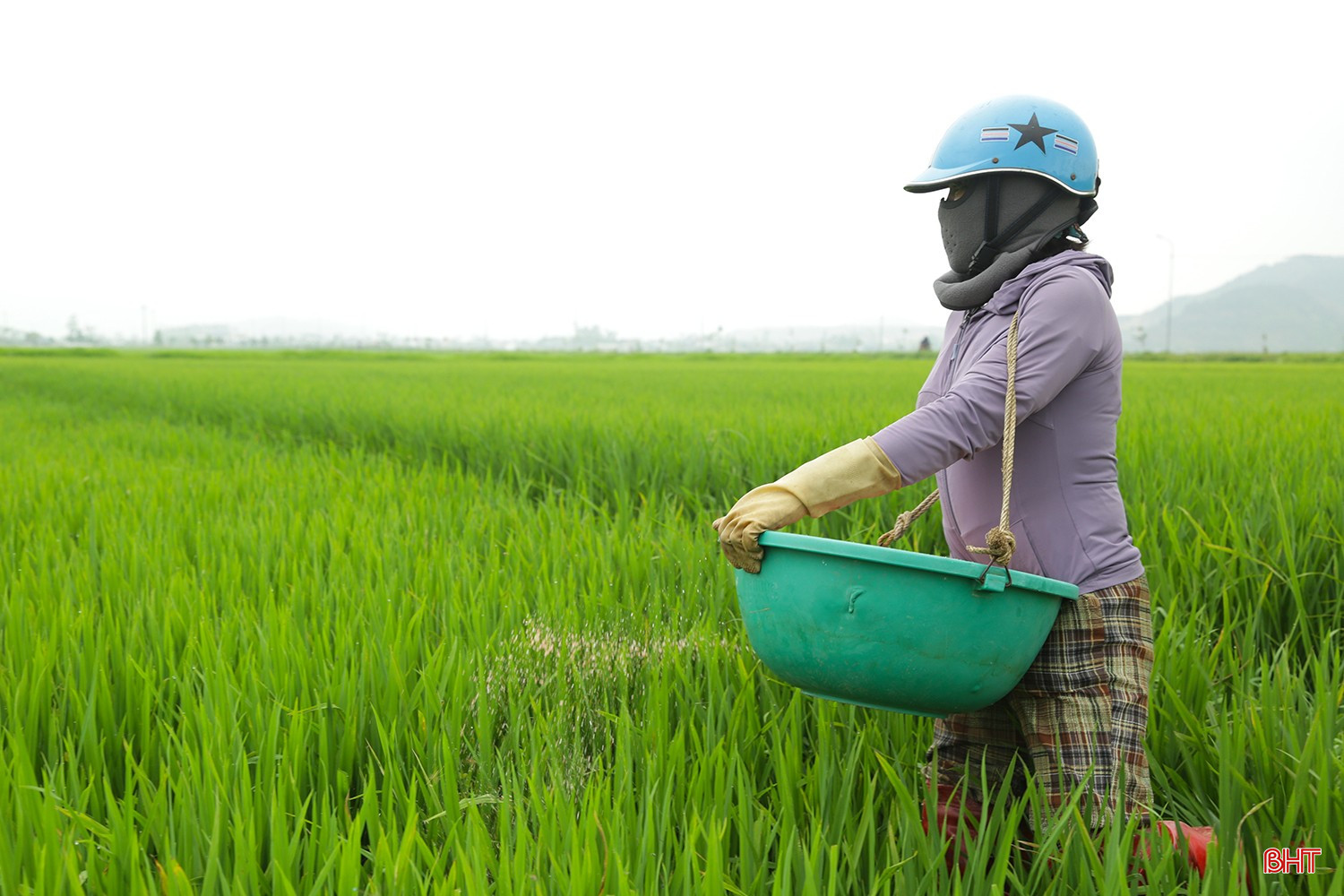
This spring, Can Loc commune planted over 1,700 hectares of rice. Thanks to a rational variety selection and timely planting, most of the area is growing uniformly, further affirming its position as a key rice-growing region of the province.
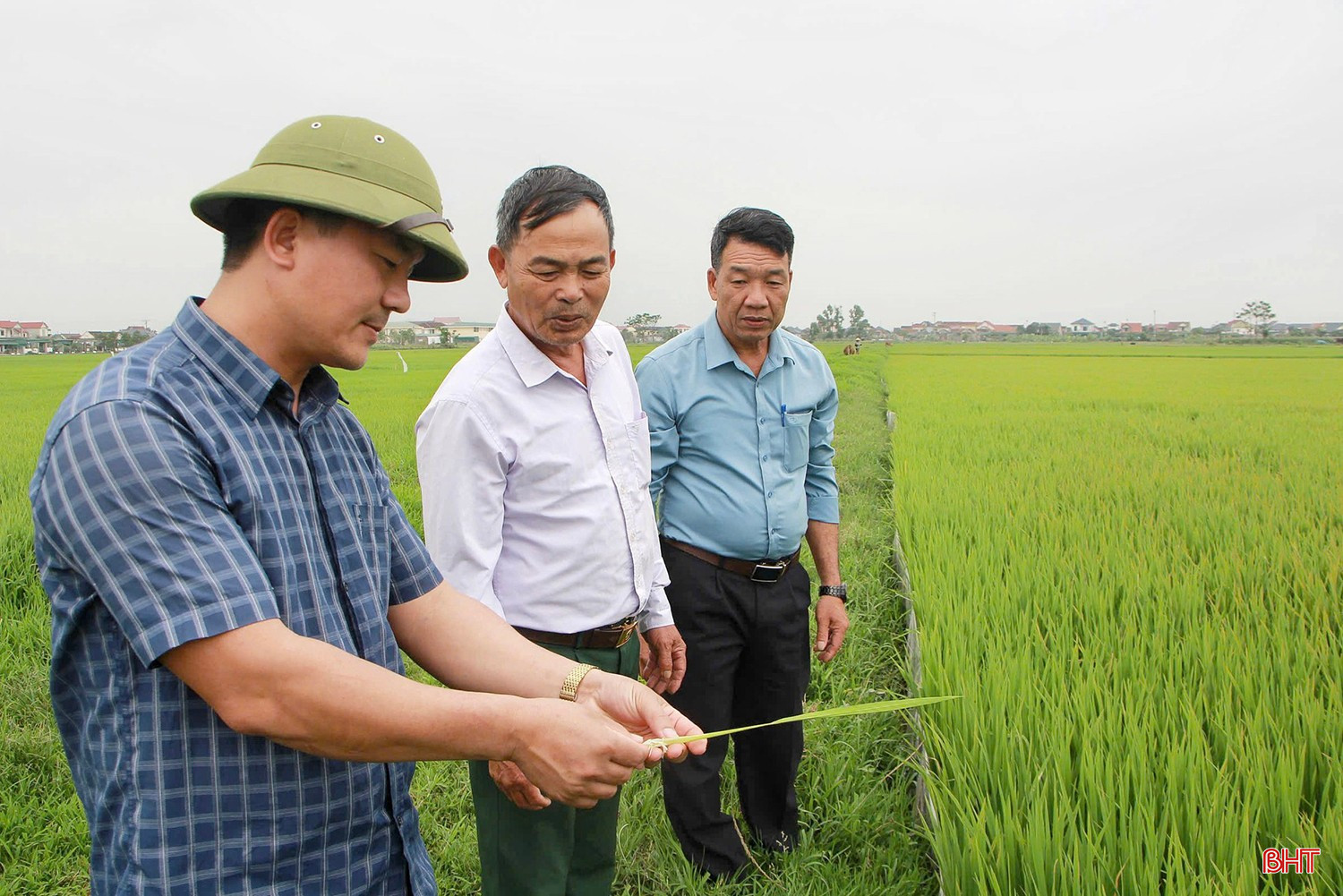
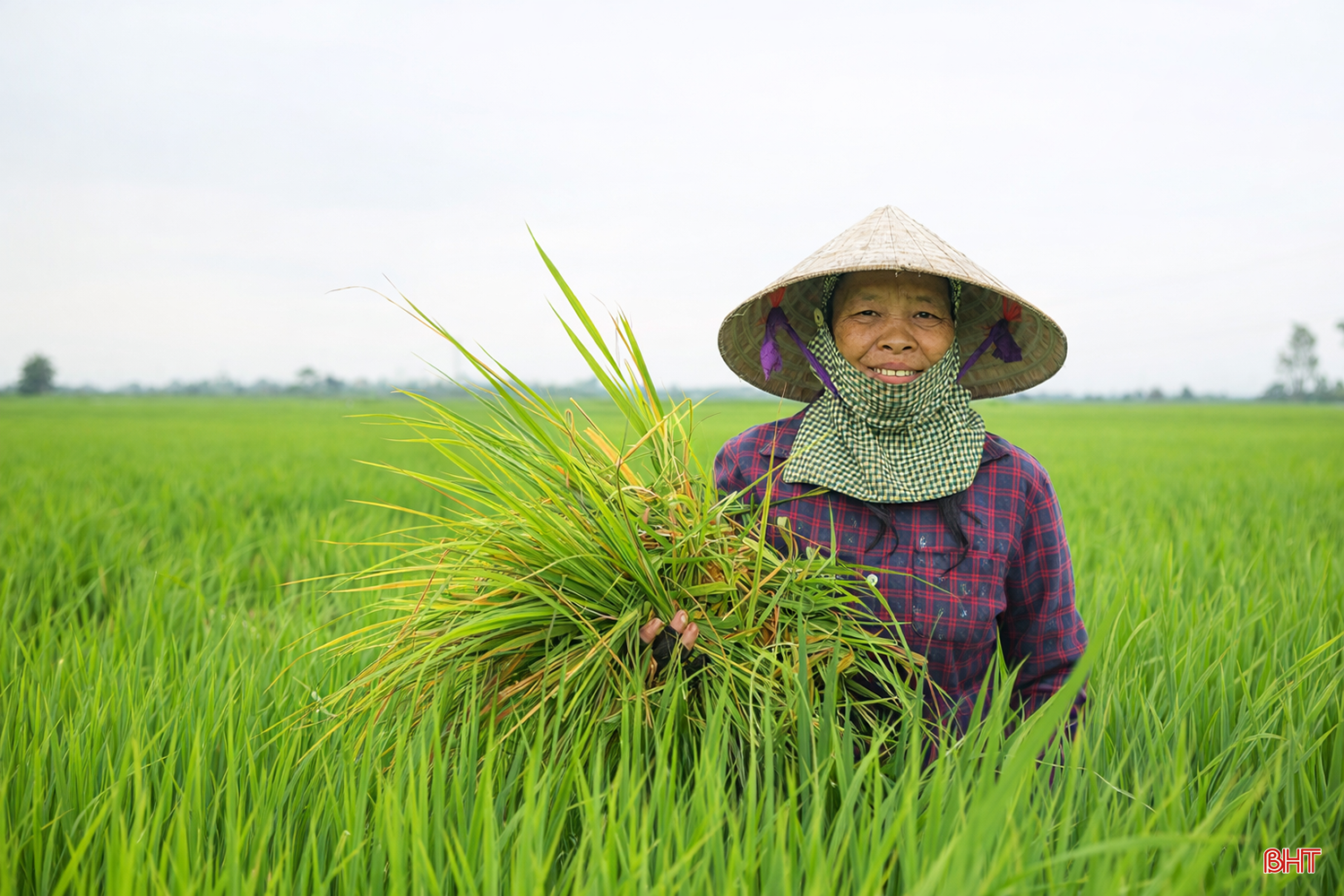
Ms. Tran Thi Binh (K130 village, Can Loc commune) said: “The spring crop is the most important production season of the year, usually yielding high productivity, so I pay special attention to its care. With my family's 6 sao (approximately 0.6 hectares) of rice, I focus on fertilizing at the right time and maintaining a stable water level in the fields.”
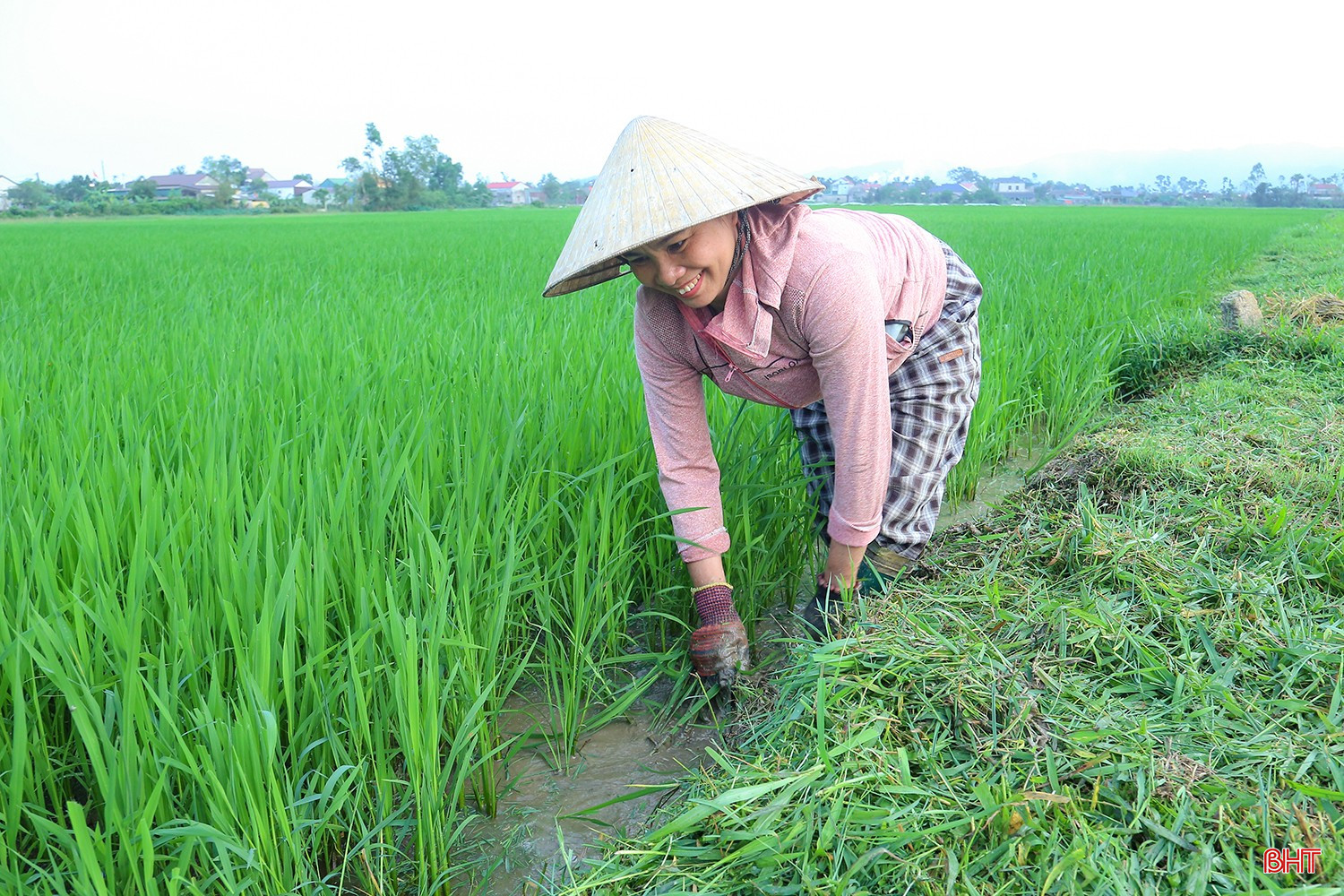
In addition, many households also take advantage of the opportunity to weed the embankments to reduce competition for nutrients, decrease hiding places for rats and various pests and diseases.
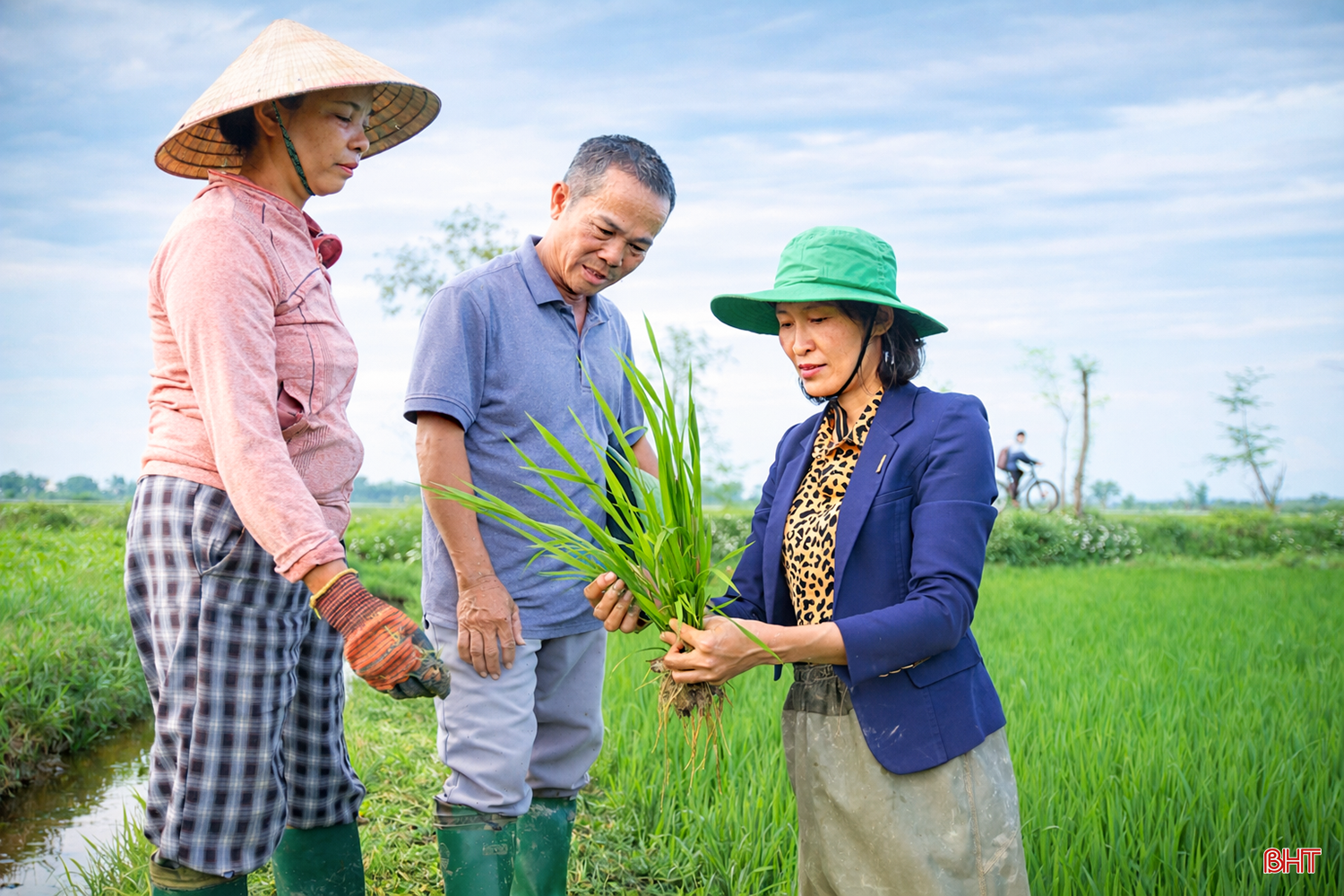
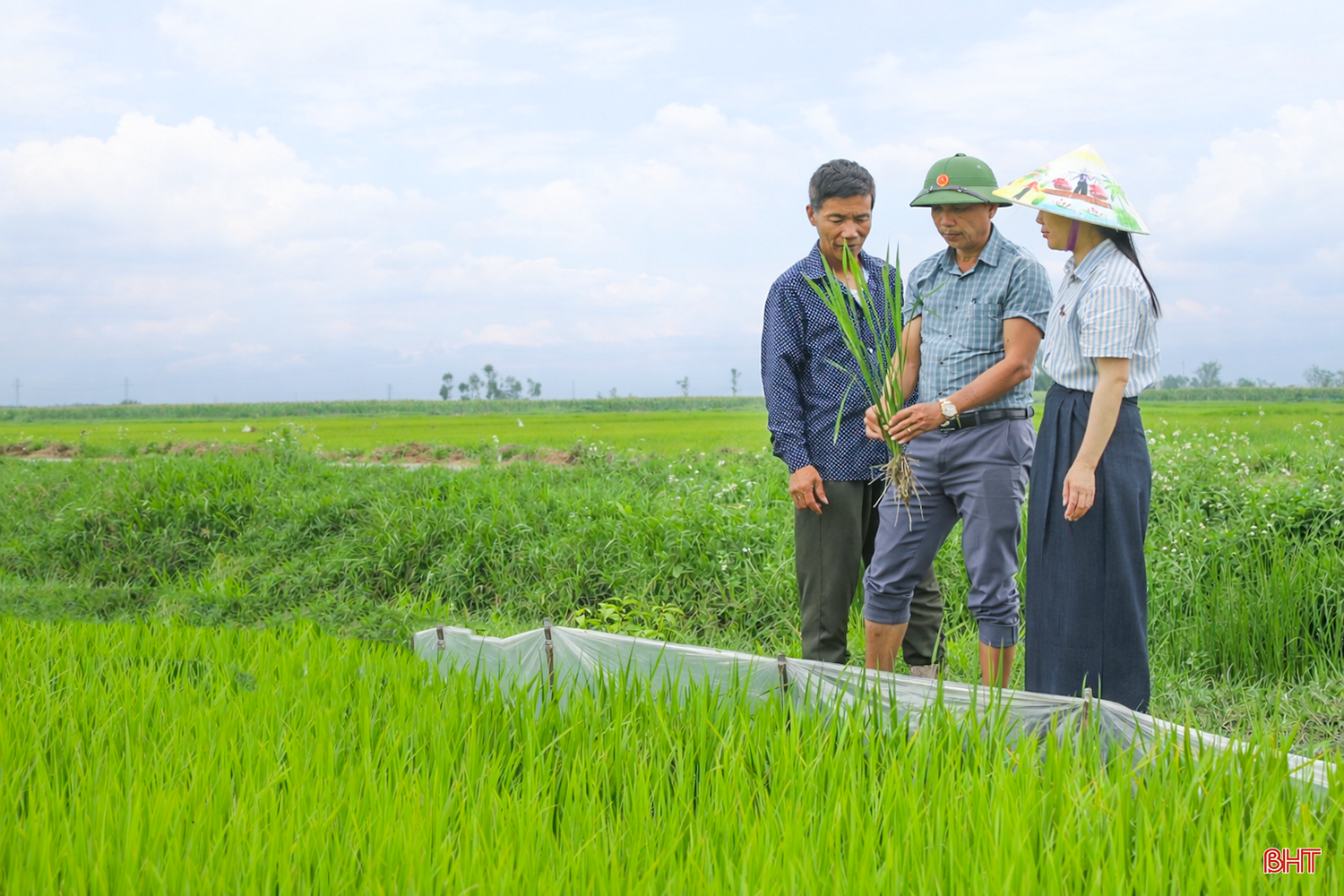
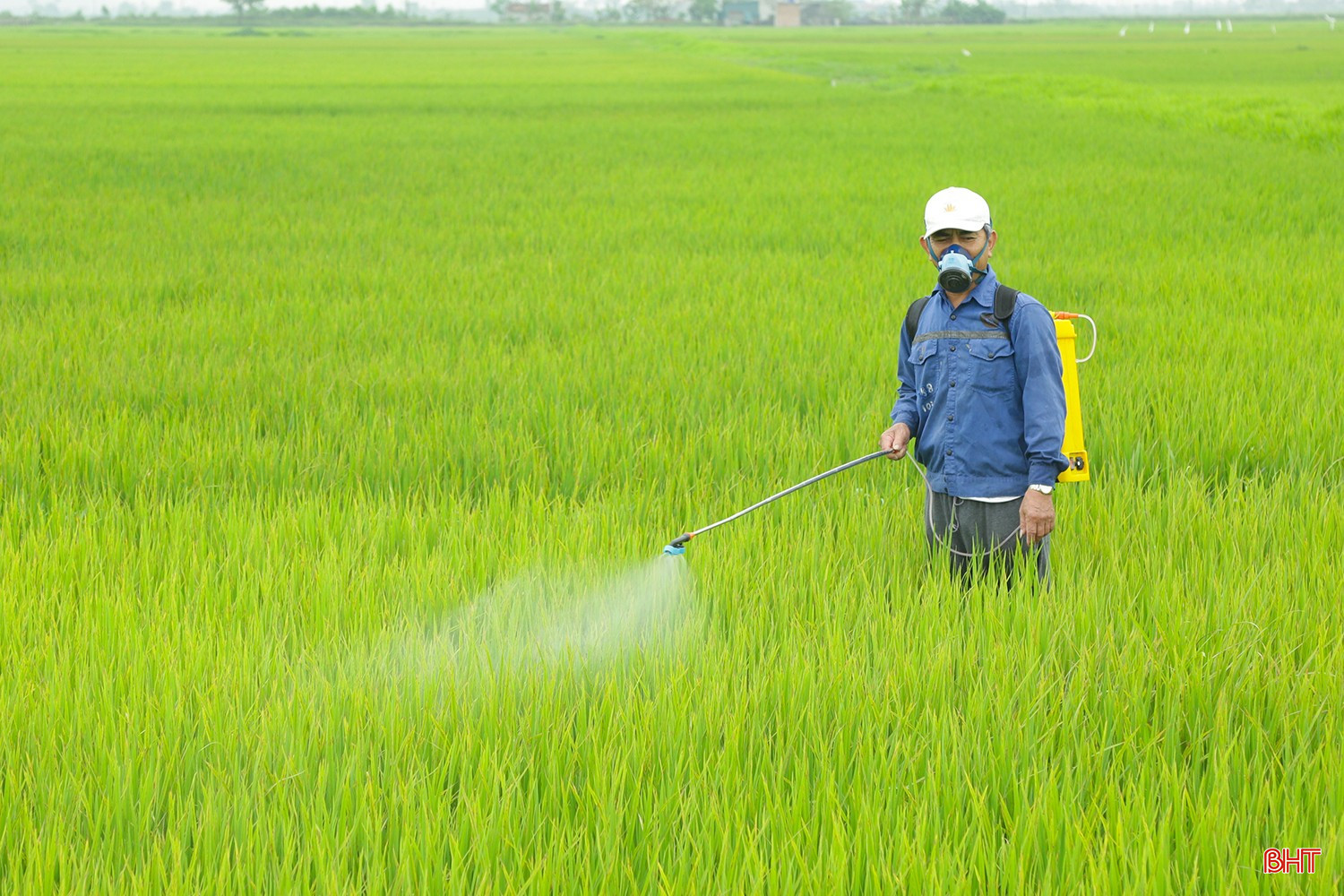
Farmers are intensifying their efforts to stay in the fields, closely monitoring the growth of rice plants in order to promptly implement pest control measures and protect spring crop production.
Rice plants are entering the tillering and heading stage, growing and developing well. However, the alternating sunny and rainy weather creates favorable conditions for the emergence and increase in density of brown planthoppers, white-backed planthoppers, bacterial blight, and rice blast, causing damage during the heading and flowering stages. Therefore, local authorities and farmers need to strengthen coordination with specialized agencies to focus on monitoring and regularly inspecting the fields. Emphasis should be placed on completely eradicating leaf blast disease to limit its spread to the panicles when the rice heads emerge; close monitoring and supervision should be carried out in areas heavily infested with brown planthoppers in the previous summer-autumn crop to promptly detect and effectively address any issues.
Ms. Ho Thi Thuy - Head of Plant Protection Department, Ha Tinh Provincial Department of Crop Production and Livestock
Source: https://baohatinh.vn/dong-lua-thi-con-gai-cham-dung-luc-quyet-dinh-ca-vu-mua-post308024.html





























































































Comment (0)