The importance of composite structure
“We could never have imagined that after 10 years, community-based tourism would transform most of the rural area of Hoa Bac (now Hai Van ward). We have rivers, streams, and lush green mountains. All of these have become strengths for tourism. By all means, the villagers must protect the river.”
That's the excitement of those who are daily welcoming visitors to the upper and middle reaches of the Cu De River. Mr. Dinh Van Nhu, Secretary of the Party Branch of Gian Bi (formerly) village, understands the joy of the people as they have achieved certain results in the past time.
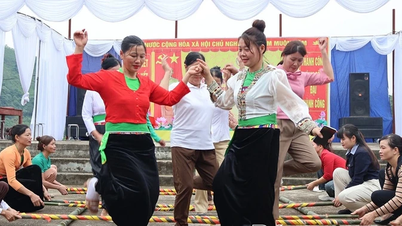
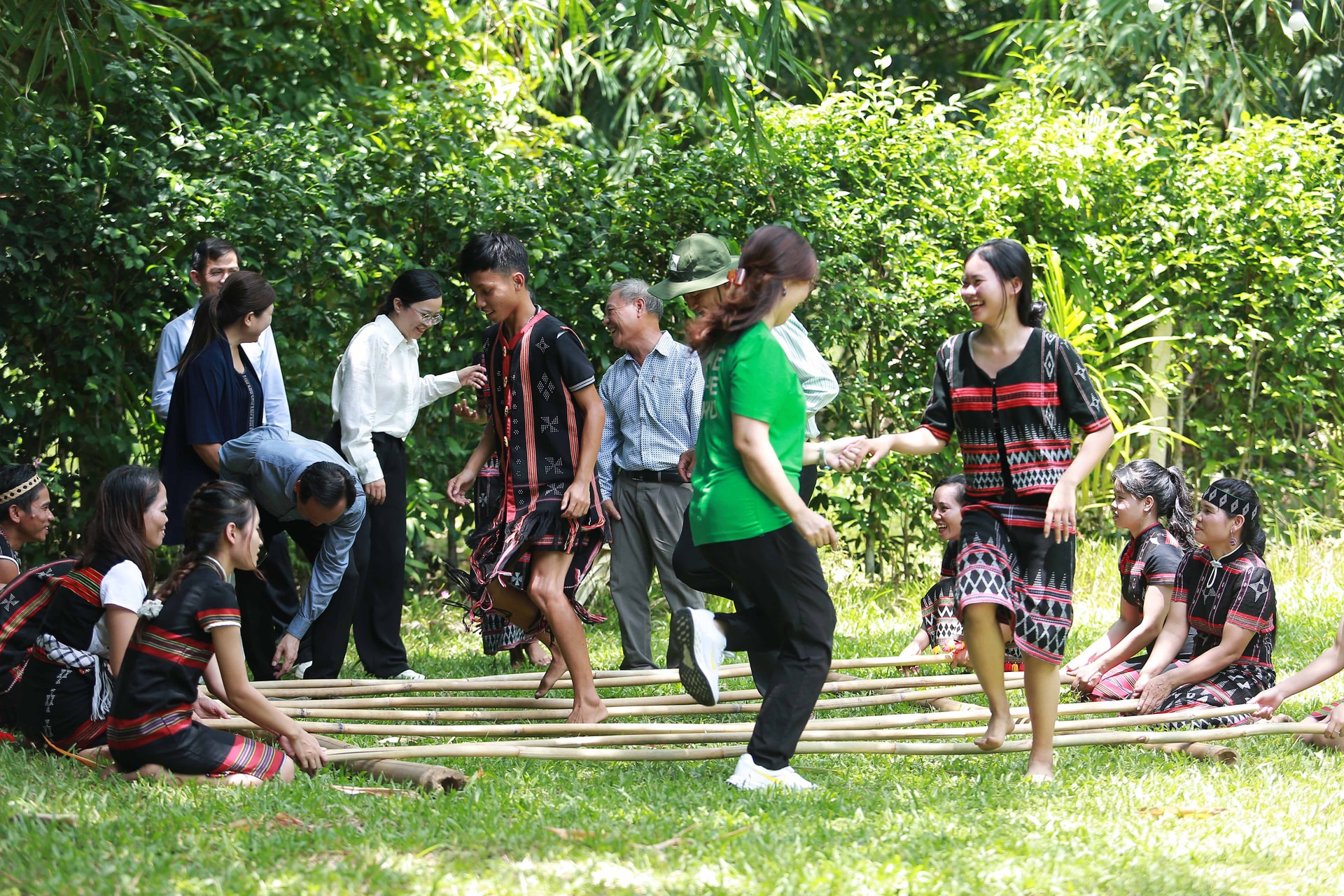
More than 10 years ago, using machetes to chop firewood and axes to cut timber was the reality of life for people in the upper reaches of the Cu De River. Now, rice paddies have become learning spaces. Under the forest canopy are rest stops for tourists, and village crossroads have become places for discussion and exchange of life experiences...
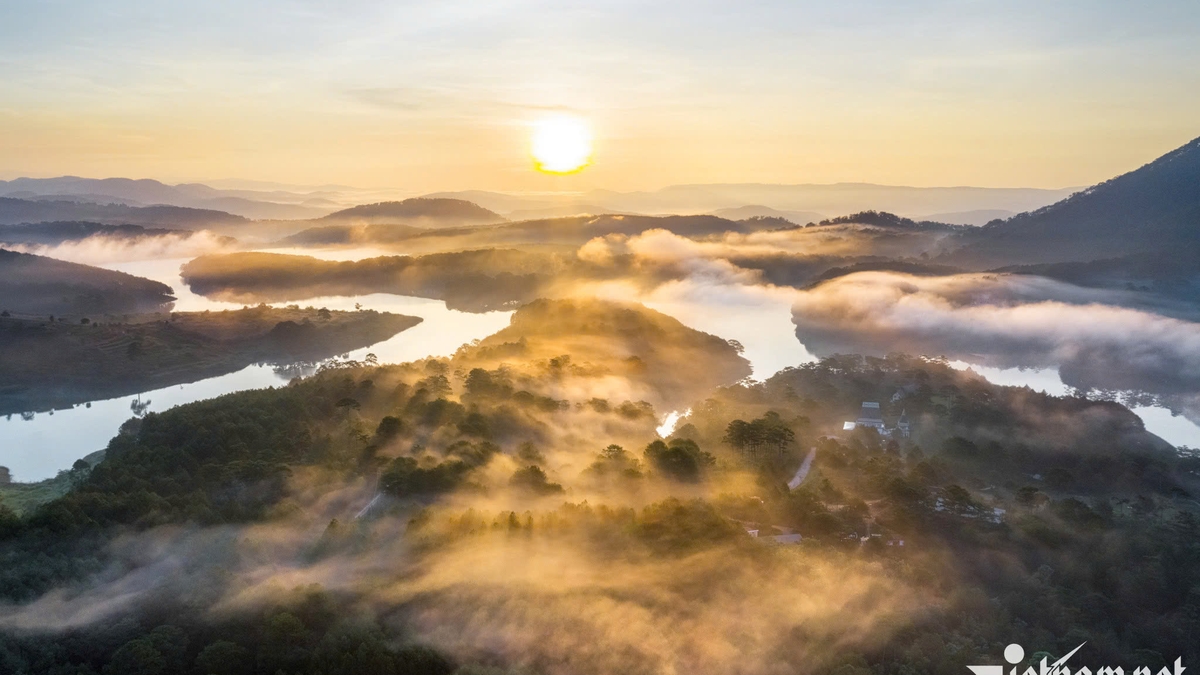
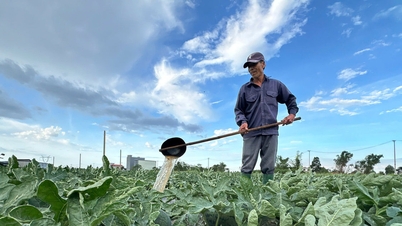
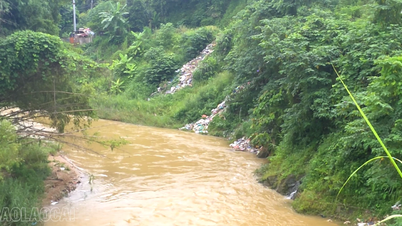
The natural characteristics of the Cu De River lie in its three layers of water stretching from its source to the sea, including freshwater, brackish water, and saltwater. During the summer months, saltwater from the sea flows back into the river, making rice cultivation difficult for the local people.
To realize the goal of developing rural agricultural tourism, it is necessary to consider development not only in terms of economics but also in creating value in terms of cultural preservation.


Summarizing the economic landscape of the Cu De River basin, Dr. Hoang Van Long, a researcher at the Da Nang Institute for Economic and Social Development Research, suggested linking the economic value of forests in the upper reaches, rice cultivation and tourism in the middle reaches, and traditional craft villages in the lower reaches of the river. In this linkage, tourism plays a fundamental role in ensuring its sustainability.
Sustainable development of the Cu De River basin
After days of continuous rain, Ms. Do Thi Huyen Tram, owner of Nam Yen homestay (Nam Yen village), is busy cleaning up the grounds of her homestay.
Based on her own experience, Ms. Tram stated: “Having traveled and studied various tourism models, I realize the need to improve the learning capacity of local people to become a pillar of rural agricultural tourism. Besides, tourists who come to us want to find a cool, clean, and beautiful environment. This can be achieved by strengthening the connection between tourism, education, and agriculture. Above all, we must view the local community as a long-term development partner.”
Ms. Huynh Thi Xuan (from Nam Yen village) is an important partner of Nam Yen homestay. Initially hesitant about welcoming and guiding tourists, Ms. Xuan gradually adapted through guiding domestic and international guests throughout the village. Each story she tells is a reflection of her life experiences and affection for the land. Her confidence and stable income further motivate her to passionately share her stories.
According to Ms. Le Thi Thu Ha, former Secretary of the Party Committee of Hoa Bac commune (formerly), the emergence and attention to tourism in a purely agricultural commune within just a few years has created many challenges in the process of cooperative implementation.
Having worked alongside local people in tourism from the very beginning, Ms. Ha said: “Initially, the people were quite unfamiliar with the direction of the government at all levels. They hadn't yet seen the potential value of the locality for developing sustainable community tourism. Everything was confined to their gardens, lacking extensive investment. To overcome these obstacles, community leaders like Ms. Tram, Mr. Nhu... were the ones who dared to think and act, creating motivation for the surrounding community to develop together.”


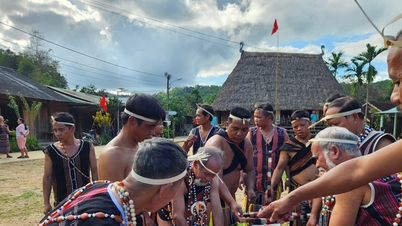
Regarding solutions for community tourism, Ms. Ha noted the need to guide the people on how to preserve things familiar to each household and the customs of the Co Tu ethnic group. The important thing is to protect the natural environment and avoid negative impacts on nature. The community needs to comply with and enforce regulations on waste management, forest protection, and sustainable use of natural resources in tourism activities.
Following the merger, the development of tourism throughout the city has more opportunities. The story of community tourism in Hai Van ward is a valuable experience. Dr. Hoang Van Long suggested: "It can be seen that connecting infrastructure and cultural exchange between the Cu De River basin and the western communes of the city such as Song Kon, Song Vang, Dong Giang, Tay Giang... is considered a long-term, effective approach that makes good use of existing potential."
Source: https://baodanang.vn/du-lich-ben-vung-3320555.html