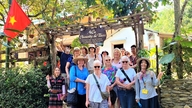
Tourists visit the medicinal herb fields in Go Noi. Photo: PHAN VINH
From essential oil fragrances to the dream of medicinal travel .
Following the Thu Bon River to Go Noi, one can now see not only the green of traditional corn, beans, and vegetables. The wind also carries the scent of lemongrass, ginger, melaleuca, and cinnamon – fragrances associated with the green entrepreneurial journey of biology teacher Nguyen Thi Kieu Anh.
Driven by a passion for indigenous medicinal herbs, Ms. Kieu Anh and her husband diligently researched and distilled essential oils. Small bottles of essential oil were produced, gradually finding their place in the market, achieving OCOP 3-star certification, and becoming a typical rural industrial product. But for Ms. Anh, the product is not the ultimate goal.
In the middle of her 7-hectare garden along the Thu Bon River, she expands her dream: "I want buyers to not just buy a bottle of essential oil, but to understand the process of making the product and the cultural value of the land where it originates."
From mid-2024, the "Experiential Tourism with Green Floating Hill" model began welcoming visitors. Tourists walk among medicinal herb beds, distill essential oils themselves, soak their feet in herbal baths, and enjoy local tea. They stroll through bamboo groves and village waterways, listen to folk songs and traditional theater, and realize that behind each product lies an entire cultural space.
From small bottles of essential oils, Go Noi is gradually taking shape as a green destination, where agricultural production is linked to culture and community. In 2025, the project won second prize in the "Searching for Startup Talents in Quang Nam" competition - a milestone in its entrepreneurial journey that is inseparable from its homeland.
Katu women and their "firsts"
In Bhơ Hôồng village (Sông Kôn commune), the name Đinh Thị Thìn is mentioned as a pioneer. She established the first private homestay and was the first Cơ Tu person to establish and operate a tourism company in the area.
You may also like
"Ambassador" of the highlandsOne day in mid-January 2026, after leaving Acu Homestay in the Bhơ Hôồng cultural and tourism village (Sông Kôn commune), the couple Gérard and Michelle (French nationals) left a handwritten note (roughly translated): “Paradise still exists. This village is the clearest proof. An ideal place to find peace and a simple life. The warm welcome and charming nature of the people here are unforgettable.” 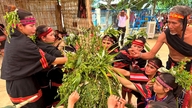
Longer than an hour of gong playingSpring of the Year of the Horse - A resounding howl echoes from the ancient Co Tu village. The villagers have begun their festivities; the sound of gongs reverberates through the valley, spreading across the vast expanse. The rituals of the new rice harvest celebration are beginning. In 2012, after graduating with a degree in Vietnamese Studies, Thin returned to her village to volunteer for the Community Tourism Management Board. For five and a half years, without pay, she traveled throughout North, Central, and South Vietnam to learn about tourism.
"That journey always made me wonder: why can people elsewhere do it, but we can't?" she once shared.
The time spent "working and learning" as a volunteer helped Thin realize one thing: if visitors only stop by to watch the performances and then leave, culture will forever remain on the sidelines. She began proactively designing in-depth experiential tours, connecting artisan homes with the forest trails of Dong Giang and Tay Giang, focusing on authentic cultural experiences.
Believing that "language is the key," she opened a free English class for over 30 young people and women in the village. Their initial awkward greetings gradually turned into confidence. "When people can introduce their own culture, they are no longer hesitant," she said.
After COVID-19, when Bhơ Hôồng saw a decline in tourists, Thìn didn't give up. In 2022, ACu Homestay was established. The house features traditional Cơ Tu architecture with thatched roofs, bamboo walls, and wooden floors. In the evenings, guests gather around the fireplace to listen to gongs and drums; in the mornings, they open the doors to find the mountains covered in white mist.
From that homestay, she connected activities such as weaving, brocade making, archery, and cooking bamboo rice, so that every family in the village could participate.
In April 2025, Ms. Thin established a travel company. The market expanded from European and American tourists to Korean and domestic tourists, but the philosophy remained the same: preservation is the foundation of development. "What I hope for is not just income, but for the world to know that the Co Tu people have a unique culture that deserves to be preserved," she confided.
Preserving the paulownia wood, preserving the ancient island craft.
How can we integrate local culture and products into sustainable tourism development? This is also what Le Thi Bich Cong (from Tan Hiep island commune) has always pondered when deciding to return to her hometown to start a business.
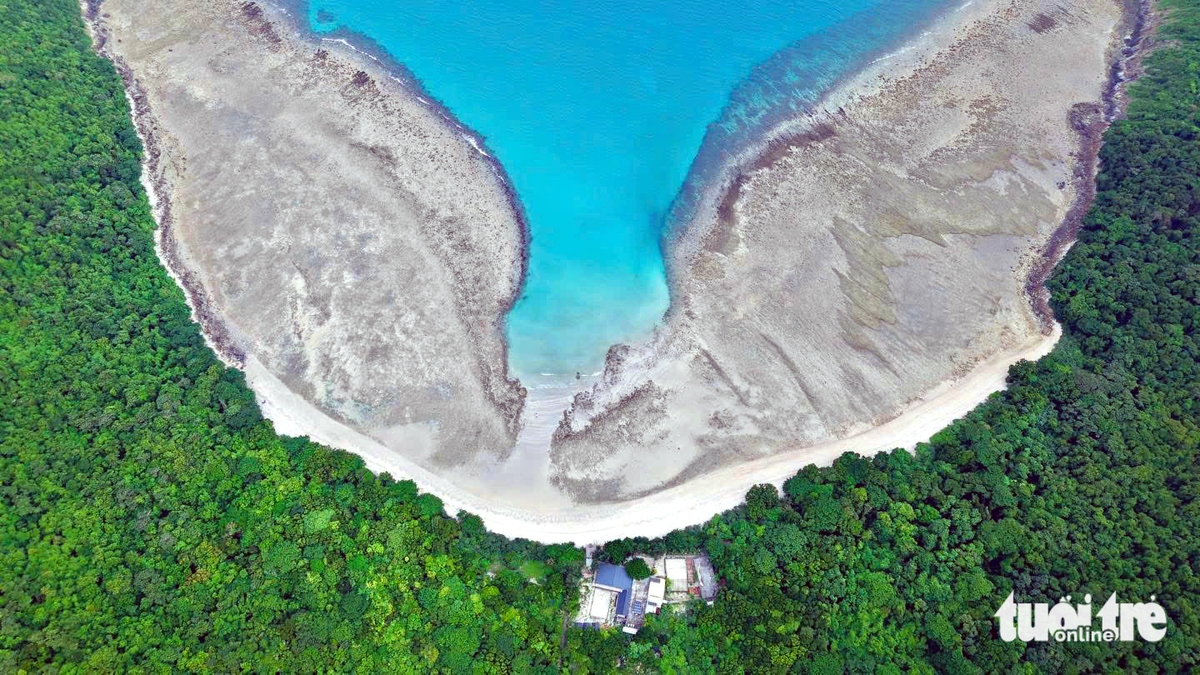
Amidst a growing tourism industry, the island faces considerable pressure. Tourists arrive quickly and leave hastily; their spending is primarily on short-term services, while opportunities for cultural experiences and local products remain lacking. It's clear that if value isn't created from its own heritage, Cu Lao Cham will gradually be swept away by mass exploitation.
"I want visitors to come here not only to admire the sea, but also to understand the deeper aspects of this land," Cong said.
You may also like

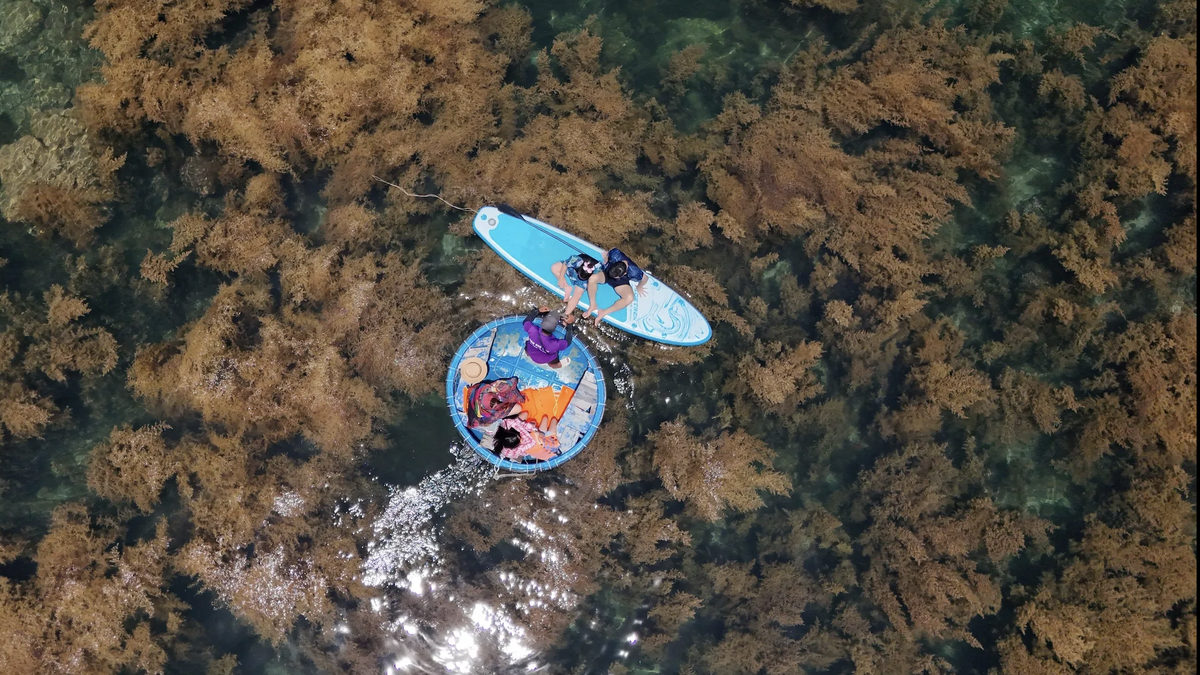
The challenge of increasing value for sustainable tourism development.In recent years, thanks to social media, the image of Cao Bang has spread widely. This has helped promote Cao Bang more widely, but it has also created some pressure on local tourism businesses. Cao Bang province is proposing many solutions to develop sustainable and professional tourism. Driven by this concern, Cong and Nguyen Thi Hong Thuy founded the Moc Cham community livelihood model. They started with paulownia fiber – the raw material for the traditional hammock weaving craft, which has been recognized as a national intangible cultural heritage. The "Preserving the Fiber - Preserving the Craft" workshop was created, taking visitors on a journey of spinning fiber, weaving hammocks, making handicrafts, and listening to stories about the ancient craft.
Moc Cham also built a value chain for forest tea leaves and developed the "Live with the Locals - Experience Local Culture 2 Days 1 Night" program. Tourism is not separate from daily life, but relies on the very rhythm of community life, from meals and traditional houses to stories of boats and the sea.
In early 2026, the project "Building a value chain for forest tea leaves and handicrafts from paulownia fiber in Cu Lao Cham" by Cong and his colleagues successfully received funding from the Swiss Tourism for Sustainable Development Project in Vietnam; the Moc Cham Cooperative also officially received its certification.
This is not only a recognition of the entrepreneurial initiative of the two young women, but also opens up a new direction for the kapok fiber, so that from these delicate threads, the ancient craft can continue to be woven sustainably into the future of Cu Lao Island.
Source: https://baodanang.vn/thap-lua-nhung-mien-que-3326989.html