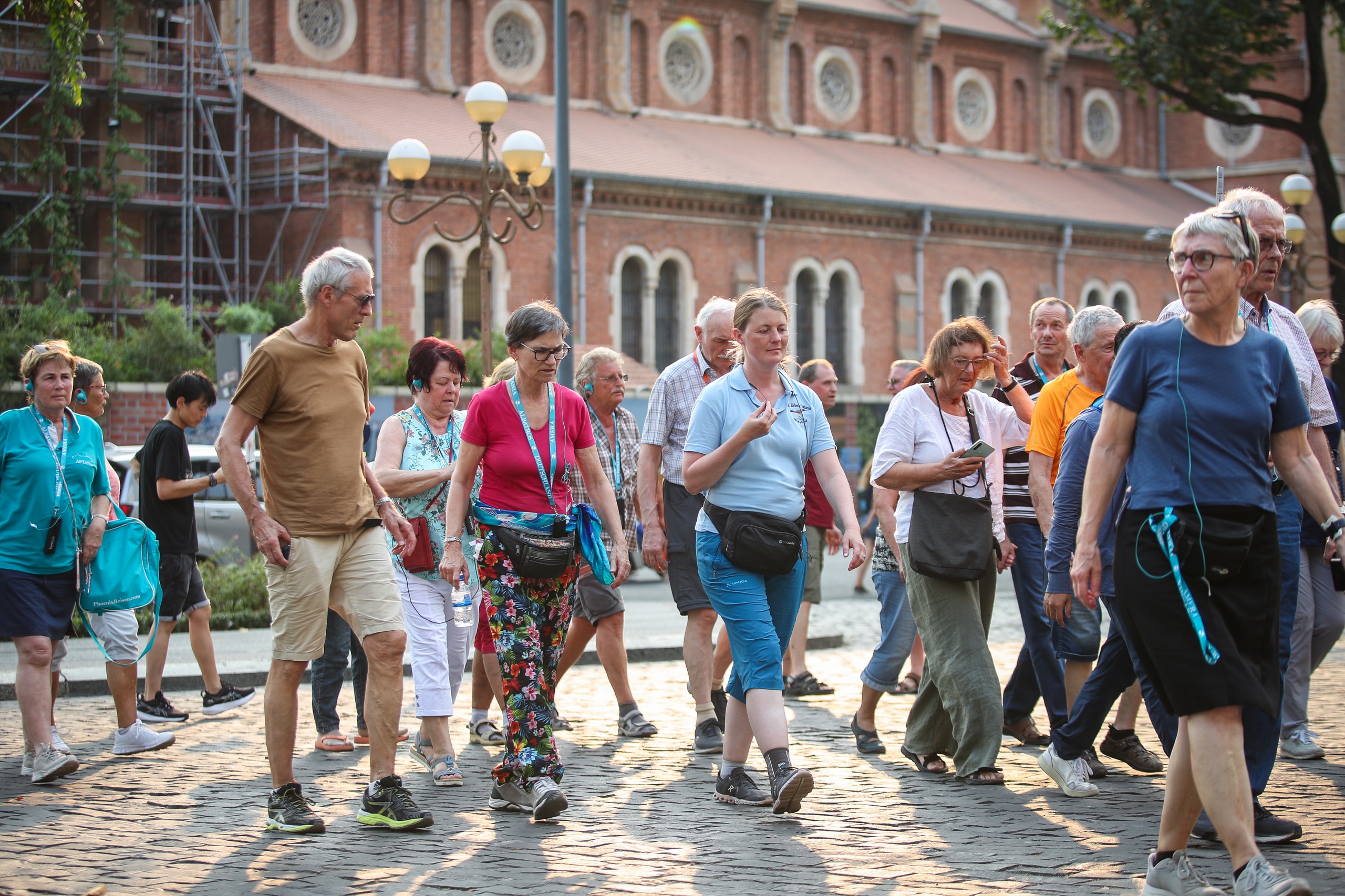

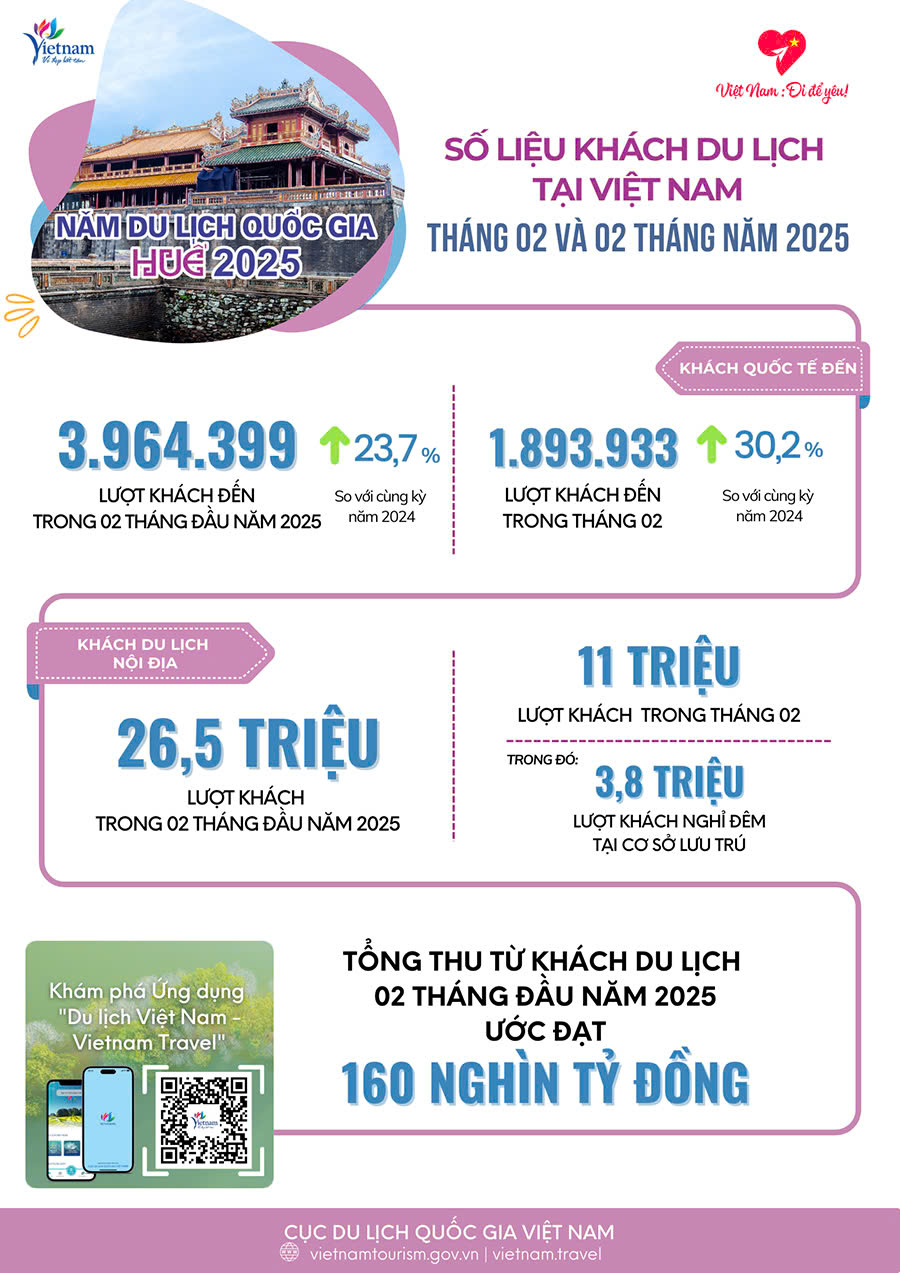
According to the latest figures from the National Tourism Administration, in February, Vietnam welcomed nearly 1.9 million international visitors, bringing the total number of international visitors in the first two months of 2025 to nearly 4 million, an increase of 30.2% compared to the same period last year. This 30.2% increase is very impressive, considering that the first two months of last year also saw a massive surge in international visitors to Vietnam, increasing by 68.7% compared to the same period in 2023, reaching over 3 million. It is clear that we are not only maintaining our momentum but also accelerating our growth.
In terms of market comparison, the situation has also changed significantly, with South Korea no longer holding the top position among Vietnam's largest source markets for tourists. Instead, China has made an extremely impressive comeback, recording a growth rate of nearly 78%, equivalent to 956,000 visitors, accounting for 27.7% of the total international tourists to Vietnam in the past two months.
This strong recovery is attributed to a series of activities aimed at connecting and opening up markets, strengthening cooperation and exchange of tourists between relevant agencies, localities, and businesses of the two countries. Tourism routes between Vietnam and China are becoming increasingly vibrant, with products continuously being added with diverse destinations and affordable prices, meeting the needs of many customer segments. Among these, the "golden" tourism route – "Two Countries – Six Destinations" (Kunming, Honghe, Sa Pa, Hanoi, Hai Phong, Ha Long) – has become a model tourism product, attracting a large number of tourists from both countries. In addition, many new flight routes have been opened recently, making travel between localities of the two countries much more convenient, especially between major tourist centers, such as the charter flight from Hai Phong to Lijiang (China) which started in June 2024; Vietnam opened a route between Hanoi and Haikou (Hainan, China), and most recently, West Air launched a new route between Hanoi and Chongqing (China) with a frequency of 3 flights per week. To date, there are more than 330 flights per week between Vietnam and China.
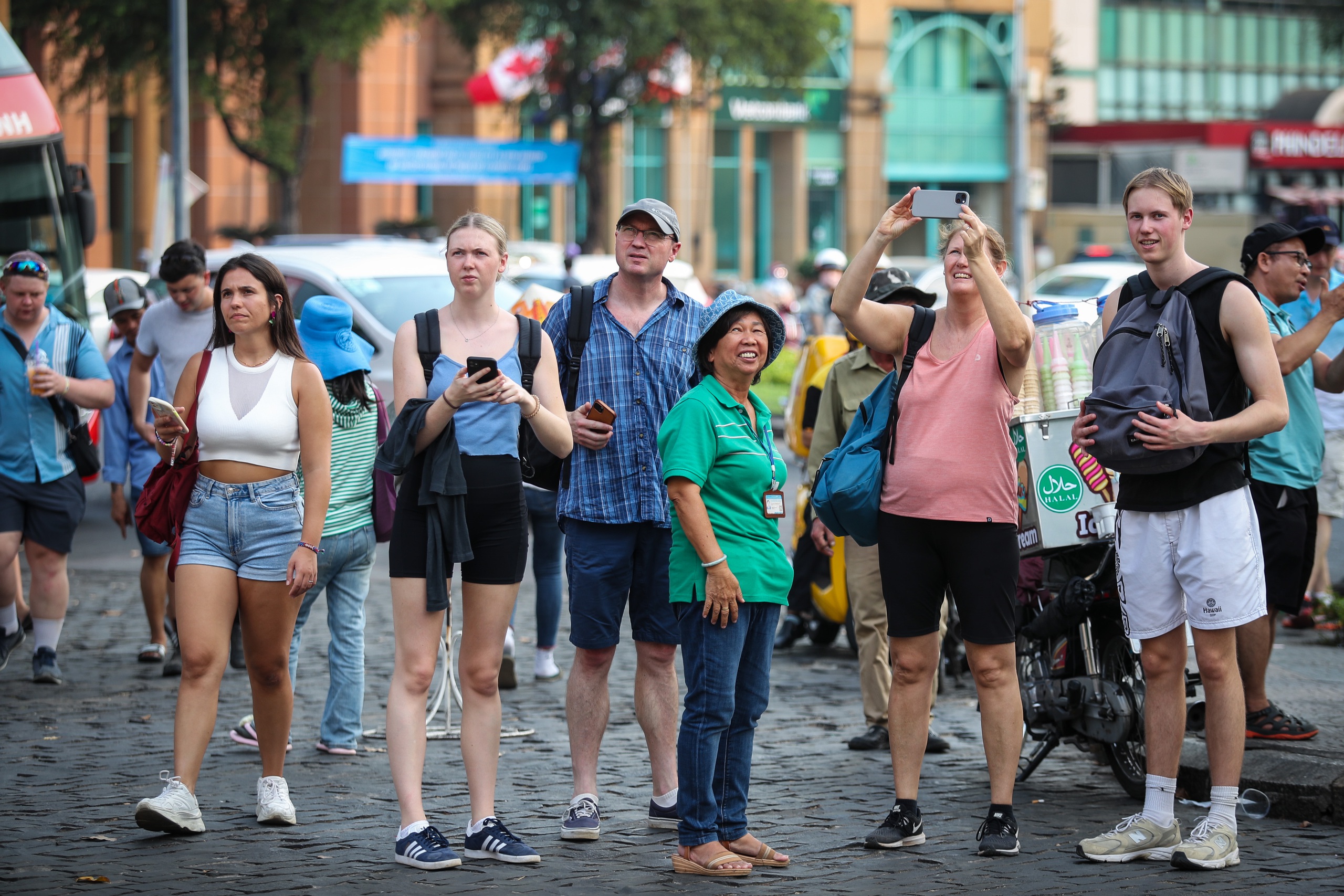
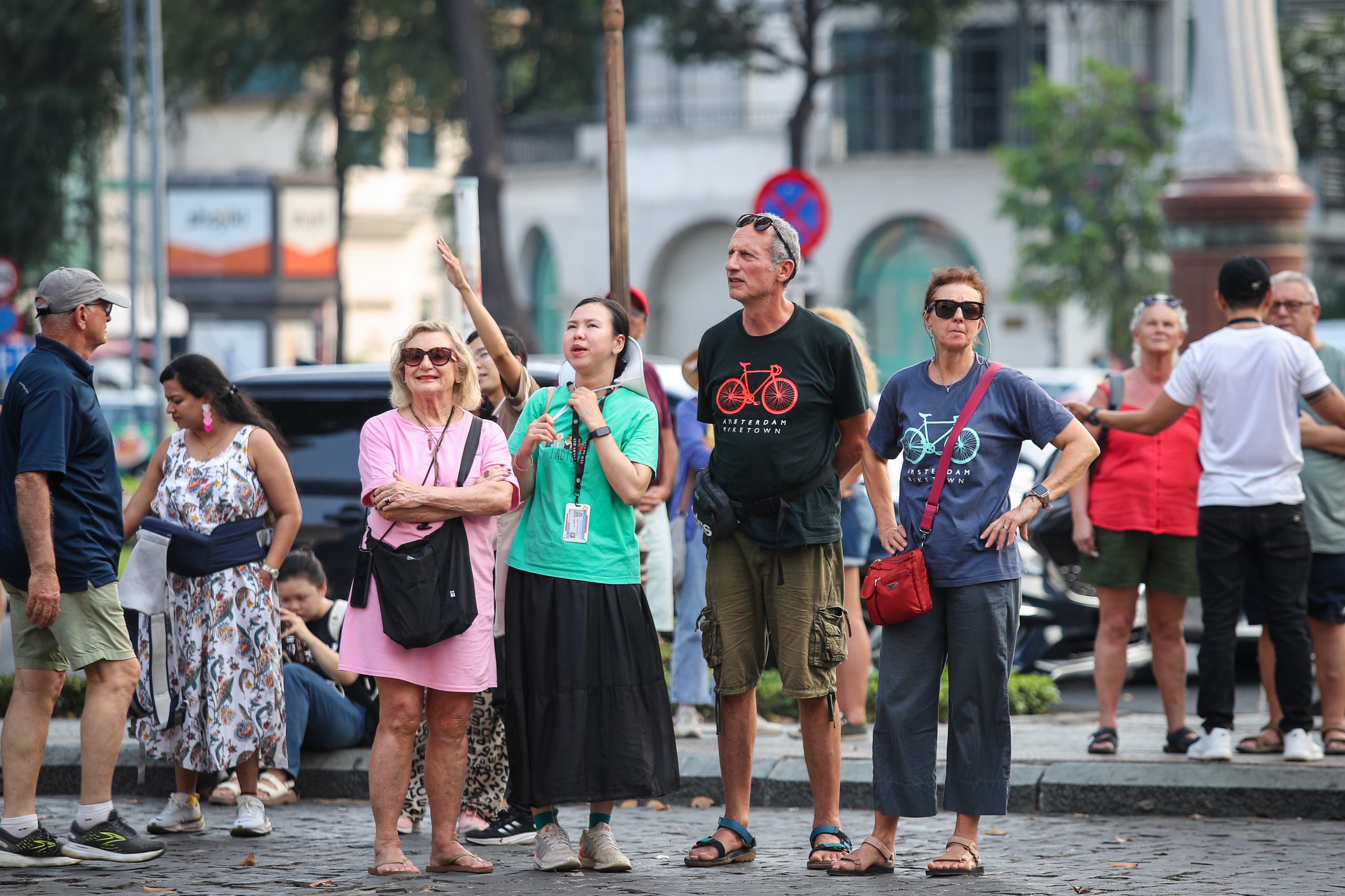
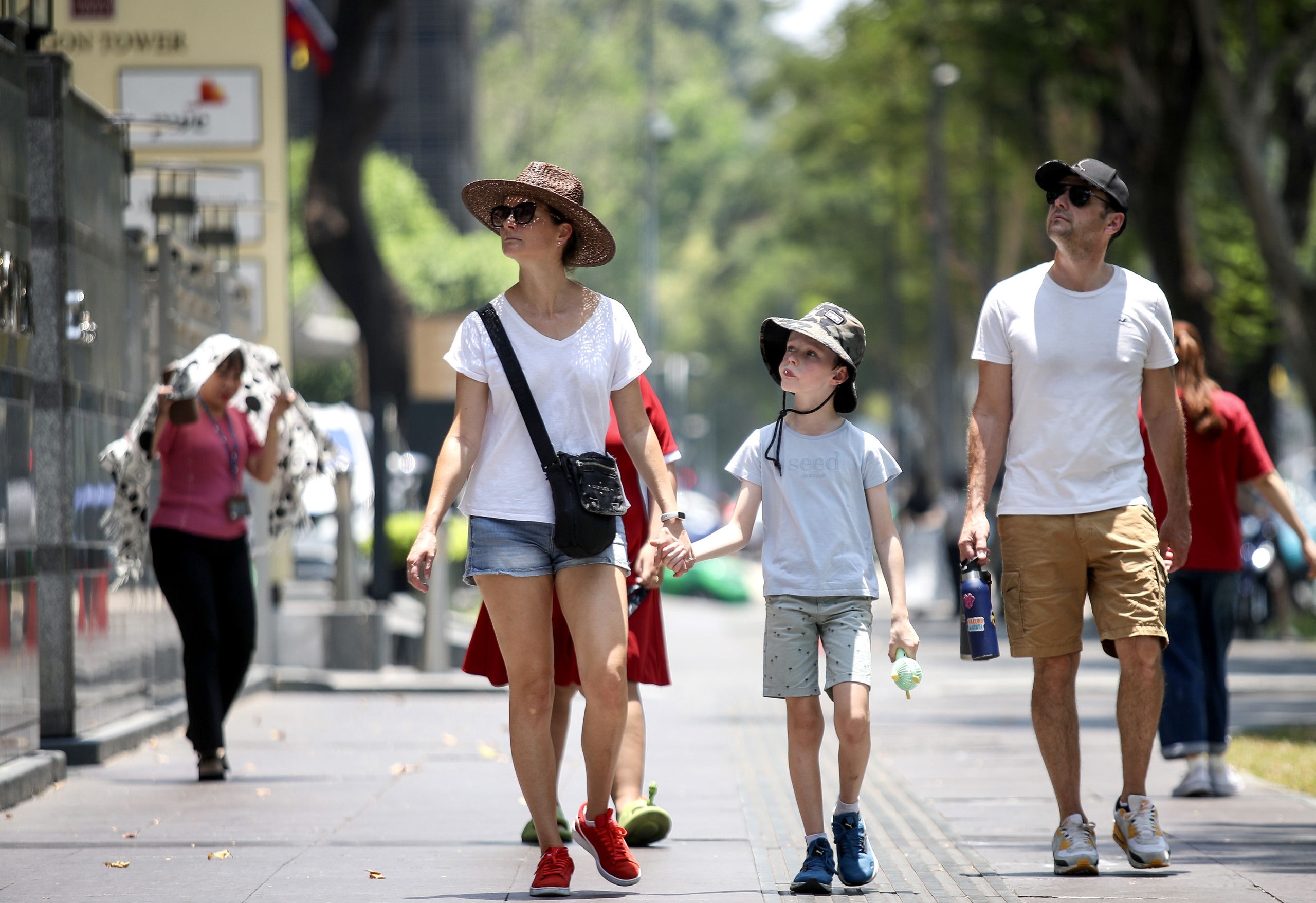
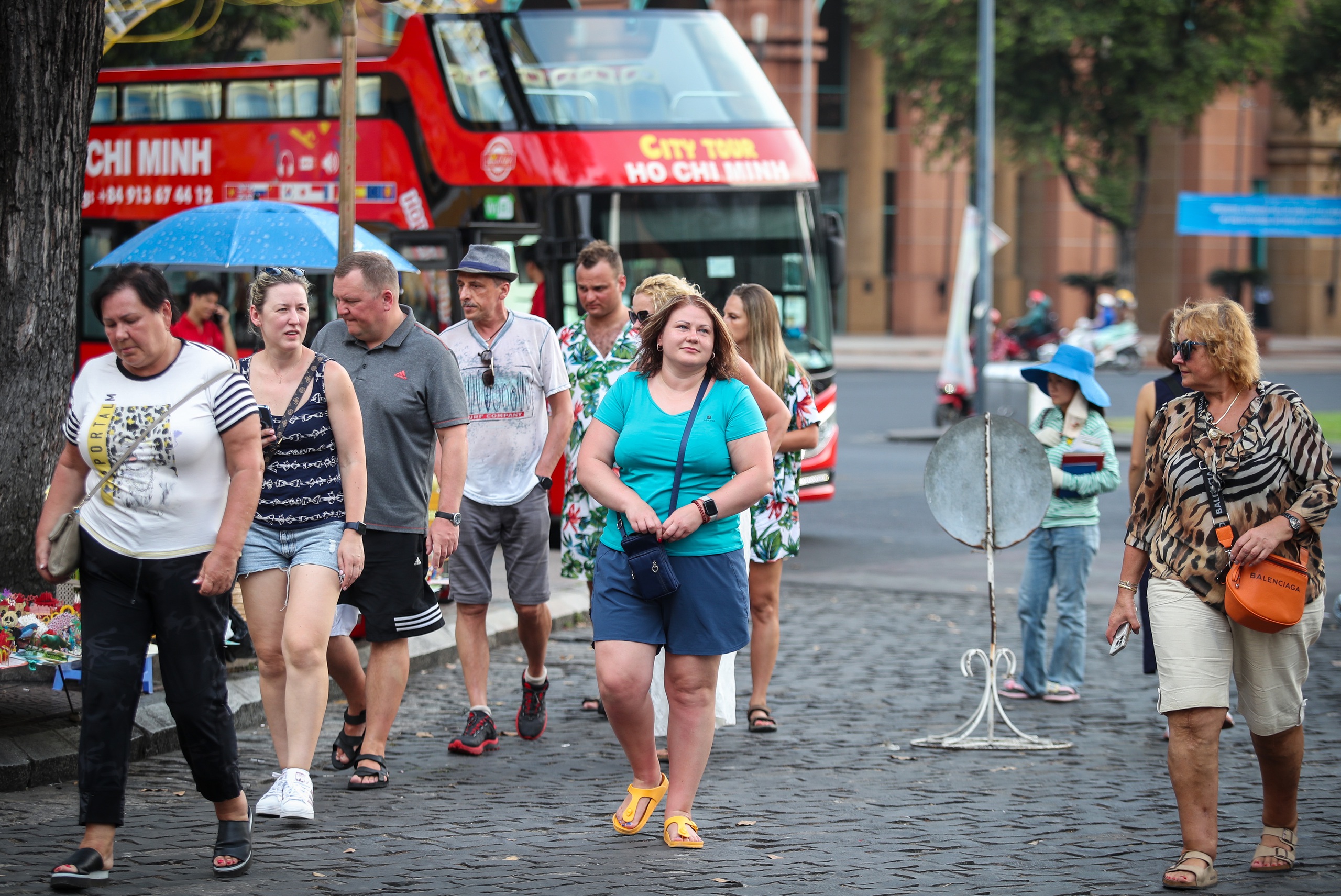
Before the Covid-19 pandemic, Chinese tourists accounted for one-third of the total number of international visitors to Vietnam. Chinese tourists travel extensively in large groups, making them a highly sought-after target for tourism industries, with every country vying for this enormous market share. In the second half of 2024, the rapid growth of Chinese tourists, making them the second largest source market for Vietnamese visitors, provided a significant impetus for the tourism industry to achieve its goal of welcoming nearly 18 million international visitors. Therefore, these positive signs from the beginning of the year instill great confidence in Vietnam's tourism industry's challenging target of welcoming 22-23 million foreign visitors this year.
This confidence was further bolstered by the unexpected return of Russian tourists. With 79,000 visitors in the past two months, Russia has reappeared after a three-year absence from Vietnam's top 10 largest source markets, since the conflict in Ukraine, not to mention the pandemic period. At that time, the entire tourism industry was on edge because Russian tourists were considered one of the key source markets. When Vietnam piloted the reopening of tourism after the Covid-19 hibernation, Russian tourists were among the first markets to enter Vietnam and accounted for the largest proportion.
Mr. Dang Minh Truong, Chairman of the Board of Directors of Sun Group, assessed that China and Russia were two of the leading international tourist markets for Vietnam's tourism industry before Covid-19. For various reasons, both markets experienced a regrettable decline in recent years. However, recently, the number of tourists from these two markets has continuously shown signs of growth, as reflected in figures from the National Tourism Administration. While the absolute numbers have not yet reached 2019 levels, the impressive recovery of these two major tourist markets is extremely important, creating momentum and confidence for Vietnam's tourism industry in general and the tourism business community in particular, thereby encouraging further development and implementation of solutions to attract international tourists.
You may also like

The key to promoting green and sustainable community tourism.The set of criteria for evaluating rural tourism destinations associated with green growth, currently being finalized by the National Tourism Administration, is expected to create a standard framework for sustainable community tourism development, increase creativity, help tourism villages raise their green standards, attract tourists, and integrate internationally. 
Searches for Vietnam tourism from China increased by 164%.According to newly released data from Agoda, searches for accommodation in Vietnam from the Chinese market increased by 164% in the first five months of the year compared to the same period last year, the highest among all international tourist markets to Vietnam. "Along with the government's and the tourism industry's reasonable policies of easing restrictions, visa exemptions, and stimulus measures, the recovery of these two traditional international tourist markets is also an important leverage to help Vietnam's tourism accelerate, aiming to successfully achieve the target of welcoming 22-23 million international tourists in 2025," Mr. Dang Minh Truong observed.

According to the General Statistics Office, the strong recovery of tourism has positively contributed to the growth of the trade and service sector in the first two months of the year. Specifically, total retail sales of goods and consumer service revenue in February are estimated to have increased by 9.4% compared to the same period last year. For the first two months of the year, total retail sales of goods and consumer service revenue increased by 9.4% compared to the same period last year, with accommodation and food service revenue increasing by 12.5% and travel and tourism revenue increasing by 16.4%. Total retail sales of goods and consumer service revenue at current prices for the first two months are estimated at VND 1,137 trillion, an increase of 9.4% compared to the same period last year (8.4% increase in the same period of 2024). Excluding price factors, the increase is 6.2% (5.3% increase in the same period of 2024). In addition, tourism revenue in several localities increased sharply during the first two months, such as Hue (up 31.5%), Quang Ninh ( up 21.3%), Binh Duong (up 17.1%), Da Nang (up 16.6%), Ho Chi Minh City (up 13.2%), and Hanoi (up 12.2%).
Chairman of Vietravel Corporation, Nguyen Quoc Ky, analyzed: Tourism is a comprehensive economic sector, so promoting tourism will have a ripple effect on many other economic sectors. Not only consumption and services, but also real estate and infrastructure can flourish if there are vibrant tourism activities. This is because, in the local economic structure, the construction and industrial sectors are given significant attention and focus. When tourism develops, the tourism real estate and resort real estate sectors will also revive, thereby increasing the proportion of the industrial and construction sectors. Along with that, tourism also makes a significant contribution to the knowledge economy through digital transformation from online sales networks, connecting and operating OTA channels, etc.
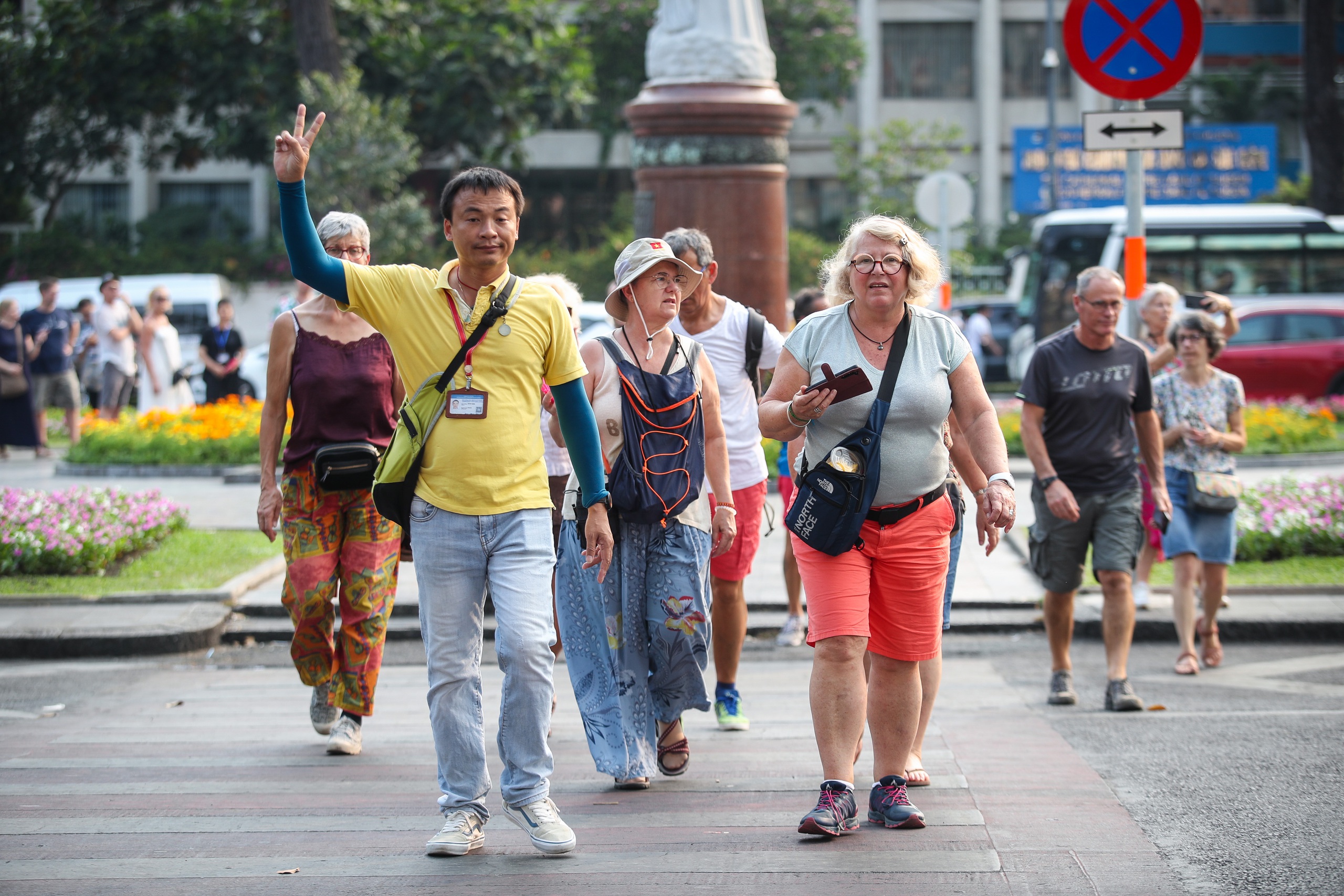
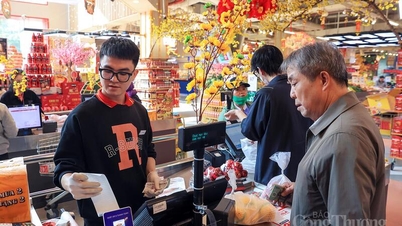
"It's clear that tourism plays a crucial role in activating all the sectors considered key drivers of Vietnam's high economic growth of 8% this year, namely investment, consumption, services, and the digital economy. Most importantly, its ripple effect is very rapid. Ben Thanh Market, which was previously deserted, immediately sees traffic congestion around it and vendors rushing to sell their goods as soon as international tourists arrive. A series of resort and condotel projects in Phan Thiet, Nha Trang, Da Nang, etc., which were previously in disrepair, are revived and redecorated as soon as tourists arrive. To achieve major economic goals in a relatively short time, nothing is more effective than strongly promoting the development of tourism and services," Mr. Nguyen Quoc Ky emphasized.
Sharing the same view, Associate Professor Tran Dinh Thien, former Director of the Vietnam Institute of Economics, affirmed that tourism is a very important driving force for achieving the 8% GDP growth target this year and double-digit growth in the coming period. Vietnam has moved beyond relying on traditional industries because these industries have become saturated. "We have only received 18 million tourists, which is not enough. Countries with fewer resources and potential than us still receive 40-50 million tourists, so Vietnam's potential is still enormous. In the context of the country's strong opening up, when everyone is enthusiastically traveling to explore new things and enjoy life, Vietnam's choice of tourism as a key industry for explosive development and breakthrough is absolutely correct," said Professor Thien.
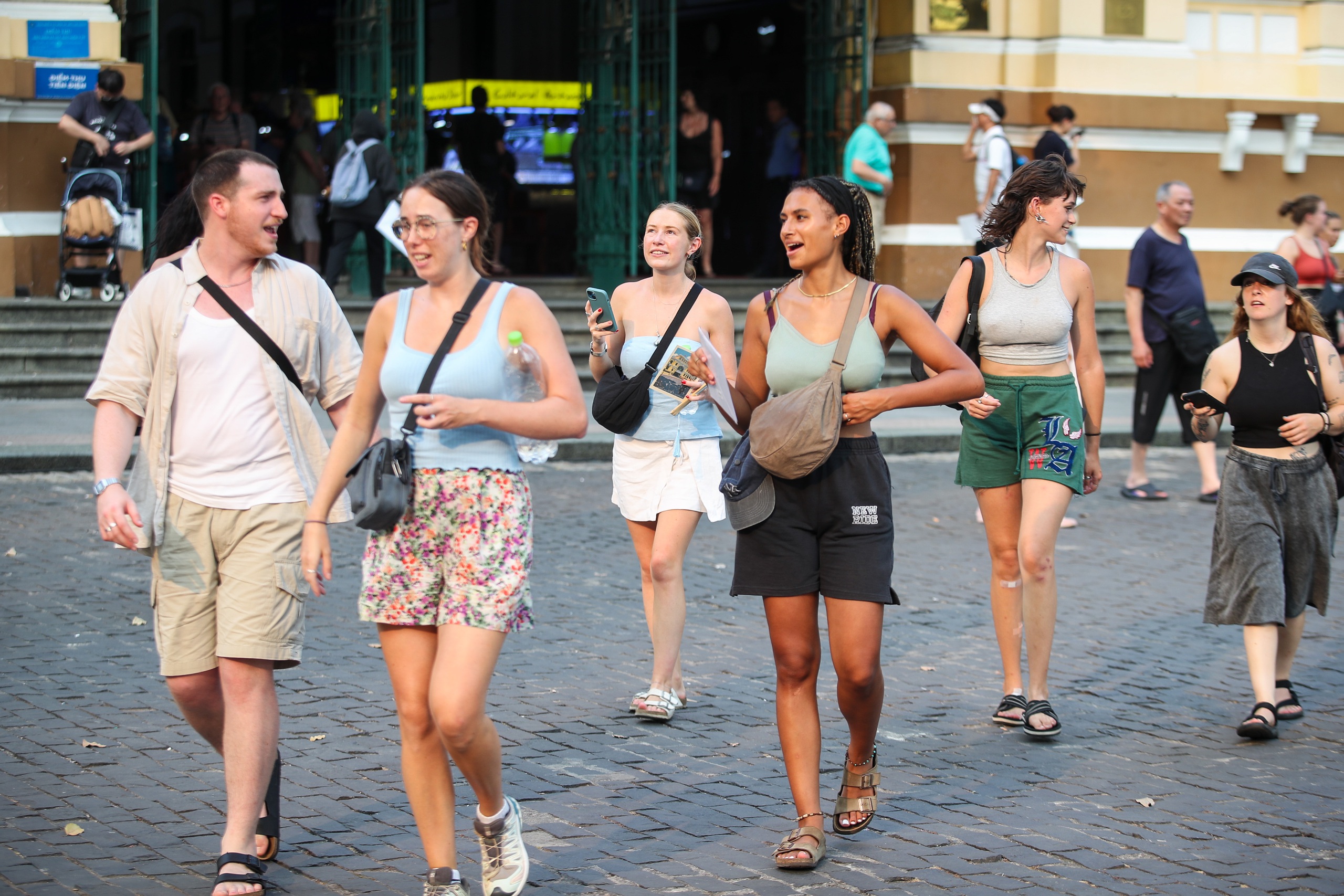
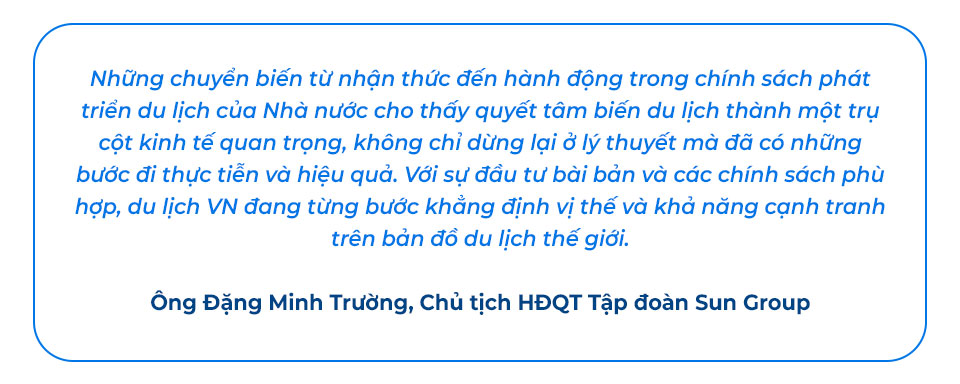
Looking back at the recovery of Vietnamese tourism after the pandemic, Mr. Dang Minh Truong believes that Vietnamese tourism is currently converging on many opportunities to enter a new era. Specifically, in recent years, Vietnam's tourism development policies have undergone significant changes, clearly demonstrating the determination of the Party and the State to make tourism a key economic sector. This transformation is not just at the level of awareness but has been concretized into decisive and practical actions closely aligned with reality.
Most impressively, Vietnam's visa policy has become increasingly flexible and relaxed, facilitating international tourism. Under the direction of the Government, the electronic visa (e-visa) system has been expanded to citizens of all countries and territories since 2023, simplifying entry procedures and increasing competitiveness with other destinations in the region such as Thailand and Malaysia. Most recently, the issuance of a visa exemption policy for citizens of Poland, the Czech Republic, and Switzerland to visit Vietnam until the end of 2025, along with Resolution 44 (issued on March 7th) granting visa exemptions to citizens of 12 countries, represents a significant step forward in Vietnam's policy of attracting international tourists.

According to the Chairman of the Board of Directors of Sun Group, besides the government's attention and investment in the tourism industry, the more flexible and favorable visa exemption policy, and the comprehensive transformation of the country in many fields, the 30th Asia-Pacific Economic Forum (APEC) to be held in Phu Quoc in 2027 can be seen as a great opportunity for Vietnamese tourism to seize new opportunities. The APEC 2027 event is not only an opportunity for Phu Quoc to accelerate its development, change its image, and establish a new position on the international tourism map, but also an opportunity to increase the global recognition of the Vietnamese tourism brand. APEC is an important economic forum, bringing together high-level leaders and businesspeople from 21 member economies, including the US, China, Japan, South Korea, Australia, etc. These are all key tourist markets for Vietnam. Furthermore, this event will undoubtedly attract the attention of international press and media, making Vietnam a focal point of global attention. The conferences and exhibitions held alongside APEC 2027 will not only benefit Phu Quoc but also provide an opportunity for Vietnam's tourism industry to showcase its natural beauty, culture, and tourism services to the international community.
"From a business perspective, we highly appreciate the close guidance and favorable conditions provided by the Party and Government to the tourism industry. However, we still propose that the Government continue to relax the visa exemption policy so that Vietnam can enhance its competitiveness with other countries in the region, because although Vietnam's visa policy has improved, it is still modest compared to many neighboring countries," Mr. Dang Minh Truong stated.
Strengthening the friendship between Vietnam and the United States.On July 3rd, as part of the Pacific Partnership - Friends of the Pacific 2026 program, the U.S. Army Pacific delegation, led by Lieutenant General Joel Vowell, Deputy Commander of the U.S. Army Pacific, paid a courtesy visit to the Quang Tri Provincial Military Command. 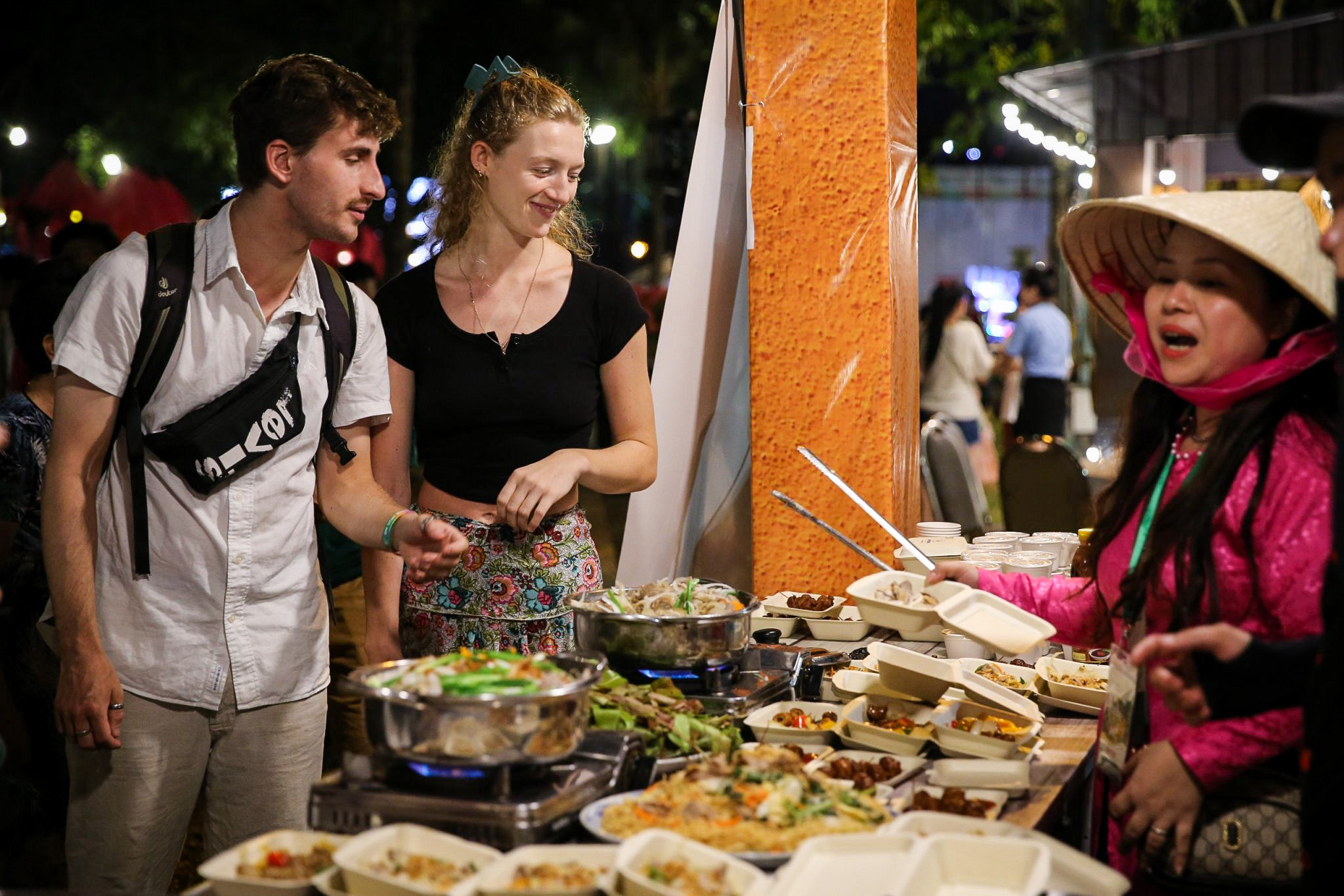
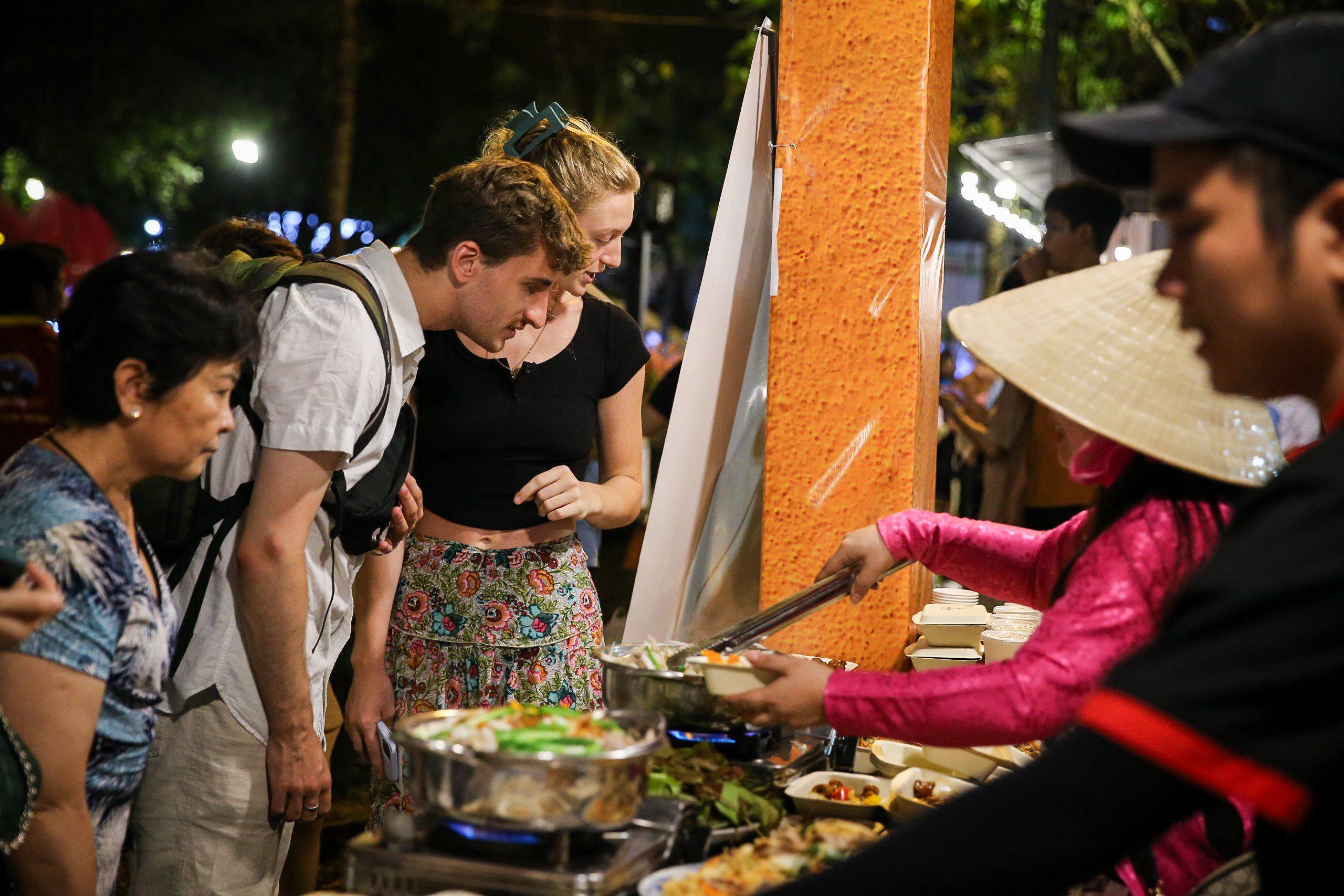
Mr. Nguyen Quoc Ky also assessed that the visa exemption for Poland, the Czech Republic, and Switzerland has created a major boost for Vietnamese tourism right from the beginning of the year. Currently, at the ITB Berlin 2025 International Tourism Fair taking place in Germany, Vietnamese tourism and aviation businesses, including Vietravel, are actively working with partners to make the most of this government visa policy. Direct flights and charter flights to the Czech Republic are also being planned for launch. The tourism industry is doing very well, with the expectation of quickly creating a ripple effect so that the government will continue to extend and expand such groundbreaking policies.
According to Mr. Nguyen Quoc Ky, although the importance of the tourism industry is clearly recognized from the central government to local authorities, direct investment remains insufficient. Besides the experimental implementation of new visa policies, there are no policies to create breakthrough products. The tourism industry is still struggling with promotion and advertising without sufficient funding. While a tourism development fund exists, it operates like a state budget, making its use difficult and slow. The overseas tourism promotion agency has been repeatedly called for but has yet to be implemented. Every locality emphasizes prioritizing tourism development as a key economic sector, but land allocation and infrastructure provision plans remain sluggish, following a series of laws and regulations. Some projects require land, but businesses have to wait 2-3 years for local authorities to auction it off. These are typical examples of the obstacles hindering the development of the tourism industry.

Thanhnien.vn
Source: https://thanhnien.vn/du-lich-but-toc-don-van-hoi-moi-185250308210844533.htm





![[Photo] General Secretary and President To Lam working with the Technical and Professional Center, Ministry of Public Security](https://vphoto.vietnam.vn/thumb/1200x675/vietnam/resource/IMAGE/2026/07/06/1783318005842_a1-bnd-1129-2263-jpg.webp)

![[Photo] General Secretary and President To Lam working with the Technical and Professional Center, Ministry of Public Security](https://vphoto.vietnam.vn/thumb/402x226/vietnam/resource/IMAGE/2026/07/06/1783318005842_a1-bnd-1129-2263-jpg.webp)