

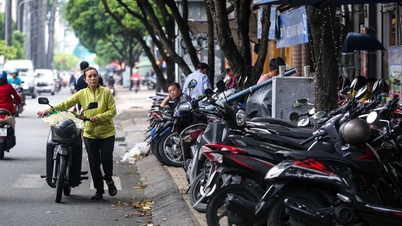
According to observations, in recent days, under the hot weather, small-scale street vendors selling drinks and fruits in baskets and trays have continued to operate.
Instead of renting a stall, they opted to sell on the sidewalk with minimal equipment to maximize profits.

Having set up her stall selling local fruits like bananas, papayas, and green vegetables on the sidewalk of Chua Lang Street for over 10 years, Ms. Hang said she sells from early morning until around 6 PM every day.
"Although I know selling goods on the sidewalk is against the law, because the input costs are low, it's the main source of income for me to support my large family, especially my children who are of school age," Ms. Hang said.
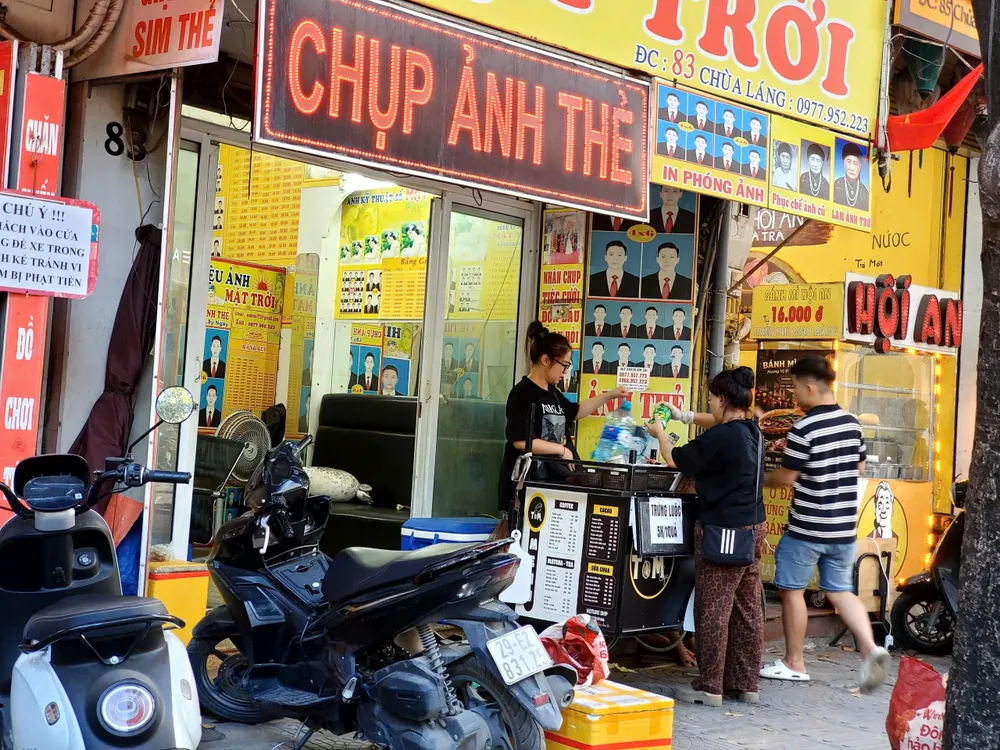
Regarding the proposal to rent out sidewalk space, Ms. Hang affirmed that she is willing to pay a reasonable fee to have a legal place to sit, no longer having to hide from the police, and being able to sell her goods and earn money with peace of mind.
Not far away, a woman over 50 years old has also been selling her wares in front of people's houses for nearly 30 years. She said that due to joint pain, she can't do other jobs and has to sell her goods while on the run. Her revenue has decreased by nearly 50% because customers are afraid to stop and buy her wares.
Regarding the proposal to rent out sidewalk space for selling goods, this woman expressed concern that it would obstruct access to people's homes and create a conflict of interest.
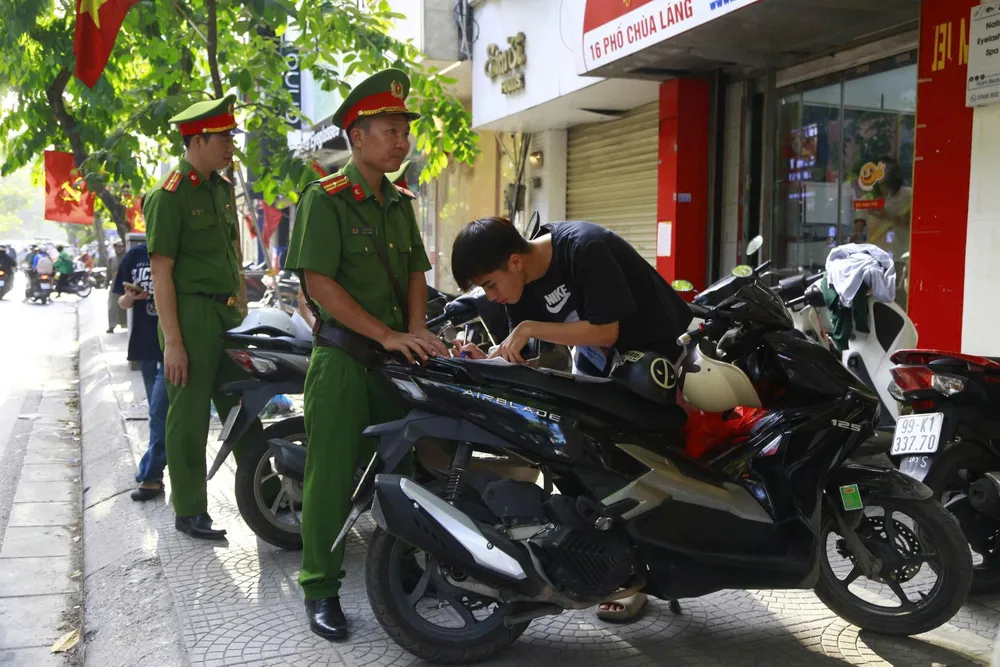
On May 15th, upon seeing the ward police force, some street vendors on Chua Lang Street quickly packed up and covered their goods, either hiding them in people's houses or running into alleys or markets.
Selling goods on the sidewalk for so long has become a habit for them, making it very difficult for them to change or find another place to do business.
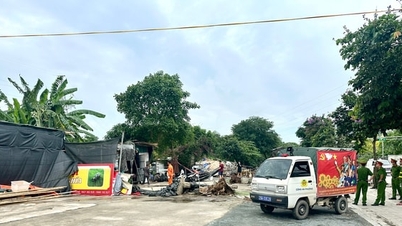
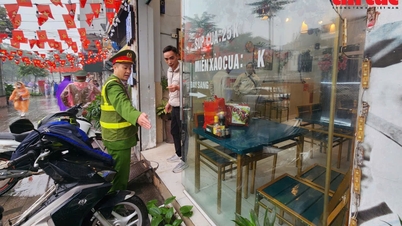
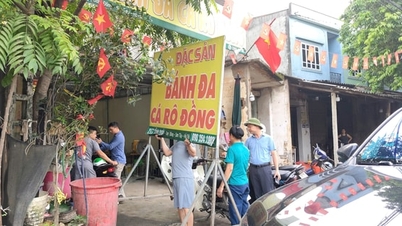
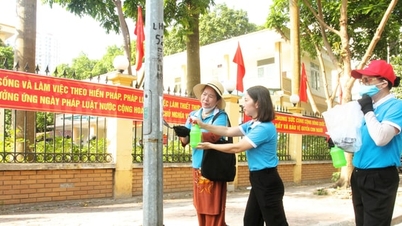
According to the Lang Ward Police, every day, four task forces, operating at four different times, patrol from 6:00 AM to 10:30 PM to raise awareness, remind people of regulations, and handle violations of sidewalk order.
Over 90% of the sidewalks in the area have been cleaned up and are more spacious, although some residents or customers still lack awareness and continue to display goods or park vehicles illegally.
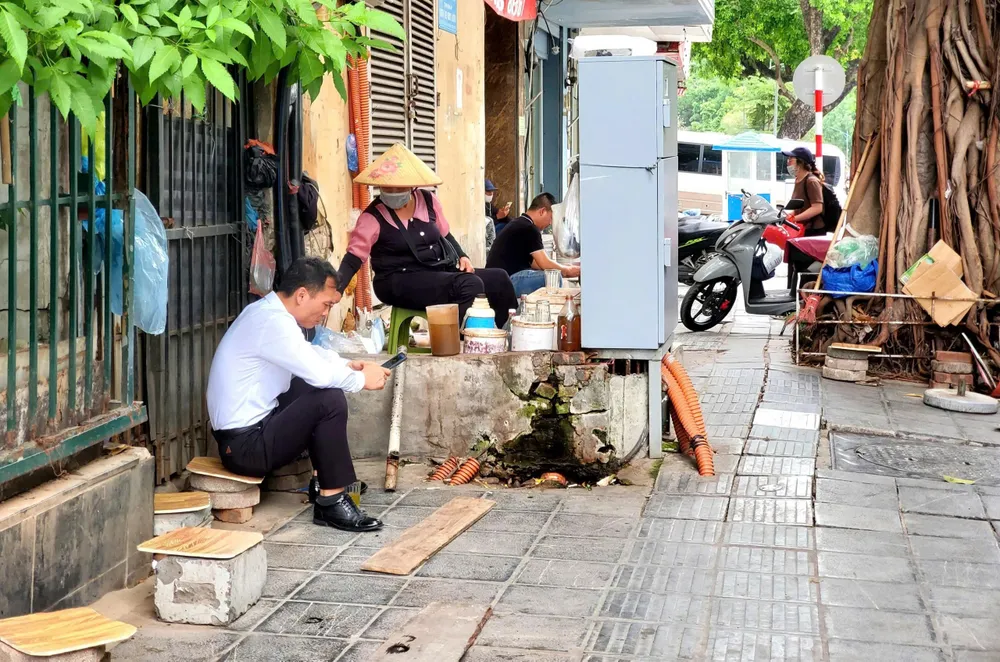
Dr. Ly Viet Truong, from the Hanoi Studies and Capital Development Center (Vietnam Institute of Studies and Development Science), believes that researching sidewalk leasing demonstrates a stronger approach to managing, exploiting, and utilizing urban space more effectively. Concerns about sidewalk leasing leading to encroachment are valid, but if strictly planned and monitored using technology, this could bring sidewalk economic activities within the framework of the law.
Hanoi should learn from the experiences of Singapore and South Korea, acknowledging that the sidewalk economy is an integral part of urban life and managing it by planning centralized sales areas with sanitation facilities, cameras, and public seating with standardized aesthetics. Most importantly, it needs stable, transparent, and long-term management, not intermittent bans and permissions.
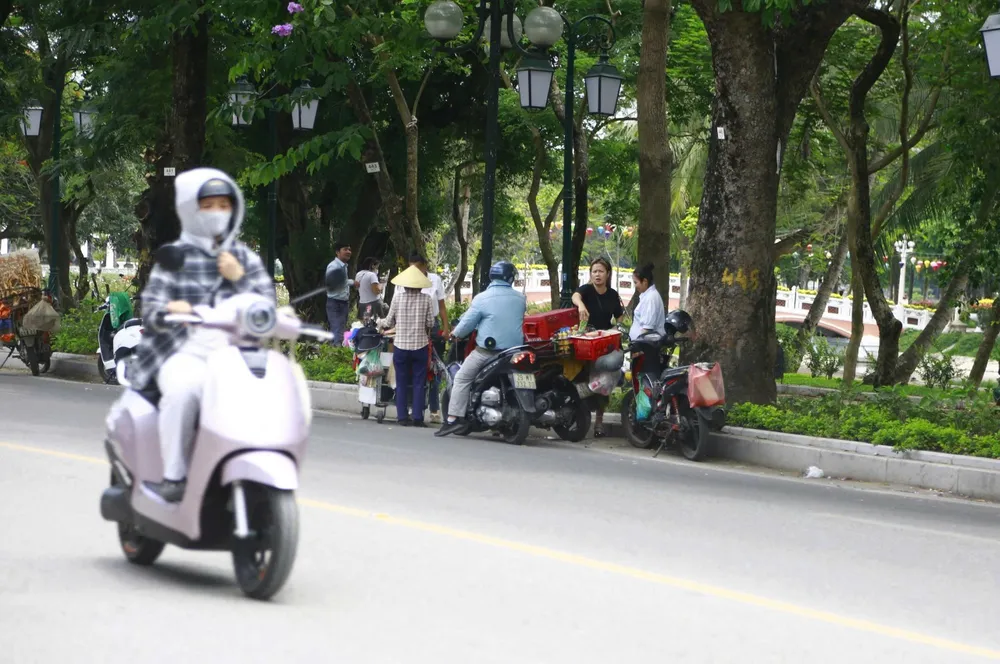
According to Dr. Ly Viet Truong, a civilized city is one that harmonizes livelihoods, street culture, and the right to use public spaces. Hanoi's appeal lies not only in its modern buildings, but also in its rhythm of life, its shops and restaurants, its cultural identity, and its city memories. If these are managed within the framework of the law, they will create a unique vitality and cultural allure for the city.
Source: https://www.sggp.org.vn/dua-kinh-te-via-he-vao-khuon-kho-post852876.html






















































































Comment (0)